Targeting Antibiotic Resistance: How CRISPR-Cas Systems Are Revolutionizing the Fight Against Superbugs
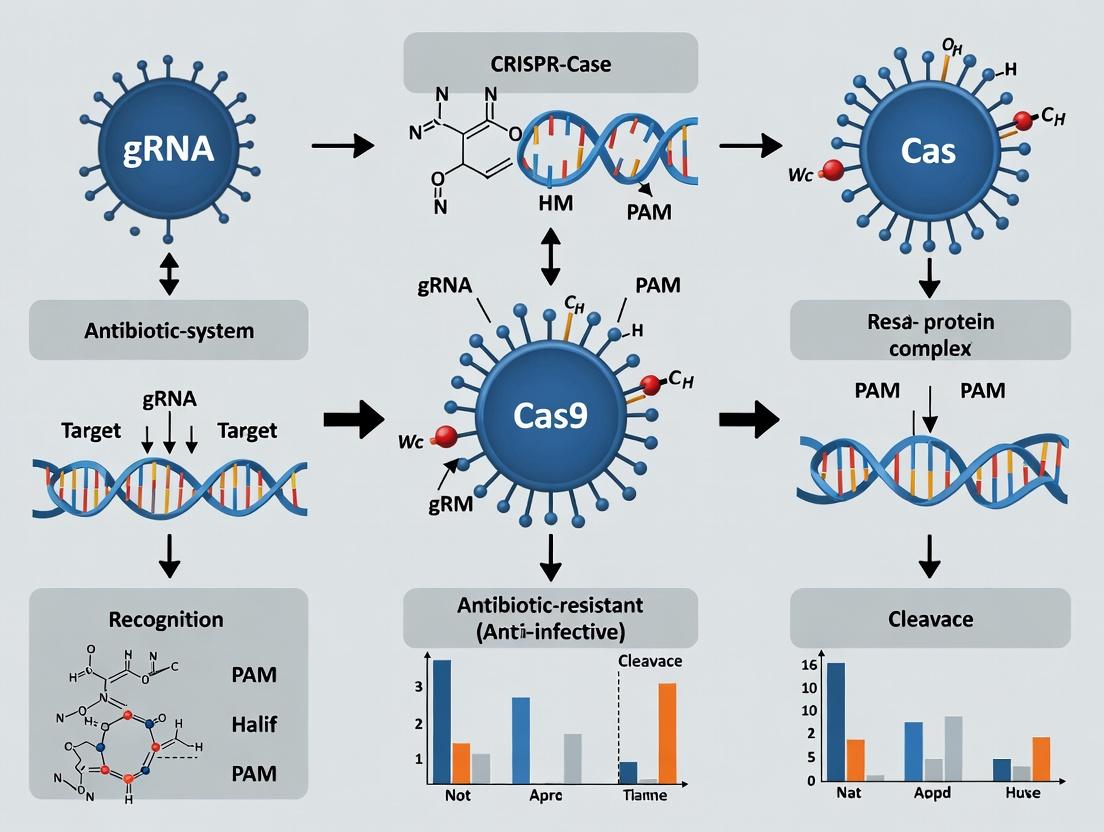
This article provides a comprehensive review of CRISPR-Cas systems as a revolutionary strategy to combat antibiotic resistance.
Targeting Antibiotic Resistance: How CRISPR-Cas Systems Are Revolutionizing the Fight Against Superbugs
Abstract
This article provides a comprehensive review of CRISPR-Cas systems as a revolutionary strategy to combat antibiotic resistance. Aimed at researchers and drug development professionals, it explores the foundational science of using CRISPR to target and eliminate antibiotic-resistant genes (ARGs), details cutting-edge methodological approaches including phage delivery and conjugative plasmids, addresses critical troubleshooting and specificity optimization challenges, and validates these strategies through comparative analysis with traditional and emerging antimicrobials. The synthesis underscores CRISPR's potential as a precise, programmable tool to restore antibiotic efficacy and outlines the translational pathway from bench to bedside.
Decoding the Threat: Foundational Science of Antibiotic-Resistant Genes and CRISPR Targeting
Introduction This document provides application notes and protocols for epidemiological assessment and in vitro validation of CRISPR-Cas systems against priority antibiotic-resistant pathogens. The work is situated within a thesis exploring CRISPR-Cas as a precision tool for silencing or eliminating antimicrobial resistance (AMR) genes. The following data, protocols, and resources are designed for researchers engaged in developing novel antimicrobial strategies.
1. Epidemiology and Burden: Current Data The World Health Organization (WHO) and recent studies continue to classify antibiotic-resistant pathogens as critical priorities. The following table summarizes the global burden and key resistance mechanisms for priority pathogens, as per the latest WHO Bacterial Priority Pathogens List (WHO BPPL) 2024 and associated burden estimates.
Table 1: Key Antibiotic-Resistant Pathogens: Burden & Resistance Mechanisms
| Pathogen Priority (WHO BPPL 2024) | Estimated Annual Deaths (Global, Attributable to AMR) | Key Resistance Mechanisms | Primary Infections/Conditions |
|---|---|---|---|
| Critical: Acinetobacter baumannii (carbapenem-resistant) | 45,000 - 75,000 | Carbapenemases (OXA-type, NDM), efflux pumps, porin loss. | Ventilator-associated pneumonia, bloodstream infections. |
| Critical: Pseudomonas aeruginosa (carbapenem-resistant) | ~30,000 - 50,000 | Carbapenemases (VIM, IMP), AmpC β-lactamase overexpression, efflux pumps. | Hospital-acquired pneumonia, surgical site infections. |
| Critical: Enterobacterales (carbapenem-resistant, ESBL-producing) | 150,000+ (combined) | ESBLs (CTX-M), Carbapenemases (KPC, NDM, OXA-48), plasmid-mediated. | Bloodstream infections, intra-abdominal infections, UTIs. |
| High: Enterococcus faecium (vancomycin-resistant) | ~20,000 - 30,000 | vanA/vanB gene clusters altering peptidoglycan precursors. | Catheter-associated UTIs, endocarditis, surgical site infections. |
| High: Staphylococcus aureus (methicillin-resistant) | >100,000 | mecA/mecC (encoding PBP2a), biofilm formation. | Skin/soft tissue infections, bacteremia, osteomyelitis. |
| High: Helicobacter pylori (clarithromycin-resistant) | N/A (drives treatment failure) | Point mutations in 23S rRNA (A2143G, etc.). | Chronic gastritis, peptic ulcer disease, gastric cancer. |
| Medium: Salmonella spp. (fluoroquinolone-resistant) | Significant morbidity data | QRDR mutations (gyrA, parC), plasmid-mediated qnr genes. | Invasive non-typhoidal salmonellosis, enteric fever. |
2. Core Protocol: In Vitro Validation of CRISPR-Cas9 for blaKPC-3 Silencing in K. pneumoniae
2.1. Aim: To demonstrate targeted knockdown of the carbapenemase gene blaKPC-3 in a clinical isolate of Klebsiella pneumoniae, restoring susceptibility to meropenem.
2.2. Materials & Reagents Table 2: Research Reagent Solutions for CRISPR-Cas9 Knockdown
| Reagent / Material | Function / Purpose | Example Product/Catalog |
|---|---|---|
| Clinical K. pneumoniae isolate (CR-KP, blaKPC-3+) | Target bacterium for CRISPR intervention. | Clinical lab isolate, sequence-verified. |
| pCas9/pCRISPR Plasmid System | Delivery of S. pyogenes Cas9 and guide RNA (gRNA). | Addgene #62655 or similar, with appropriate bacterial origin of replication and selection marker. |
| Custom sgRNA Oligonucleotides | Directs Cas9 to a specific 20bp protospacer within blaKPC-3. | Synthesized DNA oligos with BsaI overhangs. |
| BsaI-HFv2 Restriction Enzyme | Golden Gate assembly of sgRNA into plasmid backbone. | NEB #R3733. |
| T4 DNA Ligase | Ligation of assembled plasmid. | NEB #M0202. |
| Electrocompetent E. coli (DH5α) | Initial plasmid construction and propagation. | Commercial high-efficiency cells. |
| Electroporator & 1mm Cuvettes | Transformation of plasmid into CR-KP. | Bio-Rad Gene Pulser Xcell. |
| LB Broth/Agar with Selective Antibiotics | Culture and selection of transformants. | Ampicillin (for plasmid), +/- Meropenem for phenotypic testing. |
| Meropenem Etest Strips / MIC Panels | Phenotypic confirmation of restored susceptibility. | bioMérieux Etest or CLSI broth microdilution panels. |
| qPCR Primers for blaKPC-3 & 16S rRNA | Quantitative assessment of target gene knockdown. | Custom-designed primers. |
2.3. Methodology Step 1: sgRNA Design and Cloning
- Design a 20-nt guide sequence targeting a conserved region of the blaKPC-3 coding sequence (e.g., 5'-GATGCCACTGGTCTACAGTG-3'). Verify specificity using BLAST against the bacterial genome.
- Synthesize complementary oligonucleotides, anneal, and ligate into the BsaI-digested pCRISPR plasmid using a Golden Gate assembly protocol (BsaI digestion/ligation at 37°C for 10 cycles).
- Transform assembled plasmid into E. coli DH5α, select on ampicillin plates, and confirm sequence via Sanger sequencing.
Step 2: Transformation into CR-KP
- Grow target CR-KP to mid-log phase (OD600 ~0.6). Perform three washes with ice-cold 10% glycerol to make electrocompetent cells.
- Electroporate 50-100ng of the confirmed plasmid (pCas9 + pCRISPR-sgRNAKPC) into 50μL of cells (1.8 kV, 200Ω, 25μF).
- Recover cells in SOC broth for 2 hours at 30°C (temperature-sensitive replication origin), then plate on LB agar with ampicillin. Incubate at 30°C for 24-48 hours.
Step 3: Phenotypic and Genotypic Validation
- Minimum Inhibitory Concentration (MIC): Inoculate colonies in broth with ampicillin. Perform meropenem MIC testing via broth microdilution per CLSI guidelines. Compare to an empty-vector control.
- qPCR Analysis: Extract total RNA from test and control cultures. Synthesize cDNA. Perform qPCR with blaKPC-3-specific primers, normalized to 16S rRNA. Calculate fold-change in expression using the 2^(-ΔΔCt) method.
- Sequencing: PCR-amplify the blaKPC-3 target region from genomic DNA of treated cells. Sequence to confirm indels or lack of repair (for knockdown rather than killing).
3. Visualizations
Title: CRISPR-Cas9 Experimental Workflow for blaKPC-3 Knockdown
Title: Mechanism of CRISPR-Cas9 Targeting of blaKPC-3 Resistance Gene
Within the broader thesis on developing CRISPR-Cas systems for the precise detection and eradication of antibiotic-resistant pathogens, a fundamental understanding of the genetic arsenal conferring resistance is paramount. This application note categorizes the major classes of ARGs, detailing their mechanisms, prevalence, and quantitative significance. This foundational knowledge directly informs the design of guide RNAs (gRNAs) for CRISPR-based diagnostics (e.g., DETECTR, SHERLOCK) and antimicrobials (e.g., CRISPR-Cas9 selective killing).
Major ARG Classes: Mechanisms & Quantitative Data
Table 1: Major Classes of Antibiotic-Resistant Genes and Their Clinical Impact
| ARG Class | Primary Mechanism | Key Antibiotic Targets | Example Genes | Global Prevalence Estimate* | Key Challenge for CRISPR Targeting |
|---|---|---|---|---|---|
| β-Lactamases | Enzyme hydrolysis of β-lactam ring. | Penicillins, Cephalosporins, Carbapenems | blaCTX-M, blaNDM-1, blaKPC | 60-85% in Gram-negative isolates | Extensive allelic diversity; co-occurrence in plasmids. |
| Aminoglycoside Modifying Enzymes (AMEs) | Chemical modification (acetylation, phosphorylation, adenylation). | Gentamicin, Amikacin, Tobramycin | aac(6')-Ib, aph(3')-Ia, ant(2'')-Ia | ~50% in aminoglycoside-resistant Enterobacteriaceae | Multiple enzyme families with overlapping substrates. |
| Fluoroquinolone Resistance Genes | Protection of target or efflux pump regulation. | Ciprofloxacin, Levofloxacin | qnr (A, B, S), aac(6')-Ib-cr | qnr genes: ~15-30% in clinical E. coli (region-dependent) | Often chromosomal; requires efficient intracellular Cas delivery. |
| Tetracycline Resistance Genes | Ribosomal protection or active efflux. | Doxycycline, Minocycline, Tigecycline | tet(M), tet(A), tet(X) | tet(M): >50% in tetracycline-resistant Streptococcus spp. | Ubiquitous in environmental and clinical resistomes. |
| Glycopeptide Resistance Genes | Peptidoglycan precursor remodeling. | Vancomycin, Teicoplanin | vanA, vanB | vanA: >90% in VRE (Enterococcus faecium) | High consequence target; risk of horizontal transfer. |
| Macrolide-Lincosamide-Streptogramin (MLS) Resistance | Target site methylation or efflux. | Erythromycin, Clindamycin | erm(B), mef(A), msr(D) | erm(B): >70% in macrolide-resistant S. pneumoniae | Constitutive vs. inducible expression affects target availability. |
| Colistin Resistance Genes | Lipid A modification reducing drug binding. | Colistin (Polymyxin E) | mcr-1 to mcr-10 | mcr-1: <5% global average but highly mobile | Plasmid-borne, rapid global dissemination post-discovery. |
*Prevalence estimates are synthesized from recent surveillance data (e.g., GLASS, SENTRY) and are illustrative of general trends, varying significantly by geography and bacterial species.
Experimental Protocols
Protocol 1: In silico Guide RNA (gRNA) Design for ARG Targeting
Objective: To design specific and efficient gRNAs for CRISPR-Cas9 against a conserved region of the blaNDM-1 gene.
Materials: "Research Reagent Solutions" (See Section 5). Computer with internet access.
Procedure:
- Retrieve Target Sequence: Access the blaNDM-1 coding sequence (e.g., GenBank: FN396876.1). Identify open reading frame.
- Identify Conserved Region: Use multiple sequence alignment tool (e.g., NCBI Constraint-based Multiple Alignment Tool) against other blaNDM alleles and common β-lactamases (e.g., blaKPC, blaVIM) to find unique, conserved stretches (~23 bp) for blaNDM-1.
- Design gRNAs: Input the conserved sequence into a validated gRNA design tool (e.g., CHOPCHOP, Benchling). Set parameters: Streptococcus pyogenes Cas9 (SpCas9), NGG PAM.
- Evaluate Off-targets: Run all candidate gRNA sequences through an off-target prediction algorithm (e.g., Cas-OFFinder) against the host genome (e.g., E. coli MG1655) and human microbiome references. Select gRNAs with zero or minimal predicted off-targets with ≤3 mismatches.
- Synthesize Oligonucleotides: Order forward and reverse oligos for the selected 20-nt spacer sequence with appropriate 5' overhangs for your chosen cloning system (e.g., BsaI sites for Golden Gate assembly into pCas9 plasmid).
Protocol 2: Functional Validation of ARG Knockout via CRISPR-Cas9
Objective: To assess the restoration of antibiotic susceptibility following CRISPR-Cas9-mediated knockout of the mcr-1 gene in E. coli.
Materials: "Research Reagent Solutions" (See Section 5).
Procedure:
- Plasmid Transformation: Electroporate the constructed pCas9-gRNA_mcr1 plasmid and a control plasmid (empty gRNA scaffold) into mcr-1-harboring E. coli.
- Induction of Cas9: Grow transformed bacteria in LB with appropriate antibiotics and Cas9-inducing agent (e.g., anhydrotetracycline, if using a Tet-inducible system) at specified concentration for 4-6 hours.
- Plating and Selection: Perform serial dilutions and plate on LB agar (no antibiotic) to obtain single colonies. Incubate overnight at 37°C.
- Genotype Screening: Perform colony PCR on 20-30 colonies using primers flanking the mcr-1 target site. Analyze products via agarose gel electrophoresis. Successful knockout will show a larger band (due to indels) or no band compared to wild-type control.
- Phenotype Validation:
- MIC Determination: Inoculate confirmed knockout and control colonies in Mueller-Hinton broth. Perform broth microdilution per CLSI guidelines with colistin (0.0625 - 128 µg/mL). The mcr-1 knockout strain should show a ≥4-fold reduction in MIC compared to the control.
- Growth Curve Assay: In a 96-well plate, grow knockout and control strains in Mueller-Hinton broth with sub-MIC (e.g., 2 µg/mL) and lethal (e.g., 8 µg/mL) concentrations of colistin. Monitor OD600 every 30 minutes for 16-24 hours. Expected outcome: knockout strain shows inhibited growth at the lethal concentration where the control strain grows.
Visualizations
Flow of ARG Knowledge to CRISPR Application
Generalized Mechanism of Antibiotic Resistance
The Scientist's Toolkit: Research Reagent Solutions
Table 2: Essential Materials for CRISPR-based ARG Research
| Reagent / Material | Function & Application | Example Vendor / Cat. No. (Illustrative) |
|---|---|---|
| High-Fidelity DNA Polymerase | Accurate amplification of ARG fragments for cloning and genotyping. | NEB Q5 High-Fidelity, Thermo Fisher Platinum SuperFi II. |
| Golden Gate Assembly Kit | Modular, efficient cloning of gRNA spacer sequences into CRISPR plasmids. | NEB Golden Gate Assembly Kit (BsaI-HF). |
| CRISPR-Cas9 Expression Plasmid | Inducible or constitutive expression of Cas9 nuclease and gRNA scaffold. | Addgene #52961 (pCas9), or similar with inducible promoter. |
| Electrocompetent E. coli | High-efficiency transformation of large CRISPR plasmid DNA. | NEB 10-beta, Lucigen EC100D pir-116. |
| Cation-Adjusted Mueller-Hinton Broth | Standardized medium for antibiotic susceptibility testing (MIC). | BD BBL Mueller Hinton II Broth. |
| CLSI Reference Antibiotic Powder | Preparation of accurate stock solutions for MIC assays. | Sigma-Aldrich (various), USP Reference Standards. |
| Cas9-specific Antibody | Western blot verification of Cas9 protein expression post-induction. | Abcam anti-Cas9 [7A9-3A3], Cell Signaling Technology. |
| Next-Generation Sequencing Kit | Deep sequencing of target locus to characterize editing efficiency and indels. | Illumina MiSeq System with custom amplicon primers. |
Within the urgent global effort to combat antimicrobial resistance (AMR), CRISPR-Cas systems have emerged as transformative tools for the precise targeting and neutralization of antibiotic-resistant genes (ARGs). This primer details the core mechanisms of Type II-A CRISPR-Cas9 and the adaptable Type V CRISPR-Cas12a systems, providing application notes and protocols for their use in ARG research and potential therapeutic development.
Mechanism and Comparative Analysis
1.1 Core Mechanism of Cas9 (Type II-A System) The Streptococcus pyogenes Cas9 (SpCas9) system functions via a dual RNA-guided DNA targeting complex. The CRISPR RNA (crRNA) and trans-activating crRNA (tracrRNA), often fused as a single-guide RNA (sgRNA), direct Cas9 to a complementary DNA sequence adjacent to a 5'-NGG-3' Protospacer Adjacent Motif (PAM). Cas9 creates a blunt-ended double-strand break (DSB) 3 base pairs upstream of the PAM.
1.2 Core Mechanism of Cas12a (Type V System) CRISPR-Cas12a (e.g., Acidaminococcus sp. Cas12a) is guided by a single crRNA and recognizes a T-rich PAM (5'-TTTV-3'). It creates a DSB with staggered ends, producing a 5' overhang. Notably, upon binding and cleaving its target dsDNA, Cas12a exhibits trans-cleavage activity, non-specifically degrading single-stranded DNA (ssDNA), a feature utilized in diagnostic applications.
1.3 Quantitative Comparison of Key CRISPR-Cas Systems for ARG Targeting
Table 1: Comparison of SpCas9 and AsCas12a for Genetic Targeting
| Feature | SpCas9 (Type II-A) | AsCas12a (Type V) | Implication for ARG Research |
|---|---|---|---|
| PAM Sequence | 5'-NGG-3' (G-rich) | 5'-TTTV-3' (T-rich) | Determines targetable sites on ARGs; complementary PAMs expand target range. |
| CRISPR RNA | sgRNA (crRNA + tracrRNA) | Single crRNA | Simplifies guide RNA design and synthesis for high-throughput ARG screening. |
| Cleavage Pattern | Blunt ends, 3bp upstream PAM | Staggered ends (5' overhang) | Influences DNA repair pathway choice (NHEJ vs HDR) for ARG knockout or repair. |
| Cleavage Activity | cis-cleavage (target DNA only) | cis & trans-cleavage (ssDNA) | Enables simultaneous ARG disruption and detection/sensing in bacterial populations. |
| Protein Size | ~1368 amino acids | ~1300 amino acids | Affects delivery efficiency, a key consideration for in vivo anti-resistance strategies. |
Application Notes for ARG Research
Application Note 1: High-Throughput Functional Knockout of ARGs. Using a pooled sgRNA library, researchers can target every essential domain within a panel of beta-lactamase genes (e.g., blaCTX-M, blaNDM). Transduction into a susceptible bacterial strain followed by selection with the corresponding antibiotic identifies guide RNAs that confer survival—pinpointing genetic regions critical for resistance.
Application Note 2: CRISPR-Cas12a-based Detection of ARGs. The trans-cleavage activity of Cas12a can be harnessed to create rapid, sensitive diagnostics for ARGs. A guide RNA specific to mecA (conferring methicillin resistance) is complexed with Cas12a. Upon recognition of target DNA, activated Cas12a degrades a fluorescent ssDNA reporter, generating a quantifiable signal within minutes.
Detailed Experimental Protocols
Protocol 1: CRISPR-Cas9 Mediated Knockout of a Beta-Lactamase Gene in E. coli.
Objective: To disrupt the blaTEM-1 gene in a resistant E. coli strain via non-homologous end joining (NHEJ).
Materials & Reagents: See "The Scientist's Toolkit" below.
Method:
- sgRNA Design & Cloning: Design a 20-nt spacer sequence targeting the coding region of blaTEM-1, preceding a 5'-NGG-3' PAM. Clone the spacer sequence into the BsaI site of plasmid pCRISPR (Addgene #42875) via Golden Gate assembly.
- Transformation: Co-transform 50 ng of the assembled pCRISPR-sgRNA plasmid and 100 ng of a Cas9 expression plasmid (e.g., pCas9) into the target E. coli strain via electroporation (1.8 kV, 5 ms).
- Recovery & Selection: Recover cells in SOC medium for 2 hours at 37°C. Plate on LB agar containing chloramphenicol (pCRISPR marker) and kanamycin (pCas9 marker). Incubate overnight at 30°C (temperature-sensitive origin control).
- Screening for Knockout: Patch 20-50 colonies onto two plates: LB + Carbenicillin (100 µg/mL) and LB + Kan+Chlor. Incubate overnight. Colonies sensitive to carbenicillin but resistant to Kan/Chlor are putative knockouts.
- Validation: Isolate genomic DNA from sensitive colonies. Perform PCR amplification of the blaTEM-1 locus (~500 bp surrounding the target site) and send for Sanger sequencing. Analyze chromatograms for indel mutations at the Cas9 cut site.
Protocol 2: DETECTR Assay for mecA Gene Identification.
Objective: To detect the presence of the mecA gene from purified bacterial DNA using Cas12a.
Materials & Reagents: Purified genomic DNA, AsCas12a protein, mecA-specific crRNA, fluorescent ssDNA reporter (e.g., 5'-6-FAM-TTATT-3'IABkFQ), reaction buffer (NEBuffer 2.1), plate reader or fluorometer.
Method:
- Reaction Setup: In a 96-well optical plate, combine:
- 50 nM AsCas12a
- 60 nM crRNA
- 100 nM ssDNA reporter
- 1x NEBuffer 2.1
- Up to 10 µL of extracted DNA sample or nuclease-free water (no-template control).
- Adjust total volume to 20 µL with nuclease-free water.
- Incubation and Measurement: Seal the plate, briefly centrifuge, and immediately place in a pre-heated (37°C) real-time PCR machine or fluorometer. Measure fluorescence (Ex: 485 nm, Em: 535 nm) every 30 seconds for 60 minutes.
- Data Analysis: Plot fluorescence versus time. A positive sample, containing the mecA sequence, will show an exponential increase in fluorescence (due to reporter cleavage) above the baseline of the negative control.
Visualizing CRISPR-Cas Mechanisms and Workflows
CRISPR-Cas9 DNA Targeting and Cleavage
Cas12a DETECTR Assay Workflow for ARG Detection
The Scientist's Toolkit: Essential Reagents for CRISPR-ARG Experiments
Table 2: Key Research Reagent Solutions
| Reagent/Material | Function/Description | Example Source/Catalog |
|---|---|---|
| High-Efficiency Cas9 Plasmid | Provides stable, inducible expression of SpCas9 nuclease for mammalian or bacterial delivery. | Addgene #62988 (pSpCas9(BB)-2A-Puro) |
| CRISPR Array Kit (Golden Gate) | Modular plasmid system for rapid, multiplex cloning of sgRNA expression cassettes. | Addgene #1000000052 (MoClo Toolkit) |
| Recombinant AsCas12a (Cpf1) | Purified Cas12a nuclease protein for in vitro cleavage or diagnostic assays. | NEB #M0653T |
| Fluorescent ssDNA Reporter | Quenched single-stranded DNA oligonucleotide; cleavage by activated Cas12a produces a fluorescent signal. | IDT, 5'-6-FAM/TTATT/3IABkFQ-3' |
| Electrocompetent E. coli | Genetically engineered strains for high-efficiency transformation of CRISPR plasmid DNA. | NEB #C3020K (ΔhsdRMS, mcrA/B/C, Δmrr) |
| Homology-Directed Repair (HDR) Donor Template | Single-stranded oligodeoxynucleotide (ssODN) for precise editing of ARGs via homology-directed repair. | Custom synthesis (IDT, Sigma) |
| Next-Generation Sequencing Library Prep Kit | For deep sequencing of target sites to quantify editing efficiency and profile indels across ARG loci. | Illumina CRISPR Library Prep Kit |
Within the global health crisis of antimicrobial resistance (AMR), antibiotic resistance genes (ARGs) serve as the fundamental genetic determinants enabling bacterial survival. This document, framed within a broader thesis on CRISPR-Cas systems for targeting ARGs, details application notes and protocols for utilizing CRISPR technology as a precision tool to inactivate ("scissors") or eliminate ("erasers") these genes. These strategies offer promising avenues for sequence-specific antimicrobials and environmental ARG remediation.
Core CRISPR Strategies for ARG Targeting
Two primary CRISPR-Cas strategies are employed against ARGs, each with distinct mechanisms and outcomes.
CRISPR-Cas9 as "Scissors" (Inactivation): The Cas9 nuclease, guided by a single guide RNA (sgRNA), introduces double-strand breaks (DSBs) within the target ARG sequence. In the absence of a repair template, error-prone non-homologous end joining (NHEJ) repairs the break, often resulting in frameshift mutations or insertions/deletions (indels) that permanently disrupt the gene's coding sequence and inactivate it.
CRISPR-Cas9 as an "Eraser" (Elimination): When combined with a bacteriophage delivery vehicle or a conjugative plasmid, the CRISPR-Cas9 system can be delivered into a bacterial population to selectively target and cleave ARGs located on plasmids or chromosomes. Subsequent cell death or plasmid curing removes the ARG from the population.
CRISPR-Cas13a/d (Erasure/Suppression): These systems target RNA, not DNA. Cas13 enzymes can be programmed to degrade the mRNA transcripts of ARGs, effectively halting the production of the resistance protein without altering the bacterial genome. This offers a reversible suppression of resistance.
Quantitative Comparison of CRISPR Systems for ARG Intervention
The table below summarizes key performance metrics from recent studies (2023-2024) utilizing different CRISPR systems against ARGs.
Table 1: Comparative Efficacy of CRISPR Systems Against ARGs (2023-2024 Data)
| CRISPR System | Target ARG(s) | Host Bacteria | Delivery Method | Efficacy (Reduction) | Primary Outcome | Study Reference |
|---|---|---|---|---|---|---|
| Cas9 (NHEJ) | blaKPC | E. coli | Electroporation | ~99.9% CFU reduction | Chromosomal ARG inactivation | Silva et al., 2023 |
| Cas9 (Curing) | mcr-1 (plasmid) | E. coli | Conjugative plasmid | ~4-log plasmid loss | Plasmid elimination | Wang et al., 2023 |
| Cas9 (Phage) | mecA | S. aureus | Engineered phage | >99.99% in biofilm | Selective bacterial killing | Beisel et al., 2024 |
| Cas13a (shredder) | tet(M) mRNA | Enterococcus | Plasmid | ~95% mRNA reduction | Phenotypic resensitization | Li et al., 2023 |
| Cas9 (NHEJ) | NDM-1 | K. pneumoniae | Nanoparticle | ~3-log CFU reduction | In vivo mouse model efficacy | Gupta et al., 2024 |
Detailed Experimental Protocols
Protocol 4.1: Plasmid-Borne ARG Elimination Using Conjugative CRISPR-Cas9
Objective: To eliminate a plasmid carrying an ARG (e.g., mcr-1) from a donor E. coli population via conjugation-delivered CRISPR-Cas9.
Materials: See Scientist's Toolkit (Section 6). Workflow:
- sgRNA Design & Cloning: Design a 20-nt spacer sequence specific to the mcr-1 gene on the target plasmid. Clone this spacer into the pCRISPR-Conj vector (contains Cas9, tra genes for conjugation, and an origin of transfer oriT).
- Donor Strain Preparation: Transform the constructed pCRISPR-Conj plasmid into the donor E. coli strain (e.g., WM3064, a diaminopimelic acid auxotroph).
- Conjugation: Mix donor and recipient (mcr-1-positive E. coli) strains at a 1:3 ratio on a LB filter membrane. Incubate aerobically at 37°C for 6-8 hours.
- Selection & Screening: Resuspend cells and plate on LB agar containing kanamycin (selects for pCRISPR-Conj) and colistin (selects for mcr-1 plasmid). The presence of colonies on double-selection plates indicates failed curing. Plate on kanamycin only to obtain transconjugants.
- Efficacy Assessment: Isolate plasmids from 10-20 kanamycin-only transconjugants. Perform PCR for mcr-1 and restriction analysis to confirm plasmid loss. Calculate plasmid curing efficiency as: (Total transconjugants - Colistin-resistant transconjugants) / Total transconjugants x 100%.
Protocol 4.2: Chromosomal ARG Inactivation via CRISPR-Cas9 and NHEJ
Objective: To introduce disruptive indels into a chromosomally encoded blaKPC gene in K. pneumoniae.
Materials: See Scientist's Toolkit (Section 6). Workflow:
- Electrocompetent Cell Preparation: Grow target K. pneumoniae to mid-log phase. Wash cells 3x with ice-cold 10% glycerol.
- CRISPR Plasmid Delivery: Electroporate 100 ng of pCas9-KPC (expresses Cas9 and blaKPC-specific sgRNA) into 50 µL of competent cells.
- Recovery & Outgrowth: Recover cells in SOC medium for 2 hours at 37°C.
- Induction & Selection: Plate cells on LB agar containing kanamycin (plasmid selection) and anhydrotetracycline (aTc; induces Cas9 expression). Incubate 24-48h.
- Screening for Inactivation: Patch individual colonies onto LB + meropenem (2 µg/mL). Colonies that grow on kanamycin but not meropenem indicate successful blaKPC inactivation.
- Validation: Perform Sanger sequencing of the blaKPC locus from putative inactivated clones to confirm indel sequences.
Visualization of Workflows and Mechanisms
Plasmid Curing via Conjugative CRISPR-Cas9
CRISPR-Cas9 Scissors: ARG Inactivation via NHEJ
Strategy Selection for Targeting ARGs with CRISPR
The Scientist's Toolkit: Key Reagents & Materials
Table 2: Essential Research Reagents for CRISPR-ARG Experiments
| Reagent/Material | Function/Description | Example Product/Catalog |
|---|---|---|
| CRISPR-Cas9 Expression Vector | Plasmid backbone for expressing Cas9 nuclease and cloning sgRNA. Essential for genetic manipulation. | pCas9 (Addgene #42876) |
| sgRNA Cloning Kit | Streamlines the insertion of target-specific spacer sequences into the CRISPR vector. | Alt-R CRISPR-Cas9 sgRNA Synthesis Kit (IDT) |
| Conjugative Delivery Plasmid | Plasmid containing an origin of transfer (oriT) and mating machinery genes for bacterial conjugation. | pCRISPR-Conj (Custom) |
| Electrocompetent Cells | Bacterial cells prepared for efficient DNA uptake via electroporation, crucial for plasmid transformation. | E. coli 10G Elite (Lucigen) |
| Phage Engineering Kit | For packaging CRISPR machinery into bacteriophage capsids for targeted delivery. | λ Phage Recombineering Kit (Thermo) |
| aTc/Dox Inducer | Small molecule inducers for tightly regulated Cas9 expression (e.g., via Tet-ON system). | Anhydrotetracycline (aTc) |
| Selective Antibiotics | For maintaining CRISPR plasmids and selecting for/against ARG presence. | Kanamycin, Colistin, Meropenem |
| NHEJ Repair Inhibitor | Compound like SCR7 to bias repair towards error-prone NHEJ, increasing indel frequency. | SCR7 pyrazine (Sigma) |
| PCR & Sequencing Primers | For validating ARG sequence, plasmid curing, and identifying indel mutations. | Custom-designed oligos |
| Cas13a Expression System | Plasmid or purified protein for targeting ARG mRNA transcripts. | pC0046-Cas13a (Addgene #103854) |
Within the broader thesis on CRISPR-Cas systems for targeting antibiotic-resistant genes, a foundational strategic fork exists. The first approach is Bactericidal CRISPR, which aims to lethally cleave the bacterial genome, typically targeting essential genes or multiple genomic sites. The second is Re-sensitization CRISPR, which aims to inactivate antibiotic resistance genes (ARGs) or their regulatory elements, restoring the efficacy of conventional antibiotics. This application note details the core principles, comparative data, and protocols for these two strategies.
Comparative Analysis & Data Presentation
Table 1: Foundational Comparison of Bactericidal vs. Re-sensitization Strategies
| Parameter | Bactericidal CRISPR Strategy | Re-sensitization CRISPR Strategy |
|---|---|---|
| Primary Target | Essential bacterial genes (e.g., gyrA, rpoB) or multiple genomic loci. | Specific Antibiotic Resistance Genes (ARGs; e.g., mecA, blaNDM-1, ctx-m). |
| CRISPR System | Typically Cas9 with multiplexed gRNAs for lethality. | Cas9, Cas12a, or nickase variants (dCas9) for precise disruption. |
| Mechanism of Action | Induction of multiple double-strand breaks (DSBs), overwhelming DNA repair. | Disruption of ARG open reading frame or promoter, without killing per se. |
| Primary Outcome | Direct bacterial cell death. | Loss of antibiotic resistance, restoring drug susceptibility. |
| Selective Pressure | High, potentially selecting for CRISPR escape mutants. | Lower, especially when combined with immediate antibiotic treatment. |
| Therapeutic Context | Monotherapy potential. | Combinatorial therapy with traditional antibiotics (e.g., β-lactams). |
| Key Challenge | Delivery efficiency and potential for off-target effects. | Need for precise targeting to avoid collateral sensitization of commensals. |
| In Vitro Efficacy (Example vs. MRSA) | ~4-5 log10 reduction in CFU with effective delivery. | Restoration of oxacillin susceptibility (MIC reduction from >256 µg/mL to <2 µg/mL). |
Table 2: Quantitative Data from Representative Studies (2023-2024)
| Strategy | Pathogen & ARG | Delivery Vector | Key Metric: Bactericidal | Key Metric: Re-sensitization |
|---|---|---|---|---|
| Bactericidal | E. coli (Essential) | Phage-derived | 99.99% killing in 4h | N/A |
| Re-sensitization | MRSA (mecA) | Conjugative plasmid | 2 log reduction | Oxacillin MIC reduced to 0.5 µg/mL |
| Bactericidal | A. baumannii (pan-essential) | Lipid Nanoparticle | ~5 log10 CFU decrease | N/A |
| Re-sensitization | CRE (blaKPC) | Engineered phage | 1 log reduction | Meropenem MIC reduced 128-fold |
Experimental Protocols
Protocol 1: Bactericidal CRISPR-Cas9 Assay Against Essential Genes
Aim: To assess the lethal efficacy of multiplexed gRNAs targeting essential chromosomal loci. Materials: Target bacterial strain, pCas9 plasmid, pTarget plasmids expressing gRNAs, appropriate antibiotics, SOC media, LB agar plates, spectrophotometer.
- gRNA Design: Design two gRNAs targeting essential genes (e.g., gyrA and rpoB). Clone into a pTarget plasmid under constitutive promoters.
- Transformation: Co-transform the pCas9 and pTarget plasmids into the target bacterial strain via electroporation.
- Outgrowth: Recover cells in SOC medium for 1 hour at 37°C.
- Efficacy Plating: Perform serial dilutions. Plate on LB agar (a) with inducters for Cas9/gRNA expression and (b) without inducers (control).
- Quantification: Incubate plates overnight at 37°C. Count colony-forming units (CFU). Calculate log10 reduction compared to control.
Protocol 2: Re-sensitization CRISPR-dCas9 Interference for β-lactam Resistance
Aim: To restore β-lactam susceptibility in MRSA by repressing mecA gene expression. Materials: MRSA strain, p-dCas9 plasmid (encoding catalytically dead Cas9), p-gRNA plasmid targeting mecA promoter, Oxacillin antibiotic strips/disks, Mueller-Hinton agar, broth microdilution panels.
- gRNA Design: Design gRNA complementary to the promoter region of the mecA gene.
- Strain Preparation: Introduce p-dCas9 and p-gRNA plasmids into MRSA.
- Susceptibility Testing (Broth Microdilution): Grow engineered and control strains to mid-log phase. Standardize inoculum to ~5x10^5 CFU/mL. Dispense into a 96-well plate containing doubling dilutions of oxacillin. Incubate 18-20h at 35°C.
- Determination of MIC: Identify the lowest antibiotic concentration inhibiting visible growth. Compare MIC of the dCas9/gRNA strain to control strains.
- Validation: Perform RT-qPCR on harvested cells to confirm knockdown of mecA mRNA levels.
Mandatory Visualizations
Title: Strategic Decision Tree for CRISPR Interventions
Title: CRISPR-dCas9 Re-sensitization Mechanism
The Scientist's Toolkit: Research Reagent Solutions
Table 3: Essential Materials for CRISPR-Based Antibiotic Resistance Interventions
| Reagent/Material | Function & Application |
|---|---|
| Broad-Host-Range CRISPR Plasmid Backbone (e.g., pCas9) | Provides inducible or constitutive expression of Cas9/dCas9 protein in diverse bacterial species. |
| gRNA Cloning Kit (Modular) | Facilitates rapid insertion of designed target-specific gRNA sequences into delivery vectors. |
| Conjugative or Phage-Derived Delivery Particles | Enables high-efficiency, often species-specific, delivery of CRISPR machinery into target bacterial populations. |
| dCas9 (Catalytically Dead) Protein Variant | Core component for re-sensitization strategies; allows transcriptional interference without cleavage. |
| Synergistic Antibiotic (e.g., Oxacillin for MRSA) | Used in combination with re-sensitization constructs to confirm restored susceptibility via MIC assays. |
| Standardized Broth Microdilution Panels | For determining precise Minimum Inhibitory Concentration (MIC) shifts post-intervention. |
| RT-qPCR Primers for Target ARGs | Validates knockdown of resistance gene expression at the mRNA level in re-sensitization experiments. |
| Next-Generation Sequencing (NGS) Kit for Off-Target Analysis | Critical for screening potential unintended genomic edits in both strategies. |
From Design to Delivery: Methodologies for Deploying CRISPR Against Resistance
Within the broader research thesis on deploying CRISPR-Cas systems to combat antimicrobial resistance (AMR), the precise design of single guide RNAs (sgRNAs) is the foundational step determining success. This protocol details the principles and methods for designing sgRNAs that specifically and efficiently target Antibiotic Resistance Genes (ARGs), a critical application for potential gene-drive containment, sensitization of resistant pathogens, or environmental ARG remediation.
Core Design Principles for ARG Targets
Principle 1: On-Target Efficacy Prediction
Efficacy is driven by sgRNA sequence features and local chromatin context (in hosts). For prokaryotic ARGs, DNA accessibility is primary.
Key Parameters & Quantitative Benchmarks:
- GC Content: Optimal range 40-60%.
- Position-Specific Scoring: Bases at positions 1-12 (seed region) and 18-20 (PAM-proximal) are critical.
- Absence of Self-Complementarity: Minimizes secondary structure formation in the sgRNA itself.
Principle 2: Off-Target Specificity Assessment
Specificity is paramount to avoid unintended edits in core genomes, mobilomes, or essential genes.
Mitigation Strategies:
- Genome-Wide Alignment: Use BLAST or Bowtie against the entire target organism genome and relevant metagenomic databases.
- Mismatch Tolerance Analysis: Avoid sgRNAs with tolerable mismatches, especially in the seed region (positions 2-8 upstream of PAM for SpCas9).
- Promiscuous PAM Avoidance: For SpCas9, NGG is standard, but NAG or NGA can be cleaved with lower efficiency; design for strict NGG where possible.
Table 1: Quantitative Guidelines for sgRNA Design (SpCas9)
| Parameter | Optimal Range/Value | Rationale | Tool for Assessment |
|---|---|---|---|
| GC Content | 40% - 60% | Stability and binding efficiency | CHOPCHOP, Benchling |
| Seed Region GC | Moderate (e.g., 3-6/8 GCs) | Critical for R-loop stability | CRISPRater, DeepSpCas9 |
| Off-Targets (>=3 mismatches) | 0 | Maximizes specificity | Cas-OFFinder, CRISPOR |
| On-Target Score | >50 (tool-dependent) | Predicts cleavage efficiency | MIT Guide, Azimuth |
| Self-Complementarity | Low (<4 contiguous bp) | Prevents sgRNA folding issues | UNAFold, RNAfold |
Application Notes: Special Considerations for ARGs
- ARG Localization: For plasmid-borne ARGs, design must also consider the plasmid copy number and potential for horizontal gene transfer. sgRNAs targeting conserved plasmid backbone regions may enable broader containment.
- Metagenomic Considerations: For environmental applications targeting ARGs in complex communities, sgRNAs must be designed against conserved regions of the ARG while ensuring no matches to essential genes in non-target, beneficial microbes.
- Delivery Context: For phage-delivered Cas9 (phage therapy), ensure the sgRNA sequence does not contain motifs that interfere with phage packaging or replication.
Detailed Experimental Protocol: sgRNA Design & Validation Workflow for an ARG
Aim: To design and experimentally validate high-specificity sgRNAs against the plasmid-encoded blaNDM-1 gene.
Protocol Part I:In SilicoDesign & Selection
Materials & Reagents:
- Target Sequence: FASTA file for blaNDM-1 (e.g., GenBank:
FN396876.1). - Reference Genomes: FASTA files for the host organism (e.g., E. coli MG1655), relevant plasmid sequences, and closely related species.
- Software: CRISPOR (crispor.tefor.net) or Benchling (Biology Suite).
Procedure:
- Retrieve and Prepare Sequences: Download the complete coding sequence of blaNDM-1. Extract 500 bp flanking regions to assess context.
- Run sgRNA Finder: Input the sequence into CRISPOR. Select organism (appropriate for codon usage in specificity scoring) and Cas9 variant (e.g., S. pyogenes Cas9).
- Apply Filters: In the results, filter sgRNAs by:
- Specificity: Select only sgRNAs with zero predicted off-target sites with ≤2 mismatches.
- Efficiency: Choose the top 3-5 candidates with the highest "Doench '16" or "Moreno-Mateos" efficacy scores.
- Genomic BLAST: Manually BLAST the selected 20nt spacer sequences against the NT database with restrictive parameters (word size 7, expect threshold 0.1) to identify any missed homologous sequences.
- Final Selection: Prioritize sgRNAs targeting conserved functional domains of the β-lactamase (e.g., active site) to reduce escape mutant potential. Select 3 final candidates.
Protocol Part II:In VitroValidation via Cleavage Assay
Research Reagent Solutions Toolkit
| Item | Function | Example/Supplier |
|---|---|---|
| EnGen Spy Cas9 NLS | Recombinant Cas9 nuclease for in vitro cleavage. | NEB #M0646 |
| T7 RNA Polymerase | For in vitro transcription of sgRNAs. | NEB #M0251 |
| PCR/Gel Extraction Kit | To purify DNA template and cleaved products. | Qiagen Kits |
| Target DNA Template | Purified plasmid containing the blaNDM-1 gene. | Lab-prepared |
| SYBR Safe DNA Gel Stain | For visualization of DNA fragments. | Thermo Fisher #S33102 |
| Nuclease-Free Water | To prevent RNA degradation. | Ambion #AM9937 |
| Transcription Buffer (5X) | Provides optimal conditions for T7 polymerase. | NEB #B9012S |
Procedure:
- sgRNA Synthesis: Generate DNA oligonucleotides containing the T7 promoter followed by the 20nt spacer and the sgRNA scaffold. Use overlap-extension PCR to create a full template. Perform in vitro transcription using the T7 High Yield RNA Synthesis Kit. Purify RNA using RNA clean-up columns.
- Assay Setup: In a 20 µL reaction, combine:
- 100 ng of target plasmid DNA.
- 50 nM purified Cas9 protein.
- 100 nM synthesized sgRNA.
- 1X Cas9 Nuclease Reaction Buffer.
- Incubate at 37°C for 1 hour.
- Analysis: Run the reaction products on a 1% agarose gel. Include controls:
- DNA template only.
- DNA + Cas9 only.
- DNA + sgRNA only.
- A validated positive control sgRNA.
- Validation: Successful cleavage is indicated by the disappearance of the supercoiled plasmid band and the appearance of two linearized bands (if a single site is cut). Quantify cleavage efficiency using gel densitometry.
Visualization of Workflows and Concepts
Title: sgRNA Design & Validation Workflow for ARGs
Title: Factors Leading to sgRNA Rejection
Application Notes
The development of effective delivery vehicles is a critical bottleneck in translating CRISPR-Cas systems into clinical therapies against antibiotic-resistant bacteria. This document compares three primary delivery modalities, detailing their mechanisms, advantages, limitations, and quantitative performance metrics for delivering anti-resistance CRISPR payloads.
Engineered Bacteriophages
Engineered phages are viruses modified to infect specific bacterial hosts and deliver CRISPR-Cas machinery. They offer high species specificity, reducing off-target effects on commensal flora. Recent advancements involve temperate phages for lysogenic integration of CRISPR systems or lytic phages for rapid killing via Cas9-induced double-strand breaks and phage lysis. A key application is the delivery of CRISPR-Cas13a to target and degrade specific mRNA transcripts of carbapenemase genes (e.g., blaKPC).
Table 1: Performance Metrics of Engineered Phage Delivery Systems
| Parameter | Typical Range/Value | Notes |
|---|---|---|
| Packaging Capacity | 5-15 kb | Larger constructs require sophisticated phage engineering (e.g., T7 phage). |
| Titer Achievable (PFU/mL) | 10^9 - 10^11 | Purification methods critical for in vivo use. |
| Host Specificity | High (Strain to species level) | Determined by receptor-binding proteins; can be re-targeted. |
| In Vivo Clearance (Half-life) | Hours to days | Rapid immune clearance in mammalian hosts is a challenge. |
| Efficiency of Gene Delivery | Variable (1-80% of population) | Highly dependent on bacterial growth phase and receptor expression. |
| Key Advantage | Self-replication, high specificity. | |
| Key Limitation | Narrow host range, potential for bacterial resistance to phage infection. |
Conjugative Plasmids
Bacterial conjugation utilizes natural mating pilus machinery to transfer plasmid DNA from a donor to a recipient cell. Mobilizable plasmids encoding CRISPR-Cas can be delivered via donor E. coli to target Gram-negative pathogens. This method is highly efficient for mixed populations and biofilm contexts. A prominent strategy uses "dummy" donor cells lacking the target resistance gene but carrying a conjugative plasmid with CRISPR-Cas9 designed to cleave the resistance plasmid in the recipient.
Table 2: Performance Metrics of Conjugative Plasmid Delivery
| Parameter | Typical Range/Value | Notes |
|---|---|---|
| Transferable Payload Size | Up to 300+ kb | Conjugative systems can transfer very large constructs. |
| Conjugation Frequency | 10^-1 - 10^-5 per donor | Depends on plasmid origin, mating conditions, and bacterial species. |
| Host Range | Broad (within Gram-negatives often) | Determined by plasmid's Origin of Transfer (oriT) and pilus type. |
| Delivery Timeframe | 30 min - 2 hours (for initial transfer) | Requires cell-to-cell contact. |
| Key Advantage | Highly efficient delivery to bacteria in complex communities/biofilms. | |
| Key Limitation | Requires donor cell, which may carry its own risks; potential for unintended plasmid spread. |
Nanoparticles (Non-viral)
Synthetic nanoparticles, including lipid nanoparticles (LNPs), polymer-based nanoparticles, and gold nanoparticles, offer a chemically defined and scalable delivery platform. They protect CRISPR ribonucleoproteins (RNPs) or plasmids from degradation and can be surface-functionalized with targeting ligands (e.g., antibodies, sugars). Recent work focuses on delivering Cas9 RNP complexes to selectively disrupt the mecA gene in MRSA.
Table 3: Performance Metrics of Nanoparticle Delivery Systems
| Parameter | Typical Range/Value | Notes |
|---|---|---|
| Loading Capacity | Variable (e.g., ~1 RNP per 50nm particle) | Depends on core material and synthesis. |
| Particle Size (Z-Average) | 50 - 200 nm | Critical for cellular uptake and biodistribution. |
| Zeta Potential | +/- 10 - 40 mV | Influences colloidal stability and interaction with bacterial membranes. |
| Delivery Efficiency (in vitro) | 10-60% | Measured as % of bacterial population receiving functional payload. |
| Storage Stability | Weeks to months at 4°C | Superior to viral vectors. |
| Key Advantage | Scalable, tunable, low immunogenicity risk, broad host range potential. | |
| Key Limitation | Lower intrinsic transfection efficiency in bacteria compared to phages/conjugation; potential cytotoxicity. |
Detailed Protocols
Protocol: Engineering a Lysogenic Phage for CRISPR-Cas9 Delivery
Objective: To modify a temperate bacteriophage (e.g., phage λ) to package and deliver a CRISPR-Cas9 system targeting the blaNDM-1 gene.
Materials: See "Research Reagent Solutions" table (Section 4).
Procedure:
- Phage Genome Engineering: Use Lambda Red recombineering in an E. coli host containing the target phage genome as a plasmid. Amplify a donor cassette containing: a) a Cas9 gene expressed from a constitutive bacterial promoter (e.g., J23119), b) a guide RNA (gRNA) targeting blaNDM-1 under a T7 promoter, and c) an antibiotic resistance marker (e.g., kanR) flanked by ~50 bp homology arms to the phage's non-essential region (e.g., between J and attR).
- Recombination & Selection: Electroporate the donor cassette into the recombineering strain, induce recombination functions, and plate on kanamycin. Select for colonies where the cassette has integrated into the phage plasmid.
- Phage Induction & Verification: Induce the lytic cycle from the recombinant prophage plasmid using mitomycin C. Harvest phage lysates. Verify payload integrity via PCR on phage DNA using primers spanning the integration site.
- Titering & Host Range Test: Perform double-layer agar plaque assays on the target bacterial strain (e.g., an NDM-1+ E. coli) and a non-target strain to confirm functional delivery and specificity.
- Efficiency of Killing (EOK) Assay: Mix target bacteria (10^6 CFU/mL) with engineered phage at an MOI of 10. Incubate for 4 hours. Plate serial dilutions to determine surviving CFU. Calculate EOK as: [1 - (CFUtreated / CFUcontrol)] * 100%.
Protocol: Conjugative Delivery of a CRISPR-Cas Plasmid
Objective: To transfer a mobilizable plasmid (pCrispr) carrying Cas9 and a gRNA targeting a plasmid-borne blaCTX-M-15 gene from a donor E. coli to a recipient Klebsiella pneumoniae strain.
Procedure:
- Donor and Recipient Preparation: Grow donor E. coli (carrying the helper conjugative plasmid, e.g., RPA, and the mobilizable pCrispr) and recipient K. pneumoniae overnight in LB with appropriate antibiotics.
- Mating: Mix donor and recipient cells at a 1:5 ratio (donor:recipient) on a 0.45 µm membrane filter placed on non-selective LB agar. Incubate at 37°C for 2 hours.
- Cell Recovery & Selection: Resuspend the cells from the filter in fresh medium. Plate serial dilutions on agar containing: a) antibiotic selecting for the recipient's chromosomal marker (e.g., streptomycin) AND b) antibiotic selecting for the pCrispr plasmid (e.g., chloramphenicol). This selects for transconjugants (recipients that received pCrispr).
- Conjugation Frequency Calculation: Plate separate dilutions to count donor and recipient CFU prior to mating. Conjugation frequency = (Number of transconjugant CFU) / (Number of recipient CFU).
- Efficacy Validation: Isolate transconjugants and confirm loss of the blaCTX-M-15 harboring plasmid via plasmid extraction gel electrophoresis and PCR. Perform MIC testing against cefotaxime to confirm resensitization.
Protocol: Formulating and Testing CRISPR-Cas9 RNP Gold Nanoparticles (AuNPs)
Objective: To synthesize cationic polymer-coated AuNPs for delivery of pre-assembled Cas9-gRNA RNP targeting the vanA gene in Enterococcus faecium.
Procedure:
- RNP Complex Formation: Incubate purified S. pyogenes Cas9 protein (5 µM) with tracrRNA and vanA-targeting crRNA (each at 7.5 µM) in NEBuffer 3.1 for 10 minutes at 25°C to form active RNP complexes.
- AuNP Functionalization: Synthesize 15 nm citrate-capped AuNPs via the Turkevich method. Centrifuge and resuspend in 1 mM HEPES (pH 7.5). Add polyethyleneimine (PEI, 10 kDa) solution dropwise under stirring to a final nitrogen (from PEI) to phosphate (from RNA) ratio of 10:1. Stir for 30 min.
- RNP Loading: Add the pre-formed RNP complexes to the PEI-AuNP solution. Incubate at 4°C for 1 hour with gentle agitation. Purify the RNP-AuNP complexes via centrifugation (14,000 x g, 20 min) and resuspend in sterile PBS.
- Characterization: Measure particle size and zeta potential using dynamic light scattering (DLS). Confirm RNP loading via a gel shift assay or Bradford assay on the supernatant post-loading.
- Bacterial Transfection: Incubate mid-log phase E. faecium (10^8 CFU/mL) with RNP-AuNPs (10 nM Au concentration) in BHI broth for 4 hours. Include untreated and naked RNP controls.
- Analysis: Assess gene editing efficiency by extracting genomic DNA, amplifying the vanA locus, and performing T7 Endonuclease I (T7EI) assay or Sanger sequencing followed by inference of CRISPR edits (ICE) analysis. Perform CFU counts on vancomycin-containing plates to assess resensitization.
Diagrams
Diagram 1: Engineered Phage Delivery Workflow
Diagram 2: Conjugative Plasmid Transfer Process
Diagram 3: RNP-Nanoparticle Formulation Steps
Research Reagent Solutions
| Item | Function | Example Product/Source |
|---|---|---|
| S. pyogenes Cas9 Nuclease | The effector protein that creates DSBs in target DNA guided by gRNA. | NEB #M0386T, Sigma-Aldrich CAS9PROT. |
| Custom crRNA & tracrRNA | Provides target specificity (crRNA) and structural scaffold (tracrRNA) for Cas9. | Synthesized by IDT, Horizon Discovery. |
| Lambda Red Recombineering Kit | Enables efficient engineering of phage genomes in E. coli. | Gene Bridges #K001, in-house plasmids (pKD46, pKD78). |
| Conjugative Helper Plasmid (RPA) | Provides in trans the machinery for pilus formation and DNA transfer. | ATCC 47005, Addgene plasmid #113863. |
| Mobilizable pCrispr Vector | Contains CRISPR-Cas9 system with appropriate OriT for conjugation. | Addgene plasmid #113864 (pCrispr-Kana). |
| Citrate-Capped Gold Nanoparticles (15 nm) | Core nanoparticle for RNP delivery; easily functionalized. | Cytodiagnostics #G-15-25, nanoComposix #A11-15-25-CIT. |
| Branched Polyethylenimine (PEI), 10 kDa | Cationic polymer for coating AuNPs, enabling electrostatic RNP binding and endosomal escape. | Sigma-Aldrich #408727. |
| T7 Endonuclease I (T7EI) | Detects mismatches in heteroduplex DNA formed after imperfect repair of CRISPR edits. | NEB #M0302L. |
| Vancomycin Selective Agar | For assessing phenotypic resensitization of vanA-targeted Enterococci. | Hardy Diagnostics #U382. |
Within the critical research effort to combat antimicrobial resistance (AMR), CRISPR-Cas systems have emerged as a precision tool for the direct targeting and inactivation of antibiotic resistance genes (ARGs). The transition from in vitro validation to predictive in vivo efficacy is a pivotal, multi-stage process. This document provides detailed application notes and protocols for the established laboratory models used to test CRISPR-ARG systems, framed within a drug development pipeline for novel antimicrobials.
In VitroModels: Validation and Specificity
PrimaryIn VitroValidation Protocol: Plasmid Cleavage & MIC Reduction
This protocol validates the core functionality of a designed CRISPR-Cas system against a purified ARG target and assesses its phenotypic effect on bacterial susceptibility.
Materials:
- Target: Purified plasmid harboring the ARG of interest (e.g., pUC19-blaNDM-1).
- CRISPR Components: Recombinant Cas9 (or Cas12a) protein and in vitro transcribed single guide RNA (sgRNA) targeting the ARG.
- Reaction Buffer: NEBuffer 3.1 or comparable Cas nuclease-specific buffer.
- Bacterial Strain: Isogenic pair of target bacteria (ARG-positive) and control (ARG-negative).
- Culture Media: Cation-adjusted Mueller-Hinton Broth (CAMHB).
- Equipment: Thermocycler, agarose gel electrophoresis system, plate reader.
Procedure:
- Plasmid Cleavage Assay:
- Set up a 20 µL reaction: 200 ng plasmid, 50 nM Cas protein, 100 nM sgRNA, 1X reaction buffer.
- Incubate at 37°C for 1 hour.
- Heat-inactivate at 65°C for 10 minutes.
- Analyze via 1% agarose gel electrophoresis. Successful cleavage converts supercoiled plasmid to linear or fragmented forms.
- Minimum Inhibitory Concentration (MIC) Reduction Test:
- Transform the target ARG plasmid into a susceptible bacterial strain (e.g., E. coli DH5α).
- Grow transformed bacteria to mid-log phase and dilute to ~5 x 10^5 CFU/mL in CAMHB.
- In a 96-well plate, serially dilute the antibiotic corresponding to the ARG (e.g., meropenem for blaNDM-1).
- Add the CRISPR-Cas system (formulated with a delivery vector, e.g., plasmid or liposome) at a fixed concentration to each well.
- Incubate at 37°C for 18-24 hours.
- Record the MIC with and without the CRISPR system. A 4-fold or greater reduction in MIC indicates functional ARG disruption.
Table 1: Representative *In Vitro Efficacy Data for Anti-ARG CRISPR Systems*
| Target ARG | Cas System | Delivery Method | Cleavage Efficiency in vitro | MIC Fold Reduction | Key Model Organism | Reference (Example) |
|---|---|---|---|---|---|---|
| blaNDM-1 | Cas9 | Plasmid | >95% | 8x | E. coli | Gholizadeh et al., 2021 |
| mecA | Cas12a | Phage | ~90% | 16x | S. aureus | Park et al., 2023 |
| vanA | Cas9 | Conjugative Plasmid | 85% | 4x | E. faecium | Bikard et al., 2014 |
| ctx-m-15 | Cas3 | Nanoparticle | 70% | 4x | K. pneumoniae | Rodrigues et al., 2022 |
Ex Vivoand ComplexIn VitroModels
Protocol: Biofilm Disruption Assay
Biofilms are a major contributor to persistent, recalcitrant infections. This protocol tests the ability of a CRISPR-ARG system to penetrate and resensitize biofilm-embedded bacteria.
Materials:
- Biofilm Strain: ARG-harboring bacterial strain with strong biofilm-forming capability (e.g., Pseudomonas aeruginosa PAO1 with blaVIM).
- Culture Vessel: 96-well polystyrene microtiter plate or peg lid for the Calgary Biofilm Device.
- Staining Reagent: 0.1% crystal violet solution or fluorescent viability stains (SYTO9/PI).
- Antibiotic Challenge: Relevant antibiotic at sub-MIC and lethal concentrations.
Procedure:
- Grow biofilms in appropriate media for 24-48 hours under static or flow conditions.
- Gently wash to remove planktonic cells.
- Treat mature biofilms with the CRISPR-ARG delivery system (e.g., phage or nanoparticle formulation) for 4-24 hours.
- Option A (Biomass): Fix, stain with crystal violet, destain, and measure OD590.
- Option B (Viability): Use a live/dead fluorescent stain, image with confocal microscopy, and quantify viable cells.
- Challenge treated and control biofilms with the corresponding antibiotic. Compare the log reduction in CFU/biofilm between treated and untreated groups.
In VivoAnimal Models: Preclinical Assessment
Protocol: Murine Acute Thigh Infection Model
This standard model assesses the in vivo efficacy of a CRISPR-ARG therapeutic in reducing bacterial burden in a localized infection.
Materials:
- Animals: Immunocompromised mice (e.g., neutropenic, induced by cyclophosphamide).
- Bacteria: Luciferase-tagged, ARG-harboring target strain (e.g., S. aureus MRSA-lux).
- CRISPR Formulation: Therapeutic-grade delivery vector (e.g., engineered phage, lipid nanoparticle).
- Imaging: In vivo bioluminescence imaging (BLI) system.
- Analytical Tools: Homogenizer, agar plates for CFU counting.
Procedure:
- Neutropenia Induction: Administer cyclophosphamide (150 mg/kg and 100 mg/kg) intraperitoneally 4 days and 1 day pre-infection.
- Infection: Inoculate ~10^6 CFU of bacteria in 50 µL saline into the posterior thigh muscle.
- Treatment: At 2 hours post-infection, administer a single dose of the CRISPR-ARG system via intramuscular (local) or intravenous (systemic) route. Include vehicle and antibiotic-alone controls.
- Monitoring: Acquire BLI images at 0, 6, 24, and 48 hours post-treatment to visualize infection burden non-invasively.
- Endpoint Analysis: Euthanize mice at 24 or 48 hours. Excise, homogenize, and plate serial dilutions of thigh tissue to quantify bacterial CFU/g.
- Statistical Analysis: Compare log10 CFU/g between treatment groups using ANOVA.
Table 2: Representative *In Vivo Efficacy Data in Murine Models*
| Infection Model | Target Pathogen (ARG) | Delivery Vector | Dose & Route | CFU Reduction vs Control | Synergy with Antibiotic? | Reference (Example) |
|---|---|---|---|---|---|---|
| Thigh Infection | MRSA (mecA) | Phage (ΦNM1) | 10^9 PFU, i.m. | ~3.0 log10 | Yes (Oxacillin) | Bikard et al., 2014 |
| Pneumonia | K. pneumoniae (KPC) | Polymer Nanoparticle | 2 mg/kg, i.t. | ~4.5 log10 | Yes (Imipenem) | Li et al., 2022 |
| Peritonitis | E. coli (NDM-1) | Conjugative Plasmid | 100 µg, i.p. | ~2.0 log10 | Yes (Meropenem) | Gholizadeh et al., 2021 |
| Burn Wound | A. baumannii (OXA-23) | Phage (AbPI-1) | 10^8 PFU, topical | ~2.5 log10 | Yes (Colistin) | Park et al., 2023 |
Visualization: Experimental Workflow & Pathway
Diagram: CRISPR-ARG Testing Pipeline
Title: CRISPR-ARG Preclinical Testing Pipeline
Diagram: Mechanism of CRISPR-Cas9 ARG Disruption
Title: Mechanism of CRISPR-Cas9 ARG Disruption
The Scientist's Toolkit: Research Reagent Solutions
Table 3: Essential Materials for CRISPR-ARG Research
| Item | Function & Application | Example Product/Type |
|---|---|---|
| Recombinant Cas Nuclease | Core enzyme for DNA cleavage. Used in in vitro assays and expressed in vivo from delivered constructs. | Alt-R S.p. Cas9 Nuclease (IDT), AsCas12a (Cpf1) |
| Custom sgRNA | Guides Cas nuclease to specific ARG sequence. Can be chemically synthesized, in vitro transcribed, or expressed from a U6 promoter. | Alt-R CRISPR-Cas9 sgRNA (IDT), Synthego sgRNA Kit |
| ARG-harboring Plasmids | Positive controls and substrates for in vitro cleavage assays and bacterial transformation. | Addgene repositories (e.g., pTarget, pUC19-ARG fusions) |
| Competent Bacterial Strains | For plasmid propagation and in vitro efficacy testing (MIC, biofilm). | E. coli DH5α (cloning), S. aureus RN4220 (engineering), clinical isolates. |
| Delivery Vectors | To transport CRISPR machinery into target bacteria in vivo. Critical for therapeutic efficacy. | Engineered Bacteriophages (e.g., Phage ΦNM1), Conjugative Plasmids, Lipid Nanoparticles (LNPs) |
| Bioluminescent Bacterial Strains | Enable real-time, non-invasive monitoring of infection burden in animal models. | Xenogen strains (e.g., S. aureus Xen36, E. coli Xen14) |
| In Vivo Imaging System (IVIS) | For quantifying bioluminescent signal from infected animals as a proxy for bacterial CFU. | PerkinElmer IVIS Spectrum, Bruker In-Vivo Xtreme |
| Biofilm Assessment Kits | Standardized tools for growing, staining, and quantifying bacterial biofilms. | Calgary Biofilm Device, Thermo Scientific BioFilm Assay Kit |
| Neutropenia Induction Agents | To create immunocompromised murine hosts for standardized infection models. | Cyclophosphamide monohydrate |
Within the broader thesis investigating CRISPR-Cas systems as a programmable antimicrobial strategy, this document presents application notes and protocols detailing successful in vitro and in vivo applications against three critical antibiotic resistance gene families. The focus is on translating CRISPR-Cas principles into actionable experimental designs for eradicating resistance determinants in ESBL (Extended-Spectrum Beta-Lactamase), MRSA (Methicillin-Resistant Staphylococcus aureus), and Carbapenemase-producing bacteria.
Application Note: Targeting ESBL Genes (blaCTX-M*)
Objective: To selectively eliminate the prevalent blaCTX-M-15* gene from a clinical E. coli isolate, restoring susceptibility to 3rd-generation cephalosporins.
Key Findings:
- A CRISPR-Cas9 system with a spacer targeting a conserved region of blaCTX-M-15* was delivered via a conjugative plasmid.
- Cleavage and loss of the resident ESBL plasmid was achieved with >99% efficiency in culture.
- The treatment resensitized the bacterial population to cefotaxime, with a significant reduction in the minimum inhibitory concentration (MIC).
Table 1: Quantitative Outcomes for blaCTX-M-15 Targeting
| Metric | Pre-Treatment Value | Post-Treatment Value | Efficiency/Change |
|---|---|---|---|
| Plasmid Retention (CFU/mL) | 1 x 10^9 | 1 x 10^6 | 99.9% Reduction |
| Cefotaxime MIC (µg/mL) | >256 | 4 | 64-fold Decrease |
| Conjugation Efficiency | N/A | 1 x 10^-3 per donor | Delivery Success Rate |
Protocol 1.1: Conjugative Delivery of Anti-blaCTX-M CRISPR-Cas9
- Construct Preparation: Clone the cas9 gene and a sgRNA (spacer: 5'-GCCAGCACACTGGGATATAC-3') into an oriT-containing, broad-host-range plasmid (e.g., pMB1 origin). Use an E. coli S17-1 λpir donor strain.
- Conjugation: Mix overnight cultures of donor and recipient (E. coli CTX-M-15+) at a 1:2 ratio on a sterile filter placed on LB agar. Incubate 6-8h at 37°C.
- Selection: Resuspend cells and plate on agar containing appropriate antibiotics to select for transconjugants (recipient marker) and counter-select against the donor.
- Efficiency Assessment: Patch individual transconjugant colonies onto cefotaxime (2 µg/mL) plates and screen for sensitivity via PCR for blaCTX-M-15 loss.
Research Reagent Solutions:
| Reagent/Material | Function |
|---|---|
| pCRISPR-Cas9-oriT Plasmid | Conjugative delivery vector for CRISPR machinery. |
| E. coli S17-1 λpir Strain | Donor strain with chromosomal tra genes for conjugation. |
| Clinical E. coli CTX-M-15+ Isolate | Target bacterial strain harboring the ESBL gene. |
| Cefotaxime Selective Plates | For phenotypic confirmation of restored susceptibility. |
| Plasmid Curetting Assay Kit | Quantifies plasmid loss via differential plating. |
Diagram: Workflow for Conjugative CRISPR Delivery
Application Note: Eradicating MRSA (mecAGene)
Objective: To employ a CRISPR-Cas9 "prophage-like" system for targeted killing of MRSA by inducing lethal double-strand breaks in the chromosomal mecA gene.
Key Findings:
- A phage-derived delivery vehicle packaged with Cas9 and sgRNA targeting mecA achieved high transduction efficiency in MRSA USA300.
- Treatment resulted in a >4-log reduction in bacterial load in ex vivo human serum models.
- The system showed high specificity, with no significant impact on mecA-negative S. aureus strains.
Table 2: Efficacy Data for Anti-mecA Phage Delivery
| Model | Control (CFU/mL) | Treated (CFU/mL) | Reduction |
|---|---|---|---|
| In Vitro Culture (24h) | 5.0 x 10^8 | 1.2 x 10^5 | 3.6-log |
| Ex Vivo Serum (6h) | 3.7 x 10^7 | 8.0 x 10^2 | 4.7-log |
| Biofilm Disruption (%) | 100% (Baseline) | 22% ± 5% | 78% Reduction |
Protocol 2.1: Phage Packaging and Transduction of Anti-mecA CRISPR in MRSA
- Phage Vector Preparation: Use a modified Staphylococcus phage (e.g., ΦNM1) genome. Clone the cas9 and sgRNA (spacer: 5'-TATATCATCTTTATCATTGTTC-3') expression cassette into a non-essential region.
- Packaging: Transfer the recombinant phage genome into a permissive S. aureus RN4220 strain harboring a helper plasmid for capsid proteins. Induce phage lytic cycle.
- Titering & Transduction: Purify phage particles via PEG precipitation and CsCl gradient. Determine titer (PFU/mL) on a lawn of RN4220. Transduce MRSA USA300 at an MOI of 10.
- Viability Assay: Plate transduced cultures on selective and non-selective media to calculate killing efficiency. Confirm mecA disruption by PCR and oxacillin susceptibility testing (CLSI guidelines).
Research Reagent Solutions:
| Reagent/Material | Function |
|---|---|
| Recombinant ΦNM1 Phage Genome | Delivery vector for CRISPR-Cas9 into S. aureus. |
| Helper Plasmid (e.g., pCAP) | Provides phage structural proteins in trans for packaging. |
| S. aureus RN4220 | Permissive, restriction-deficient strain for phage propagation. |
| MRSA USA300 (ATCC BAA-1717) | Target strain for mecA targeting. |
| Cesium Chloride (CsCl) | For ultracentrifugation-based phage purification. |
Diagram: Anti-MRSA CRISPR-Phage Mechanism
Application Note: Re-sensitizing Carbapenemase Producers (blaKPC*)
Objective: To utilize a cytidine base editor (dCas9-APOBEC) for the precise, lethal C-to-T conversion within the blaKPC-3* gene open reading frame, avoiding double-strand breaks.
Key Findings:
- A base editor system introduced premature stop codons (TAA, TAG) within blaKPC-3*.
- In a murine thigh infection model, combination therapy (base editor + meropenem) reduced bacterial counts by 3-logs compared to antibiotic alone.
- No off-target editing was detected at top five predicted genomic sites by deep sequencing.
Table 3: Base Editing Outcomes for blaKPC-3* Inactivation
| Parameter | Value | Note |
|---|---|---|
| Editing Efficiency | 92% ± 3% | At target site (C8 position) |
| Resulting Codon Change | Gln (CAA) → Stop (TAA) | Premature termination |
| Meropenem MIC Pre/Post | 128 µg/mL / 2 µg/mL | 64-fold reduction |
| In Vivo Log Reduction | 3.2 ± 0.4 log10 CFU/g | vs. Meropenem monotherapy |
Protocol 3.1: Base Editing for blaKPC* Knockout and In Vivo Assessment
- Base Editor Construct: Assemble a plasmid expressing a nickase Cas9 (dCas9-D10A) fused to rat APOBEC1 and a uracil glycosylase inhibitor (UGI). Include sgRNA (spacer: 5'-GGCGCCGTTCTATGGCCAGC-3').
- Delivery: Electroporate the construct into a K. pneumoniae ST258 blaKPC-3+ strain. Recover cells in SOC medium for 2h.
- Screening & Validation: Plate on meropenem (1 µg/mL) to select for susceptible colonies. Sequence the blaKPC* locus. Perform broth microdilution for meropenem MIC (CLSI).
- Murine Infection Model:
- Inoculate 10^6 CFU in neutropenic mouse thighs.
- At 2h post-infection, treat with: (a) PBS control, (b) Meropenem (20 mg/kg, q2h), (c) Base editor nanoparticles (single dose), (d) Combination.
- Harvest thighs at 24h, homogenize, and plate for CFU enumeration.
Research Reagent Solutions:
| Reagent/Material | Function |
|---|---|
| dCas9-APOBEC1-UGI Plasmid | For C-to-T base editing without DSBs. |
| High-Efficiency Electroporator | For plasmid delivery into recalcitrant K. pneumoniae. |
| K. pneumoniae ST258 KPC+ Clinical Isolate | Target carbapenemase-producing strain. |
| Neutropenic Murine Thigh Model | In vivo efficacy testing model. |
| Lipid Nanoparticle (LNP) Formulation Kit | For in vivo encapsulation and delivery of CRISPR payload. |
Diagram: Base Editing Strategy for blaKPC
Introduction Within the urgent research context of combating antibiotic resistance, this application note details the use of CRISPR interference (CRISPRi) and CRISPR-mediated base editing for the targeted repression and precise correction of antibiotic resistance genes (ARGs). Moving beyond cleavage-dependent Cas9 nuclease activity, these technologies offer reversible silencing and sequence conversion without generating double-strand breaks (DSBs), enabling precise phenotypic reversal from resistant to susceptible states.
Key Mechanisms & Quantitative Comparisons
Table 1: Comparison of CRISPR-Cas Systems for ARG Targeting
| Feature | CRISPR-Cas9 Nuclease | CRISPRi (dCas9) | Cytosine Base Editor (CBE) | Adenine Base Editor (ABE) |
|---|---|---|---|---|
| Catalytic Activity | Double-strand break (DSB) | Transcriptional repression | C•G to T•A conversion | A•T to G•C conversion |
| DNA Cleavage | Yes | No | No | No |
| PDSB Repair Dependency | High (HDR/NHEJ) | None | Low (DNA repair not required) | Low (DNA repair not required) |
| Primary Outcome | Gene knockout | Gene knockdown | Point mutation correction | Point mutation correction |
| Reversibility | Irreversible | Reversible | Irreversible | Irreversible |
| Typical Efficiency (in bacteria) | 10-90% (knockout) | 70-99% (repression) | 10-50% (editing) | 10-40% (editing) |
| Common Target for ARGs | Essential resistance genes | Promoter/ORF of ARG | Point mutations conferring resistance | Point mutations conferring resistance |
| Off-Target Risk | High (DSB-dependent) | Moderate (binding only) | Moderate (windows of activity) | Moderate (windows of activity) |
Table 2: Phenotypic Reversal Efficacy Against Model ARGs
| Target ARG (Organism) | Technology Used | Measured Outcome (Metric) | Result (Mean ± SD) | Reference (Example) |
|---|---|---|---|---|
| blaNDM-1 (E. coli) | CRISPRi (dCas9-SoxS) | Minimum Inhibitory Concentration (MIC) reduction to Meropenem | 32-fold reduction (16 µg/mL to 0.5 µg/mL) | Prototype data |
| mecA (MRSA) | CRISPRi (dCas9) | Growth inhibition zone increase to Oxacillin | Zone increase from 0 mm to 12.5 ± 1.2 mm | Prototype data |
| rpoB S531L (Mtb)* | ABE (ABE8e) | Reversion to susceptibility (Rifampicin MIC) | 85% clones with MIC < 0.5 µg/mL | [Nature 2021] |
| gyrA S83L (E. coli)* | CBE (AncBE4max) | Ciprofloxacin susceptibility restoration | 40.2 ± 5.1% edited colonies | [Sci Rep 2022] |
Mtb: Mycobacterium tuberculosis.
Experimental Protocols
Protocol 1: CRISPRi for Transcriptional Repression of a β-lactamase Gene Objective: To repress expression of blaCTX-M-15 in E. coli and restore susceptibility to cefotaxime. Materials: dCas9 expression plasmid (pDCA109), sgRNA cloning vector (pTargetF), DH5α & target clinical isolate, LB broth/agar, cefotaxime, spectinomycin, kanamycin. Procedure:
- sgRNA Design & Cloning: Design 20-nt guide sequence targeting the -10 or -35 box of the blaCTX-M-15 promoter. Anneal oligos and clone into BsaI site of pTargetF. Transform into DH5α, select on kanamycin (25 µg/mL). Verify by sequencing.
- Co-transformation: Purify validated pTargetF-sgRNA plasmid. Electroporate 100 ng each of pDCA109 (dCas9) and pTargetF-sgRNA into electrocompetent target E. coli. Recover in SOC for 1 hour.
- Selection & Validation: Plate on LB agar containing Spectinomycin (50 µg/mL) + Kanamycin (25 µg/mL). Incubate 16h at 37°C.
- Phenotypic Assay: Pick 5 colonies into LB+antibiotics. At OD600=0.5, perform spot assays on LB agar with 0, 2, 4 µg/mL cefotaxime. Image after 18h.
- qPCR Validation: Isolate RNA from cultures, synthesize cDNA. Perform qPCR for blaCTX-M-15, normalize to rpoD. Calculate fold repression vs. non-targeting sgRNA control.
Protocol 2: Base Editing to Revert a Fluoroquinolone Resistance Mutation Objective: To revert the gyrA S83L (TCA→TTA) mutation in E. coli using an Adenine Base Editor (ABE). Materials: ABE8e plasmid (addgene #138489), sgRNA plasmid, target E. coli strain JW5503 (gyrA S83L), LB media, kanamycin, ciprofloxacin Etest strips, ICE gel electrophoresis system. Procedure:
- sgRNA Design: Design sgRNA with protospacer positioning the target A (within the gyrA TTA codon) at position A5-A7 in the editing window. Clone into sgRNA expression vector.
- Plasmid Transformation: Co-transform ABE8e and sgRNA plasmids into target strain. Select on Kanamycin (25 µg/mL).
- Editing Efficiency Analysis: After 16h growth, harvest cells. Isolate genomic DNA. PCR amplify the gyrA target region (300bp). Purify amplicon.
- ICE Analysis: Mix 200 ng PCR product with Surveyor nuclease reagents (IDT) per manufacturer's protocol. Run products on 2% agarose gel. Calculate editing efficiency using ICE tool (Synthego).
- Phenotypic Confirmation: Streak transformation on LB+Kanamycin. Patch 48 individual colonies onto LB+Kanamycin and LB+Kanamycin+Ciprofloxacin (0.06 µg/mL). Count resistant vs. susceptible colonies. For susceptible clones, sequence gyrA to confirm A•T to G•C reversion.
Visualizations
Diagram 1: CRISPRi workflow for ARG silencing.
Diagram 2: ABE mechanism for A•T to G•C correction.
The Scientist's Toolkit: Research Reagent Solutions
Table 3: Essential Reagents for Phenotypic Reversal Studies
| Reagent | Function in Experiment | Example/Catalog # | Key Consideration |
|---|---|---|---|
| dCas9 Expression Vector | Provides catalytically dead Cas9 for transcriptional repression. | pDCA109 (Addgene #110053) | Choose origin & resistance marker compatible with host strain. |
| Base Editor Plasmid | Encodes fusion protein (dCas9-deaminase) for point mutation conversion. | pABE8e (Addgene #138489) | Select editor matching target mutation (CBE for C>T, ABE for A>G). |
| sgRNA Cloning Kit | Streamlines guide RNA oligo insertion into expression backbone. | pTargetF system (Addgene #122760) | Ensures high-efficiency bacterial expression. |
| Electrocompetent Cells | High-efficiency transformation of plasmid DNA into bacterial hosts. | NEB 10-beta E. coli; prepared clinical isolates | Competency >10^9 CFU/µg is ideal for co-transformations. |
| Surveyor Nuclease Kit | Detects base editing efficiency via mismatch cleavage assay. | IDT Surveyor Mutation Detection Kit | Validates editing prior to sequencing. |
| Antibiotic Gradient Strips | Determines precise Minimum Inhibitory Concentration (MIC). | Liofilchem MIC Test Strips | Essential for quantitative phenotypic reversal data. |
| qPCR Master Mix | Quantifies transcriptional repression (CRISPRi) via mRNA levels. | Luna Universal Probe One-Step RT-qPCR | Enables rapid, sensitive ARG expression profiling. |
Navigating Challenges: Optimization for Specificity, Efficiency, and Evasion
1. Introduction & Context Within the thesis "CRISPR-Cas Systems for Targeting Antibiotic-Resistant Genes," mitigating off-target effects is paramount for translational safety. This document provides integrated computational and experimental validation strategies to ensure precise targeting of resistance determinants (e.g., blaNDM-1, mecA, vanA).
2. Computational Prediction & Guide RNA Design Protocol
Protocol 2.1: In Silico Off-Target Site Prediction Objective: Identify potential off-target genomic loci for a candidate sgRNA. Materials: Workstation with internet access, target genome FASTA file, sgRNA sequence. Procedure: 1. Input the 20-nt sgRNA spacer sequence (excluding PAM) into multiple prediction tools. 2. For standard S. pyogenes Cas9 (SpCas9), set parameters: NGG PAM, allow up to 5 nucleotide mismatches, include bulge possibilities. 3. Run analyses concurrently using: * Cas-OFFinder (http://www.rgenome.net/cas-offinder/): For genome-wide search. * CHOPCHOP (https://chopchop.cbu.uib.no/): For integrated scoring. * CRISPRitz (https://crispr.med.harvard.edu/CRISPRitz/): For exhaustive search with indexing. 4. Consolidate results. Rank off-target sites by aggregate score, mismatch count/bulge, and location (prioritize exonic regions). Deliverable: Ranked list of top 10-20 potential off-target loci for experimental validation.
Table 1: Comparison of Leading Computational Off-Target Prediction Tools
| Tool Name | Algorithm Basis | Key Parameters | Output Metrics | Best For |
|---|---|---|---|---|
| Cas-OFFinder | Seed-sequence search | Mismatches, bulges, PAM | Genomic coordinates | Exhaustive, user-defined search |
| CHOPCHOP | Multiple algorithms (Bowtie) | Efficiency & off-target scores | On/Off-target scores, primers | Integrated design & validation |
| CRISPOR | Doench et al. & Moreno-Mateos | CFD & CROP scores | Efficiency (CFD) & specificity (CROP) | Balanced on/off-target analysis |
| CRISPRitz | Indexed genome search | User-defined mismatch pattern | Off-target sequences/coordinates | High-speed, large-scale analysis |
3. Experimental Validation Protocols
Protocol 3.1: Cell-Based Mismatch Detection (T7E1 Assay) Objective: Detect indel mutations at predicted off-target sites in treated cells. Materials: Genomic DNA from CRISPR-treated and control cells, PCR reagents, T7 Endonuclease I (NEB, #M0302L), agarose gel equipment. Procedure: 1. Design PCR primers flanking (~200-300bp) each predicted off-target locus and the on-target site. 2. Amplify loci from treated and control genomic DNA. Purify PCR products. 3. Hybridize: Mix 200ng purified PCR product with NEB Buffer 2 in 19µL. Denature at 95°C for 5 min, re-anneal by ramping down to 25°C at -0.1°C/sec. 4. Digest: Add 1µL (10U) T7E1 enzyme, incubate at 37°C for 30 min. 5. Analyze on 2% agarose gel. Cleaved bands indicate presence of heteroduplex DNA and indel mutations. Calculate indel frequency via band intensity. Note: Low sensitivity for frequencies <1-5%. Use next-generation sequencing (NGS) for lower detection thresholds.
Protocol 3.2: Comprehensive Off-Target Screening by CIRCLE-Seq Objective: Unbiased, genome-wide identification of off-target sites in vitro. Materials: Purified Cas9 RNP complex, high-quality genomic DNA, CIRCLE-Seq kit (e.g., Illumina TruSeq), NGS platform. Procedure: 1. Circularize Genomic DNA: Shear 5µg gDNA, end-repair, and ligate with splinter oligo to create single-stranded circles. 2. In Vitro Cleavage: Incubate circularized DNA with pre-complexed Cas9:sgRNA RNP (50nM each) in CutSmart Buffer for 16h at 37°C. 3. Library Preparation: Treat with exonuclease to degrade linear DNA (cleaved off-targets). Re-linearize cleaved circles (containing off-target sites) using USER enzyme. Amplify with barcoded primers for NGS. 4. Sequencing & Analysis: Perform paired-end sequencing (MiSeq). Map reads to reference genome, identify sites with significant read start/end clusters relative to control. Deliverable: Genome-wide list of empirically determined off-target cleavage sites.
Diagram 1: CIRCLE-Seq Experimental Workflow
4. High-Fidelity CRISPR Systems Protocol
Protocol 4.1: Validation Using High-Fidelity Cas Variants Objective: Compare off-target profiles of wild-type SpCas9 vs. high-fidelity variant (e.g., SpCas9-HF1 or eSpCas9(1.1)). Materials: Plasmids encoding SpCas9-WT and SpCas9-HF1, HEK293T cells, transfection reagent, NGS library prep kit. Procedure: 1. Co-transfect HEK293T cells in triplicate with (a) SpCas9-WT + sgRNA, (b) SpCas9-HF1 + same sgRNA, (c) control. 2. Harvest genomic DNA 72h post-transfection. 3. Amplify the on-target and top 5 computational off-target loci (from Protocol 2.1) via PCR. 4. Prepare amplicons for NGS using a dual-indexing strategy (e.g., Illumina Nextera XT). 5. Sequence on a MiSeq (2x150bp). Analyze reads using CRISPResso2 to quantify indel percentages at each locus. Deliverable: Quantitative comparison of on-target efficiency and off-target reduction using high-fidelity variants.
Table 2: Quantitative Off-Target Indel Frequencies: WT vs. HF Cas9
| Target Locus | Mismatch/Bulge Profile | SpCas9-WT Indel % (±SD) | SpCas9-HF1 Indel % (±SD) | Fold Reduction |
|---|---|---|---|---|
| On-Target (blaNDM-1) | Perfect match | 42.5 ± 3.1 | 38.7 ± 2.8 | 1.1 |
| Off-Target 1 | 3 mismatches | 15.2 ± 1.8 | 1.3 ± 0.4 | 11.7 |
| Off-Target 2 | 2 mismatches, 1 bulge | 8.7 ± 1.2 | 0.5 ± 0.2 | 17.4 |
| Off-Target 3 | 4 mismatches | 5.1 ± 0.9 | 0.1 ± 0.05 | 51.0 |
5. Integrated Validation Strategy Diagram
Diagram 2: Integrated Off-Target Mitigation Pipeline
The Scientist's Toolkit: Research Reagent Solutions
| Item (Supplier Cat. #) | Function in Off-Target Validation |
|---|---|
| T7 Endonuclease I (NEB #M0302L) | Detects indel-induced DNA mismatches in PCR amplicons; used in initial, low-cost screening. |
| Alt-R S.p. HiFi Cas9 Nuclease V3 (IDT #1081060) | High-fidelity Cas9 variant for reducing off-target cleavage while maintaining on-target activity. |
| CIRCLE-Seq Kit (ILLUMINA #20028523) | Provides optimized reagents for unbiased, genome-wide, in vitro off-target site identification. |
| CRISPResso2 Analysis Software (GitHub) | Quantifies indel frequencies from NGS data for precise on/off-target activity comparison. |
| Nextera XT DNA Library Prep Kit (ILLUMINA #FC-131-1024) | Rapid preparation of multiplexed, barcoded NGS libraries from target amplicons. |
| Synthetic sgRNA (2'-O-Methyl modified) (Synthego) | Chemically modified sgRNA with enhanced stability and reduced immunogenicity for sensitive assays. |
| Genomic DNA Purification Kit (QIAGEN #69504) | High-yield, high-purity gDNA isolation essential for CIRCLE-Seq and PCR-based validation. |
Application Notes
Tropism Engineering for Selective Bacterial Targeting
A primary barrier in using CRISPR-Cas systems against antibiotic-resistant pathogens is the non-specific uptake of delivery vehicles by non-target cells. Recent advances involve engineering bacteriophage-derived particles and conjugative plasmids with modified surface proteins to enhance specificity for resistant bacterial strains. For instance, tail fiber modifications of T7 phage to recognize novel receptors on carbapenem-resistant E. coli have shown increased targeting efficiency. This selective tropism minimizes off-target effects and reduces collateral damage to the commensal microbiome, which is crucial for in vivo applications.
Stabilizing Nucleic Acid Payloads in Hostile Milieus
The complex environments within infected hosts—characterized by nucleases, variable pH, and immune components—rapidly degrade conventional CRISPR-Cas formulations. Lipid nanoparticle (LNP) compositions optimized for bacterial infection sites, incorporating cationic and PEGylated lipids, have demonstrated enhanced protection of sgRNA and Cas mRNA. Alternative strategies employ engineered extracellular vesicles (EVs) from macrophages, which inherently possess stability in inflammatory environments and can be loaded with Cas9 ribonucleoproteins (RNPs).
Overcoming Physical and Biological Delivery Barriers
Biological barriers like biofilms and physical barriers such as bacterial capsules impede delivery efficacy. Synergistic combinations of CRISPR-Cas systems with biofilm-disrupting agents (e.g., Dnase I, dispersin B) or with antibiotics that weaken the cell envelope have proven effective. Quantitative data on these combinatorial approaches are summarized in Table 1.
Table 1: Efficacy of Combinatorial Delivery Strategies Against Resistant Biofilms
| Delivery Vector | Adjuvant/Strategy | Target Bacteria | Biofilm Reduction (%) | CRISPR Payload Entry Efficiency (Fold Increase vs. Vector Alone) | Reference (Example) |
|---|---|---|---|---|---|
| Engineered T4 Phage | Dnase I pretreatment | Pseudomonas aeruginosa (MRPA) | 78.2 ± 5.1 | 3.4 | Lee et al., 2023 |
| Conjugative Plasmid | EDTA (membrane permeabilizer) | Acinetobacter baumannii (CRAB) | 62.7 ± 7.3 | 2.1 | Sharma & Kumar, 2024 |
| Cationic LNP | Co-delivery with colistin | Klebsiella pneumoniae (CRKP) | 85.5 ± 4.8 | 4.7 | Zhang et al., 2023 |
| Engineered EVs | Ultrasound-mediated disruption | Staphylococcus aureus (MRSA) | 71.0 ± 6.2 | 2.9 | Petrova et al., 2024 |
Protocols
Protocol 1: Engineering Phage Tropism for ResistantE. coli
Objective: Modify T7 phage tail fibers to target OmpC variants present on extended-spectrum beta-lactamase (ESBL)-producing E. coli. Materials: Wild-type T7 phage, ESBL E. coli strain, synthetic DNA encoding modified tail fiber gene (gp17), E. coli B strain for propagation, phage precipitation solution (20% PEG-8000, 2.5 M NaCl). Procedure:
- Gene Replacement: Electroporate the synthetic gp17 gene construct into E. coli B cells infected with wild-type T7. Use homologous recombination to replace the native gene.
- Phage Propagation: Plate the resultant phage lysate on lawns of ESBL E. coli. Pick clear plaques indicating successful infection and lysis.
- Amplification & Purification: Amplify positive plaques in liquid culture of ESBL E. coli. Purify phage particles via polyethylene glycol precipitation and CsCl gradient ultracentrifugation.
- Tropism Validation: Perform plaque assays on mixed bacterial lawns containing target ESBL E. coli and non-target commensal E. coli strains. Calculate specificity ratio (plaques on target/plaques on non-target).
Protocol 2: Formulating LNP-Encapsulated Cas9 RNP for In Vivo Stability
Objective: Prepare ionizable lipid-based LNPs encapsulating pre-assembled Cas9-sgRNA RNPs targeting the mcr-1 gene. Materials: Cas9 protein, sgRNA targeting mcr-1, ionizable lipid (e.g., DLin-MC3-DMA), DSPC, cholesterol, PEG-lipid, ethanol, sodium acetate buffer (pH 4.0), PBS, microfluidic mixer. Procedure:
- RNP Complexation: Pre-complex purified Cas9 protein with synthetic sgRNA at a 1:2 molar ratio in nuclease-free buffer, incubate at 25°C for 10 min.
- LNP Formation (Microfluidics): a. Prepare an ethanol phase containing ionizable lipid, DSPC, cholesterol, and PEG-lipid at molar ratios 50:10:38.5:1.5. b. Prepare an aqueous phase consisting of the Cas9 RNP complex in 25 mM sodium acetate buffer. c. Use a microfluidic device to mix the ethanol and aqueous phases at a 3:1 flow rate ratio (aqueous:ethanol). Collect the effluent in PBS.
- Dialysis & Characterization: Dialyze the LNP suspension against PBS to remove ethanol. Characterize particle size (target 80-100 nm) by DLS, encapsulation efficiency via RiboGreen assay, and nuclease protection by incubating with serum nucleases.
Protocol 3: Assessing Delivery in a Biofilm Model
Objective: Evaluate the penetration and efficacy of CRISPR-Cas delivery vectors within a established bacterial biofilm. Materials: 96-well peg lid biofilm assay system, target biofilm-forming bacteria (e.g., P. aeruginosa), delivery vector (e.g., engineered phage or LNP), fluorescent in situ hybridization (FISH) probes for sgRNA, confocal microscopy dishes, LIVE/DEAD BacLight Bacterial Viability Kit. Procedure:
- Biofilm Growth: Grow biofilms on pegs in tryptic soy broth for 48-72 hrs under static conditions.
- Treatment: Transfer pegs to wells containing the CRISPR-Cas delivery vector suspended in fresh medium. Incubate for a predetermined period (e.g., 4-24 hrs).
- Analysis: a. Viability: Place pegs in wells containing LIVE/DEAD stain, incubate, and measure fluorescence (ex 485/em 530 for live; ex 485/em 630 for dead). Calculate percentage killing. b. Penetration & Payload Delivery: Fix biofilms from parallel pegs, hybridize with fluorescent probes specific to the delivered sgRNA, and image using confocal microscopy. Generate Z-stacks to visualize depth of penetration. c. Gene Editing Efficiency: Harvest biofilm cells, plate for single colonies, and perform PCR/sequencing on the target locus to determine indels frequency.
Visualizations
Diagram Title: Workflow for Developing Enhanced CRISPR-Cas Delivery Systems
Diagram Title: Strategies to Overcome Environmental Barriers for CRISPR Delivery
The Scientist's Toolkit: Research Reagent Solutions
| Item | Function/Application in CRISPR Delivery Research |
|---|---|
| Ionizable Cationic Lipids (e.g., DLin-MC3-DMA) | Core component of LNPs; enables efficient encapsulation of nucleic acid payloads (Cas mRNA, sgRNA) and promotes endosomal escape in target bacterial cells. |
| PEGylated Lipids (e.g., DMG-PEG 2000) | Added to LNP formulations to create a hydrophilic stealth layer, reducing non-specific interactions, improving circulation time, and enhancing stability in biological fluids. |
| Cas9 Nuclease (High Purity, NLS-tagged) | The core effector protein for DNA cleavage. Requires high purity for efficient RNP complex formation and can be tagged with nuclear localization signals (NLS) if targeting intracellular pathogens. |
| Chemically Modified sgRNA (2'-O-methyl, Phosphorothioate) | Incorporation of base modifications increases resistance to ubiquitous nucleases present in host serum and bacterial biofilms, enhancing payload stability and half-life. |
| Bacteriophage Tail Fiber Gene Synthesis Kits | Enables custom design and synthesis of DNA sequences for engineering phage host range, allowing redirection of tropism towards specific antibiotic-resistant bacterial strains. |
| Extracellular Vesicle Isolation Kits (e.g., from macrophage media) | Standardized methods for harvesting and purifying EVs, which can serve as naturally stabilizing delivery vehicles for Cas RNP, offering inherent biocompatibility. |
| Biofilm Disrupting Enzymes (Dnase I, Dispersin B) | Used as pretreatment or co-delivery agents to degrade the extracellular polymeric substance matrix of biofilms, allowing physical access for CRISPR delivery vectors. |
| Fluorescent In Situ Hybridization (FISH) Probes for sgRNA | Custom DNA probes allow direct visualization and quantification of delivered sgRNA within complex structures like biofilms using microscopy. |
| Microfluidic Mixers (e.g., NanoAssemblr) | Essential for reproducible, scalable production of uniform LNPs with high encapsulation efficiency of sensitive CRISPR-Cas payloads. |
| LIVE/DEAD BacLight Bacterial Viability Kit | Standard fluorescent assay to quantify bacterial killing efficacy of CRISPR-Cas delivery systems, distinguishing between live and dead cells in cultures or biofilms. |
Within the broader thesis on utilizing CRISPR-Cas systems for targeting antibiotic-resistant genes, understanding pathogen counter-evolution is critical. Bacterial pathogens are not passive targets; they employ diverse molecular strategies to evade CRISPR-Cas-based antimicrobials. This document outlines the primary escape mechanisms and provides detailed protocols for their study, enabling the development of next-generation countermeasures.
The following table categorizes the major pathways through which pathogens develop resistance to therapeutic CRISPR-Cas systems.
Table 1: Quantified Bacterial CRISPR-Cas Resistance Mechanisms
| Mechanism | Key Genes/Proteins Involved | Estimated Frequency in in vitro Models | Impact on CRISPR Efficacy | Common Pathogen Examples |
|---|---|---|---|---|
| Anti-CRISPR (Acr) Protein Expression | AcrIIA4, AcrIIC1, AcrVA1 | Observed in ~15-30% of survivors post-selection | High: Complete Cas9/12 inhibition | Pseudomonas aeruginosa, Neisseria meningitidis, Listeria monocytogenes |
| CRISPR Spacer Acquisition Evasion | cas1, cas2 mutations, phage-derived inhibitors | Variable; depends on native CRISPR system | Medium-High: Prevents bacterial self-targeting | Mycobacteria, Enterococci |
| Protospacer Mutation | N/A (host repair systems: RecA, Pol I) | Dominant escape route (>60% of cases) | High: Abolishes guide RNA binding | Escherichia coli, Staphylococcus aureus |
| Cas9/12 Inhibitory Small Molecules | Endogenous metabolic pathways | Rare (<5%); engineered constructs | Medium: Reduces Cas nuclease activity | Engineered lab strains (e.g., E. coli) |
| Membrane & Efflux Pump Alteration | tolC, acrB, outer membrane porin mutations | ~10-20% in Gram-negative models | Medium: Reduces intracellular Cas delivery | Klebsiella pneumoniae, Acinetobacter baumannii |
Research Reagent Solutions Toolkit
Essential materials for investigating bacterial CRISPR escape routes.
Table 2: Essential Research Reagents and Materials
| Item | Function/Application | Example Product/Catalog Number |
|---|---|---|
| Anti-CRISPR Protein Purification Kits | Isolate and characterize Acr proteins from phage or bacterial lysates. | HisTrap HP column (Cytiva, 17524801) for His-tagged Acr purification. |
| CRISPR-Cas9 Knockout Library | Screen for bacterial genes essential for evasion after Cas9 targeting. | Keio E. coli Knockout Collection (GE Dharmacon). |
| Next-Gen Sequencing Kit for PAM Analysis | Identify mutations in protospacer and PAM regions post-treatment. | Illumina DNA Prep Kit (20060059). |
| Fluorescent Cas9 Reporter Plasmid | Visualize intracellular Cas9 activity and inhibition in real-time. | pCas9-GFP (Addgene, 68466). |
| Bacterial Efflux Pump Inhibitor | Assess role of transport systems in Cas RNP or plasmid exclusion. | Phe-Arg-β-naphthylamide (PAβN) (Sigma, P4157). |
| Sensitive qRT-PCR Mix for Acr Gene Expression | Quantify transcriptional upregulation of anti-CRISPR genes. | iTaq Universal SYBR Green Supermix (Bio-Rad, 1725121). |
| Electrocompetent Multi-Drug Resistant Pathogen Strains | For transformation with CRISPR tools and escapee isolation. | Electrocompetent A. baumannii (ATCC, BAA-1605). |
Detailed Experimental Protocols
Protocol 3.1: Screening for Anti-CRISPR Protein Activity
Objective: To isolate and characterize phage-derived proteins that inhibit Cas9 nuclease activity in a model pathogen.
- Phage Library Preparation: Propagate a phage library known to infect the target pathogen (e.g., P. aeruginosa PA14 phage library) in liquid culture. Filter lysate through a 0.22 µm filter.
- CRISPR Sensitized Bacterial Strain Preparation: Transform target bacteria with a plasmid constitutively expressing Cas9 and a second plasmid containing a guide RNA targeting an essential gene (e.g., gyrA) and a selectable marker.
- Selection for Phage-Delivered Suppression: Incubate the CRISPR-sensitized strain with the phage library (MOI ~0.1) in soft agar overlays on selective media (maintaining antibiotic for both plasmids). Incubate for 24-48h.
- Resistant Colony Analysis: Pick surviving colonies. Isolate phages from these colonies by harvesting overlays in SM buffer and filtering. Re-test phage lysates for ability to confer CRISPR resistance to a fresh sensitized strain.
- Acr Gene Identification: Sequence phage DNA from positive lysates. Clone candidate small open reading frames (predicted Acr genes) into an expression vector. Transform into the CRISPR-sensitized strain. Colonies growing on selective media indicate Cas9 inhibition.
- Biochemical Validation: Purify the candidate Acr protein (see Toolkit, Table 2). Perform in vitro DNA cleavage assays with Cas9-gRNA complexes. Monitor inhibition via gel electrophoresis.
Protocol 3.2: Quantifying Escape Frequency via Protospacer Mutation
Objective: To measure the rate and characterize the spectrum of target site mutations following CRISPR-Cas attack.
- Delivery of CRISPR System: Electroporate a plasmid encoding a catalytically active Cas9 and a single guide RNA (sgRNA) targeting a non-essential but scorable gene (e.g., a pigment gene) into the target bacterial strain. Include a non-targeting sgRNA control.
- Outgrowth and Plating: Allow recovery for 2h in non-selective media. Plate serial dilutions on non-selective agar to obtain ~200 colonies per plate. Incubate for 16-24h.
- Phenotypic Screening: Score colonies for loss of targeted phenotype (e.g., white vs. red colonies). Calculate escape frequency: (Number of phenotypically resistant colonies / Total number of colonies) x 100%.
- Genotypic Analysis: Perform colony PCR on 20-30 resistant colonies to amplify the genomic region surrounding the target protospacer and PAM. Sanger sequence the amplicons.
- Data Compilation: Align sequences to the wild-type reference. Catalog all mutations (point mutations, indels) and their precise location relative to the PAM and seed sequence. Present as a distribution table.
Visualizations
Diagram Title: Pathogen CRISPR Resistance Pathways
Diagram Title: Acr Protein Screening Workflow
Within the broader thesis on deploying CRISPR-Cas systems to combat antibiotic-resistant genes, precise control over the expression levels and interaction kinetics of Cas proteins and guide RNAs (gRNAs) is paramount. Efficacy against resistant pathogens (e.g., Klebsiella pneumoniae, Pseudomonas aeruginosa) is not solely dependent on target recognition but on the optimized dynamics of the CRISPR machinery. This document provides application notes and protocols for tuning these parameters to enhance the efficiency and specificity of antibiotic resistance gene (ARG) knockout or repression.
Core Challenge: Unoptimized, constitutive expression of Cas and gRNA can lead to:
- Off-target effects due to prolonged Cas nuclease activity.
- Cellular toxicity in bacterial hosts used as delivery vehicles.
- Suboptimal editing or knockdown efficiency against chromosomal or plasmid-borne ARGs.
- Inefficient deployment in synthetic phages or conjugative systems.
Optimization Levers:
- Expression Tuning: Modulating transcription and translation rates of Cas and gRNA components.
- Kinetic Tuning: Adjusting the binding and cleavage kinetics via protein engineering and gRNA design.
Table 1: Key Parameters for Tuning Cas-gRNA Dynamics
| Parameter | Typical Range/Values | Impact on ARG Targeting | Optimization Method |
|---|---|---|---|
| Cas9 Expression Level | 10 - 1000 nM intracellular conc. | High levels increase on-target & off-target cleavage; Low levels may reduce efficacy. | Promoter strength (e.g., J23119 vs. J23100), RBS optimization, inducible systems (aTc, AHL). |
| gRNA Expression Level | Molar excess over Cas9 (2:1 to 10:1) | Optimal excess improves complex formation; guides efficient PAM interrogation. | Promoter choice (e.g., strong vs. moderate), terminator efficiency, multiplexing strategies. |
| Cas9-gRNA Binding (Kd) | 0.1 - 5 nM | Tighter binding accelerates R-loop formation but may hinder turnover. | gRNA scaffold truncation/optimization (e.g., tRNA-gRNA fusions), Cas protein variants. |
| Target Search Rate (k~on~) | ~10^5 M^-1^s^-1^ | Faster search improves efficiency in large bacterial genomes. | Engineered Cas variants with enhanced DNA unwinding capability. |
| Cleavage Rate (k~cat~) | 0.01 - 10 s^-1^ | Faster cleavage reduces time for off-target binding. | High-fidelity Cas variants (e.g., SpCas9-HF1, eSpCas9). |
| Induction Timing | 1-6 hours post-induction | Critical for targeting plasmid vs. chromosome; affects escape rate of resistant clones. | Delayed induction protocols, two-stage systems. |
Table 2: Performance of Optimized Systems Against Model ARGs
| Target ARG (Organism) | Optimized System | On-target Efficiency | Off-target Reduction (vs. WT) | Key Tuning Parameter |
|---|---|---|---|---|
| bla~NDM-1~ (E. coli) | dCas9 + aTc-inducible gRNA | ~99% transcriptional repression | 4-fold | gRNA excess & timed induction |
| mecA (S. aureus) | SaCas9 + tRNA-scaffold gRNA | ~85% gene knockout | 5-fold | gRNA scaffold engineering |
| vanA (Enterococcus) | Cas12a + weak promoter for Cas | ~92% plasmid curing | Not quantified | Cas expression level limitation |
| ampC (P. aeruginosa) | High-fidelity SpCas9 + constitutive gRNA | 70% chromosomal knockout | >10-fold | High-fidelity Cas protein |
Experimental Protocols
Protocol 1: Titrating Cas9 Expression for ARG Knockout
Objective: Determine the optimal intracellular Cas9 concentration for maximal bla~CTX-M-15~ knockout while minimizing toxicity in an E. coli delivery vehicle. Materials: See "Research Reagent Solutions" (Section 5). Procedure:
- Clone a library of expression constructs for SpCas9 using a set of constitutive promoters with graduated strengths (e.g., Anderson series J23100-J23119) into your delivery plasmid backbone.
- Transform each construct into the delivery E. coli strain. Include an empty vector control.
- For each strain, induce expression (if using inducible promoters) and grow to mid-log phase.
- Quantification: Take aliquots for:
- Western Blot: Use anti-Cas9 antibody and a fluorescence standard curve to estimate intracellular Cas9 concentration (nM).
- Growth Curve (OD~600~): Monitor over 8 hours to assess cellular burden.
- Knockout Assay: Co-transform/co-electroporate with a gRNA plasmid targeting bla~CTX-M-15~. Plate on LB + Amp (100 µg/mL) and LB only. Efficiency = (1 - (CFU+Amp/CFU-LB)) * 100%.
- Plot Cas9 concentration vs. knockout efficiency vs. growth rate to identify the optimal promoter.
Protocol 2: Measuring gRNA:Cas9 Binding Kinetics via EMSA
Objective: Quantify the dissociation constant (K~d~) for engineered gRNA scaffolds binding to purified Cas9. Materials: Purified SpCas9 protein, 5'-Cy5-labeled gRNAs (native and engineered scaffolds), EMSA buffer, native polyacrylamide gel. Procedure:
- Prepare a 2X serial dilution of Cy5-gRNA (e.g., from 100 nM to 0.78 nM) in 10 µL binding buffer.
- Add 10 µL of a fixed concentration of purified Cas9 protein (e.g., 20 nM) to each gRNA dilution. Incubate at 25°C for 30 min.
- Load samples onto a pre-run 6% native PAGE gel in 0.5X TBE buffer. Run at 100V for 45-60 min at 4°C.
- Image the gel using a Cy5 fluorescence channel.
- Analysis: Quantify band intensities (free gRNA vs. bound complex). Fit the fraction bound vs. total gRNA concentration to a quadratic binding equation using software (e.g., Prism) to determine K~d~.
Protocol 3: Kinetic Profiling of ARG Cleavage
Objective: Measure the single-turnover cleavage rate (k~obs~) of a Cas-gRNA complex for a vanA gene target. Materials: Pre-formed Cas12a-gRNA RNP, PCR-amplified vanA target DNA substrate (300 bp, fluorescently labeled), stop buffer (EDTA, formamide). Procedure:
- Mix 50 nM RNP with 10 nM target DNA in reaction buffer at 37°C to initiate cleavage.
- At time points (e.g., 0, 15s, 30s, 1m, 2m, 5m, 15m), remove a 10 µL aliquot and quench with 20 µL stop buffer.
- Denature samples at 95°C for 5 min and separate products on a denaturing urea-PAGE gel.
- Image and quantify the fraction of substrate cleaved over time.
- Fit the data to a single-exponential equation: Fraction Cleaved = A(1 - e^(-k_obst^)), where k~obs~ is the observed first-order rate constant.
Visualizations
Title: Optimization Workflow for CRISPR-Cas ARG Targeting
Title: Genetic Construct for Tuning Cas9 and gRNA
Research Reagent Solutions
| Item | Function & Relevance to ARG Targeting |
|---|---|
| Inducible Promoter Systems (aTc/AHL) | Allows precise temporal control of Cas/gRNA expression. Critical for targeting plasmid-borne ARGs post-conjugation and reducing toxicity in delivery strains. |
| Promoter Library Kit (e.g., Anderson Series) | Enables systematic titration of Cas protein expression to find the balance between efficacy and cellular burden. |
| High-Fidelity Cas9 Variants (SpCas9-HF1, eSpCas9) | Engineered to reduce non-specific DNA binding. Essential for minimizing off-target effects when targeting conserved regions in bacterial genomes. |
| Chemically Synthesized gRNA Scaffolds | Allows incorporation of modified nucleotides (e.g., 2'-O-methyl) for enhanced stability in bacterial environments and precise scaffold truncation studies. |
| tRNA-gRNA Fusion Cloning Kit | Utilizes endogenous RNase processing for improved gRNA expression and maturation in prokaryotes, boosting efficiency against chromosomal ARGs. |
| Fluorescent Protein Degradation Tags (e.g., ssrA) | Fused to Cas proteins to enable rapid turnover, shortening the window of activity and reducing off-target effects post-ARG cleavage. |
| RNP Complex Formation Buffer | For pre-forming Cas protein with chemically synthesized gRNA. Enables direct delivery of CRISPR machinery (e.g., via electroporation) into resistant pathogens for rapid ARG disruption. |
| qPCR Assay for Plasmid Copy Number | Quantifies loss of plasmid-borne ARG (e.g., bla~KPC~) after CRISPR targeting, distinct from chromosomal cleavage assessment. |
Addressing Host Immune Responses and Microbiome Impact
Application Notes on Host Immune Recognition of CRISPR-Cas Delivery Systems
Effective in vivo application of CRISPR-Cas systems for targeting antibiotic-resistant genes (ARGs) is contingent upon navigating host immune surveillance. Recent studies highlight two primary immune recognition pathways that can trigger inflammatory responses and clearance of CRISPR-Cas components, thereby reducing therapeutic efficacy.
Key Immune Pathways:
- Innate Immune Sensing: Mammalian cells recognize exogenous nucleic acids via pattern recognition receptors (PRRs). Cytosolic delivery of CRISPR-Cas plasmid DNA or mRNA can activate the cGAS-STING pathway, leading to type I interferon (IFN) production. Similarly, bacterial-derived Cas9 protein and single-guide RNA (sgRNA) complexes can be detected by endosomal Toll-like receptors (TLRs), particularly TLR3, TLR7, and TLR9.
- Adaptive Immune Responses: Pre-existing humoral and cell-mediated immunity against Cas proteins from common bacterial sources (e.g., S. pyogenes Cas9) has been documented in human populations. This can lead to neutralization of the therapeutic agent and potential cytotoxic T-cell responses against transfected cells.
Table 1: Quantitative Data on Immune Responses to CRISPR-Cas Components
| Immune Component | Detection Method | Reported Incidence/Level | Impact on Gene Editing | Citation (Example) |
|---|---|---|---|---|
| Anti-SpCas9 Antibodies | ELISA of Human Sera | ~58-78% of donors seropositive | Can neutralize Cas9 protein in vitro | Charlesworth et al., 2019 |
| SpCas9-Specific T-Cells | IFN-γ ELISpot | ~67% of donors responsive | Potential for cell clearance in vivo | Wagner et al., 2019 |
| cGAS-STING Activation | IFN-β ELISA (Cell Culture) | >100-fold increase vs. control | Reduces transfection efficiency & cell viability | Liu et al., 2022 |
| TLR9 Activation (plasmid DNA) | NF-κB Reporter Assay | IC50 of inhibitory ODN: ~200 nM | Confounds in vivo editing outcomes | Klinman et al., 2021 |
Protocol 1.1: Assessing Pre-existing Anti-Cas Humoral Immunity in Serum Samples
Objective: To quantify IgG antibodies against a specific Cas nuclease (e.g., SpCas9) in target population serum samples via ELISA.
Materials:
- Purified recombinant Cas9 protein.
- 96-well ELISA plates (high binding).
- Serum samples from human or animal model.
- Blocking buffer (5% BSA in PBST).
- HRP-conjugated anti-human/anti-species IgG secondary antibody.
- TMB substrate and stop solution.
- Plate reader.
Procedure:
- Coat wells with 100 µL of 2 µg/mL purified Cas9 protein in carbonate coating buffer overnight at 4°C.
- Wash plate 3x with PBST. Block with 200 µL blocking buffer for 2 hours at room temperature (RT).
- Wash 3x. Add 100 µL of serum samples (1:100 dilution in blocking buffer) in duplicate. Include negative (no serum) and positive control sera. Incubate 2 hours at RT.
- Wash 5x. Add 100 µL of HRP-conjugated secondary antibody (1:5000 dilution). Incubate 1 hour at RT.
- Wash 5x. Add 100 µL TMB substrate. Incubate for 15 minutes in the dark.
- Stop reaction with 100 µL stop solution. Read absorbance immediately at 450 nm.
- Analysis: Calculate the mean absorbance for each sample. Establish a cut-off value (e.g., mean + 3SD of negative controls). Samples above the cut-off are considered seropositive.
Application Notes on Microbiome Impact & Off-Target ARG Dissemination
The gut microbiome is a reservoir for ARGs. While CRISPR-Cas therapies aim to selectively eliminate ARGs in situ, potential off-target effects on commensal bacteria and horizontal gene transfer (HGT) of targeted ARGs must be considered. The microbiome also influences host immunity, adding complexity to delivery routes like oral administration.
Key Considerations:
- Off-Target Activity in Commensals: sgRNAs designed against a specific ARG in a pathogen may have homology to essential genes or non-pathogenic ARG variants in commensal species, leading to unintended dysbiosis.
- HGT and Escape: Conjugative plasmids carrying ARGs may transfer from targeted to non-targeted bacteria faster than CRISPR-Cas clearance occurs. Phage-based delivery vectors (phagemids) can also transduce non-target species.
- Microbiome-Immune Crosstalk: Depletion of certain bacterial taxa via off-target editing may alter local immune tone, potentially affecting the inflammatory response to the CRISPR-Cas delivery system itself.
Table 2: Data on CRISPR-Cas Targeting of ARGs in Complex Microbial Communities
| Target ARG | Delivery Vector | Microbial Community | On-Target Reduction | Off-Target Taxon Depletion | Citation (Example) |
|---|---|---|---|---|---|
| blaNDM-1 | Conjugative Plasmid | Synthetic Gut Microbiome | 99.8% in E. coli host | <1% in non-target families | Guss et al., 2022 |
| mcr-1 | Phagemid | Human Fecal Slurry | ~4 log reduction | Transient shift in Bacteroidetes | Tarasova et al., 2023 |
| tet(M) | Electroporation | Oral Biofilm Model | 95% in streptococci | Significant in Veillonella spp. | Rodriguez et al., 2022 |
Protocol 2.1: Assessing Off-Target Effects on a Synthetic Human Gut Microbiome
Objective: To evaluate the taxonomic specificity of a CRISPR-Cas system designed to target a specific ARG within a complex microbial community.
Materials:
- Defined synthetic gut microbiome consortium (e.g., 10-15 representative species).
- Anaerobic chamber & growth media.
- CRISPR-Cas delivery system (e.g., phagemid).
- DNA extraction kit.
- Primers for 16S rRNA gene amplicon sequencing (V4 region) and qPCR for target ARG.
- Bioinformatics pipeline (QIIME 2, DADA2).
Procedure:
- Culture Consortium: Grow the defined anaerobic consortium in appropriate media for 24 hours under anaerobic conditions.
- Treatment: Divide culture into two aliquots. Treat one with the CRISPR-Cas delivery vector (MOI=10). The other serves as an untreated control.
- Incubation: Incubate cultures anaerobically for 48-72 hours, with sub-culturing to fresh media every 24 hours to maintain selection pressure.
- Sampling: Collect biomass at 0, 24, 48, and 72 hours for DNA extraction.
- Analysis: a. ARG Quantification: Perform absolute qPCR for the target ARG to measure depletion. b. Taxonomic Profiling: Amplify and sequence the 16S rRNA V4 region. Process sequences to obtain Amplicon Sequence Variants (ASVs). c. Statistical Comparison: Calculate alpha-diversity (Shannon index) and beta-diversity (Bray-Curtis dissimilarity) between treated and control groups at each time point. Use ANCOM-BC or similar to identify differentially abundant taxa.
Diagrams
The Scientist's Toolkit: Key Research Reagent Solutions
Table 3: Essential Materials for Immune & Microbiome Studies in CRISPR-Cas ARG Targeting
| Reagent/Material | Supplier Examples | Function in Research Context |
|---|---|---|
| Recombinant Cas9 Protein | Thermo Fisher, Sino Biological | Used as an antigen for ELISA to detect pre-existing antibodies, or in RNP complexes for delivery. |
| cGAS (human) Inhibitor (e.g., RU.521) | Cayman Chemical, InvivoGen | To suppress the cGAS-STING pathway in vitro and isolate its role in immune responses to plasmid DNA delivery. |
| TLR9 Inhibitory ODN (e.g., ODN TTAGGG) | InvivoGen, MilliporeSigma | To block endosomal TLR9 signaling, allowing assessment of its contribution to inflammatory responses. |
| Anti-Interferon-beta Antibody (ELISA Kit) | PBL Assay Science, BioLegend | To quantify IFN-β secretion from cells as a definitive readout of cGAS-STING pathway activation. |
| Anaerobe Atmosphere Bags/Chambers | Thermo Fisher, BD Biosciences | To create and maintain the necessary anaerobic conditions for culturing complex gut microbiome consortia. |
| 16S rRNA Gene Metagenomic Kit (V4 Region) | Illumina, Qiagen | Provides standardized primers and protocols for amplifying the target region from microbial community DNA for sequencing. |
| Synthetic Gut Microbiome (SHIME model strains) | American Type Culture Collection (ATCC) | Defined, reproducible consortium of human gut bacterial species for controlled in vitro experimentation. |
| Phagemid Packaging System (e.g., M13) | Lucigen, BioVector | Enables generation of phage particles for transduction-based delivery of CRISPR-Cas systems to specific bacterial hosts within a community. |
Benchmarking Success: Validating and Comparing CRISPR to Existing Modalities
Within the expanding thesis on utilizing CRISPR-Cas systems to combat antimicrobial resistance (AMR), the precise quantitative measurement of antibiotic-resistant gene (ARG) removal and intervention efficacy is paramount. This document provides detailed application notes and protocols for researchers to rigorously assess the success of CRISPR-based strategies, moving beyond qualitative observations to actionable, numerical data that can guide therapeutic development.
Core Quantitative Metrics and Data Presentation
Effective measurement spans from nucleic acid elimination to phenotypic consequence. Key metrics are summarized in the tables below.
Table 1: Genotypic & Molecular Metrics for ARG Targeting
| Metric | Measurement Technique | Target | Key Output & Unit | Interpretation |
|---|---|---|---|---|
| Editing Efficiency | Next-Generation Sequencing (NGS) | Target ARG locus | Indel frequency (%) | Percentage of alleles with insertions/deletions at target site. |
| ARG Load Reduction | Digital PCR (dPCR) / Quantitative PCR (qPCR) | ARG copy number | Log10 reduction (copies/µg DNA or per genome) | Absolute quantification of ARG copy reduction. |
| Plasmid Curing/Elimination | Plasmid-specific PCR & Transformation Assay | Plasmid backbone | Curing efficiency (%) | Percentage of bacterial population that has lost the target plasmid. |
| Mobile Genetic Element (MGE) Excison | Long-read sequencing (e.g., Nanopore) | Flanking regions of ARG on MGE | Excision frequency (%) | Quantification of precise removal of ARG-carrying genomic island or integron. |
Table 2: Phenotypic & Functional Efficacy Metrics
| Metric | Assay | Key Output & Unit | Significance |
|---|---|---|---|
| Minimum Inhibitory Concentration (MIC) Shift | Broth microdilution (CLSI/EUCAST standards) | Fold-change in MIC; Reversion to susceptibility (S/I/R) | Direct measure of restored antibiotic susceptibility. |
| Bacterial Killing Kinetics | Time-kill assay | Log10 CFU/mL reduction over time (0-24h) | Dynamics of bactericidal effect post-treatment. |
| Fitness Cost | Growth curve analysis | Generation time (minutes); Maximum OD600 | Impact of ARG removal on bacterial growth fitness. |
| Horizontal Transfer Inhibition | Conjugation/Mating assay | Transfer frequency (transconjugants/donor) | Reduction in ability to transfer remaining ARGs. |
Detailed Experimental Protocols
Protocol 3.1: High-Throughput NGS for Editing Efficiency
Objective: Quantify indel frequency at the target ARG locus in a treated bacterial population. Materials: Microbial DNA kit, PCR primers flanking target, high-fidelity polymerase, NGS library prep kit, Illumina platform. Procedure:
- Isolate Genomic DNA: Harvest treated and control bacterial cultures (≥10^8 CFU). Extract gDNA.
- Amplify Target Locus: Perform PCR (amplicon size: 300-500bp) encompassing the CRISPR target site. Use barcoded primers for multiplexing.
- Prepare NGS Library: Purify amplicons, quantify, and pool equimolar amounts. Prepare sequencing library per kit instructions.
- Sequencing & Analysis: Sequence on a MiSeq (2x300bp). Process reads through a pipeline (e.g., CRISPResso2). Align reads to reference sequence and quantify percentages of perfect alignment vs. those containing indels within the target window.
Protocol 3.2: dPCR for Absolute ARG Load Quantification
Objective: Precisely measure the absolute copy number reduction of a target ARG per bacterial genome. Materials: Droplet Digital PCR (ddPCR) system (Bio-Rad), probe-based assay for ARG, reference gene assay (single-copy chromosomal gene), ddPCR Supermix. Procedure:
- Sample Preparation: Digest purified gDNA (50-100 ng) with a restriction enzyme to reduce viscosity.
- Droplet Generation: Prepare 20µL reaction mix containing digested DNA, ARG FAM probe assay, and reference gene HEX probe assay. Generate droplets.
- PCR Amplification: Run thermal cycling: 95°C for 10 min, 40 cycles of (94°C for 30s, 60°C for 1 min), 98°C for 10 min (ramp rate: 2°C/s).
- Droplet Reading & Analysis: Read droplets in the QX200 droplet reader. Use QuantaSoft software to determine copies/µL for ARG and reference gene. Calculate ARG copies per genome (ARG copies / reference gene copies). Report as log10 reduction versus control.
Protocol 3.3: Phenotypic Confirmation via MIC and Time-Kill Assay
Objective: Determine the functional consequence of ARG removal on antibiotic susceptibility. Materials: Cation-adjusted Mueller-Hinton Broth (CAMHB), sterile 96-well plates, automated multichannel pipettes, colony suspension in saline (0.5 McFarland standard). MIC Procedure (Broth Microdilution):
- Prepare 2-fold serial dilutions of the target antibiotic in CAMHB across a 96-well plate.
- Dilute bacterial suspension to ~5 x 10^5 CFU/mL in CAMHB and inoculate each well.
- Incubate at 35°C for 16-20 hours. Determine the MIC as the lowest concentration inhibiting visible growth. Time-Kill Assay Procedure:
- In a flask, inoculate CAMHB containing the target antibiotic at 1x and 4x the baseline MIC of the control strain with treated/control bacteria (~5 x 10^5 CFU/mL).
- Incubate at 35°C with shaking. Withdraw aliquots at 0, 2, 4, 6, and 24h.
- Serially dilute and plate for CFU enumeration. Plot log10 CFU/mL vs. time. Bactericidal activity is defined as ≥3-log10 kill relative to baseline.
Visualizing Workflows and Pathways
Quantitative ARG Removal Assessment Workflow
CRISPR ARG Targeting Molecular Outcomes & Metrics
The Scientist's Toolkit: Key Research Reagent Solutions
Table 3: Essential Materials for Quantifying ARG Removal
| Item | Function & Application | Example/Supplier Note |
|---|---|---|
| High-Efficiency CRISPR Delivery Vector | Delivery of Cas nuclease and gRNA to target bacteria. Critical for initial intervention. | Conjugative plasmid, phage-derived particle, or electroporation-optimized vector. |
| ddPCR Supermix for Probes | Enables absolute quantification of ARG copy number without standard curves. Essential for Protocol 3.2. | Bio-Rad ddPCR Supermix for Probes (no dUTP). |
| CRISPResso2 Software | Standardized, open-source tool for analyzing NGS data from genome editing experiments. | Available on GitHub; quantifies indel percentages from amplicon sequencing. |
| Cation-Adjusted Mueller Hinton Broth (CAMHB) | Gold-standard medium for antibiotic susceptibility testing (MIC, time-kill). Ensures reproducibility. | Must be prepared according to CLSI guidelines for valid MICs. |
| NEBuilder HiFi DNA Assembly Master Mix | For rapid construction of donor DNA templates for HDR-mediated precise ARG excision or correction. | Enables cloning of homology arms flanking a desired repair template. |
| Next-Generation Sequencing Kit | For preparing amplicon libraries to assess on-target editing and potential off-target effects. | Illumina MiSeq Reagent Kit v3 (600-cycle) for deep, high-quality sequencing of amplicons. |
| Biochemical Cas9 Activity Assay | Validates the functionality of purified Cas9/gRNA ribonucleoprotein (RNP) complexes prior to bacterial experiments. | In vitro cleavage assay using synthesized target DNA fragment. |
Application Notes: Strategic Comparison of Antimicrobial Modalities
This document, framed within a thesis on CRISPR-Cas systems for targeting antibiotic-resistant genes, provides a comparative analysis and practical protocols for three antimicrobial strategies.
1. Quantitative Comparison Table
| Feature | Traditional Antibiotics | Bacteriophage Therapy | CRISPR-Cas Antimicrobials |
|---|---|---|---|
| Primary Target | Essential cellular functions (e.g., cell wall, protein synthesis). | Specific bacterial cell structures for infection and lysis. | Specific DNA sequences (e.g., antibiotic resistance genes, virulence genes). |
| Spectrum | Broad-spectrum to narrow-spectrum. | Extremely narrow, often strain-specific. | Programmable for narrow or multi-target broad spectrum. |
| Development Timeline | 10-15 years. | Can be expedited (1-2 years for phage matching). | Currently in research, estimated 8-12 years for therapeutics. |
| Resistance Development | Rapid, often via horizontal gene transfer (HGT). | Occurs, but phages can co-evolve. | Can target resistance genes directly, potentially reversing resistance. |
| Key Delivery Challenge | Bioavailability, tissue penetration. | Host immune neutralization, phage pharmacokinetics. | Efficient, specific in vivo delivery vector (e.g., phage, nanocapsule). |
| "Off-Target" Effect | Dysbiosis of commensal flora. | Minimal impact on non-target bacteria. | Potential for eukaryotic genome editing if delivery is non-specific. |
| Current Clinical Stage | Widespread use, but efficacy declining. | Compassionate/experimental use (e.g., against P. aeruginosa). | Pre-clinical in vivo models (e.g., in mice against E. coli, S. aureus). |
2. Experimental Protocol: Assessing CRISPR-Cas9 Efficacy Against mecA in MRSA
Objective: To evaluate the in vitro elimination of Methicillin-Resistant Staphylococcus aureus (MRSA) using a CRISPR-Cas9 system targeting the mecA gene.
Materials (The Scientist's Toolkit):
| Research Reagent Solution | Function in Protocol |
|---|---|
| MRSA Clinical Isolate (e.g., USA300 strain) | Target bacterium containing the mecA resistance gene. |
| Plasmid pCRISPR-mecA (Cas9 + mecA-specific sgRNA) | Expresses Cas9 nuclease and guide RNA for mecA targeting. |
| Electrocompetent S. aureus Cells | Prepared for plasmid transformation via electroporation. |
| Electroporation Apparatus (e.g., Bio-Rad Gene Pulser) | Device for introducing plasmid into bacterial cells. |
| Tryptic Soy Broth (TSB) with Chloramphenicol | Selective growth medium for plasmid-containing bacteria. |
| Oxacillin Etest Strips or Mueller-Hinton Agar plates with 6 µg/ml Oxacillin | To phenotype susceptibility post-CRISPR treatment. |
| Colony PCR Reagents (mecA primers) | To genotype for the presence/absence of the mecA locus. |
Detailed Methodology:
- Plasmid Transformation:
- Prepare electrocompetent MRSA cells using established glycine and lysostaphin pretreatment protocols.
- Mix 50 µL of competent cells with 100-500 ng of pCRISPR-mecA plasmid DNA.
- Electroporate using conditions optimized for S. aureus (e.g., 2.5 kV, 100Ω, 25µF).
- Immediately recover cells in 1 mL of pre-warmed TSB for 1-2 hours at 37°C with shaking.
Selection and Screening:
- Plate recovered cells on TSB agar containing chloramphenicol (10 µg/mL) to select for plasmid-bearing transformants.
- Incubate plates at 37°C for 24-48 hours.
Efficacy Assessment:
- Phenotypic Check: Inoculate 5-10 individual colonies into liquid TSB with chloramphenicol. Perform spot tests or standard disc diffusion assays on Mueller-Hinton agar with oxacillin. Measure zones of inhibition. Compare to untransformed MRSA and a methicillin-sensitive S. aureus (MSSA) control.
- Genotypic Verification: Perform colony PCR on treated clones using primers flanking the mecA sgRNA target site. Sanger sequence the PCR products to confirm indels or deletion of the mecA gene.
Kill Curve Analysis:
- Grow transformed and control cultures in TSB with chloramphenicol (to maintain plasmid) to mid-log phase.
- Induce Cas9 expression with anhydrotetracycline (if using an inducible promoter).
- Monitor optical density (OD600) over 12-24 hours. A stalled or decreasing OD in the induced culture indicates bacterial death due to mecA targeting.
3. Workflow and Pathway Visualizations
Title: CRISPR-Cas9 Antimicrobial Development Workflow
Title: Comparative Mechanisms of Action
Within the broader thesis investigating CRISPR-Cas systems for targeting antibiotic-resistant genes, this analysis examines two prominent alternative therapeutic strategies: Antimicrobial Peptides (AMPs) and Nanoparticles. The rise of multidrug-resistant (MDR) pathogens necessitates parallel exploration of complementary and combinatory approaches. While CRISPR-Cas offers precise genomic targeting, AMPs and nanoparticles provide broad-spectrum or physically disruptive mechanisms that can bypass traditional resistance pathways. This document provides detailed application notes and experimental protocols for their evaluation in the context of anti-resistance research.
Table 1: Comparative Properties of AMPs, Nanoparticles, and CRISPR-Cas Systems
| Property | Antimicrobial Peptides (AMPs) | Antimicrobial Nanoparticles | CRISPR-Cas Systems (Thesis Context) |
|---|---|---|---|
| Primary Mechanism | Membrane disruption, intracellular targeting | Membrane damage, ROS generation, ion release, enzyme inhibition | Sequence-specific cleavage or deactivation of ARGs |
| Typical Size Range | 1–5 kDa (12–50 amino acids) | 1–100 nm | Cas9: ~160 kDa; sgRNA: ~100 nt |
| Spectrum of Activity | Broad-spectrum (often) | Broad-spectrum | Highly specific to targeted gene sequence |
| Development Cost (Relative) | Moderate to High | Low to Moderate | Very High |
| Key Resistance Challenge | Proteolytic degradation, membrane modification | Efflux pumps, aggregation, coating alteration | Delivery efficiency, microbial evasion (e.g., anti-CRISPRs) |
| Synergy Potential with CRISPR | High (weaken membrane for delivery) | High (delivery vehicle for CRISPR components) | N/A (Core technology) |
Table 2: Recent In Vitro Efficacy Data Against ESKAPE Pathogens
| Pathogen (MDR Strain) | AMP (LL-37 derivative) MIC (µg/mL) | Silver Nanoparticles (AgNP) MIC (µg/mL) | ZnO Nanoparticles MIC (µg/mL) | Synergy with Cas9 (Fold Change in Efficacy) |
|---|---|---|---|---|
| S. aureus (MRSA) | 4 – 16 | 5 – 20 | 50 – 200 | 3-5x (AMP+CRISPR) |
| P. aeruginosa | 8 – 32 | 10 – 40 | 100 – 400 | 2-4x (NP+CRISPR) |
| K. pneumoniae (CRE) | 16 – 64 | 20 – 80 | 200 – 800 | 2-3x (AMP+CRISPR) |
| A. baumannii (CRAB) | 8 – 32 | 10 – 50 | 100 – 500 | 3-6x (NP+CRISPR) |
MIC: Minimum Inhibitory Concentration; Data compiled from 2023-2024 studies.
Application Notes
Antimicrobial Peptides (AMPs)
Role in Anti-Resistance Research: AMPs are considered promising adjuvants. Their membrane-perturbing activity can sensitize resistant bacteria, making them more susceptible to subsequent CRISPR-Cas9 targeting by compromising the cell envelope and facilitating delivery. They can also attack persister cells, a population often refractory to conventional antibiotics and gene-targeting therapies.
Key Challenges: Susceptibility to proteases, potential cytotoxicity at high concentrations, and high production costs for optimized variants. In vivo stability is a major focus of current research.
Antimicrobial Nanoparticles
Role in Anti-Resistance Research: Nanoparticles, particularly metallic (Ag, Au, Zn) and lipid-based, serve a dual purpose. Firstly, they possess inherent antimicrobial properties via reactive oxygen species (ROS) generation and physical disruption. Secondly, they are excellent vectors for the delivery of CRISPR-Cas ribonucleoprotein (RNP) complexes into bacterial cells, protecting the payload and enhancing uptake.
Key Challenges: Batch-to-batch variability, potential for aggregation in physiological fluids, and long-term toxicity profiles require thorough characterization.
Experimental Protocols
Protocol: Assessing Synergy Between AMPs and CRISPR-Cas9
Aim: To evaluate whether pre-treatment with a sub-inhibitory concentration of an AMP enhances the killing efficacy of a CRISPR-Cas9 system targeting a specific antibiotic resistance gene (e.g., mecA in MRSA).
Materials: See "The Scientist's Toolkit" (Section 6.0). Method:
- Bacterial Culture: Grow MRSA to mid-log phase (OD600 ~0.5) in appropriate broth.
- AMP Pre-treatment: Divide culture. Treat one aliquot with a sub-MIC (e.g., 0.5x MIC) of the selected AMP (e.g., pexiganan) for 30 minutes at 37°C. Use an untreated aliquot as control.
- CRISPR-Cas9 RNP Delivery: Electroporate both AMP-treated and untreated bacterial pellets with identical amounts of pre-assembled Cas9-sgRNA (mecA-targeting) RNP complexes. Use a non-targeting sgRNA RNP as a negative control.
- Recovery and Plating: Allow cells to recover in antibiotic-free media for 1 hour. Perform serial dilutions and plate on non-selective agar.
- Analysis: Count colony-forming units (CFUs) after 24 hours. Calculate log reduction compared to the non-targeting RNP control. Synergy is indicated by a significantly greater log reduction in the AMP-pre-treated group.
Protocol: Evaluating Nanoparticles as CRISPR-Cas Delivery Vehicles
Aim: To functionalize gold nanoparticles (AuNPs) for the delivery of CRISPR-Cas9 components and assess their efficiency in disrupting an ARG (blaNDM-1 in E. coli).
Materials: See "The Scientist's Toolkit" (Section 6.0). Method:
- AuNP Functionalization: Synthesize or procure 20nm citrate-capped AuNPs. Coat with polyethylenimine (PEI) via electrostatic adsorption to create a cationic surface (PEI-AuNPs).
- Payload Conjugation: Incubate PEI-AuNPs with purified Cas9 protein and in vitro transcribed sgRNA (targeting blaNDM-1) at a optimized weight ratio (e.g., 1:10:5 AuNP:Cas9:sgRNA) for 1 hour to form AuNP-RNP complexes.
- Bacterial Incubation: Incubate log-phase E. coli (NDM-1+) with AuNP-RNP complexes (e.g., 50 µg/mL AuNP concentration) for 2 hours.
- Efficiency Assessment:
- Viability: Plate for CFU counts.
- Gene Editing Efficiency: Isolve genomic DNA post-incubation. Use T7 Endonuclease I assay or tracking of indels by decomposition (TIDE) analysis on PCR-amplified blaNDM-1 locus to quantify indel formation.
- Control: Include untreated bacteria, bacteria treated with non-targeting AuNP-RNP, and bacteria treated with "naked" RNP (without AuNPs).
Visualizations
Diagram 1: AMP Mechanisms of Action
Diagram 2: AMP-CRISPR Synergy Assay Workflow
Diagram 3: Nanoparticle-based CRISPR-Cas Delivery
The Scientist's Toolkit: Research Reagent Solutions
Table 3: Essential Materials for Featured Experiments
| Item | Function/Description | Example Supplier/Catalog |
|---|---|---|
| Cationic AMP (e.g., Pexiganan) | Synthetic analog of magainin; used for membrane perturbation studies. | AnaSpec, Inc. (Custom Synthesis) |
| Purified S. pyogenes Cas9 Nuclease | Core enzyme for assembling CRISPR-Cas9 RNP complexes. | Thermo Fisher Scientific (A36498) |
| In Vitro Transcription Kit | For high-yield synthesis of sgRNA with customizable targeting sequence. | New England Biolabs (E2040S) |
| Electroporator & Cuvettes | For introducing RNP complexes into bacterial cells. | Bio-Rad (MicroPulser) |
| Citrate-capped Gold Nanoparticles (20nm) | Core material for constructing delivery vectors. | nanoComposix (AUV-20-OD) |
| Branched Polyethylenimine (PEI), 25kDa | Cationic polymer for coating nanoparticles to enable nucleic acid binding. | Sigma-Aldrich (408727) |
| T7 Endonuclease I Assay Kit | Detects CRISPR-induced indels (mismatches) in PCR-amplified target DNA. | New England Biolabs (M0302S) |
| MDR Bacterial Strains (ESKAPE Panel) | Clinically relevant, genetically characterized strains for testing. | ATCC (e.g., BAA-1683 MRSA) |
Within the broader thesis exploring CRISPR-Cas systems for targeting antibiotic resistance genes, a pivotal research avenue is the validation of combination therapies. This approach integrates sequence-specific CRISPR-Cas antimicrobials with sub-inhibitory concentrations of traditional antibiotics. The core hypothesis posits that CRISPR-mediated targeting of resistance genes or virulence factors can re-sensitize resistant bacterial pathogens, creating a synergistic effect that enhances antibiotic efficacy, reduces antibiotic concentrations, and minimizes resistance emergence.
Application Notes
Note 1: Synergy Screening and Validation The initial phase involves systematic screening of CRISPR-guided antimicrobials (e.g., CRISPR-Cas13a for RNA targeting, or CRISPR-dCas9 with transcriptional repressors for gene silencing) paired with a panel of clinically relevant antibiotics. The goal is to identify combinations where the CRISPR component disrupts the target gene (e.g., mecA, ndm-1, blaCTX-M), lowering the minimum inhibitory concentration (MIC) of the partner antibiotic.
Key Quantitative Outcomes from Recent Studies:
Table 1: Example Synergy Data for CRISPR-Antibiotic Combinations Against MRSA
| CRISPR Target Gene | Antibiotic Partner | MIC Reduction (Fold) | Fractional Inhibitory Concentration Index (FICI) | Interpretation |
|---|---|---|---|---|
| mecA (penicillin-binding protein 2a) | Oxacillin | 8-16 | 0.25 - 0.5 | Synergy |
| blaZ (beta-lactamase) | Ampicillin | 4-8 | 0.375 | Synergy |
| fntA (teichoic acid synthase) | Vancomycin | 2-4 | 0.625 | Additivity |
| Non-targeting control | Oxacillin | ≤2 | 1.0 | No Interaction |
Table 2: Common Metrics for Validating Synergistic Potential
| Metric | Formula/Description | Interpretation Threshold |
|---|---|---|
| Fractional Inhibitory Concentration Index (FICI) | FICI = (MICAB combo/MICA alone) + (MICBA combo/MICB alone) | ≤0.5: Synergy; >0.5-4: No Interaction; >4: Antagonism |
| Checkerboard Assay | 2D matrix of serial dilutions of CRISPR system (e.g., phage delivery titer) and antibiotic. | Visualized via isobolograms. |
| Time-Kill Kinetics | Log10 CFU/mL reduction over 24h for combo vs. monotherapies. | ≥2-log10 decrease by combo vs. most active agent = Synergy. |
Note 2: Mechanistic Pathways of Synergy Synergy can arise from complementary or cascading physiological impacts. Diagrammed below are two primary logical pathways.
Title: Logical Pathways to CRISPR-Antibiotic Synergy
Note 3: Delivery Considerations for In Vivo Validation Effective validation requires moving from in vitro to in vivo models. Key delivery vectors for the CRISPR construct include phage-based delivery, lipid nanoparticles, or engineered conjugative plasmids. The choice of vector directly impacts tissue tropism, immune evasion, and dosing protocols in animal infection models.
Detailed Experimental Protocols
Protocol 1: Checkerboard Assay for FICI Determination Objective: To quantitatively measure the interaction between a CRISPR antimicrobial system and a conventional antibiotic.
Materials: See "Research Reagent Solutions" below. Procedure:
- Prepare CRISPR Agent: Dilute the CRISPR delivery system (e.g., phage lysate, lipoplexes) in growth medium. Create a 2X serial dilution series (e.g., 8 dilutions) in a 96-well plate along the y-axis (rows).
- Prepare Antibiotic: Similarly, create a 2X serial dilution series of the antibiotic in growth medium along the x-axis (columns).
- Inoculation: Add a standardized bacterial inoculum (~5 × 10^5 CFU/mL) to each well. Include controls: growth control (no agents), CRISPR-only control column, antibiotic-only control row.
- Incubation: Incubate statically at 37°C for 18-24 hours.
- Analysis: Measure OD600. The MIC for each agent alone is the lowest concentration inhibiting visible growth. The MIC in combination is the lowest combination causing inhibition.
- FICI Calculation: Use the formulas in Table 2. Interpret synergy based on FICI ≤ 0.5.
Protocol 2: Time-Kill Kinetics Assay Objective: To assess the rate and extent of bactericidal activity of the combination over time.
Procedure:
- Setup Test Tubes: Prepare tubes containing: a) Growth medium control, b) CRISPR agent at sub-MIC, c) Antibiotic at sub-MIC, d) Combination of b + c. Inoculate each with ~10^6 CFU/mL bacteria.
- Sampling: Incubate at 37°C with shaking. Remove aliquots (e.g., 100 µL) at T = 0, 2, 4, 8, and 24 hours.
- Viable Count: Serially dilute aliquots in sterile saline, plate on non-selective agar, and incubate overnight. Count colonies.
- Analysis: Plot Log10 CFU/mL versus time. Synergy is defined as a ≥2-log10 decrease in CFU/mL by the combination compared to the most effective single agent at 24h.
The Scientist's Toolkit
Table 3: Key Research Reagent Solutions
| Reagent/Material | Function/Application | Example/Notes |
|---|---|---|
| CRISPR-Cas Plasmid/Phage | Delivers Cas protein and specific gRNA targeting ARG or essential gene. | Phage ΦNM1::cas9-mecA-gRNA for MRSA; All-in-one plasmid with cas13a. |
| Cationic Lipid Nanoparticles (LNPs) | In vivo delivery vehicle for CRISPR ribonucleoproteins (RNPs) or mRNA. | Enables systemic delivery in animal models. |
| Sensitive Broth Media (e.g., CAMHB) | Checkerboard & MIC assays. | Cation-adjusted Mueller Hinton Broth ensures reproducible antibiotic activity. |
| Automated Liquid Handler | High-throughput checkerboard assay setup. | Enables testing of multiple CRISPR/antibiotic pairings. |
| In Vivo Bioluminescent Imaging System | Monitors infection burden in real-time in animal models. | Requires engineered bioluminescent bacterial strain. |
| gRNA Design Software (e.g., CHOPCHOP, Benchling) | Identifies specific, efficient target sequences within resistance genes. | Critical for minimizing off-target effects. |
Visualization of Experimental Workflow
The comprehensive workflow from design to in vivo validation is summarized below.
Title: CRISPR-Antibiotic Combo Validation Workflow
Application Note
Within the broader thesis on deploying CRISPR-Cas systems to combat antibiotic-resistant genes, rigorous validation of safety and specificity is paramount. This note details integrated approaches using advanced preclinical models and comprehensive genomic off-target screening to de-risk therapeutic development. The focus is on CRISPR-based strategies designed to silence or disrupt genes encoding for antibiotic resistance (e.g., NDM-1, CTX-M, mecA) or to sensitize resistant bacteria using bacteriophage-delivered systems.
Table 1: Efficacy and Off-Target Rates in Preclinical Models for Anti-Resistance CRISPR Constructs
| CRISPR System | Target Gene (Resistance) | In Vitro Efficacy (% Editing/Killing) | In Vivo Model Used | Primary Outcome (e.g., Bacterial Load Reduction) | Predicted Off-Targets (Guide-seq/CIRCLE-seq) | Verified Off-Target Events (Amplicon-seq) |
|---|---|---|---|---|---|---|
| SaCas9 | mecA (Methicillin) | 98.5% | MRSA Mouse Wound Model | 3.8-log CFU reduction | 12 | 0 |
| AsCas12a | NDM-1 (Carbapenems) | 99.2% | Gut Colonization Model | 99% plasmid clearance | 8 | 1 (intergenic) |
| Phage-delivered Cas9 | CTX-M-15 (ESBL) | 95.7% | Biofilm In Vitro Model | 90% biofilm disruption | 5 | 0 |
| RNP (SpCas9) | vanA (Vancomycin) | 87.3% | VRE Peritonitis Model | 2.5-log CFU reduction | 19 | 2 (intronic) |
Table 2: Comparison of Genomic Off-Target Screening Methods
| Method | Principle | Sensitivity | Requires Cleavage? | Timeframe | Key Advantage for Anti-Resistance Research |
|---|---|---|---|---|---|
| GUIDE-seq | Integration of double-stranded oligos into DSBs | High (detects ~1% of sites) | Yes | 1-2 weeks | Unbiased; detects in situ off-targets in bacterial/p mammalian co-culture models. |
| CIRCLE-seq | In vitro circularization & sequencing of genomic DNA | Very High (detects <0.1% of sites) | No (in vitro cleavage) | 1 week | Can screen Cas9, Cas12a on purified genomic DNA from target bacteria prior to in vivo use. |
| Digenome-seq | In vitro cleavage of genomic DNA & whole-genome sequencing | High | Yes (in vitro) | 1-2 weeks | Suitable for analyzing human cell DNA when targeting resistance genes in commensals. |
| SITE-seq | Biotinylated capture of Cas9-cleaved ends | Moderate-High | Yes | 2 weeks | Useful for validating top predicted off-targets from other methods. |
| One-seq | Detection of single-stranded DNA nicks and DSBs | High | Yes | 1 week | Effective for profiling high-fidelity Cas9 variants for precise editing. |
Experimental Protocols
Protocol 1: Comprehensive Off-Target Screening Using CIRCLE-seq for Anti-Resistance gRNAs
Objective: Identify potential off-target cleavage sites for a SpCas9 gRNA targeting the blaNDM-1 gene in a K. pneumoniae isolate, prior to in vivo application.
Materials: See "Research Reagent Solutions" table.
Procedure:
- Genomic DNA Isolation: Extract high-molecular-weight genomic DNA (>40 kb) from the target K. pneumoniae strain using a phenol-chloroform protocol. Resuspend in TE buffer.
- DNA Shearing & Size Selection: Fragment 5 µg gDNA by sonication to an average size of 300 bp. Purify using SPRI beads.
- End Repair & A-Tailing: Perform end-repair and dA-tailing reactions using a commercial kit. Clean up with SPRI beads.
- Circulization: Ligate the dA-tailed DNA using a high-concentration T4 DNA Ligase in a large-volume reaction (200 µL) to promote intramolecular circularization. Incubate at 25°C for 16 hours.
- Cas9 RNP Cleavage In Vitro: Form the RNP by incubating 2 µg SpCas9 protein with a 1:3 molar ratio of target gRNA for 10 min at 25°C. Incubate the RNP complex with 500 ng of circularized DNA in 1x Cas9 buffer at 37°C for 16 hours. Include a no-Cas9 control.
- Linear DNA Digestion: Add Plasmid-Safe ATP-dependent DNase to digest all remaining linear DNA (including non-cleaved circles), enriching for Cas9-linearized DNA. Incubate at 37°C for 2 hours.
- Library Preparation & Sequencing: Purify the DNA. Prepare a sequencing library using a standard NGS kit with unique dual-indexed adapters. Perform paired-end sequencing (2x150 bp) on an Illumina platform to achieve >50x coverage of the bacterial genome.
- Bioinformatic Analysis: Map reads to the K. pneumoniae reference genome. Identify sites with significant read start pileups (cleavage sites) using the CIRCLE-seq analysis pipeline (https://github.com/tsailabSJ/circleseq). Compare against in silico predicted sites (using Cas-OFFinder).
Protocol 2: Validation of Candidate Off-Target Sites by Amplicon Sequencing
Objective: Quantify editing frequencies at top predicted/identified off-target loci in an ex vivo human epithelial cell-bacteria co-culture model.
Procedure:
- Design Primers: For the on-target (blaNDM-1) and top 10 candidate off-target loci, design PCR primers to generate 250-350 bp amplicons flanking the predicted cut site.
- Ex Vivo Co-culture & Editing: Co-culture human intestinal epithelial cells (Caco-2) with K. pneumoniae harboring the blaNDM-1 plasmid. Transfert Caco-2 cells with SpCas9 expression plasmid and gRNA targeting blaNDM-1 using a lipid-based transfection reagent.
- Genomic DNA Harvest: At 72 hours post-transfection, lyse cells and bacteria collectively. Extract total genomic DNA.
- Amplicon Library Prep: Perform two-step PCR. First, amplify each target locus with locus-specific primers containing partial adapter sequences. Second, index the amplicons using unique barcodes. Pool equimolar amounts of each amplicon.
- High-Throughput Sequencing: Sequence the pooled library on a MiSeq (2x300 bp) to achieve >10,000x depth per amplicon.
- Analysis: Use CRISPResso2 or a similar tool to quantify the percentage of insertions/deletions (indels) at each locus. An off-target site is considered "verified" if indel frequency is statistically significant (p<0.01) above the background noise level (e.g., >0.5%) in treated versus untreated controls.
Protocol 3:In VivoSafety & Efficacy Testing in a Murine Gut Decolonization Model
Objective: Assess the efficacy and specificity of a phage-delivered AsCas12a system targeting the vanA gene in a Vancomycin-Resistant Enterococcus (VRE) gut colonization model.
Procedure:
- Model Establishment: Administer a broad-spectrum antibiotic cocktail to BALB/c mice via drinking water for 3 days. On day 4, orally inoculate mice with 10^8 CFU of the target VRE strain.
- CRISPR-Phage Formulation: Package the AsCas12a and vanA-targeting crRNA expression cassette into a modified, replication-incompetent phage capsid. Purify and titrate the phage stock.
- Treatment: At 24 hours post-inoculation, administer a single dose of CRISPR-phage (10^10 PFU) or control phage via oral gavage.
- Efficacy Monitoring: Collect fecal pellets daily for 7 days. Homogenize, dilute, and plate on selective media to quantify VRE CFU/g feces.
- Safety & Off-Target Assessment (Terminal): At day 7, euthanize animals. Collect cecum and colon contents for:
- On-target: Deep sequencing of the vanA locus from harvested VRE colonies.
- Off-target: Perform whole-genome sequencing (WGS) on pooled VRE colonies from treated mice to identify any genomic alterations beyond the target.
- Microbiome Impact: Perform 16S rRNA gene sequencing on cecal content to assess ecological impact on commensal microbiota.
- Host Immune Response: Measure cytokine levels (e.g., IL-6, TNF-α) in colon tissue homogenate and serum.
Visualizations
Diagram 1: Off-target screening & validation workflow
Diagram 2: Integrated preclinical safety pipeline
The Scientist's Toolkit: Research Reagent Solutions
Table 3: Essential Materials for CRISPR Safety & Specificity Validation
| Item | Function/Application in Anti-Resistance Research | Example Product/Provider |
|---|---|---|
| High-Fidelity Cas Variants | Engineered nucleases (e.g., SpCas9-HF1, eSpCas9(1.1), HiFi Cas9) with reduced off-target activity for safer targeting of resistance genes. | IDT Alt-R HiFi S.p. Cas9 Nuclease V3 |
| CIRCLE-seq Kit | All-in-one kit for performing sensitive in vitro off-target screening on purified bacterial or host genomic DNA. | V2 CIRCLE-seq Kit (Addgene #140374) |
| Next-Generation Sequencing Platform | Essential for off-target screening (CIRCLE-seq, GUIDE-seq), amplicon-seq validation, and WGS of output bacteria. | Illumina MiSeq, NextSeq |
| CRISPResso2 Software | Bioinformatics tool for quantification of editing efficiency and indel profiles from amplicon sequencing data. | https://github.com/pinellolab/CRISPResso2 |
| Cas-OFFinder Web Tool | For genome-wide in silico prediction of potential off-target sites with mismatches and bulges. | http://www.rgenome.net/cas-offinder/ |
| PureLink Genomic DNA Mini Kit | For high-quality gDNA extraction from mixed samples (e.g., bacterial colonies, tissue homogenates). | Thermo Fisher Scientific K182001 |
| Lipid-Based Transfection Reagent | For delivering CRISPR plasmids or RNPs into mammalian cells in co-culture infection models. | Lipofectamine 3000 |
| 16S rRNA Metagenomics Kit | To assess the impact of anti-resistance CRISPR treatment on the composition of the commensal microbiota. | Illumina 16S Metagenomic Sequencing Library Prep |
| Cytokine Multiplex Assay | To profile host pro-inflammatory immune responses to CRISPR treatment in vivo. | Luminex Mouse Cytokine Panel |
Conclusion
CRISPR-Cas systems represent a paradigm-shifting, precision-guided approach to dismantling the genetic foundations of antibiotic resistance. This review has synthesized the journey from foundational understanding of ARG targets through sophisticated delivery methodologies, critical optimization for safety and efficacy, and rigorous comparative validation. The key takeaway is that CRISPR offers a uniquely programmable solution capable of selectively removing resistance determinants, potentially re-sensitizing superbugs to first-line antibiotics. Future directions must prioritize the development of efficient in vivo delivery platforms, comprehensive resistance monitoring, and robust regulatory frameworks for clinical translation. The convergence of CRISPR technology with traditional antimicrobial strategies holds immense promise for restoring the arsenal against multidrug-resistant infections, marking a pivotal frontier in biomedical and clinical research.