Integrating Human, Animal, and Environmental Health: A One Health Framework for Combating Antimicrobial Resistance
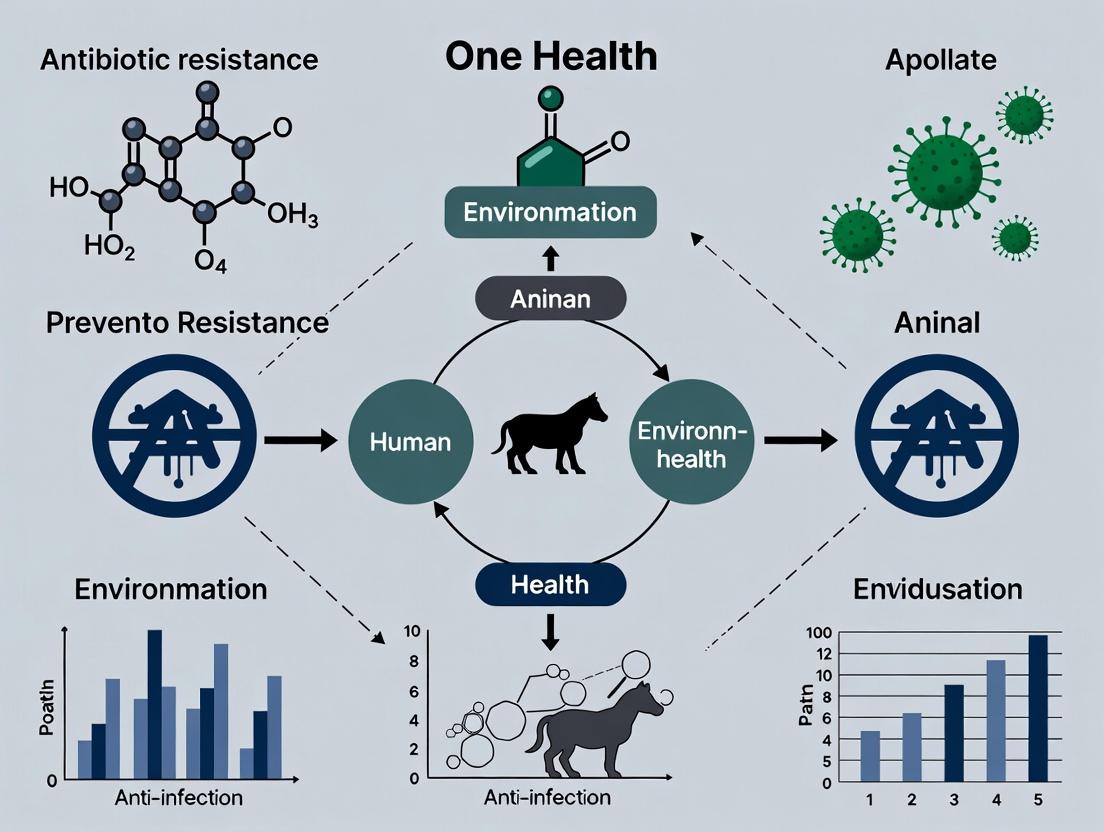
This article provides a comprehensive analysis of the One Health approach as a critical framework for preventing and mitigating antimicrobial resistance (AMR).
Integrating Human, Animal, and Environmental Health: A One Health Framework for Combating Antimicrobial Resistance
Abstract
This article provides a comprehensive analysis of the One Health approach as a critical framework for preventing and mitigating antimicrobial resistance (AMR). Targeted at researchers, scientists, and drug development professionals, it explores the interconnected drivers of AMR across human medicine, veterinary practice, agriculture, and the environment. The scope spans from foundational concepts and surveillance methodologies to practical interventions, optimization of existing strategies, and comparative validation of One Health initiatives. The synthesis offers actionable insights for integrated research and policy development aimed at preserving the efficacy of existing and future antimicrobials.
Understanding the One Health Nexus: The Interconnected Drivers of Antimicrobial Resistance
1. Introduction
The One Health paradigm is a unified, transdisciplinary approach recognizing that the health of humans, domestic and wild animals, plants, and the wider environment (including ecosystems) are inextricably linked. Within the context of combating Antimicrobial Resistance (AMR), this framework is not merely beneficial but essential. AMR genes and resistant bacteria circulate among hosts and environments, driven by interconnected selective pressures from antibiotic use in human medicine, veterinary practice, agriculture, and aquaculture. This whitepaper defines the core principles of One Health and details its operational relevance to AMR research, providing technical guidance for researchers and drug development professionals engaged in this critical field.
2. Core Principles of the One Health Paradigm
The efficacy of the One Health approach rests on several foundational principles:
- Interconnectedness: Explicit acknowledgment that health outcomes in one sector directly or indirectly influence outcomes in others.
- Transdisciplinarity: Integration of knowledge, methods, and expertise from human medicine, veterinary science, environmental science, ecology, epidemiology, sociology, and economics.
- Systems Thinking: Moving beyond linear cause-effect models to understand complex, adaptive systems with feedback loops (e.g., antibiotic use → resistance selection → environmental contamination → human/animal colonization → increased treatment failure).
- Health Equity: Consideration of health disparities and the differential burdens of AMR across communities and geographies.
- Prevention and Preparedness: A focus on surveillance, early warning, and mitigating drivers of resistance at source, rather than solely on reactive measures.
- Sustainability: Designing interventions that are ecologically, economically, and socially sustainable long-term.
3. Quantitative Evidence of AMR Drivers Across One Health Sectors
The following table summarizes key quantitative data from recent global assessments, illustrating the contribution of different sectors to the AMR crisis.
Table 1: Estimated Global Contributions to Antimicrobial Use and Environmental Loading (2020-2023 Estimates)
| Sector | Estimated % of Global Antibiotic Use (By Volume) | Primary Drivers | Key Environmental Pathways |
|---|---|---|---|
| Human Medicine | ~20-30% | Treatment & prophylaxis in healthcare settings. | Wastewater effluent from hospitals & communities. |
| Animal Agriculture (Food-Producing) | ~70-80%* | Growth promotion, disease prevention, & therapy in intensive farming. | Manure application to soil, aquaculture pond effluents. |
| Crop Agriculture | <5% | Management of bacterial diseases in high-value crops. | Runoff from treated fields. |
| Aquaculture | Increasing share | High-density fish/shrimp farming. | Direct discharge into aquatic ecosystems. |
Note: *Figures vary significantly by region, with higher percentages in major food-producing nations. Recent policies (e.g., bans on growth promoters) are shifting these proportions.
4. Methodological Framework for One Health AMR Research
4.1 Integrated Surveillance Protocol
Objective: To track the emergence, prevalence, and flow of AMR genes and bacteria across human, animal, and environmental interfaces.
Protocol Workflow:
- Site Selection: Identify a study landscape (e.g., a community with integrated livestock farming).
- Multi-Matrix Sampling: Collect contemporaneous samples from humans (stool, nares), animals (stool, carcass swabs), and environment (water, soil, manure).
- Standardized Isolation & AST: Isolate target bacteria (e.g., E. coli, Klebsiella spp., Campylobacter) using selective media. Perform antimicrobial susceptibility testing (AST) via broth microdilution (CLSI/EUCAST standards).
- Genomic Characterization: Conduct whole-genome sequencing (WGS) on isolates to identify resistance genes (ARGs), virulence factors, and plasmid types. Perform metagenomic sequencing on complex samples (e.g., wastewater) to assess the resistome.
- Phylogenetic & Mobility Analysis: Use single nucleotide polymorphism (SNP) analysis to infer transmission clusters. Analyze plasmid sequences to assess horizontal gene transfer potential.
- Data Integration: Correlate genomic data with metadata on antibiotic usage, husbandry practices, and clinical outcomes using spatial-statistical models.
Diagram Title: Integrated One Health AMR Surveillance Workflow
4.2 Experimental Protocol for Tracking Plasmid-Mediated AMR Transfer
Objective: To demonstrate the in-situ transfer of resistance plasmids at a human-animal-environment interface.
Protocol:
- Donor and Recipient Strains: Use a environmental E. coli isolate carrying a conjugative, marked plasmid (e.g., with an antibiotic resistance marker and a fluorescent protein gene, like GFP) as the donor. Use a antibiotic-susceptible, differently marked (e.g., RFP) recipient E. coli strain.
- Filter Mating in Complex Media: Mix donor and recipient strains at a defined ratio (e.g., 1:10). Resuspend in filtered water or slurry from the study environment. Capture cells on a sterile membrane filter (0.22µm) and incubate on a non-selective agar plate at relevant environmental temperatures (e.g., 25°C, 37°C) for 4-24 hours.
- Selection and Enumeration: Resuspend the mating mix. Plate serial dilutions onto agar containing antibiotics selective for the recipient's chromosome and the plasmid's marker. Count transconjugant colonies (expressing both markers under fluorescence).
- Transfer Frequency Calculation: Calculate transfer frequency as (number of transconjugants) / (number of recipient cells).
- Ex Vivo Simulation: Repeat the mating experiment using sterilized and raw environmental samples (water, soil extract) as the mating medium to quantify the impact of native microbiota on transfer rates.
5. The Scientist's Toolkit: Key Research Reagent Solutions
Table 2: Essential Materials for One Health AMR Research
| Item | Function & Relevance in One Health AMR Studies |
|---|---|
| Selective & Chromogenic Media (e.g., ESBL Brilliance agar, ChromID CARBA) | Enables selective isolation and preliminary phenotypic identification of resistant bacteria (e.g., ESBL-producers, CRE) from complex, polymicrobial samples (stool, water). |
| Broth Microdilution AST Panels (Customizable 96-well) | Gold-standard for determining Minimum Inhibitory Concentrations (MICs). Crucial for generating comparable resistance data across isolates from different hosts and environments. |
| Metagenomic DNA Extraction Kits (Optimized for soil/fecal/water) | High-yield, inhibitor-free DNA extraction is critical for subsequent shotgun metagenomic sequencing to characterize total resistomes. |
| Long-read Sequencing Reagents (Oxford Nanopore, PacBio) | Enables complete plasmid and mobile genetic element reconstruction, tracing the precise vehicles of ARG transfer across One Health compartments. |
| Barcoded Primers for Multiplexed Amplicon Sequencing (e.g., for 16S rRNA, specific ARGs) | Allows high-throughput, cost-effective profiling of microbial community structure and targeted ARG prevalence across hundreds of samples. |
| Plasmid Curing Agents (e.g., SDS, acridine orange, plasmid-specific CRISPR-cas systems) | To confirm the phenotypic and fitness cost contribution of specific plasmids to AMR in isolated strains. |
| Strain Marking Systems (Fluorescent proteins, chromosomal antibiotic markers) | Essential for tracking specific bacterial strains or plasmids in controlled mating experiments or microcosm studies simulating environmental transfer. |
6. Conclusion
Defining and implementing the One Health paradigm is a technical and operational imperative for containing AMR. Its core principles guide the design of integrated surveillance, sophisticated molecular tracing of resistance mechanisms, and the evaluation of interventions that account for interconnected drivers. For researchers and drug developers, this approach identifies critical control points—such as environmental hotspots for gene transfer or agricultural use practices—that must be addressed alongside human clinical use to preserve the efficacy of existing and future antimicrobial agents. Success requires sustained transdisciplinary collaboration, standardized methodologies, and shared data infrastructures across all health sectors.
Antimicrobial resistance (AMR) represents a quintessential One Health challenge. The transmission cycle of resistant bacteria and resistance genes connects human medicine, animal agriculture, and environmental reservoirs, driven by complex ecological and evolutionary pressures. Containing AMR requires a holistic understanding of these interconnected pathways to inform targeted interventions. This whitepaper details the technical frameworks and experimental methodologies essential for mapping and interrupting the AMR transmission cycle across One Health compartments.
Table 1: Estimated Annual Flux of Key Antibiotic Classes and Resistant Bacteria in a Model High-Income Country System
| Parameter | Human Population | Livestock (Poultry/Swine) | Aquaculture | Environmental Compartment (Water/Soil) | Primary Measurement Method |
|---|---|---|---|---|---|
| Total Antibiotic Use (tons/year) | 5-15 | 50-200 | 1-10 (per km² coastal area) | N/A (Receiving compartment) | Sales/Procurement Data, Modelling |
| Selection Pressure (µg/kg/day) | Varies by drug | 10-250 (growth promotion/therapy) | 5-50 (prophylaxis) | 0.1-10 (in effluent-receiving waters) | Mass Balance & PK/PD Modelling |
| Prevalence of ESBL-E in Commensals (%) | 5-15% | 20-80% (broilers) | 10-30% (fish gut) | 1-60% (WWTP effluent) | Selective Culture & PCR |
| Horizontal Gene Transfer Rate (events/cell/day) | 10⁻⁵ - 10⁻³ (in gut) | 10⁻⁴ - 10⁻² (in gut) | 10⁻⁵ - 10⁻³ (in biofilms) | 10⁻⁷ - 10⁻⁴ (in water/sediment) | Conjugation Assay, Plasmid Capture |
| Key Driver Resistance Genes | blaCTX-M-15, blaNDM, mcr-1 | blaCTX-M-1, tet(M), erm(B) | floR, qnrS, sul1 | intI1 (Class 1 integron), blaTEM, sul2 | Metagenomic Sequencing |
Core Experimental Protocols for Tracking AMR Transmission
Protocol: Longitudinal One Health Surveillance Using Metagenomics
Objective: To characterize the resistome and mobilome dynamics across interconnected hosts and environments.
- Sample Collection: Synchronized collection of human stool (hospital/community), livestock manure, aquaculture water/sediment, and receiving surface water/soil. Preserve in DNA/RNA shield buffer.
- DNA Extraction & Library Prep: Use bead-beating mechanical lysis for robust cell disruption. Prepare paired-end libraries (Illumina 2x150bp) and long-read libraries (Oxford Nanopore) for hybrid assembly.
- Bioinformatic Analysis:
- Resistome: Align reads to curated ARG databases (CARD, ResFinder).
- Mobilome: Identify plasmids (PlasmidFinder), integrons (IntegronFinder), and insertion sequences (ISfinder).
- Strain Tracking: Use SNP-calling from core genome alignments or hicAB clustering to link bacterial clones across compartments.
- Phylogenetic Analysis: Construct maximum-likelihood trees for specific ARG alleles to infer transmission directionality.
Protocol:In SituConjugation Assay to Measure Horizontal Gene Transfer (HGT) Potential
Objective: Quantify the transfer frequency of mobile genetic elements (MGEs) in natural matrices (e.g., manure, wastewater).
- Donor & Recipient Strains: Engineer donor E. coli with a mobilizable plasmid carrying an ARG (e.g., blaCTX-M-15) and a chromosomal counterselection marker (e.g., rpsL mutation for streptomycin sensitivity). Use a rifampicin-resistant, plasmid-free recipient (e.g., E. coli or Salmonella spp.).
- Matrix Incubation: Mix donor and recipient at a 1:10 ratio in the natural matrix (e.g., 1g manure in 5mL PBS). Include abiotic and sterile matrix controls.
- Selection & Quantification: After 24h incubation at ambient temperature, plate serial dilutions on agar containing antibiotics selective for transconjugants (e.g., rifampicin + cefotaxime). Calculate transfer frequency as transconjugants per recipient.
Protocol: Microcosm Experiment to Model AMR Evolution and Spread
Objective: Simulate the impact of antibiotic pulses on resistance selection and transfer in a controlled multi-compartment system.
- Setup: Establish interconnected bioreactors representing: a) Animal Gut Simulator (continuous culture), b) Manure/Lagoon, c) Water/Sediment Column.
- Inoculation: Seed with complex microbial communities from respective sources. Introduce a traceable, mobilizable ARG plasmid.
- Intervention: Apply sub-therapeutic antibiotic pulses (e.g., tetracycline, 10 µg/L) to the "gut" compartment.
- Monitoring: Sample periodically for qPCR quantification of ARG absolute abundance (blaTEM, tetW), 16S rRNA for community structure, and plasmid sequencing to track recombination events.
Visualization of AMR Transmission Pathways and Methodologies
Diagram Title: The One Health AMR Transmission Cycle and Key Drivers
Diagram Title: Metagenomic Surveillance Workflow for AMR Tracking
The Scientist's Toolkit: Key Research Reagent Solutions
Table 2: Essential Reagents and Materials for AMR Transmission Research
| Item | Function/Application | Example Product/Note |
|---|---|---|
| DNA/RNA Shield Buffer | Preserves nucleic acid integrity in field samples during transport/storage. Inhibits nuclease activity. | Zymo Research DNA/RNA Shield, Norgen's Stool Stabilizer. |
| Mobius or similar Bioreactor | For establishing continuous culture gut or wastewater microcosms to simulate selection pressures. | Eppendorf Mobius; allows precise control of pH, feeding, and gas. |
| Selective Media Plates | For isolating and quantifying specific resistant phenotypes from complex communities. | CHROMagar ESBL, Brilliance CRE Agar, MacConkey with cefotaxime. |
| Propidium Monoazide (PMA) | Differentiates between extracellular DNA and DNA from viable/intact cells in qPCR assays. | PMAxx (Biotium). Critical for assessing true transmission risk. |
| Conjugative Plasmid Kit | Standardized, traceable plasmids for HGT frequency assays. | RK2 or RP4-derived plasmids with fluorescent/antibiotic markers. |
| High-Fidelity PCR Mix | For accurate amplification of resistance genes for cloning or sequencing. | Q5 High-Fidelity (NEB), Platinum SuperFi II (Thermo Fisher). |
| Metagenomic Sequencing Kit | Preparation of sequencing libraries from low-input or degraded environmental DNA. | Illumina DNA Prep, Nextera XT; Nanopore Rapid Barcoding. |
| CRISPR-Cas9 Counterselection System | For precise editing of bacterial chromosomes to create marked donor/recipient strains. | pCas9/pTargetF system for E. coli and related species. |
| LC-MS/MS Grade Solvents | For quantifying antibiotic residues and their metabolites in environmental/biotic samples. | Essential for mass spectrometry-based exposomics. |
This whitepaper, framed within the One Health thesis, provides a technical analysis of the projected health and economic burdens of antimicrobial resistance (AMR). Synthesizing current data and methodologies, it aims to equip researchers and drug development professionals with quantitative frameworks and experimental protocols essential for modeling and combating AMR.
Current Global Burden: Quantitative Synthesis
The following tables consolidate the most recent estimates from systematic analyses and modeling studies.
Table 1: Projected Annual Global Mortality Attributable to AMR
| Region/Country | Estimated Deaths (2035) | Estimated Deaths (2050) | Primary Resistant Pathogens |
|---|---|---|---|
| Global Aggregate | ~1.5 million | ~10 million | E. coli, S. aureus, K. pneumoniae, A. baumannii |
| Sub-Saharan Africa | 780,000 | 4,150,000 | S. pneumoniae, K. pneumoniae, E. coli |
| South Asia | 470,000 | 2,400,000 | E. coli, M. tuberculosis, K. pneumoniae |
| High-Income Countries | 150,000 | 390,000 | E. coli, S. aureus, K. pneumoniae |
Table 2: Projected Cumulative Economic Impact of Unchecked AMR (2020-2050)
| Model Scenario | Estimated GDP Loss (USD) | Key Driver Assumptions |
|---|---|---|
| High-Impact | $100 - $210 Trillion | High resistance growth, low R&D pipeline yield |
| Baseline (Current Trajectory) | $60 - $100 Trillion | Current resistance trends, modest new drug approvals |
| Low-Impact | ~$20 Trillion | Successful stewardship & rapid novel therapeutic rollout |
Core Methodologies for Burden Quantification and AMR Research
This section details experimental and computational protocols central to generating the data underpinning burden estimates.
Protocol:Microbial Population Genomics for AMR Surveillance
Objective: To identify and track resistance gene alleles and their horizontal gene transfer within and between One Health reservoirs (human, animal, environment). Workflow:
- Sample Collection & Metagenomic DNA Extraction: Use kits (e.g., Qiagen PowerSoil Pro) for complex samples (feces, soil, wastewater). For isolates, use standard bacterial culture and lysis protocols.
- Whole Genome Sequencing (WGS): Prepare libraries (e.g., Illumina Nextera XT). Sequence on Illumina NextSeq 2000 for short-read data. For high-resolution plasmid tracking, supplement with Oxford Nanopore MinION for long-reads.
- Bioinformatic Analysis:
- Quality Control & Assembly: Use FastQC, Trimmomatic, and SPAdes assembler.
- AMR Gene Identification: Align contigs to curated databases (e.g., ResFinder, CARD, MEGARes) using ABRicate.
- Plasmid & Mobile Genetic Element (MGE) Detection: Use tools like MOB-suite and PlasmidFinder.
- Phylogenetic Analysis: Construct core-genome phylogenies using Snippy and IQ-TREE to infer transmission pathways.
Diagram 1: AMR Genomic Surveillance Workflow
Protocol:In Vitro Dynamic Kinetic Model of Resistance Evolution
Objective: To simulate pharmacodynamic (PD) pressure and quantify the emergence rate of resistance under varying antibiotic regimens. Workflow:
- Chemostat Setup: Use a bioreactor (e.g., DASGIP parallel system) with a working volume of 400 mL. Maintain constant temperature (37°C) and pH (7.2).
- Inoculum & Media: Inoculate with a defined colony of target pathogen (e.g., Pseudomonas aeruginosa PAO1). Use cation-adjusted Mueller Hinton Broth.
- Antibiotic Infusion: Program syringe pumps to deliver antibiotic (e.g., meropenem) in bolus or continuous infusion patterns, mimicking human PK profiles.
- Time-Series Sampling: Automatically sample from the chemostat every 30 minutes for 24-48h.
- Analysis:
- Viable Counts: Plate serial dilutions on antibiotic-containing and plain agar to enumerate total and resistant subpopulations.
- Model Fitting: Fit PD data to a modified Hill equation and mutation rate models using software like NONMEM or R.
Diagram 2: Dynamic Kinetic Model of Resistance
The Scientist's Toolkit: Research Reagent Solutions
Table 3: Essential Reagents & Materials for Core AMR Research
| Item | Function & Application | Example Product/Catalog |
|---|---|---|
| Chromogenic Agar | Selective isolation and presumptive ID of ESBL, CRE, MRSA, and VRE from complex samples. | CHROMagar ESBL, ChromID CARBA SMART |
| Mueller Hinton Broth, Cation-Adjusted | Standardized medium for broth microdilution MIC testing, ensuring accurate cation concentrations. | Becton Dickinson 212322 |
| Check-MDR CT103 XL Microarray | Rapid multiplex PCR-based detection of prevalent ESBL, carbapenemase, and plasmid-mediated colistin resistance genes. | Check-Points Health CT103XL |
| Liofilchem MIC Test Strips | Gradient diffusion method for determining MICs of antibiotics against bacterial isolates. | Liofilchem MTS for novel compounds |
| HyperCel STAR AX Sorbent | Chromatography resin for the purification of novel antimicrobial peptides (AMPs) and antibodies during downstream processing. | Cytiva 17505701 |
| Biolog GEN III MicroPlate | Phenotypic metabolic fingerprinting of bacterial isolates for strain characterization and tracking. | Biolog 1030 |
| PBS, pH 7.4 (1X), Gibco | General-purpose buffer for cell washing, sample dilution, and as a diluent in immunoassays. | Thermo Fisher 10010023 |
| Human Liver Microsomes, Pooled | In vitro metabolism studies to assess potential drug-drug interactions and metabolism of novel antimicrobials. | Corning 452117 |
| CryoStor CS10 Freeze Medium | Cryopreservation medium for long-term, high-viability storage of bacterial isolate libraries and engineered cell lines. | StemCell Technologies 07930 |
One Health Integrative Modeling Framework
A predictive systems model is required to translate experimental and surveillance data into global burden estimates. The core logical structure integrates components across the One Health spectrum.
Diagram 3: One Health AMR Burden Modeling Framework
Antibiotic resistance (AMR) is a quintessential One Health challenge, with its emergence and dissemination inextricably linked across human, animal, and environmental interfaces. This technical guide deconstructs the three primary anthropogenic drivers—clinical misuse, agricultural overuse, and environmental pollution—that fuel the AMR crisis. Effective mitigation requires integrated research strategies that quantify contributions from each sector and elucidate the complex pathways of resistance gene flow.
Quantitative Analysis of Driver Contributions
Table 1: Estimated Annual Antibiotic Consumption and Key Resistance Metrics by Sector (Global Estimates)
| Sector | Estimated Consumption (tonnes) | Key Resistance Indicators | Estimated Deaths Attributable to AMR (Annual) | Primary Selection Pressure Environments |
|---|---|---|---|---|
| Human Clinical | 70,000 - 90,000 | ESBL-E. coli, MRSA, Carbapenem-resistant Acinetobacter | ~1.27 million (direct) | Hospitals, long-term care facilities, community. |
| Agricultural (Livestock) | 100,000 - 130,000 | Colistin-resistant (mcr-1) Enterobacteriaceae, Extended-spectrum β-lactamases (ESBLs) in zoonotic pathogens. | Linked via foodborne and environmental transmission. | Intensive farming (poultry, swine, aquaculture), prophylactic and growth promotion use. |
| Environmental Pollution | N/A (Receiving compartment) | Abundance of intI1 (integron) and blaNDM-1 (carbapenemase) genes in water and soil. | Indirect, but critical for dissemination. | Wastewater treatment plants, pharmaceutical effluent, agricultural runoff, contaminated soil. |
Table 2: Key Experimental Findings on Cross-Sectoral Gene Transfer
| Study Focus | Experimental System | Key Finding | Implication for One Health |
|---|---|---|---|
| Plasmid Transfer in WWTPs | Laboratory-scale activated sludge reactors inoculated with clinical and livestock isolates. | High-frequency conjugation of IncI1 and IncF plasmids carrying blaCTX-M-15 between human and animal E. coli strains. | WWTPs are evolutionarily significant "hotspots" for the creation of multi-drug resistant hybrids. |
| Soil Microcosm Selection | Agricultural soil amended with sub-inhibitory concentrations of tetracycline or manure from treated livestock. | 200-500% increase in detectable tet(M) and sul1 gene copies; persistence >6 months. | Even low-level environmental contamination exerts prolonged selection, maintaining resistant reservoirs. |
Detailed Experimental Protocols for One Health AMR Research
Protocol: Tracking Plasmid-Mediated Resistance Flow from Farm to Clinic
Objective: To demonstrate the direct genetic link between resistance plasmids in livestock-associated bacteria and human clinical isolates. Workflow:
- Sample Collection: Isolate E. coli or Klebsiella spp. from livestock feces (farm), retail meat (market), and human bloodstream infections (hospital) within a defined geographical region.
- Phenotypic Screening: Conduct AST using CLSI/EUCAST guidelines for a panel including 3rd/4th gen. cephalosporins, carbapenems, and colistin.
- Whole Genome Sequencing: Perform Illumina NovaSeq 6000 sequencing (150bp paired-end) on all resistant isolates. Perform hybrid assembly (Unicycler) for isolates suspected of harboring plasmids.
- Plasmid Analysis: Use MOB-suite for plasmid reconstruction and typing. Perform pangenome analysis (Roary) and SNP calling (Snippy) on chromosomal cores to rule out clonal spread.
- Conjugation Assay: Use filter-mating experiments. Donor: mcr-1-positive animal isolate. Recipient: antibiotic-susceptible, rifampicin-resistant E. coli J53. Select on agar containing sodium azide + colistin.
- Data Integration: Construct a phylogenetic network (PopART) integrating plasmid and chromosomal data to visualize horizontal gene transfer events.
Diagram Title: Workflow for Tracing Cross-Sector Plasmid Flow
Protocol: Quantifying Selection Pressure in Polluted Aquatic Environments
Objective: To measure the impact of pharmaceutical effluent on AMR gene abundance and diversity in river biofilms. Workflow:
- Site & Sampler Deployment: Deploy artificial substrata (sterile glass slides) upstream and downstream of a known wastewater treatment plant (WWTP) effluent discharge point for 28 days to allow biofilm formation.
- Metagenomic DNA Extraction: Scrape biofilm biomass. Use a standardized kit (e.g., DNeasy PowerBiofilm) with bead-beating for mechanical lysis. Include extraction controls.
- Quantitative Analysis:
- qPCR: Quantify absolute abundance of 16S rRNA gene, integron-integrase gene (intI1), and specific ARGs (sul1, blaNDM, tetA). Use standard curves from cloned amplicons.
- Shotgun Metagenomics: Sequence DNA on Illumina platform (~10 Gb per sample). Use tools like ShortBRED to identify and quantify ARGs against curated databases (CARD, ResFinder).
- Functional Metagenomics: Clone environmentally derived DNA into a fosmid vector, transform into E. coli, and screen on agar supplemented with antibiotics (e.g., cefotaxime 2 µg/mL). Sequence positive clones to identify novel resistance determinants.
- Correlation with Pollutants: Perform LC-MS/MS on water samples to quantify antibiotic and biocide concentrations. Conduct multivariate statistical analysis (RDA, Mantel test) to link chemical pollutants to ARG profiles.
Diagram Title: Environmental AMR Selection Pressure Assessment Workflow
The Scientist's Toolkit: Key Research Reagent Solutions
Table 3: Essential Reagents and Materials for One Health AMR Research
| Item | Function & Application | Example/Product Note |
|---|---|---|
| ChromID CARBA Smart Agar | Selective chromogenic medium for rapid detection and differentiation of carbapenemase-producing Enterobacterales. Essential for clinical and environmental surveillance. | bioMérieux |
| Mobilome Capture Kit | Hybridization-based system for enriching plasmid DNA from bacterial isolates or metagenomes prior to sequencing. Critical for capturing complete plasmid sequences. | PlasmidSafe |
| Simulated Wastewater Matrix | Standardized synthetic wastewater for controlled microcosm experiments to study AMR evolution under defined conditions. | ISO 11733 compliant formulations. |
| Broad-Host-Range Conjugation Strain | Engineered, traceable recipient strain (e.g., E. coli MT102 with chromosomally integrated RFP and antibiotic markers) for standardized conjugation assays. | E. coli MT102 (RFP, RifR) |
| CRISPR-Cas9 Plasmid Knockout System (pKO) | For targeted gene knockout in diverse Gram-negative isolates to confirm gene function in resistance phenotypes observed in field isolates. | pKO plasmid series with customizable gRNA. |
| Passive Samplers (POCIS, Chemcatcher) | For time-integrated sampling of antibiotics and other pollutants in water bodies, providing a more accurate picture of exposure than grab samples. | Suitable for polar organic chemicals. |
| High-Fidelity Long-Range PCR Kit | To amplify and sequence entire resistance operons or cassette arrays from integrons and transposons for genetic context analysis. | PrimeSTAR GXL DNA Polymerase |
| Antibiotic Proficiency Testing Panels | Certified reference panels for validating antimicrobial susceptibility testing (AST) systems across human and veterinary diagnostic labs. | EUCAST Development Laboratory panels. |
Within the One Health paradigm, antimicrobial resistance (AMR) is a quintessential challenge that transcends human, animal, and environmental boundaries. This whitepaper examines three critical and interconnected amplifiers of AMR spread: wastewater systems, wildlife interfaces, and climate change. These environmental reservoirs and drivers facilitate the evolution, persistence, and dissemination of antibiotic resistance genes (ARGs) and resistant bacteria, presenting complex challenges for global health. Understanding these pathways is essential for developing integrated surveillance and mitigation strategies.
Wastewater: The Engineered Reservoir
Municipal, hospital, and agricultural wastewater systems are prolific mixing vessels for antimicrobials, resistant bacteria, and mobile genetic elements.
Quantitative Data on Wastewater AMR
Table 1: Prevalence of Key ARGs and Antibiotics in Global Wastewater Effluents
| Parameter | Typical Concentration Range in Raw Influent | Common Detection Method | Notes |
|---|---|---|---|
| blaCTX-M (ESBL gene) | 10^4 - 10^8 gene copies/L | qPCR | Dominant ESBL gene in human wastewater globally. |
| mcr-1 (colistin resistance) | 10^3 - 10^6 gene copies/L | qPCR | Linked to agricultural and livestock waste. |
| sul1 (sulfonamide resistance) | 10^7 - 10^10 gene copies/L | Metagenomics | Often used as a marker for anthropogenic impact. |
| Ciprofloxacin | 0.1 - 250 µg/L | LC-MS/MS | Fluoroquinolone; persists through treatment. |
| Tetracycline | 0.5 - 100 µg/L | LC-MS/MS | High levels near animal production facilities. |
| Carbapenemase-producing Enterobacteriaceae (CPE) | 10^2 - 10^4 CFU/L | Selective Culturing | Critical threat; hospital wastewater hotspot. |
Experimental Protocol: Tracking ARG Fate in Wastewater Treatment
Title: Protocol for Quantifying ARG Removal Across Treatment Stages.
Objective: To measure the abundance and longitudinal change of target ARGs and integrons through a wastewater treatment plant (WWTP) process.
Materials:
- Sample Collection: Grab or composite samples from influent, primary clarifier effluent, activated sludge (aerobic/anaerobic), secondary effluent, and final effluent post-disinfection.
- Filtration Apparatus: Sterile vacuum filtration system with 0.22µm polyethersulfone membranes.
- DNA Extraction Kit: DNeasy PowerWater Kit (QIAGEN) for filtered biomass.
- qPCR Master Mix: Commercial SYBR Green or TaqMan master mix.
- Primers/Probes: Validated primer sets for target ARGs (e.g., blaNDM-1, mcr-1, intI1), and 16S rRNA gene for normalization.
- qPCR Instrument: Real-time PCR system.
Procedure:
- Sample Processing: Filter 100-500 mL of each wastewater sample. Extract total genomic DNA from the filter.
- qPCR Assay: Perform triplicate qPCR reactions for each target gene and the 16S rRNA reference gene. Include negative controls (no-template) and standard curves (serial dilutions of plasmid DNA containing the target sequence).
- Data Analysis: Calculate absolute gene copy numbers from standard curves. Normalize ARG copy numbers to 16S rRNA gene copies to determine relative abundance. Calculate log removal values between treatment stages: Log Removal = -log10(Cout / Cin).
Wastewater AMR Pathway Diagram
Diagram Title: AMR Cycle Through Wastewater Systems.
Wildlife: The Mobile Vectors
Wildlife, particularly birds and migratory species, act as bio-vectors, transporting resistant bacteria across vast geographical and ecological boundaries.
Quantitative Data on Wildlife AMR Carriage
Table 2: AMR Prevalence in Key Wildlife Species
| Wildlife Group | Sample Type | Key Resistant Bacteria / ARGs Isolated | Prevalence Range (%) | Primary Exposure Route |
|---|---|---|---|---|
| Gulls & Waterfowl | Cloacal / Fecal | ESBL E. coli, Campylobacter spp. | 5-60% | Contaminated landfills, wastewater ponds. |
| European Starlings | Fecal | MRSA, blaCTX-M E. coli | 10-30% | Agricultural facilities (farms, feedlots). |
| Wild Boar | Fecal, Nasal | ESBL E. coli, CC398 MRSA | 20-70% | Environmental foraging, human interface. |
| Bats | Guano | Multi-drug resistant Pseudomonas | 15-40% | Unknown; possibly environmental water. |
| Urban Rodents | Cecal | sul, tet genes, Carbapenemase genes | 40-80% | Urban waste and sewage systems. |
Experimental Protocol: Wildlife AMR Surveillance
Title: Protocol for Cross-Sectional AMR Surveillance in Wildlife Populations.
Objective: To isolate, identify, and characterize antimicrobial-resistant bacteria from wild animal fecal samples.
Materials:
- Sample Collection: Sterile swabs for fresh fecal droppings. Transport in Amies or Stuart medium.
- Selective Media: CHROMagar ESBL, CHROMagar mSuperCARBA, MacConkey agar with cefotaxime (1µg/mL) or ciprofloxacin (0.5µg/mL).
- Automated ID & AST System: VITEK 2 or MALDI-TOF for species identification; Broth microdilution panels for MIC determination (EUCAST/CLSI guidelines).
- PCR Reagents: For ARG confirmation (blaCTX-M, blaNDM, mcr-1).
- Molecular Typing: PFGE or cgMLST reagents for clonal relationship analysis.
Procedure:
- Sample Processing: Enrich swabs in LB broth with target antibiotic for 18h at 37°C.
- Selective Plating: Plate enrichment broth onto selective agars. Incubate 24-48h.
- Phenotypic Screening: Pick morphologically distinct colonies. Confirm resistance phenotype using disk diffusion or initial AST.
- Genotypic Confirmation: Extract DNA from pure colonies. Perform multiplex PCR for common ARGs.
- Data Integration: Correlate AMR findings with species data, GPS location, and proximity to human/agricultural AMR sources.
Climate Change: The Amplifying Driver
Climate change exacerbates AMR spread through increased temperatures, extreme weather events, and altered ecological dynamics.
Quantitative Data on Climate-AMR Links
Table 3: Documented Correlations Between Climate Factors and AMR Indicators
| Climate Driver | Observed Effect on AMR/Bacteria | Reported Correlation Strength | Proposed Mechanism |
|---|---|---|---|
| Increased Temperature | Rise in antibiotic-resistant infections (per 10°C increase) | +2-4% for common pathogens | Enhanced bacterial growth rates, HGT efficiency, and selection pressure. |
| Extreme Precipitation/Flooding | 2-5 fold increase in clinical ARG detection post-event | Strong temporal association | Mobilization of environmental ARGs from soils/waste into water systems. |
| Drought | Increased ARG concentration in rivers | R² ~0.7 in some studies | Reduced dilution, higher pollutant concentration, wildlife congregation at water points. |
| Sea Surface Warming | Spread of Vibrio spp. (including resistant strains) | Poleward expansion ~48 km/decade | Expanded ecological niche for bacterial hosts. |
Experimental Protocol: Measuring Temperature Effects on Horizontal Gene Transfer (HGT)
Title: In Vitro Conjugation Assay Under Variable Temperature Conditions.
Objective: To quantify the effect of temperature on plasmid-mediated conjugation frequency between donor and recipient bacteria.
Materials:
- Bacterial Strains: Donor strain: E. coli carrying a conjugative plasmid with ARG (e.g., RP4 with blaTEM) and a selectable marker (e.g., kanamycin resistance). Recipient strain: Rifampicin-resistant, plasmid-free E. coli.
- Growth Media: LB broth and LB agar.
- Antibiotics: Kanamycin, Rifampicin, and appropriate antibiotics for counterselection.
- Temperature-Controlled Incubators/Shakers: Set at gradient temperatures (e.g., 20°C, 25°C, 30°C, 37°C, 40°C).
Procedure:
- Culture Preparation: Grow donor and recipient strains overnight at 37°C in LB with appropriate antibiotics.
- Conjugation: Mix donor and recipient cells at a 1:1 ratio (by OD600) in antibiotic-free LB. Incubate the mating mixture statically for 2 hours at each target temperature.
- Plating and Selection: Perform serial dilutions of the mixture. Plate onto: i) LB + Kanamycin (donor count), ii) LB + Rifampicin (recipient count), iii) LB + Kanamycin + Rifampicin (transconjugant count).
- Calculation: Conjugation Frequency = (Number of transconjugants) / (Number of recipients). Plot frequency against temperature.
Climate-AMR Interaction Diagram
Diagram Title: Climate Change Amplification of AMR Pathways.
The Scientist's Toolkit: Research Reagent Solutions
Table 4: Essential Reagents and Materials for Environmental AMR Research
| Item Name | Function | Example Product / Specification |
|---|---|---|
| Polyethersulfone (PES) Filters | Concentration of bacterial biomass from large water volumes for metagenomics or culture. | 0.22µm pore size, 47mm diameter, sterile. |
| PowerWater DNA Isolation Kit | Extraction of high-quality metagenomic DNA from complex environmental water and biofilm samples. | QIAGEN DNeasy PowerWater Kit. |
| CHROMagar ESBL | Selective and differential chromogenic medium for direct cultivation of ESBL-producing Enterobacteriaceae. | CHROMagar Orientation base with ESBL supplement. |
| CARBA Smart | Rapid phenotypic test for detection of carbapenemase activity directly from bacterial colonies. | NG Biotech CARBA Smart. |
| HT-qPCR Array for ARGs | High-throughput quantification of hundreds of ARGs and mobile genetic elements from DNA samples. | WaferGen SmartChip for ARGs. |
| INTEGRALL Database & Primers | Reference database and validated primers for integrons and gene cassettes, key to HGT studies. | Publicly available database (integrall.bio.ua.pt). |
| MiSeq Reagent Kit v3 (600-cycle) | For high-throughput sequencing of 16S rRNA amplicons or metagenomic libraries to profile microbial and resistome composition. | Illumina MiSeq Reagent Kit v3. |
| Rifampicin & Nalidixic Acid (Counter-Selective) | For preparing recipient strains in conjugation experiments (HGT assays). | Laboratory-grade antibiotics for microbiology. |
The interconnected threats posed by wastewater systems, wildlife vectors, and climate change create a formidable nexus for AMR propagation within the One Health continuum. Addressing this requires integrated surveillance that combines advanced environmental sampling, genomic tools, and ecological modeling. Mitigation must include engineering solutions for wastewater treatment, policies to limit environmental discharge of antimicrobials, and global climate action. Future research must prioritize transdisciplinary collaboration to decipher transmission dynamics and develop pre-emptive interventions across these converging fronts.
Building a Unified Defense: Methodologies and Applied Strategies for One Health AMR Prevention
Within the One Health paradigm for mitigating antimicrobial resistance (AMR), integrated surveillance systems represent the critical informatics backbone. These systems unify genomic epidemiology with cross-sectoral data sharing across human, animal, and environmental reservoirs. This technical guide details the core components, protocols, and analytical frameworks required to establish a functional, interoperable surveillance infrastructure for AMR research and intervention.
Core Components of an Integrated AMR Surveillance System
Genomic Epidemiology Infrastructure
This component involves the sequencing, analysis, and interpretation of pathogen genomes to track AMR gene dissemination.
Key Quantitative Benchmarks for System Performance
Table 1: Performance Metrics for Genomic Surveillance Pipelines
| Metric | Target Benchmark | Typical Range (Current Platforms) |
|---|---|---|
| Sequencing Turnaround Time (Sample to Report) | < 72 hours | 48 hours - 7 days |
| Mean Read Depth for AMR Detection | > 50x | 30x - 100x |
| Minimum Genomic Coverage | > 95% | 90% - 99.5% |
| Accuracy of AMR Gene Prediction | > 99% | 95% - 99.9% |
| Cost per Isolate (WGS) | < $100 | $80 - $200 |
Cross-Sectoral Data Sharing Framework
A federated data architecture that links human clinical, veterinary, agricultural, and environmental metadata with genomic data using standardized ontologies.
Table 2: Essential Data Types and Standards for Cross-Sectoral Sharing
| Data Category | Key Variables | Required Standards / Ontologies |
|---|---|---|
| Genomic | Raw reads, Assemblies, MLST, AMR genes, SNPs | FASTQ, FASTA, INSDC, NCBI AMRFinderPlus, SnpEff |
| Clinical/Veterinary | Host species, specimen type, date, location, antimicrobial susceptibility test (AST) results | SNOMED CT, LOINC, ICD-11, WHONET, CLSI/EUCAST breakpoints |
| Environmental | Sample source (water, soil), geocoordinates, collection method, physicochemical data | ENVO, GeoNames |
| Antimicrobial Use | Drug name, dose, duration, treatment indication, sector (human/animal) | ATCvet/ATC, DDDAg |
Detailed Methodological Protocols
Protocol I: End-to-End Workflow for Integrated AMR Surveillance
Title: Harmonized Sample Processing, Sequencing, and Data Integration for One Health AMR Surveillance.
Objective: To generate comparable, high-quality genomic and epidemiological data from diverse One Health sectors.
Materials: See "The Scientist's Toolkit" (Section 5).
Procedure:
Sample Collection & Metadata Annotation:
- Collect isolates (e.g., E. coli, K. pneumoniae, Salmonella spp.) from pre-defined human, animal, and environmental sites.
- Annotate each sample with core metadata using a standardized electronic form (e.g., based on the WHO GLASS AMR module). Critical fields: Unique ID, Collection Date, GPS Coordinates, Source (Human/Animal/Environment), Host Species, Sample Type.
Culture & AST:
- Culture isolates on appropriate selective/media following CLSI guidelines M02-A13.
- Perform phenotypic AST via broth microdilution (CLSI M07) or automated systems. Test a panel relevant to the isolate (e.g., beta-lactams, fluoroquinolones, colistin).
Genomic DNA Extraction & Library Prep:
- Extract high-molecular-weight DNA using a kit optimized for bacterial genomes (e.g., Qiagen DNeasy Blood & Tissue).
- Quantify DNA using fluorometry (Qubit). Prepare sequencing libraries using a tagmentation-based kit (e.g., Illumina DNA Prep) for short-read or a ligation-based kit (e.g., SQK-LSK114) for long-read sequencing.
Whole Genome Sequencing (WGS):
- Sequence using an Illumina MiSeq/NextSeq platform (2x150 bp) for short-read or Oxford Nanopore Technologies (ONT) MinION/PromethION for long-read.
- Quality Control: Achieve Q30 score > 85% for Illumina; mean read quality score > 15 for ONT.
Bioinformatic Analysis:
- Quality Trimming: Use
fastp(v0.23.2) for short-read orPorechopandFiltlongfor long-read. - Assembly: Use
SPAdes(v3.15.5) for Illumina-only orFlye(v2.9.2) followed byPilonpolishing for hybrid assemblies. - AMR & Typing: Identify AMR genes and point mutations using
ABRicateagainst CARD and NCBI AMRFinderPlus databases. Perform MLST usingmlst(PubMLST schemes). - Phylogenetics: Generate a core genome alignment with
Snippy(v4.6.0). Construct a maximum-likelihood phylogeny withIQ-TREE(v2.2.0) using a GTR+F+I model and 1000 ultrafast bootstraps.
- Quality Trimming: Use
Data Integration & Sharing:
- Compile genomic findings (AMR genes, ST) with AST and metadata into a single structured table.
- Upload raw sequence reads to public repository (NCBI SRA, ENA) under a BioProject.
- Submit standardized, anonymized isolate records to a shared surveillance platform (e.g., WHO GLASS, EARS-Net, NARMS) or a custom, interoperable data lake.
Integrated AMR Surveillance Workflow
Protocol II: Data Harmonization and Federated Analysis
Title: Implementing a Federated Data Analysis Node for Privacy-Preserving Surveillance.
Objective: To enable cross-institutional analysis without centralizing sensitive raw data.
Procedure:
- Local Node Setup: Each participating institution (hospital, vet lab, env. agency) establishes a local analysis node with a containerized pipeline (e.g., using Docker/Singularity).
- Common Data Model: Each node maps its local data to a common OMOP CDM or a custom schema agreed upon by the consortium.
- Federated Query: A central coordinator sends analysis scripts (e.g., in R/Python) to each node. These scripts execute locally against the harmonized data.
- Aggregated Results: Only aggregated, non-identifiable results (e.g., summary statistics, model coefficients, allele frequencies) are returned to the central server for synthesis and interpretation.
Federated Data Sharing Architecture
Signaling Pathways in AMR Gene Regulation and Detection Logic
Understanding the genetic regulation of resistance is key to predicting phenotype from genotype.
AMR Gene Regulation & Bioinformatic Detection Logic
The Scientist's Toolkit: Research Reagent Solutions
Table 3: Essential Reagents and Materials for Integrated AMR Surveillance
| Item Name (Example) | Category | Function in Protocol |
|---|---|---|
| Qiagen DNeasy Blood & Tissue Kit | DNA Extraction | Purifies high-quality, PCR-inhibitor-free genomic DNA from bacterial cultures. |
| Illumina DNA Prep Tagmentation Kit | Library Prep | Fast, integrated tagmentation-based library construction for Illumina sequencing. |
| Oxford Nanopore Ligation Sequencing Kit (SQK-LSK114) | Library Prep | Prepares genomic DNA for long-read sequencing on Nanopore devices. |
| Tris-EDTA (TE) Buffer (pH 8.0) | Molecular Biology | Stable buffer for resuspending and storing DNA to prevent degradation. |
| Cation-Adjusted Mueller-Hinton Broth (CAMHB) | Microbiology | Standardized medium for performing gold-standard broth microdilution AST. |
| Sensititre EUCAST/CLSI Gram-Negative AST Plate | Microbiology | Pre-configured, dried antibiotic panel for efficient, reproducible MIC determination. |
| BEI Resources NR-2000 (WHO E. coli Strain Panel) | Quality Control | Reference strains with known resistance mechanisms for validating AST and WGS pipelines. |
| PhiX Control v3 (Illumina) | Sequencing | A highly characterized control library for run quality monitoring and error estimation. |
| DNA CS (ONT) | Sequencing | A control standard containing defined DNA fragments for Nanopore sequencing calibration. |
Antimicrobial resistance (AMR) represents a quintessential One Health challenge, demanding coordinated stewardship across human and veterinary medicine. This technical guide synthesizes current best practices, experimental protocols, and research tools essential for integrated stewardship programs aimed at mitigating AMR emergence and spread. The framework is grounded in the principle that effective stewardship in both clinical domains is interdependent and critical for preserving therapeutic efficacy.
Core Stewardship Metrics: A Comparative Analysis
Effective stewardship is data-driven. The following table summarizes key performance indicators (KPIs) quantified from recent studies in human hospitals and veterinary clinics.
Table 1: Comparative Stewardship Metrics and Outcomes
| Metric | Human Hospital Benchmark (2023-24) | Veterinary Clinic Benchmark (2023-24) | One Health Implication |
|---|---|---|---|
| Antibiotic Use Density (DDD/100 bed-days) | 45 - 65 | Not uniformly standardized; often reported as mg/kg or treatments/animal | Enables tracking of selective pressure. Veterinary data standardization is a priority. |
| Prevalence of MRSA | 44.6% of S. aureus isolates (ICU settings) | 12.8% of S. aureus from clinical infections (companion animals) | Highlights shared reservoirs and potential zoonotic transmission. |
| Compliance with Guideline Therapy | 75-80% (post-stewardship intervention) | ~65% (in practices with active programs) | Indicates room for improvement, especially in empiric therapy choices. |
| Reduction in Broad-Spectrum Use (e.g., 3rd/4th Gen Cephalosporins, Fluoroquinolones) | 15-30% reduction achievable | 20-35% reduction documented in livestock/poultry settings | Critical for reducing selection of ESBL and plasmid-mediated resistance. |
| Time to Optimal Therapy | Reduced by 24-48 hours with rapid diagnostics | Largely unmeasured in veterinary settings | A key target for veterinary diagnostic advancement. |
Foundational Experimental Protocols for Stewardship Research
Protocol: Longitudinal Genomic Surveillance of AMR in Clinical Settings
Objective: To track the emergence, persistence, and transmission of resistant bacterial clones and resistance genes within and between human and veterinary facilities. Materials: Environmental swabs, patient/animal isolates, DNA extraction kits, sequencing platforms (Illumina, Oxford Nanopore), bioinformatics pipelines (e.g., CARD, ResFinder, MLST). Methodology:
- Sample Collection: Systematic monthly collection of isolates from clinical infections (e.g., UTI, wound) and high-touch environmental surfaces (door handles, reception desks).
- Phenotypic Screening: Perform AST via broth microdilution (CLSI/EUCAST standards).
- Whole Genome Sequencing (WGS): Extract high-quality genomic DNA. Prepare libraries for short- and long-read sequencing to enable complete assembly.
- Bioinformatic Analysis:
- Assemble genomes and determine multilocus sequence types (MLST).
- Identify acquired resistance genes and mutations via curated databases (CARD, ResFinder).
- Perform phylogenetic analysis (SNP-based) to infer transmission clusters between human/animal/environmental samples.
- Data Integration: Correlate genomic findings with stewardship intervention timelines (e.g., restriction of a specific drug class).
Protocol: Evaluating Stewardship Intervention Impact Using Interrupted Time Series Analysis (ITSA)
Objective: To quantitatively assess the causal effect of a stewardship intervention (e.g., prospective audit and feedback, pre-authorization) on antibiotic consumption. Materials: Historical pharmacy dispensing data, electronic health records, statistical software (R, STATA). Methodology:
- Define Phases: Establish a pre-intervention baseline period (e.g., 12 months), an intervention implementation period, and a post-intervention period (e.g., 12-24 months).
- Outcome Variable: Calculate monthly antibiotic use (Defined Daily Doses (DDD) for humans; mg per population correction unit (mg/PCU) for animals).
- Statistical Model: Fit a segmented regression model to the time series data:
Y_t = β0 + β1*T + β2*X_t + β3*TX_t + e_tWhere Yt is consumption at time t, T is time since start, Xt is intervention phase (0 pre, 1 post), and TX_t is time after intervention. - Interpretation: β2 estimates the immediate level change post-intervention, and β3 estimates the change in trend (slope). Confidence intervals determine significance.
Visualizing Stewardship Systems and Pathways
One Health AMR Transmission and Stewardship Intervention Points
Diagram Title: One Health AMR Cycle and Stewardship Barriers
Diagnostic Stewardship and AST Workflow
Diagram Title: Diagnostic Stewardship and AST Workflow
The Scientist's Toolkit: Essential Research Reagents & Materials
Table 2: Key Research Reagent Solutions for Stewardship and AMR Studies
| Item | Function & Application | Key Considerations |
|---|---|---|
| Broth Microdilution AST Panels | Gold-standard for determining Minimum Inhibitory Concentration (MIC). Used for phenotypic confirmation of resistance and tracking MIC creep. | Must follow CLSI (VET01/VET08) or EUCAST guidelines. Custom panels can be designed for specific drug classes under study. |
| Chromogenic Agar Media | For selective culture and presumptive identification of key resistant pathogens (e.g., MRSA, ESBL-E, C. difficile). Used in environmental surveillance and carriage studies. | Provides rapid turnaround (~24h). Specificity/sensitivity varies; requires confirmatory testing. |
| Multiplex PCR Panels for Resistance Genes | Simultaneous detection of prevalent resistance determinants (e.g., mecA, blaCTX-M, blaNDM, qnr). Used in genomic surveillance and outbreak investigation. | Commercial kits (e.g., Resistomap, AMR Direct Panels) offer standardization. Must be validated against WGS. |
| Whole Genome Sequencing Kits | For high-resolution isolate characterization, including MLST, serotype, virulence factors, and comprehensive resistome analysis. | Choice between short-read (accuracy) and long-read (completeness, plasmid analysis) platforms. Kits from Illumina, Oxford Nanopore, PacBio. |
| Bioinformatic Databases & Pipelines | Tools for analyzing WGS data to identify resistance mechanisms and genetic context. | CARD, ResFinder, PointFinder, PlasmidFinder. Pipeline reproducibility (e.g., Nextflow, Snakemake) is critical. |
| Data Analytics Software (R/Python with specific packages) | For statistical analysis of stewardship outcomes (ITSA, mixed-effects models) and visualization of complex epidemiological data. | R packages: lmtest, forecast for ITSA; ggplot2, phyloseq for visualization. Python: scikit-learn, statsmodels. |
| Strain Biobanking Systems | Cryopreservation of isolates for long-term study, enabling retrospective analysis when new resistance mechanisms emerge. | Robust -80°C freezers with barcoded, traceable systems (e.g., Microbank vials, LIMS integration). |
Integrated Best Practices: A Unified Framework
- Leadership Commitment: Dedicate resources for stewardship personnel (AMS teams) in both human and veterinary settings.
- Diagnostic Stewardship: Implement algorithms mandating culture and susceptibility testing before prescribing high-priority broad-spectrum agents. Invest in rapid diagnostic technologies.
- Prospective Audit & Feedback (PAF): Establish regular review of antibiotic prescriptions by an expert team, with direct feedback to prescribers. This is effective in both human ICUs and veterinary referral hospitals.
- Formulary Management & Pre-authorization: Restrict use of highest-priority critically important antimicrobials (WHO CIA List) requiring pre-approval from an infectious disease specialist or veterinary microbiologist.
- Infection Prevention & Control (IPC): Rigorous hand hygiene, environmental cleaning, and isolation protocols are as vital in veterinary clinics as in hospitals to break transmission chains.
- Education & Training: Continuous, tailored education for all prescribers, nurses, and veterinary technicians on guidelines, AMR, and prescribing skills.
- Surveillance & Reporting: Establish integrated systems to monitor antibiotic consumption, resistance rates, and stewardship process measures. Data should be shared across the One Health spectrum to inform policy.
- Research Integration: Foster collaborations between human medical and veterinary researchers to study transmission dynamics, shared resistance plasmids, and the impact of joint interventions.
The fight against antimicrobial resistance is unsustainable without synchronized, evidence-based stewardship action across the human-animal-environment interface. The protocols, metrics, and tools outlined here provide a technical foundation for researchers and clinicians to design, implement, and measure the impact of integrated stewardship programs. By adopting a unified One Health framework, we can systematically reduce selective pressure, slow resistance emergence, and preserve the efficacy of existing antimicrobials for future generations.
The non-therapeutic use of antibiotics in livestock—employed for growth promotion and disease prophylaxis—is a significant driver of antimicrobial resistance (AMR). This practice exerts selective pressure, promoting the emergence and dissemination of resistant bacteria and resistance genes. Within the One Health framework, which recognizes the interconnectedness of human, animal, and environmental health, curtailing this usage is critical. This whitepaper details technical innovations aimed at replacing non-therapeutic antibiotics, thereby preserving the efficacy of these vital drugs for therapeutic use across all health domains.
Core Strategic Pillars and Quantitative Impact
The following table summarizes the primary intervention strategies and their demonstrated efficacy in recent studies.
Table 1: Intervention Strategies for Reducing Non-Therapeutic Antibiotic Use
| Strategic Pillar | Specific Innovation/Approach | Key Quantitative Outcome (vs. Antibiotic Controls) | Primary Mechanism of Action |
|---|---|---|---|
| Direct Microbials | Probiotics (e.g., Lactobacillus, Bacillus strains) | Avg. 4.2% improvement in Feed Conversion Ratio (FCR); pathogen reduction by 1.5-2.5 log CFU/g in gut. | Competitive exclusion, production of bacteriocins, gut pH modulation. |
| Prebiotics (e.g., FOS, MOS, GOS) | Increased beneficial bifidobacteria by 30-50%; reduced Salmonella shedding by up to 65%. | Selective fermentation substrate for beneficial gut microbiota. | |
| Synbiotics (Combined Pro- & Prebiotics) | Synergistic effect: 7% better weight gain than either component alone in poultry trials. | Enhanced survival and colonization of probiotic strains. | |
| Dietary & Nutritional | Phytogenics/ Essential Oils (e.g., thymol, cinnamaldehyde) | Improved FCR by 3-5%; reduced pro-inflammatory cytokines (IL-6, TNF-α) by 40-60%. | Antimicrobial, antioxidant, and anti-inflammatory properties; enhanced enzyme secretion. |
| Organic Acids & Their Salts (e.g., formic, butyric acid) | Lowered digesta pH by 0.5-1.0 units; reduced E. coli colonization by 1.0-2.0 log CFU/g. | Direct bactericidal effect, strengthened intestinal epithelial barrier. | |
| Enzymes (e.g., phytase, xylanase) | Increased nutrient digestibility by 5-15%; reduced nitrogen excretion by 10%. | Reduction of undigested substrate available for pathogenic bacterial growth in hindgut. | |
| Immuno-Modulation | Vaccines (Pathogen-specific & Autogenous) | 70-90% reduction in clinical disease incidence, eliminating need for prophylactic antibiotics. | Stimulation of specific adaptive immunity, preventing infection. |
| Hyperimmune Egg Antibodies (IgY) | 95% reduction in pathogen load in challenged piglets; decreased diarrhea incidence by 80%. | Passive immunity through oral neutralizing antibodies. | |
| Genetic & Breeding | Selection for Disease Resilience Traits | Heritability (h²) for disease resilience traits estimated at 0.1-0.3 in swine and poultry. | Enhanced innate immune function and gut integrity without compromising production. |
| Husbandry & Management | Precision Livestock Farming (PLF) Sensors | Early disease detection (24-48 hrs earlier); reduced blanket antibiotic use by over 50%. | Real-time monitoring of behavior, feed/water intake, and thermal imaging for early intervention. |
Detailed Experimental Protocols
Protocol: In Vivo Efficacy Trial for a Novel Probiotic Strain
Objective: To evaluate the impact of dietary supplementation of a novel Bacillus subtilis strain on growth performance and gut health in broiler chickens challenged with Salmonella Enteritidis.
- Animal Allocation & Housing: 300 day-old broiler chicks are randomly assigned to 3 treatments (10 pens/treatment, 10 birds/pen): T1) Basal diet (Negative Control), T2) Basal diet + Antibiotic (Avilamycin, 10 ppm), T3) Basal diet + Probiotic (B. subtilis XY, 1x10^9 CFU/kg feed). Standard housing conditions are maintained.
- Challenge Model: On day 7, all birds are orally gavaged with 1 mL containing 1x10^8 CFU of S. Enteritidis (except for an unchallenged control subset for baseline data).
- Data Collection:
- Performance: Body weight and feed intake are recorded weekly. FCR is calculated weekly and cumulatively.
- Microbiological Analysis: On days 14, 28, and 42, 2 birds/pen are euthanized. Cecal contents are aseptically collected, serially diluted, and plated on selective agar (XLD for Salmonella, MRS for lactobacilli) for enumeration.
- Morphological Analysis: Duodenal and jejunal segments are collected for villus height and crypt depth measurement using histology slides.
- Statistical Analysis: Data are analyzed using ANOVA with pen as the experimental unit, followed by Tukey's HSD test (p<0.05).
Protocol: In Vitro Assessment of Phytogenic Bioactivity
Objective: To determine the minimum inhibitory concentration (MIC) and anti-biofilm activity of a phytogenic blend against swine-associated Escherichia coli.
- Test Compound: A standardized blend of thymol and cinnamaldehyde (1:1 ratio) dissolved in 1% DMSO.
- Bacterial Strains: E. coli F4 (K88) and F18, known enterotoxigenic strains.
- MIC Determination: The broth microdilution method (CLSI guidelines) is used in 96-well plates. Serial two-fold dilutions of the blend are prepared in Mueller-Hinton broth. Each well is inoculated with 5x10^5 CFU/mL. Plates are incubated at 37°C for 18-24 hours. The MIC is the lowest concentration with no visible growth.
- Biofilm Inhibition Assay: A static biofilm model is used. Overnight bacterial cultures are diluted and added to wells containing sub-MIC concentrations of the blend. After 48h incubation, planktonic cells are removed, and adherent biofilms are stained with 0.1% crystal violet. The bound dye is solubilized in acetic acid, and absorbance is measured at 590 nm. Percentage inhibition is calculated relative to untreated controls.
- Gene Expression (qRT-PCR): Treated and control bacteria are harvested. RNA is extracted, reverse transcribed, and used to quantify expression of key virulence (elt, est, faeG) and quorum-sensing (luxS) genes using specific primers.
Visualizing Key Pathways and Workflows
Title: In Vivo Animal Trial Workflow
Title: Multimodal Action of Phytogenic Feed Additives
The Scientist's Toolkit: Key Research Reagents & Materials
Table 2: Essential Research Reagents for Investigating Antibiotic Alternatives
| Reagent / Material | Function / Application | Example Product / Specification |
|---|---|---|
| Differentiated IPEC-J2 Cells | Porcine intestinal epithelial cell line for in vitro studies of barrier function, pathogen adhesion, and immune response. | Cell line from DSMZ or JCRB. Grown on Transwell inserts for transepithelial electrical resistance (TEER) assays. |
| Simulated Gastric/Intestinal Fluids | To test survivability of probiotic candidates under physiologically relevant gastrointestinal conditions. | Prepared per USP guidelines or commercially available (e.g., Sigma-Aldrich SGF/SIF). |
| 16S rRNA Gene Sequencing Kits | For comprehensive analysis of gut microbiota composition and diversity shifts in response to interventions. | Kits for DNA extraction (e.g., QIAamp PowerFecal Pro) and library prep (e.g., Illumina 16S Metagenomic Kit). |
| Cytokine ELISA Kits (Porcine/Avian) | To quantify host immune and inflammatory responses (e.g., IL-1β, IL-6, IL-10, TNF-α) in serum or gut tissue. | Species-specific kits from manufacturers like R&D Systems, Kingfisher Biotech, or Cusabio. |
| Selective & Differential Media | For the culture-based enumeration of specific bacterial groups (e.g., pathogens, lactobacilli, bifidobacteria). | Examples: XLD Agar (Salmonella), MRS Agar (Lactobacilli), MacConkey Agar (Enterobacteriaceae). |
| qRT-PCR Assays for AMR Genes | To directly quantify the abundance of specific antibiotic resistance genes (e.g., blaCTX-M, ermB, tetM) in samples. | Pre-designed or custom TaqMan assays targeting conserved regions of relevant genes. |
| Precision Livestock Farming Sensors | For non-invasive, continuous monitoring of animal physiology and behavior (e.g., RFID feeders, accelerometers, thermal cameras). | Systems from companies like Fancom, Halo, or Cainthus for automated data collection. |
The dissemination of antibiotic resistance genes (ARGs) and antibiotic-resistant bacteria (ARB) into the environment is a critical interface connecting human, animal, and ecosystem health. Wastewater treatment plants (WWTPs) and agricultural manure management systems are major collection points and potential amplifiers of resistance. This technical guide details current intervention technologies aimed at reducing the environmental load of ARGs and ARB, a cornerstone objective in the One Health approach to mitigating the global antibiotic resistance crisis.
Core Technologies: Mechanisms and Efficacy
Advanced Wastewater Treatment Processes
Conventional activated sludge (CAS) treatment is effective for organic matter removal but inconsistent in eliminating ARGs, often merely redistributing them between solid and liquid phases. Advanced processes are required for significant ARG attenuation.
Table 1: Performance of Advanced Wastewater Processes on ARG/ARB Reduction
| Technology | Primary Mechanism | Typical Log Reduction (ARGs) | Key Operational Parameters | Limitations |
|---|---|---|---|---|
| Ozonation | Direct oxidation of bacterial DNA/RNA; cell membrane disruption. | 1.0 - 3.0 log | Ozone dose (3-10 mg/L), Contact time (10-30 min), pH. | Bromate formation; high energy cost; residual effect limited. |
| UV-C Disinfection | Pyrimidine dimer formation, preventing replication. | 0.5 - 2.5 log (higher for ARB) | UV fluence (20-40 mJ/cm²), Water transmittance. | Limited effect on extracellular ARGs; photoreactivation possible. |
| Advanced Oxidation (e.g., UV/H₂O₂) | Generation of hydroxyl radicals (•OH) that nonspecifically degrade nucleic acids. | 2.0 - 4.0 log | H₂O₂ dose, UV fluence, •OH exposure. | Scavenging by natural organic matter; higher cost than single processes. |
| Membrane Filtration (Ultrafiltration/Nanofiltration) | Physical sieving based on pore size (0.01-0.1 μm). | 2.0 - 4.0 log (for bacteria) | Pore size, transmembrane pressure, fouling control. | Concentrates ARGs in retentate/biosolids; membrane fouling. |
| Constructed Wetlands | Combination of filtration, adsorption, microbial degradation, plant uptake. | 0.5 - 2.5 log | Hydraulic retention time (HRT), plant species, substrate media. | Land-intensive; performance variable with season; potential ARG regrowth. |
Manure Management and Treatment Technologies
Raw manure is a significant reservoir of antibiotics, ARBs, and ARGs. Treatment aims to reduce this load prior to land application.
Table 2: Manure Management Technologies for ARG Mitigation
| Technology | Process Description | Typical Reduction in ARG Abundance | Key Factors Influencing Efficacy | |
|---|---|---|---|---|
| Anaerobic Digestion (Mesophilic) | Microbial decomposition at 35-37°C producing biogas. | Highly variable: 0 to 1 log reduction, sometimes increase. | Temperature, HRT (15-30 days), feedstock composition, presence of antibiotics. | |
| Anaerobic Digestion (Thermophilic) | Microbial decomposition at 50-58°C. | More consistent: 1 - 3 log reduction. | Sustained temperature >55°C, HRT, mixing efficiency. | |
| Composting | Aerobic, thermophilic biological stabilization. | 1 - 4 log reduction (most effective among biological methods). | Temperature (>55°C for several days), turning frequency, moisture, C/N ratio. | |
| Thermochemical Processes (e.g., Hydrothermal Carbonization) | High-temperature (180-250°C), high-pressure conversion to hydrochar. | >3 log reduction (near-complete elimination). | Temperature, pressure, residence time. | Costly; alters nutrient value. |
| Lagoon Storage | Long-term storage with natural sedimentation and degradation. | Minimal reduction, often promotes horizontal gene transfer. | HRT, temperature, mixing. | Considered a high-risk practice for AMR propagation. |
Experimental Protocols for Efficacy Assessment
Protocol: Quantifying ARG Removal in a Pilot-Scale Advanced Oxidation Reactor
Objective: To determine the log reduction of target ARGs (sul1, tetW, blaCTX-M) in secondary effluent using a UV/H₂O₂ system. Materials: Pilot-scale UV reactor (low-pressure Hg lamps), peroxide dosing pump, secondary wastewater effluent, quencher (Na₂S₂O₃). Procedure:
- Sample Collection: Collect 50L of homogenized secondary effluent. Characterize baseline: pH, UV transmittance (UVT254), chemical oxygen demand (COD).
- H₂O₂ Dose Optimization: Conduct bench-scale tests to determine stoichiometric •OH demand using a probe compound (e.g., para-chlorobenzoic acid).
- Pilot-Scale Run:
- Set UV fluence rate (calculated via actinometry).
- Inject H₂O₂ to achieve target dose (e.g., 5-15 mg/L) upstream of UV chamber.
- Operate at a fixed flow rate to achieve desired fluence (e.g., 500 mJ/cm²).
- Sample at influent, post-H₂O₂/pre-UV, and post-UV/H₂O₂ points.
- Quenching & Analysis: Immediately add Na₂S₂O₃ (100 mg/L) to post-treatment samples to quench residual H₂O₂. Filter samples (0.22 μm) for DNA extraction.
- Quantification: Use droplet digital PCR (ddPCR) for absolute quantification of target ARGs and 16S rRNA genes. Calculate log reduction: Log₁₀(Cᵢ/Cբ), where Cᵢ and Cբ are influent and effluent concentrations (copies/mL).
Protocol: Assessing ARG Fate during Thermophilic Composting
Objective: To monitor the decay kinetics of ARGs (ermB, tetO) and mobile genetic elements (intI1) during manure composting. Materials: Fresh dairy manure and bedding, turned compost pile or bioreactor, temperature probes. Procedure:
- Pile Construction: Construct a windrow pile (minimum 1.5m height) or load a bioreactor with a 3:1 mixture of manure and carbon amendment (wood chips).
- Monitoring: Insert temperature probes at core and edges. Turn pile mechanically when core temperature drops from peak (>60°C) or weekly.
- Sampling: Collect triplicate core samples (at least 500g) on Days 0, 3, 7, 14, 21, and 28. Record temperature at sampling point.
- Sample Processing: Homogenize samples. Subsample for DNA extraction. Subsample for moisture content and pH analysis.
- Molecular Analysis: Extract total community DNA. Perform qPCR for target genes. Normalize ARG abundance to 16S rRNA gene copies and report as "relative abundance" (ARG/16S). Calculate decay rate constants (k) assuming first-order decay: ln(Cբ/Cᵢ) = -kt.
Visualizing the Research Workflow and Mechanisms
Title: Workflow for Assessing Environmental AMR Interventions
Title: ARG Inactivation by UV/H₂O₂ Advanced Oxidation
The Scientist's Toolkit: Key Research Reagent Solutions
Table 3: Essential Materials for AMR Intervention Research
| Item / Reagent | Function / Application | Key Considerations |
|---|---|---|
| DNeasy PowerSoil Pro Kit (QIAGEN) | Extraction of high-quality, inhibitor-free metagenomic DNA from complex matrices (sludge, manure). | Essential for downstream molecular work; maximizes yield and purity. |
| Droplet Digital PCR (ddPCR) Supermix (Bio-Rad) | Absolute quantification of low-abundance ARG targets without standard curves. | Superior precision for calculating log reduction values in treated vs. untreated samples. |
| Selective Agar Media (e.g., CHROMagar ESBL, MRSA) | Culture-based enumeration of specific ARB populations pre- and post-intervention. | Provides viability context; necessary for validating molecular data. |
| Hydrogen Peroxide (H₂O₂), 30% Solution (Sigma-Aldrich) | Chemical oxidant for advanced oxidation process (AOP) experiments. | Requires careful handling; concentration must be verified by titration. |
| Sodium Thiosulfate (Na₂S₂O₃) | Quencher for residual H₂O₂ or chlorine in water samples prior to biological analysis. | Prevents continued antimicrobial action post-sampling. |
| Propidium Monoazide (PMA) or EMA | Selective exclusion of DNA from membrane-compromised (dead) cells during qPCR. | Helps distinguish between removal of ARBs and degradation of extracellular ARGs. |
| Nucleic Acid Stabilization Buffer (e.g., RNAlater) | Preserves nucleic acid integrity in field samples during transport and storage. | Critical for RNA-based studies of ARG expression (transcriptomics). |
| Standard Reference Genomic DNA (e.g., ZymoBIOMICS Microbial Community Standard) | Positive control and calibration standard for sequencing and qPCR runs. | Ensures accuracy and allows cross-study comparison. |
Within the One Health framework, addressing antibiotic resistance requires accelerated, parallel development of novel antimicrobials, bacteriophage (phage) therapies, and vaccines. This whitepaper provides a technical guide to modernizing the discovery and development pipeline for these countermeasures, emphasizing integrated approaches that recognize the interconnectedness of human, animal, and environmental health.
Redesigning the Discovery Pipeline: Integrated Target Identification
The initial discovery phase must leverage multi-omics data from human, animal, and environmental reservoirs to identify high-value, evolutionarily constrained targets.
Pan-Genomic and Resistome Analysis
Protocol: Concurrent Sampling and Sequencing for One Health Target Prioritization
- Sample Collection: Collect synchronized clinical (human), veterinary (livestock, companion animals), and environmental (water, soil) samples from a defined geographical region.
- Metagenomic Sequencing: Perform shotgun metagenomic sequencing on all samples using a platform like Illumina NovaSeq. Enrich for bacterial 16S rRNA and known antimicrobial resistance (AMR) genes via hybrid-capture for greater depth.
- Bioinformatic Analysis:
- Assemble reads using metaSPAdes.
- Identify open reading frames (ORFs) using Prodigal.
- Annotate against curated databases (CARD, MEGARES, VFDB) for AMR genes, virulence factors, and core/accessory genome elements.
- Perform phylogenetic analysis to track pathogen and resistance gene flow across reservoirs.
- Target Prioritization: Rank targets based on: i) conservation across reservoirs (pan-genome core), ii) essentiality scores (from previous Tn-seq studies), iii) low human homolog similarity, and iv) association with mobile genetic elements carrying AMR.
Key Research Reagent Solutions:
| Reagent/Material | Function in Protocol |
|---|---|
| ZymoBIOMICS DNA/RNA Miniprep Kit | Simultaneous extraction of high-quality DNA and RNA from complex samples (e.g., stool, soil). |
| Illumina DNA Prep with Enrichment (Hybrid-Capture) | Library prep with probes for enriching bacterial and AMR gene targets from metagenomic samples. |
| CARD & MEGARES Databases | Curated databases for standardized annotation of AMR genes and variants. |
| IDT xGen Pan-Bacterial Hybridization Probes | Customizable probe sets for enriching bacterial genomic content from host-contaminated samples. |
Quantitative Data from Integrated Surveillance
Table 1: Representative Output from a One Health Pan-Genomic Study of E. coli
| Metric | Human Clinical Isolates (n=500) | Poultry Farm Isolates (n=500) | Municipal Water Isolates (n=200) | One Health Insight |
|---|---|---|---|---|
| Core Genome Size | ~3,100 genes | ~2,950 genes | ~2,800 genes | High conservation suggests broadly effective targets exist. |
| Avg. AMR Genes per Isolate | 5.2 | 6.8 | 3.1 | Animal reservoirs may act as AMR gene amplifiers. |
| % Isolates with mcr-1 (colistin-R) | 2% | 15% | 5% | Clear zoonotic link and environmental persistence. |
| Top Ranked Essential Target | LpxC (enz. involved in lipid A biosynthesis) | LpxC | LpxC | Confirmed as a high-priority, pan-reservoir target. |
One Health Target Discovery Workflow
Accelerating Novel Antimicrobial Development
AI-Enhanced Compound Screening & Rational Design
Protocol: Iterative Deep Learning for Hit-to-Lead Optimization
- Initial Library Screening: Perform a high-throughput phenotypic screen against priority target (e.g., LpxC) using a bespoke library of 100,000 compounds. Use a biochemical assay (fluorescence polarization) to identify initial hits (IC50 < 10 µM).
- Data Featurization: Encode all screened compounds (hits and non-hits) using extended-connectivity fingerprints (ECFPs) and molecular descriptors (LogP, polar surface area).
- Model Training: Train a graph neural network (GNN) model. Input: molecular graph. Output: predicted IC50 and cytotoxicity (from parallelized cell viability assay data).
- Generative AI Cycle: Use a generative adversarial network (GAN) to propose novel molecular structures that maximize predicted potency and minimize cytotoxicity and AMR potential (predicted by a separate model trained on resistance mutation data).
- Synthesis & Validation: Synthesize top 200 in silico-generated leads. Test experimentally. Feed results back into step 3 for model refinement.
Table 2: Comparison of Traditional vs. AI-Accelerated Lead Discovery
| Stage | Traditional Timeline (Months) | AI-Accelerated Timeline (Months) | Key Efficiency Gain |
|---|---|---|---|
| Primary Screening & Hit ID | 3-6 | 1-2 | Robotic automation + initial AI triage |
| Hit-to-Lead Chemistry | 12-18 | 4-6 | Generative design of synthetically accessible leads |
| Lead Optimization | 18-24 | 6-9 | Predictive ADMET/toxicity models reduce iterative cycles |
| Total to Preclinical Candidate | 33-48 | 11-17 | ~70% Reduction |
Engineering Next-Generation Phage Therapeutics
Phage Cocktail Rational Design & Direct Evolution
Protocol: Phage-Antibiotic Synergy (PAS) Directed Evolution
- Phage Library Preparation: Isolate a diverse library of 50-100 natural phages targeting the bacterial pathogen of interest from environmental samples. Sequence genomes to identify depolymerases, holins, endolysins.
- Synergy Screening: Using a checkerboard assay, screen all phages in pairwise combination with 3-4 last-resort antibiotics (e.g., polymyxin B, meropenem) against a panel of 20 multidrug-resistant (MDR) clinical isolates. Calculate Fractional Inhibitory Concentration Index (FICI).
- Directed Evolution: For phage-antibiotic pairs showing synergy (FICI ≤ 0.5), subject the phage to serial passaging (10-15 cycles) under sub-inhibitory concentrations of the partnered antibiotic. This enriches for mutants with enhanced PAS phenotype.
- Mechanistic Validation: For evolved phages, perform RNA-seq on infected bacteria in the presence/absence of antibiotic to identify transcriptional changes in bacterial stress responses (e.g., SOS, cell wall stress) that underpin synergy.
Phage-Antibiotic Synergy (PAS) Development
Rapid Platform Vaccine Development
mRNA-LNP Vaccine Platform for Bacterial Targets
Protocol: Formulation and Immunogenicity Testing of an mRNA-LNP Vaccine Targeting a Conserved Bacterial Antigen
- Antigen Selection & mRNA Design: Select a conserved, surface-exposed bacterial protein (e.g., fimbrial protein). Design mRNA sequence encoding the antigen with an N-terminal signal peptide for secretion. Optimize codon usage and incorporate modified nucleotides (1-methylpseudouridine). Include a 5' cap and poly(A) tail.
- Lipid Nanoparticle (LNP) Formulation: Prepare lipids at molar ratios: ionizable lipid (50%), cholesterol (38.5%), DSPC (10%), PEG-lipid (1.5%). Use microfluidic mixing to combine lipids in ethanol with mRNA in aqueous citrate buffer (pH 4.0) at a 3:1 flow rate ratio. Dialyze against PBS to remove ethanol.
- Characterization: Measure particle size and PDI via dynamic light scattering (target: 80-100 nm, PDI < 0.1). Determine encapsulation efficiency using Ribogreen assay (>90%). Assess stability at 4°C over 4 weeks.
- In Vivo Immunogenicity: Immunize BALB/c mice (n=10/group) intramuscularly with 2 µg mRNA-LNP at days 0 and 21. Collect serum at day 28. Measure antigen-specific IgG titers via ELISA. Perform opsonophagocytic killing assays (OPK) using fresh human neutrophils to assess functional antibody activity.
Key Research Reagent Solutions:
| Reagent/Material | Function in Protocol |
|---|---|
| CleanCap AG Cap Analog (Trilink) | Co-transcriptional capping for higher yield and translation efficiency of in vitro transcribed mRNA. |
| Ionizable Lipid (e.g., SM-102, ALC-0315) | Key LNP component that complexes with mRNA, promotes endosomal escape, and is biodegradable. |
| NanoAssemblr Ignite (Precision NanoSystems) | Microfluidic instrument for reproducible, scalable LNP formulation. |
| RiboGreen RNA Quantitation Kit (Invitrogen) | Fluorescence-based assay to accurately determine encapsulated vs. free mRNA. |
Table 3: Immunogenicity Profile of an mRNA-LNP Vaccine vs. Recombinant Protein + Adjuvant
| Immunological Parameter | mRNA-LNP (2 µg dose) | Recombinant Protein + Alum (20 µg dose) |
|---|---|---|
| Mean Antigen-Specific IgG Titer (Day 28) | 1:256,000 | 1:32,000 |
| % OPK Activity (at 1:100 serum dilution) | 85% | 45% |
| Th1/Th2 Bias (IgG2a/IgG1 Ratio) | 2.5 (Th1-skewed) | 0.3 (Th2-skewed) |
| Time to Peak Titer (Days) | 7-10 post-boost | 14-21 post-boost |
Convergent Pipeline: A One Health Proposal
The ultimate acceleration strategy is a convergent pipeline where discovery and development stages for antimicrobials, phages, and vaccines are not siloed but inform each other within a unified One Health data ecosystem.
Convergent One Health Development Pipeline
Overcoming Barriers: Troubleshooting and Optimizing One Health AMR Interventions
Antimicrobial resistance (AMR) is a quintessential One Health challenge, requiring integrated interventions across human, animal, and environmental sectors. Despite consensus on this approach, a chasm persists between research-driven solutions and their real-world implementation. This whitepaper diagnoses the core regulatory, economic, and behavioral hurdles that create this gap, providing a technical guide for researchers and drug development professionals to design studies that anticipate and measure these translational barriers.
Quantitative Data on Implementation Gaps
Table 1: Global Disparities in AMR Policy Implementation (2023-2024 Data)
| Indicator | High-Income Countries (Avg.) | Low- and Middle-Income Countries (Avg.) | Global Target (WHO) |
|---|---|---|---|
| Nations with approved National Action Plan (NAP) | 95% | 68% | 100% |
| NAPs with dedicated funding | 85% | 35% | N/A |
| Surveillance integrated across human/animal sectors | 70% | 22% | 100% |
| Regulatory enforcement of antibiotic growth promotion ban in agriculture | 89% | 41% | 100% |
| Public awareness campaigns on AMR (annual) | 2.4 campaigns/yr | 0.7 campaigns/yr | Sustained |
Table 2: Economic Hurdles in Novel Antimicrobial Development
| Development Phase | Estimated Cost (USD) | Probability of Technical Success | Key Economic Disincentive |
|---|---|---|---|
| Discovery & Preclinical | $50 - $100 million | 10-15% | High upfront R&D with risk of obsolescence due to resistance |
| Phase I-III Clinical Trials | $300 - $500 million | 60% (Phase I to Approval) | "Stewardship" reduces volume, undermining ROI; generic competition post-patent |
| Regulatory Review & Approval | $1 - $3 million | >90% | Limited pathways for One Health-focused drug approval (environmental impact) |
| Post-Marketing Surveillance (Phase IV) | $10 - $50 million | N/A | Cost burden for monitoring resistance emergence across sectors |
Experimental Protocols for Measuring Hurdles
Protocol 1: Assessing Behavioral Hurdles in Prescriber Adherence to Guidelines
- Objective: Quantify behavioral biases influencing antibiotic prescribing in outpatient settings.
- Methodology:
- Design: Cluster-randomized controlled trial with vignette-based simulation.
- Participants: Primary care physicians (n=minimum 300 per arm).
- Intervention Arm: Receives nudges (peer comparison feedback, accountable justification prompts via EHR) and One Health education modules.
- Control Arm: Standard practice with access to guidelines.
- Procedure: Over 6 months, present standardized patient vignettes (human and veterinary scenarios) embedded in routine practice. Record prescription decision (antibiotic Y/N, class, duration).
- Analysis: Use logistic regression to measure odds ratio of guideline-concordant prescribing, controlling for case mix. Measure decay of nudge effect over time.
Protocol 2: Evaluating Environmental Regulatory Compliance of Pharmaceutical Manufacturing
- Objective: Measure antibiotic residue levels in effluent from manufacturing plants pre- and post-regulatory intervention.
- Methodology:
- Sampling: Composite wastewater sampling (24-hour) at discharge points of 10 facilities in a high-density manufacturing zone.
- Analytical Method: Solid-phase extraction followed by Liquid Chromatography-Tandem Mass Spectrometry (LC-MS/MS) targeting a panel of 20 high-priority antibiotics.
- Intervention: Implementation of a strict environmental discharge limit (e.g., 100 µg/L for any single antibiotic).
- Timeline: Baseline measurement (Month 0), post-regulation measurement at Months 1, 3, 6, and 12.
- Analysis: Compare mean concentration and detection frequency of analytes pre- and post-regulation using paired t-tests. Correlate with factory production records.
Visualizing Pathways and Workflows
The Scientist's Toolkit: Research Reagent Solutions
Table 3: Key Reagents for Studying Implementation Hurdles
| Item | Function in Implementation Research | Example/Supplier (Illustrative) |
|---|---|---|
| Structured Survey Instruments (e.g., WHO AWaRe) | Quantifies knowledge, attitudes, and practices (KAP) of prescribers, farmers, or the public regarding antibiotic use. | WHO Access, Watch, Reserve (AWaRe) antibiotic classification survey modules. |
| LC-MS/MS Calibration Kits | Enables precise quantification of antibiotic residues in environmental (water, soil) or biological samples to monitor compliance and contamination. | Certified reference material mixes for beta-lactams, quinolones, macrolides (e.g., from Merck, LGC Standards). |
| Behavioral Nudge Platform APIs | Allows integration of randomized interventions (like feedback alerts) into electronic health or farm management records for field trials. | Open-source toolkits (e.g., NIH's "Nudge Unit" libraries) or EHR-specific API frameworks (Epic, Cerner). |
| One Health Surveillance Bioinformatics Pipelines | Analyzes whole-genome sequencing data from human, animal, and environmental isolates to track resistance gene flow. | Platforms like NCBI's AMRFinderPlus, CGE's ResFinder, or INSaFLU for integrated analysis. |
| Microsimulation Modeling Software | Creates economic models to forecast the long-term cost-effectiveness and budget impact of new antibiotics or stewardship programs under different scenarios. | TreeAge Pro, AnyLogic, or R/Python packages (e.g., heemod, SimPy). |
| Stakeholder Analysis Frameworks | Systematic templates to map and prioritize actors, incentives, and power dynamics affecting policy adoption across sectors. | OECD Stakeholder Analysis grids, adapted for multi-sectoral AMR contexts. |
Within the One Health framework, combating antimicrobial resistance (AMR) necessitates curtailing inappropriate antibiotic use. This whitepaper details the integration of rapid point-of-care (POC) diagnostics and advanced antimicrobial susceptibility testing (AST) as cornerstones of diagnostic stewardship. We provide a technical guide on next-generation tools, experimental protocols, and data analysis aimed at enabling precision antibiotic prescribing, thereby reducing selective pressure across human, animal, and environmental reservoirs.
The proliferation of AMR is a quintessential One Health challenge, with resistance genes flowing among humans, animals, and ecosystems. Diagnostic stewardship—ensuring the right test for the right patient at the right time—is critical for breaking this cycle. Rapid POC and AST tools minimize empirical broad-spectrum antibiotic use, a key driver of resistance. This guide provides researchers and developers with the technical foundation to advance these technologies.
Current Landscape of Rapid Diagnostic and AST Technologies
Recent internet searches reveal a shift from culture-based methods to molecular and phenotypic technologies that deliver results in hours instead of days.
Table 1: Comparison of Current Rapid Diagnostic & AST Platforms
| Technology Category | Example Platforms (2023-2024) | Time to Result (Range) | Key Detected Targets | AST Capability? |
|---|---|---|---|---|
| Molecular POC (Syndromic) | BioFire FilmArray, Cepheid Xpert | 45 min - 2 hrs | Viral/Bacterial/Fungal Panels | Genotypic (Resistance Genes) |
| Digital Microscopy w/AI | Scope MicroDSC, Oma | 2 - 5 hrs | UTI pathogens, Morphology | Direct phenotypic inference |
| Rapid Phenotypic AST | Accelerate Pheno, FASTinov | 4 - 8 hrs | ID & Susceptibility | Direct MIC/ S/I/R |
| Microfluidics & Single-Cell | Specific Gravity, Cellix | 30 min - 4 hrs | Bacterial Viability | Phenotypic (Growth-based) |
| Mass Spectrometry | VITEK MS, MALDI-TOF | 15 min - 24 hrs | Pathogen ID | Limited (Enzyme-based) |
| Biosensors & Nanomaterials | Graphene-based sensors | < 30 min | Bacterial Load, Biomarkers | Under development |
Core Experimental Protocols
Protocol: Direct-from-Specimen Rapid Phenotypic AST using Microfluidics
Objective: To determine Minimum Inhibitory Concentration (MIC) directly from a positive blood culture or urine sample within a single working shift.
Materials:
- Clinical specimen (e.g., stabilized positive blood culture bottle).
- Microfluidic AST chip (e.g., polymer-based, 64-nanowell array).
- Lysing agent (e.g., saponin-based for blood culture).
- Pre-dispensed, dried antibiotic gradients in chip nanowells.
- Fluorescent growth indicator (e.g., resazurin).
- Automated loading and imaging station.
- Image analysis software with kinetic growth algorithms.
Methodology:
- Specimen Preparation: Mix 1 mL of positive blood culture with 100 µL of lysing agent. Incubate for 5 min at room temperature. Centrifuge at 500 x g for 2 min to sediment human cells. Transfer bacterial supernatant to a sterile vial.
- Chip Loading: Using the automated station, inject the bacterial supernatant into the chip's central inlet. Capillary action and microfluidic channels distribute the sample evenly into all nanowells.
- Antibiotic Exposure: Upon contact with the bacterial suspension, the pre-dispensed, dried antibiotics in each well rehydrate, creating a predefined 2D concentration gradient.
- Incubation & Monitoring: Place the chip in the imaging station at 35°C. The station captures bright-field and fluorescence (ex/em 560/590 nm) images every 15 minutes for 6-8 hours.
- Data Analysis: Software calculates growth kinetics for each well by tracking fluorescence increase. MIC is defined as the lowest antibiotic concentration where the growth rate is suppressed by ≥90% compared to the growth control well.
Visualization: Microfluidic Rapid AST Workflow
Protocol: Multiplexed POC PCR for Syndromic Panel Testing
Objective: Simultaneously detect a panel of respiratory pathogens and associated resistance genes (e.g., mecA for MRSA) from a nasopharyngeal swab in under 90 minutes.
Materials:
- POC PCR cartridge (pre-loaded with primers, probes, freeze-dried reagents).
- Nasopharyngeal swab in viral transport media.
- Nucleic acid extraction kit (integrated or separate).
- Portable, real-time thermocycler.
- Positive and negative control cartridges.
Methodology:
- Sample Introduction: Pipette 200 µL of transport media into the cartridge's sample chamber.
- Integrated Extraction: Seal cartridge and insert into device. The device automates: cell lysis, magnetic bead-based nucleic acid binding, washing, and elution into the PCR reaction chamber.
- Multiplex Amplification: The thermocycler runs a fast-cycling protocol (e.g., 40 cycles of 95°C for 5s, 60°C for 30s). Each target is tagged with a distinct fluorophore.
- Detection & Analysis: Real-time fluorescence is measured in each channel. Software analyzes amplification curves, applying cycle threshold (Ct) values and internal control checks to generate a positive/negative report for each pathogen and resistance marker.
The Scientist's Toolkit: Key Research Reagent Solutions
Table 2: Essential Reagents for Developing Rapid POC/AST Tools
| Item | Function/Application | Example (Supplier) |
|---|---|---|
| Lyophilized PCR Master Mix | Stable, room-temperature storage for POC cartridges. Contains polymerase, dNTPs, buffer. | FastLyse Lyophilized Mix (Thermo Fisher) |
| CRISPR-Cas12a/Cas13 Enzymes | For specific nucleic acid detection enabling isothermal amplification with high specificity. | Alt-R A.s. Cas12a (IDT) |
| Viability-linked Fluorescent Dyes | Distinguish live/dead bacteria for phenotypic AST (e.g., resazurin, SYTO 9). | BacTiter-Glo (Promega) |
| Functionalized Magnetic Nanoparticles | For rapid pathogen concentration and separation from complex samples (e.g., blood). | Dynabeads M-270 Epoxy (Invitrogen) |
| Antibiotic-Loaded Hydrogels | Create stable, diffusible antibiotic gradients in microfluidic devices. | Polyethylene Glycol (PEG)-Vancomycin Hydrogel (Sigma) |
| Broad-Host-Range Phage Polymers | Engineered bacteriophage proteins for bacterial lysis and DNA release. | Pyro G lysin (Pro-Lab Diagnostics) |
| Polycarbonate Microfluidic Chips | Inexpensive, optically clear substrates for prototyping AST devices. | Microfluidic ChipShop prototyping chips |
Integrating Diagnostic Data into One Health Surveillance
Rapid diagnostics generate structured, digital data crucial for AMR surveillance. Integration requires standardized ontologies (e.g., SNOMED CT) and data pipelines to link human clinical results with veterinary and environmental monitoring data, mapping resistance trends across reservoirs.
Visualization: One Health Diagnostic Data Integration Pathway
Optimizing diagnostic stewardship through rapid POC and AST is a actionable, high-impact strategy within the One Health fight against AMR. Future research must focus on: 1) cost reduction for global accessibility, 2) developing direct-from-specimen AST for polymicrobial infections, and 3) creating closed-loop systems where diagnostic data automatically informs institutional antibiotic policies and public health surveillance. The integration of these precise tools into clinical and veterinary workflows is paramount to preserving antibiotic efficacy for all.
The emergence and spread of antimicrobial resistance (AMR) represents a quintessential One Health challenge, intricately linking human, animal, and environmental health. A recent report estimates that bacterial AMR was associated with approximately 4.95 million deaths globally in 2019. Effective research to mitigate this crisis demands the integration of heterogeneous data from clinical microbiology, veterinary surveillance, agricultural practices, environmental monitoring, and genomic sequencing. However, this data exists in profound silos across sectors, impeding the collaborative insights required for breakthrough interventions. This whitepaper outlines technical strategies to achieve interoperability, thereby enabling the cross-sectoral communication essential for a unified One Health defense against AMR.
The Current Landscape: Quantifying the Silo Problem
The fragmentation of AMR data is well-documented. The following table summarizes key quantitative findings from recent analyses of the field.
Table 1: Quantification of Data Silos in AMR/One Health Research
| Metric | Human Health Sector | Animal Health/Agriculture Sector | Environmental Sector | Cross-Sector Integration |
|---|---|---|---|---|
| Primary Data Types | Clinical lab records, patient EHRs, genomic surveillance data | Veterinary diagnostic records, farm treatment logs, livestock genomics | Soil/water metagenomics, wastewater monitoring, pesticide/residue levels | Integrated genomic-clinical-environmental datasets |
| Estimated % of Data in Standardized Formats (e.g., ICD, SNOMED, LOINC) | ~65% | ~35% | <20% | <10% |
| Common Metadata Standards Used | HL7 FHIR, ICD-11, SNOMED-CT | ADIS, OIE standards, AGROVOC | EML, Darwin Core, ENVO | MIxS, OBO Foundry ontologies |
| Average Data Latency (Time to Public/Shared Access) | 6-18 months | 12-24 months | 3-12 months | Often not applicable |
| Major Interoperability Barriers Cited | Patient privacy (HIPAA/GDPR), proprietary EHR systems | Commercial confidentiality, lack of mandated reporting | Fragmented sampling methods, non-uniform assays | Absence of unified identifiers, semantic discordance |
Foundational Interoperability Strategies
Semantic Interoperability: Ontologies and Controlled Vocabularies
True interoperability requires that data from one sector can be understood computationally by another. This is achieved through shared ontologies.
Protocol 3.1: Implementing an Ontology Mapping Pipeline for AMR Data
- Asset Inventory: Catalog all data fields and their local terminologies from each source (e.g., lab "Penicillin Resistant" vs. "R to PEN").
- Anchor to Core Ontologies: Map terms to broad, established ontologies. For AMR, the essential core is the Antibiotic Resistance Ontology (ARO) from the Comprehensive Antibiotic Resistance Database (CARD).
- Bridge with One Health Ontologies: Link ARO terms to supporting ontologies:
- National Center for Biomedical Ontology (NCBO) BioPortal resources (e.g., SNOMED-CT for clinical findings, ENVO for environmental terms).
- Disease Ontology (DOID) for host/pathogen relationships.
- Environment Ontology (ENVO) for sample origins (e.g., "bovine manure," "hospital effluent").
- Validation: Use a reasoner (e.g., HermiT) to check for logical inconsistencies in the mapped knowledge graph.
- Serialization: Output mapped data using a standardized format like Resource Description Framework (RDF) or linked data (JSON-LD).
Diagram Title: Semantic Mapping Pipeline for One Health AMR Data
Technical Interoperability: APIs and Data Fabrics
A data fabric architecture provides a unified layer for data access, integration, and management across decentralized sources.
Protocol 3.2: Establishing a One Health Data Fabric with FHIR
- Profile FHIR Resources: Extend the HL7 Fast Healthcare Interoperability Resources (FHIR) standard to represent One Health data. Create profiles for
Specimen(source: human, bovine, soil),Observation(antimicrobial susceptibility test, MIC value), andResearchStudy(cross-sectional surveillance). - Deploy FHIR Servers: Implement FHIR servers (e.g., HAPI FHIR, IBM FHIR Server) at each participating institution or within each sectoral cloud.
- Implement SMART on FHIR: Use the SMART on FHIR protocol for secure, OAuth2-based authorization, allowing applications to access data without handling raw credentials.
- Orchestrate with a Federated Query Layer: Deploy a middleware component (e.g., based on GraphQL or a FHIR Bulk Data API) that receives a query, breaks it into sub-queries, routes them to relevant sectoral FHIR servers, and aggregates the results.
- Governance & Audit: Log all queries and data accesses in an immutable ledger to maintain compliance with data use agreements.
Experimental Protocols Enabling Interoperability
Protocol 4.1: Standardized Metagenomic Sequencing for Cross-Sectoral AMR Gene Detection
- Objective: Generate comparable data on resistome profiles from human fecal, animal fecal, and environmental water samples.
- Sample Processing: Use the ZymoBIOMICS standard DNA/RNA extraction kit across all sample types to ensure consistency.
- Library Prep: Employ the Illumina DNA Prep kit with unique dual indices (UDIs) to enable pooling of libraries from different sectors without cross-talk.
- Sequencing: Perform 2x150 bp paired-end sequencing on an Illumina NovaSeq platform to a minimum depth of 10 million reads per sample.
- Bioinformatic Analysis:
- Adapter trimming and quality control using FastQC and MultiQC.
- Resistome profiling using HUMAnN3 with the CARD database, reporting reads per kilobase million (RPKM) for each ARO term.
- Normalization and statistical comparison of ARO abundances across sample types using DESeq2 in R.
Diagram Title: Cross-Sectoral Metagenomic Resistome Analysis Workflow
Protocol 4.2: Minimum Data Checklist for Publishing AMR/One Health Studies To ensure future interoperability, all published studies should include a machine-readable supplemental file containing:
- Project Metadata: Persistent identifier (DOI), principal investigator, funding source.
- Sample Metadata: Geographic location (latitude/longitude), collection date, source material (linked to ENVO), host (linked to NCBI Taxonomy), isolation source.
- Pathogen/Antibiotic Data: Pathogen identifier (linked to ARO or NCBI Taxonomy), antibiotic tested (linked to ARO/CHEBI), testing methodology (e.g., EUCAST, CLSI), quantitative result (MIC, disk diffusion zone diameter).
- Genomic Data: Raw read archive accession (SRA, ENA), assembly accession (GenBank), and the specific versions of databases used for analysis (CARD, ResFinder, etc.).
The Scientist's Toolkit: Research Reagent Solutions
Table 2: Essential Reagents & Tools for Interoperable One Health AMR Research
| Item | Function in Interoperability Protocol | Example Product/Standard |
|---|---|---|
| Standardized DNA Extraction Kit | Ensures nucleic acid yield and quality are comparable across highly divergent sample matrices (e.g., tissue, manure, soil), reducing batch effect noise in integrated analysis. | ZymoBIOMICS DNA/RNA Miniprep Kit |
| Unique Dual Index (UDI) Oligos | Allows multiplexing of samples from different sectors in a single sequencing run while perfectly demultiplexing them bioinformatically, preventing index hopping-related data cross-contamination. | Illumina IDT for Illumina UDI Set |
| Reference DNA Spike-in | Provides an internal quantitative and qualitative control across all samples and sequencing runs, enabling technical normalization when integrating datasets generated at different times/labs. | ZymoBIOMICS Microbial Community Standard |
| Ontology Web Service API | Programmatic access to latest ontology terms (ARO, ENVO, CHEBI) for automated annotation of metadata during data generation, embedding interoperability at the point of creation. | OLS (Ontology Lookup Service) API, BioPortal API |
| Containerized Analysis Pipeline | Pre-packaged software (e.g., in Docker/Singularity) that guarantees identical bioinformatic processing of raw data from any sector, ensuring results are comparable. | nf-core/mag pipeline, CARD RGI container |
1. Introduction Within the One Health paradigm, combating antimicrobial resistance (AMR) requires coordinated action across human, animal, and environmental sectors. The core economic challenge is the misalignment between private incentives for antibiotic development and use, and the public health goal of preserving long-term efficacy. This whitepaper details technical and policy mechanisms to realign these incentives with stewardship objectives.
2. Current Quantitative Landscape of Antibiotic Development The economic disincentives for developing novel antibiotics are severe, characterized by high R&D costs, low returns, and the need for conservation. Recent data underscores this crisis.
Table 1: Economic and Pipeline Metrics for Antibiotic Development (2022-2024 Data)
| Metric | Estimated Value | Source / Notes |
|---|---|---|
| Average Cost to Develop a New Antibiotic | $1.2 - $1.5 billion | Includes cost of capital and failures across pipeline. |
| Peak Annual Revenue for a New Antibiotic (Stewardship-compliant) | ~$100 million | Significantly lower than for chronic disease therapeutics. |
| Preclinical Attrition Rate | >90% | Compounds failing before human trials. |
| Number of Traditional Antibiotics in Phase 3 (Global, 2024) | 11 | Highlights dwindling pipeline for conventional approaches. |
| Number of "Non-Traditional" Products (Phage, Lysins, etc.) in Phase 3 | 6 | Emerging modalities under evaluation. |
| Estimated Global Deaths Attributable to AMR (2019) | 4.95 million | WHO/IHME baseline for quantifying health burden. |
3. Core Policy Mechanisms: Technical Protocols for Implementation This section outlines specific, implementable policy instruments designed to alter economic signals.
3.1. Pull Incentives: The Subscription Model (Netflix-Style)
- Objective: De-link revenue from volume sold, rewarding developers based on a drug's value to public health.
- Protocol for Implementation:
- Value Assessment: An independent body (e.g., National Health Technology Assessment agency) evaluates the novel antibiotic against a pre-defined value framework.
- Key Assessment Criteria: Activity against WHO Critical Priority Pathogens (e.g., carbapenem-resistant Acinetobacter baumannii), lack of cross-resistance, novel mechanism of action, and superiority to existing care.
- Contract Negotiation: A fixed annual fee (subscription) is negotiated, factoring in the drug's "value of insurance" to the healthcare system. Payment is made regardless of units used.
- Stewardship & Access Conditions: Contract mandates stewardship plans (e.g., pre-authorization, infectious disease consultation) and guaranteed patient access protocols. Sales for unrestricted use are prohibited.
- Case Example: The UK NHS pilot program, contracting with Pfizer (cefiderocol) and Shionogi (cefiderocol), with annual payments of approximately £10 million per drug.
3.2. Push Incentives: Grant Funding for Preclinical Development
- Objective: Reduce early-stage R&D risk for academic and SME researchers targeting high-priority pathogens.
- Experimental Protocol: GNA (Gram-Negative Antibiotic) Target Identification & Validation Workflow.
- Target Identification: Perform comparative genomics on panels of multi-drug resistant (MDR) clinical isolates to identify conserved essential genes.
- In silico Screening: Use structural bioinformatics to model the target protein and screen virtual compound libraries for docking.
- Biochemical Assay (HTS): Develop a fluorescence- or absorbance-based high-throughput screening assay for the purified target protein.
- Whole-Cell Screening: Test hits from (3) against a standardized panel of MDR Gram-negative strains (e.g., CDC & WHO ESKAPE-E panels) to assess permeability and intrinsic activity. Minimum Inhibitory Concentration (MIC) is determined via broth microdilution (CLSI guidelines).
- Cytotoxicity & Selectivity: Counter-screen against mammalian cell lines (e.g., HepG2) to determine selectivity index (SI = Cytotoxic Concentration / MIC).
- Resistance Frequency Measurement: Plate >10^10 CFU of a susceptible strain on agar containing 4x MIC of the lead compound. Calculate mutation frequency to spontaneous resistance.
Preclinical Antibiotic Lead Identification Workflow
4. Disincentive Mechanisms: Agricultural Use and Environmental Shedding
- Objective: Reduce selection pressure from non-human use through economic levers.
- Protocol for Environmental Impact Assessment:
- Sample Collection: Systematic collection of water/sediment from aquaculture ponds, agricultural runoff, and pharmaceutical manufacturing effluent.
- Quantification of Antibiotic Residues: Use LC-MS/MS to quantify specific antibiotic compounds (e.g., fluoroquinolones, tetracyclines).
- Resistome Quantification: Perform metagenomic DNA extraction. Use qPCR arrays for high-throughput quantification of relevant Antimicrobial Resistance Genes (ARGs; e.g., blaNDM, mcr-1) and 16S rRNA for total bacterial load.
- Correlation & Modeling: Statistically correlate antibiotic concentration with ARG abundance. Model the cost of interventions (e.g., waste treatment upgrades) versus projected reductions in environmental AMR load.
5. The Scientist's Toolkit: Research Reagent Solutions for AMR R&D
Table 2: Essential Research Reagents for Antibiotic Discovery & Stewardship Studies
| Reagent / Material | Function / Application | Key Provider Examples |
|---|---|---|
| CDC & WHO ESKAPE/E Panels | Standardized panels of clinically relevant, characterized drug-resistant bacterial strains for in vitro testing. | ATCC, BEI Resources |
| CAMHB & Cation-Adjusted CAMHB | Standard broth media for MIC determination, crucial for reproducibility in susceptibility testing. | Hardy Diagnostics, Sigma-Aldrich |
| Sensitive Microtiter Plates | 96- or 384-well plates for high-throughput broth microdilution assays and synergy testing (checkerboard). | Thermo Fisher, Corning |
| Proteoliposome Assay Kits | For studying compound permeability and efflux in Gram-negative bacteria by reconstituting outer membrane proteins. | Merck, Avanti Polar Lipids |
| Caco-2 or HepG2 Cell Lines | Mammalian cell lines for cytotoxicity screening to determine compound selectivity index. | ATCC, ECACC |
| Whole Genome Sequencing Kits | For resistance mechanism elucidation and tracking strain phylogeny in stewardship studies. | Illumina, Oxford Nanopore |
| LC-MS/MS Systems | Gold-standard for quantifying antibiotic residues in environmental and biological samples. | Waters, Sciex, Agilent |
| qPCR Arrays for ARGs | Pre-configured panels for quantifying a broad spectrum of antimicrobial resistance genes from complex samples. | Qiagen, Bio-Rad |
6. Integrated One Health Policy Signaling Pathway The interaction of incentives and disincentives across sectors forms a system-wide intervention.
Integrated One Health Policy Intervention System
7. Conclusion Realigning economic incentives with stewardship goals is a tractable, though complex, engineering challenge for health policy. The protocols and models detailed here provide a technical framework for implementing "pull" and "push" mechanisms while applying targeted disincentives to non-human sectors. Success requires integrating these economic tools with robust, cross-sectoral surveillance within the One Health framework to create a sustainable ecosystem for antibiotic innovation and conservation.
Antibiotic resistance (ABR) is a quintessential One Health challenge, with genes, bacteria, and genetic elements circulating continuously between humans, animals, and the environment. Addressing critical knowledge gaps in the reservoirs and transmission dynamics of resistant pathogens and resistance genes is fundamental to designing effective interventions. This whitepaper provides a targeted technical guide for researchers, outlining current data landscapes, experimental methodologies, and reagent toolkits to elucidate these complex pathways within a unified One Health framework.
Current Quantitative Landscape: Key Data Gaps
Understanding the magnitude and flow of resistance requires quantifying reservoirs and transmission rates. The tables below summarize critical data gaps and recent estimates.
Table 1: Estimated Relative Abundance of Key ARGs in Major One Health Reservoirs
| Reservoir | Dominant ARG Classes | Estimated Gene Copy Number per gram/mL (Range) | Primary Mobilome Link |
|---|---|---|---|
| Human Gut Microbiota | beta-lactam (blaCTX-M), tetracycline (tetM), macrolide (ermB) | 10^8 - 10^11 | Plasmids (IncF, IncI), ICEs |
| Agricultural Soil | tetracycline (tetW), sulfonamide (sul1), aminoglycoside (aadA) | 10^6 - 10^9 | Integrons (Class 1), Broad-Host-Range Plasmids |
| Wastewater Treatment Plants | multidrug (qnrS, blaNDM), carbapenem (blaKPC) | 10^7 - 10^10 | Plasmids (IncL/M, IncC), Phages |
| Livestock (Poultry) Feces | colistin (mcr-1), tetracycline (tetO), beta-lactam (blaCMY-2) | 10^9 - 10^12 | Plasmids (IncHI2, IncX4) |
Table 2: Priority Gaps in Transmission Rate Quantification
| Transmission Route | Key Metric | Current Knowledge Gap | Required Method |
|---|---|---|---|
| Environment-to-Human | Gene Flow Frequency | Lack of quantifiable transfer rates from soil/water to human commensals. | Metagenomic linkage with machine learning models. |
| Animal-to-Human (Direct) | Plasmid Transfer Rate in vivo | Insufficient data on in vivo conjugation rates at the human-animal interface. | In vivo barcoded plasmid conjugation assays. |
| Human-to-Environment | Persistence of Clinically Relevant ARGs | Fate and transcriptional activity of ARGs from hospital effluent in biofilms. | RNA-STARR coupled with long-read sequencing. |
Experimental Protocols for Elucidating Dynamics
Protocol:In situConjugation Assay for Environmental Matrices
Objective: Quantify horizontal gene transfer (HGT) rates of target plasmids in complex samples (e.g., soil, wastewater sludge). Methodology:
- Sample Preparation: Homogenize 10g of sample in 90mL of sterile phosphate-buffered saline (PBS).
- Donor/Recipient Spiking: Introduce a genetically marked, chromosomally rifampicin-resistant E. coli donor strain carrying a target plasmid (e.g., IncF with blaCTX-M-15) with a fluorescent marker (e.g., GFP). Spike with a recipient Pseudomonas putida strain with chromosomal resistance to kanamycin and a distinct fluorophore (RFP). Use a 1:10 donor-to-recipient ratio.
- Incubation: Incubate the spiked sample under native conditions (e.g., 25°C for soil, 37°C for manure) for 24h in microcosms.
- Selection & Quantification: Serially dilute and plate onto selective agar containing rifampicin, kanamycin, and a plasmid-selective antibiotic (e.g., cefotaxime). Transconjugants (dual-resistant, GFP+/RFP+) are enumerated. The transfer frequency is calculated as: (number of transconjugants) / (number of recipients at time T).
- Validation: Confirm plasmid acquisition in transconjugants via PCR and pulsed-field gel electrophoresis (PFGE).
Protocol: Metagenomic MiniON Sequencing for Real-Time Reservoir Tracking
Objective: Rapid, field-deployable characterization of ARG carriage and host context in reservoirs. Methodology:
- DNA Extraction: Use a bead-beating mechanical lysis kit optimized for environmental DNA (e.g., DNeasy PowerSoil Pro Kit) to ensure extraction of DNA from Gram-positive bacteria.
- Library Prep: Prepare sequencing libraries using the SQK-LSK114 ligation kit with the Native Barcoding Expansion. No PCR amplification is performed to avoid bias.
- Sequencing: Load the library onto a MinION Mk1C device with an R10.4.1 flow cell. Run for 48-72 hours, acquiring data in real-time.
- Real-Time Analysis: Utilize the EPI2ME platform with the ONT-wf-ARG workflow for live taxonomic classification and ARG identification (CARD database). For plasmid/phage linkage, perform real-time assembly with Flye and subsequent plasmid identification using Platon.
- Phylogenetic Context: Use Nanopore reads to generate consensus sequences for key ARGs and perform BLAST against the NCBI NT database to identify likely hosts and mobility elements.
Protocol: Spatial Mapping of ARGs in Tissue Microbiomes
Objective: Visualize the spatial distribution of ARGs within a host reservoir (e.g., intestinal biofilm, lung tissue). Methodology:
- Sample Fixation & Sectioning: Fix tissue samples in 10% neutral buffered formalin for 24h, embed in paraffin, and section at 5 µm thickness.
- Probe Design & Labeling: Design ~20 nucleotide DNA FISH probes targeting the mRNA of a specific ARG (e.g., mcr-1). Label with Cy5 fluorophore. Simultaneously, use a universal bacterial probe (EUB338) labeled with FITC.
- Hybridization: Deparaffinize sections, perform enzymatic digestion with proteinase K, and hybridize with probes at 46°C overnight in a humidified chamber.
- Imaging & Analysis: Visualize using a confocal laser scanning microscope. Co-localization of the universal bacterial signal (FITC) and the ARG-specific signal (Cy5) confirms bacterial host identity and spatial ARG localization within the tissue architecture.
Visualization of Pathways and Workflows
Title: One Health Resistance Cycle and Gene Flow
Title: In situ Conjugation Assay Workflow
The Scientist's Toolkit: Essential Research Reagents & Solutions
Table 3: Key Reagent Solutions for Reservoir & Transmission Research
| Item | Function & Specification | Example Product/Strain |
|---|---|---|
| Barcoded Plasmid Library | Allows high-throughput tracking of multiple plasmid variants in complex communities. Contains unique molecular barcodes. | MOB-suite compatible plasmid library; E. coli BW25141 carrying pKJK5 derivatives. |
| Gnotobiotic Animal Models | Enables study of ARG transmission in a defined microbiome context. Essential for proving causality in transmission pathways. | Germ-free C57BL/6 mice, customizable microbial consortia (e.g., Oligo-MM12). |
| Mobilome Capture Kit | Selective enrichment of circular mobile genetic elements (plasmids, phage) from total metagenomic DNA. | Plasmid-Safe ATP-Dependent DNase + phi29 polymerase-based multiple displacement amplification. |
| Chromogenic & Fluorogenic β-Lactamase Substrates | Visualizes and quantifies enzymatic ARG activity (e.g., ESBL, carbapenemase) in situ, linking genotype to phenotype. | Nitrocefin (chromogenic), Fluorocillin Green (fluorogenic, for microscopy). |
| Stable Isotope Probing (SIP) Media | Links ARG activity to specific taxonomic hosts by incorporating heavy isotopes (13C, 15N) into DNA of active bacteria. | 13C-labeled cellulose or amino acids for soil/ gut studies. |
| Phage Induction Cocktail | Induces lysogenic phages to assess their role as ARG vectors in environmental and gut reservoirs. | Mitomycin C (0.5 µg/mL final concentration). |
| CRISPRi/qPCR Primers for plasmid taxonomic units (PTUs) | Quantifies and tracks specific plasmid backbones (e.g., IncF, IncHI2) across samples, independent of ARG cargo. | Validated primer sets for RT-qPCR targeting replication initiator (rep) genes. |
Targeted research must move beyond cataloging ARGs to quantifying the dynamic fluxes between reservoirs. By employing the integrated protocols, visualizations, and toolkits outlined above, researchers can generate the high-resolution data required to build predictive, mechanistic models of ABR transmission. This systems-level understanding is the cornerstone of the One Health approach, enabling the design of precise, evidence-based interventions—such as disrupting key HGT hotspots or managing reservoir loads—to slow the global spread of antibiotic resistance.
Measuring Success: Validating Outcomes and Comparative Analysis of One Health AMR Programs
Within the broader thesis of a One Health approach to combating antimicrobial resistance (AMR), the development and implementation of robust, cross-sectoral Key Performance Indicators (KPIs) is paramount. Effective measurement is the linchpin that connects research, policy, and intervention across human, animal, and environmental health domains. This guide provides a technical framework for researchers and drug development professionals to quantify the impact of integrated AMR initiatives, ensuring that interventions are data-driven, comparable, and ultimately, successful in curbing the rise of resistant pathogens.
Core KPI Framework: Domains and Indicators
A comprehensive One Health AMR KPI system must capture metrics across interconnected domains. The following tables summarize quantitative targets and indicators derived from current global guidance (WHO, WOAH, FAO, UNEP).
Table 1: Human Health Sector KPIs
| KPI Category | Specific Indicator | Target / Benchmark | Measurement Frequency |
|---|---|---|---|
| Antimicrobial Use | Defined Daily Doses (DDD) per 1000 inhabitants per day | < 20 DDD (WHO Global Median) | Quarterly |
| Antimicrobial Resistance | Percentage of critical pathogen isolates resistant to key antibiotics (e.g., carbapenem-resistant Acinetobacter baumannii) | <10% (based on national goals) | Annually |
| Infection Prevention & Control | Rate of healthcare-associated infections (HAIs) per 100 patient-days | Reduction of 30% from baseline | Continuous |
| Stewardship | Percentage of hospitals with an accredited antimicrobial stewardship program | 100% in tertiary care | Annual Audit |
Table 2: Animal Health & Agriculture Sector KPIs
| KPI Category | Specific Indicator | Target / Benchmark | Measurement Frequency |
|---|---|---|---|
| Antimicrobial Use | mg of antibiotic per Population Correction Unit (mg/PCU) | 50% reduction from baseline sales data | Annually |
| Resistance in Zoonotic Bacteria | Percentage of Salmonella spp. from food animals resistant to fluoroquinolones | <5% | Biannually |
| Alternative Uptake | Percentage of livestock production using licensed vaccines for primary bacterial diseases | Increase of 25% from baseline | Triennially |
Table 3: Environmental Health Sector KPIs
| KPI Category | Specific Indicator | Target / Benchmark | Measurement Frequency |
|---|---|---|---|
| Environmental Surveillance | Concentration of key antibiotic resistance genes (e.g., blaNDM-1) in wastewater influent (gene copies/L) | Establish baseline; target downward trend | Quarterly |
| Effluent Quality | Reduction in antibiotic residues from pharmaceutical manufacturing effluent (μg/L) | Meet PNEC (Predicted No-Effect Concentration) | Continuous Monitoring |
| Intervention Impact | Log reduction of AMR determinants after wastewater treatment | >3-log reduction | Per Treatment Cycle |
Experimental Protocols for KPI Data Generation
Protocol: Integrated Surveillance of AMR in a One Health Context
Objective: To isolate and characterize AMR bacteria and resistance genes from human clinical, animal, and environmental samples within a defined geographic region. Materials: See "Research Reagent Solutions" (Section 5.0). Methodology:
- Sample Collection: Concurrently collect (within a 2-week period) human stool samples from community volunteers, fresh fecal samples from food-producing animals (e.g., poultry, swine), and water/sediment samples from associated watersheds.
- Selective Culture: Plate samples on chromogenic agar selective for ESBL/AmpC-producing Enterobacterales (e.g., CHROMagar ESBL). Incubate at 37°C for 24h.
- Phenotypic Confirmation: Perform combination disk tests (CDT) for ESBL, AmpC, and carbapenemase confirmation per CLSI/EUCAST guidelines.
- Whole Genome Sequencing (WGS): Extract genomic DNA from confirmed resistant isolates using a commercial kit. Prepare libraries with a 150bp paired-end protocol. Sequence on an Illumina platform to a minimum depth of 100x.
- Bioinformatic Analysis: Assemble reads de novo using SPAdes. Annotate resistance genes using the ResFinder database. Perform core-genome multilocus sequence typing (cgMLST) for phylogenetic clustering to infer transmission pathways.
- Data Integration: Geo-tag and time-stamp all isolates. Analyze spatial-temporal clustering using software such as SaTScan. Correlate findings with local antibiotic consumption data.
Protocol: Quantification of Antibiotic Resistance Genes (ARGs) in Environmental Matrices via qPCR
Objective: To quantify the abundance of specific ARGs (e.g., sul1, tetM, blaCTX-M) in wastewater. Methodology:
- Sample Processing: Concentrate 1L of wastewater sample through 0.22μm polyethersulfone membrane filtration.
- DNA Extraction: Extract total environmental DNA from the filter using the DNeasy PowerSoil Pro Kit, including a bead-beating step for mechanical lysis.
- qPCR Assay: Prepare reactions in triplicate using a master mix containing SYBR Green. Use primer sets specific to target ARGs and the 16S rRNA gene (for normalization). Run on a real-time PCR cycler with the following program: 95°C for 3min; 40 cycles of 95°C for 15s, 60°C for 30s, 72°C for 30s; followed by a melt curve analysis.
- Quantification: Generate a standard curve from a plasmid containing the target gene sequence. Calculate gene copy numbers per liter of original sample and normalize to 16S rRNA gene copies to report as relative abundance.
Visualizations of One Health AMR KPI Systems
Diagram 1: One Health AMR KPI Integration Framework
Diagram 2: Workflow for Integrated One Health AMR Surveillance
The Scientist's Toolkit: Research Reagent Solutions
Table 4: Essential Reagents and Materials for Core One Health AMR Experiments
| Item | Function / Application | Example Product / Specification |
|---|---|---|
| Chromogenic Selective Agar | Selective isolation and preliminary identification of resistant bacteria (e.g., ESBL, MRSA, C. difficile). | CHROMagar ESBL, MRSA ID, C. diff |
| Antimicrobial Disks for CDT | Phenotypic confirmation of resistance mechanisms (ESBL, AmpC, carbapenemase). | MAST Group D68C, D69C; Liofilchem Combi Carba Plus |
| DNA Extraction Kit (Bacterial) | High-quality genomic DNA extraction from bacterial isolates for WGS. | QIAGEN DNeasy Blood & Tissue Kit |
| Environmental DNA Extraction Kit | Efficient lysis and extraction of total DNA from complex matrices (soil, water, feces). | QIAGEN DNeasy PowerSoil Pro Kit |
| qPCR Master Mix with Dye | Sensitive detection and quantification of target ARGs via real-time PCR. | Thermo Fisher PowerUp SYBR Green Master Mix |
| 16S rRNA Gene Primers | Universal bacterial gene target for normalization in qPCR assays. | 341F (5'-CCTACGGGNGGCWGCAG-3'), 806R (5'-GGACTACHVGGGTATCTAAT-3') |
| Next-Gen Sequencing Library Prep Kit | Preparation of fragmented, adapter-ligated DNA libraries for Illumina sequencing. | Illumina DNA Prep |
| Bioinformatics Software | Analysis pipeline for WGS data (assembly, annotation, phylogenetics). | CLC Genomics Workbench, SPAdes, Ridom SeqSphere+ |
Antimicrobial resistance (AMR) represents a quintessential One Health challenge, requiring integrated action across human, animal, and environmental sectors. National Action Plans (NAPs) are the cornerstone of governmental response. This analysis deconstructs the successful NAPs of the Netherlands and Sweden, framing them as large-scale, longitudinal experiments within a broader thesis on the One Health approach to preventing antibiotic resistance. For researchers and drug development professionals, these plans offer critical insights into population-level intervention design, surveillance methodologies, and outcome metrics.
Deconstructing the NAP as an Experimental Protocol
The development and execution of a NAP can be modeled as a multi-phase, adaptive trial.
Protocol Phase 1: Situational Analysis & Baseline Establishment
- Methodology: Systematic collection of quantitative baseline data across One Health domains.
- Human Health: Defined Daily Dose (DDD) per 1,000 inhabitants, resistance rates from clinical isolates via standardized EUCAST methods.
- Animal Health: mg/PCU (Population Correction Unit) for food-producing animals, veterinary sales data.
- Environment: Monitoring wastewater from hospitals, farms, and pharmaceutical production sites for antibiotics and resistance genes (e.g., via qPCR/metagenomics).
- Key Output: A comprehensive epidemiological and consumption baseline against which all future interventions are measured.
Protocol Phase 2: Intervention Design & Implementation
- Independent Variables: Policy levers (e.g., stewardship guidelines, prescribing restrictions, infection prevention protocols, reduction targets).
- Control Groups: Often historical controls (pre-NAP data) or, in federal systems, regional comparisons.
- Blinding: Not feasible, necessitating robust longitudinal data to account for secular trends.
Protocol Phase 3: Monitoring & Outcome Assessment
- Dependent Variables: Changes in consumption and resistance rates, incidence of key multidrug-resistant organisms.
- Confounding Variable Management: Advanced statistical modeling to adjust for factors like changes in diagnostic practices, population demographics, and animal production volumes.
Comparative Analysis of Dutch and Swedish NAPs
The success of both nations is rooted in early, consistent, and data-driven action, primarily under the "Swedish Strategic Programme against Antibiotic Resistance" (Strama) and the Dutch "SWAB" (Stichting Werkgroep Antibioticabeleid).
Table 1: Core Quantitative Metrics and Outcomes (Pre-NAPs vs. Latest Data)
| Metric | Sector | Netherlands (Pre-NAP ~2009) | Netherlands (Latest ~2022) | Sweden (Pre-Strama ~1995) | Sweden (Latest ~2022) |
|---|---|---|---|---|---|
| Antibiotic Use (Human) | Community | ~11 DDD/1000 inh./day | 9.5 DDD/1000 inh./day | ~15.7 DDD/1000 inh./day | <11 DDD/1000 inh./day |
| Antibiotic Use (Human) | Hospitals | ~550 DDD/1000 bed-days | ~430 DDD/1000 bed-days | N/A | Consistently low in EU |
| Antibiotic Use (Animals) | Total Sales | ~600 mg/PCU (2009) | ~157 mg/PCU (2022) | ~40 mg/PCU (2009) | ~13 mg/PCU (2021) |
| Key Resistance Marker | Human (K. pneumoniae) | 8% 3rd gen. cephalosporin-R (2008) | ~5% (2022) | N/A | <5% (2022) |
| Key Resistance Marker | Animals (E. coli) | ~80% resistant to 1+ class (2009) | Significantly reduced | Low baseline | Very low |
Table 2: Comparative Analysis of NAP Structural Components
| Component | Netherlands Approach | Swedish Approach |
|---|---|---|
| Governance | Multi-stakeholder steering (SWAB, SDa). Strong public-private partnership. | Strama: Dual structure with national secretariat and regional/local groups integrated with public health. |
| Surveillance | Integral via NethMap (human) and MARAN (animal). Environment monitoring scaled up. | Strong, mandatory reporting to Public Health Agency. Linked human and veterinary data. |
| Stewardship | "Tailored" prescribing guides, mandatory hospital stewardship teams. | "Prudent Use" guidelines, continuous education, restrictive use of critical agents. |
| Infection Prevention | Strong focus in healthcare (MRSA "search and destroy"). | High investment in healthcare hygiene and community prevention. |
| Animal Sector | Dramatic reduction target: 70% reduction in farm use (2009-2020) achieved via binding sector agreements. | Strict regulations: Veterinary prescription only, ban on growth promoters since 1986, low mg/PCU. |
| Research Focus | Transmission dynamics, microbiome, new diagnostics. | Ecology of resistance, pharmacokinetics/pharmacodynamics, rapid diagnostics. |
Signaling Pathways of NAP Implementation and Impact
The logical flow from policy intervention to public health outcome follows a complex pathway with feedback loops.
Diagram 1: One Health NAP Implementation Logic Flow
Core Experimental Protocols from Exemplar NAPs
Protocol A: Integrated Surveillance of AMR in Humans, Animals, and Food (Inspired by Dutch MARAN/NethMap)
- Sampling: Systematic, random collection of clinical isolates (human), fecal samples from livestock (animal), and retail meat (food).
- Microbiology: Isolation of E. coli, Campylobacter spp., Salmonella spp. using selective agar. Standardized broth microdilution for MIC determination against a panel of antibiotics (human: EUCAST; vet: CLSI/EUCAST vet breakpoints).
- Genomic Analysis: WGS of a representative subset of isolates. Bioinformatics pipeline: assembly (SPAdes), annotation (Prokka), resistance gene identification (ABRicate against CARD, ResFinder), MLST.
- Data Integration: Isolate metadata, MIC data, and genomic data are linked in a centralized database. Spatial-temporal statistical analysis performed to identify trends and potential cross-sector transmission links.
Protocol B: Evaluating the Impact of a Veterinary Antibiotic Restriction Policy (Modeled on Swedish Regulations)
- Design: Interrupted time series analysis comparing periods pre- and post-policy (e.g., ban on prophylactic group treatments).
- Data Collection: National veterinary sales data (mg/PCU), farm-level treatment records, routine abattoir monitoring data for resistant bacteria.
- Analysis: Segmented regression analysis to measure change in level and trend of antibiotic use post-intervention. Correlation analysis between use data and resistance prevalence in animal and human isolates, adjusting for lag times.
The Scientist's Toolkit: Key Research Reagent Solutions
| Item | Function in NAP-Related Research | Example/Supplier Consideration |
|---|---|---|
| EUCAST Disk Diffusion & Breakpoint Tables | Gold standard for phenotypic AST in human medicine. Essential for surveillance. | Available from EUCAST. Disks from major microbiology suppliers (BD, bioMérieux, Liofilchem). |
| CLSI Vet Breakpoint Guidelines | Standard for interpreting veterinary AST results. Critical for animal sector monitoring. | CLSI document VET01-S. |
| CARD & ResFinder Databases | Curated genomic databases for identifying AMR genes from WGS data. | Online tools or local installation for pipeline integration. |
| Selective Agar for ESBL/AmpC/Carbapenemase Producers | Screening for key resistance phenotypes in surveillance. | CHROMagar ESBL, ChromID CARBA, Brilliance CRE agars. |
| qPCR Assays for Key Resistance Genes (e.g., mcr-1, blaNDM, blaCTX-M) | High-sensitivity detection and quantification of resistance genes in complex samples (e.g., feces, wastewater). | Commercial kits or designed assays from literature. |
| Standardized MIC Panels | For precise, quantitative susceptibility testing of bacterial isolates. | Customizable broth microdilution panels (Sensitive, TREK). |
| Metagenomic Sequencing Kits | For analyzing the resistome of environmental or gut microbiome samples. | Kits for library prep from Illumina, Thermo Fisher. |
| Bioinformatics Pipelines (e.g., ARIBA, SRST2, RGI) | Streamlined analysis of sequencing data for resistance detection. | Open-source tools for integration into surveillance workflows. |
This review is framed within the critical imperative of the One Health approach to mitigating antimicrobial resistance (AMR). Effective surveillance across human, animal, and environmental interfaces is the foundational pillar for understanding resistance dynamics, guiding intervention policies, and informing drug development. This document provides a technical comparison of the World Health Organization’s Global Antimicrobial Resistance and Use Surveillance System (GLASS) as a global network exemplar, and the Canadian Integrated Program for Antimicrobial Resistance Surveillance (CIPARS) as a sophisticated regional model. Their integration exemplifies the multi-scale data architecture required for comprehensive One Health AMR research.
Network Architectures: Objectives and Governance
2.1 WHO GLASS (Global Network)
- Primary Objective: To standardize AMR surveillance globally, foster national system capacity building, and estimate global AMR burden to inform international policy.
- Governance Model: Coordinated by WHO headquarters. Participation is voluntary for member states. Data flow is from national coordinating centers to WHO, with reporting aggregated at regional and global levels to preserve anonymity.
- One Health Scope: Primarily human health-focused in its core modules, with expanding environmental and animal component pilots.
2.2 CIPARS (Regional Network)
- Primary Objective: To provide an integrated picture of AMR and antimicrobial use (AMU) in Canada to guide national public health action, veterinary practice, and regulatory policy.
- Governance Model: Centralized coordination by the Public Health Agency of Canada (PHAC). Mandatory reporting for specific pathogens/sectors under national authority, integrated with voluntary components.
- One Health Scope: Explicitly integrated across human hospitals, community settings, retail meat, and farms (swine, poultry, cattle).
Table 1: Core Network Characteristics
| Feature | WHO GLASS | CIPARS |
|---|---|---|
| Geographic Scale | Global (90+ countries, 2023 report) | National (Canada) |
| Primary Mandate | Global standardization & burden estimation | National integrated surveillance & policy |
| Key Data Streams | AMR (human), AMU (human), GLASS-AMR for Aquaculture (pilot) | AMR (human, retail meat, farm), AMU (human, animal) |
| Data Granularity | Aggregated, indicator-level (e.g., % resistance) | Isolate-level with detailed epidemiological metadata |
| Core Species | E. coli, K. pneumoniae, S. aureus, S. pneumoniae, Salmonella spp. | Salmonella spp., Campylobacter spp., E. coli, Enterococcus spp. |
Methodological Protocols for Core Surveillance
3.1 Protocol: Bacterial Isolation and Identification (Common to Both Networks)
- Specimen Collection: Clinical (human stool, blood), food (retail meat carcass rinsates), or environmental samples collected using standardized kits.
- Selective Enrichment & Plating: Samples enriched in buffered peptone water (18-24h, 35±2°C). Streaked onto selective agar (e.g., MacConkey for Enterobacterales, mCCDA for Campylobacter).
- Identification: Presumptive colonies confirmed via MALDI-TOF mass spectrometry or biochemical test panels (e.g., API 20E).
- Storage: Isolates preserved in cryoprotectant broth at -80°C for long-term archival.
3.2 Protocol: Antimicrobial Susceptibility Testing (AST) and Interpretation
- Inoculum Preparation: Isolate suspension adjusted to 0.5 McFarland standard (~1-5 x 10^8 CFU/mL) in saline.
- AST Method: Broth microdilution (CLSI/EUCAST reference method) performed using commercially prepared 96-well panels with serial antibiotic dilutions.
- Incubation: Panels incubated at 35±2°C for 16-20h (Enterobacterales) or 24-48h (Campylobacter in microaerophilic conditions).
- Endpoint Reading: Minimum Inhibitory Concentration (MIC) determined as the lowest concentration inhibiting visible growth. Automated readers used for high-throughput.
- Interpretation: MICs classified as Susceptible, Intermediate, or Resistant using current CLSI or EUCAST clinical breakpoints.
- Quality Control: Reference strains (E. coli ATCC 25922, S. aureus ATCC 29213) included in each batch.
3.3 Protocol: Genomic Surveillance (Advanced Component)
- DNA Extraction: High-quality genomic DNA extracted from pure cultures using magnetic bead-based kits (e.g., MagAttract HMW DNA Kit).
- Sequencing Library Prep: Libraries prepared via Nextera XT or Illumina DNA Prep kits, followed by size selection and quantification via qPCR.
- Sequencing: Paired-end sequencing (2x150 bp) performed on Illumina NextSeq or NovaSeq platforms. For closure, long-read sequencing (Oxford Nanopore) may be employed.
- Bioinformatic Analysis:
- Quality Control: FastQC, Trimmomatic.
- Assembly & Annotation: SPAdes (Illumina), Unicycler (hybrid), annotated via Prokka.
- Resistance Gene Detection: ABRicate against CARD, ResFinder, NCBI AMRFinderPlus.
- Typing: MLST (SRST2), cgMLST, SNP calling (Snippy).
Visualization of Integrated One Health Surveillance Workflow
Diagram 1: One Health AMR Surveillance Data Pipeline
The Scientist's Toolkit: Research Reagent Solutions
Table 2: Essential Materials for Integrated AMR Surveillance
| Item | Function/Explanation |
|---|---|
| Selective Culture Media (e.g., CHROMagar ESBL, Brilliance CRE) | For presumptive isolation and differentiation of resistant pathogens directly from complex samples. |
| Cation-Adjusted Mueller Hinton Broth (CAMHB) | The standardized broth medium for AST, ensuring consistent ion concentrations for reproducible MIC results. |
| Custom 96-Well Broth Microdilution Panels | Pre-configured panels containing a curated panel of antibiotics (human/veterinary) at serial dilutions for high-throughput MIC testing. |
| MALDI-TOF MS Target Plates & Matrix | For rapid, accurate bacterial species identification from single colonies using protein fingerprinting. |
| Magnetic Bead-based DNA Extraction Kits | Enable high-throughput, automated extraction of PCR-free, high-molecular-weight genomic DNA suitable for WGS. |
| Illumina DNA Prep Kits | Library preparation chemistry for constructing multiplexed, sequencing-ready libraries from fragmented DNA. |
| Bioinformatic Databases (CARD, ResFinder, NCBI Pathogen Detection) | Curated repositories for resistance gene detection and isolate comparison, essential for genomic epidemiology. |
| Cryogenic Storage Vials & Systems | For long-term, viable archival of isolate collections, ensuring reproducibility and future retrospective analysis. |
Data Integration and Comparative Analysis
Table 3: Quantitative Data Output Comparison (Illustrative)
| Metric | WHO GLASS (2022-2023 Global Report) | CIPARS (2021-2022 Annual Report) |
|---|---|---|
| Countries/Regions Reporting | 90+ | 1 (Canada, integrated) |
| Human AMR Data Points | ~4.5 million tested isolates | ~13,000 Salmonella & E. coli isolates |
| Key Finding Example | Median resistance of E. coli to 3rd-gen cephalosporins: 25% (global) | Ceftiofur resistance in human S. Heidelberg: 6.7% |
| Animal/AMU Data Linkage | Reported by subset (e.g., 27 countries for AMU) | Directly linked: AMU in animals (mg/PCU) correlated with on-farm AMR prevalence. |
| Genomic Data Integration | Encouraged, not yet standardized globally. | Core: WGS on all Salmonella, E. coli, Campylobacter isolates for outbreak detection & mechanism prediction. |
GLASS provides the essential global framework for standardizing metrics and identifying broad epidemiological trends, serving as an early warning system. CIPARS demonstrates the power of a deeply integrated, granular, and isolate-based regional system capable of attributing sources and measuring direct impacts of interventions. For AMR research and novel antimicrobial development, the ideal One Health model leverages the global situational awareness of GLASS with the high-resolution, attributable data generated by systems like CIPARS. This synergy enables researchers to prioritize threats, understand transmission dynamics at the human-animal-environment interface, and validate the real-world efficacy of new therapeutics and stewardship programs.
This whitepaper provides an economic and technical framework for validating preventative One Health strategies aimed at mitigating antimicrobial resistance (AMR). By integrating data from human, animal, and environmental health surveillance with intervention outcomes, we present methodologies for calculating return on investment (ROI) and cost-effectiveness ratios (CERs). The core thesis positions these economic validations as critical evidence for shifting the global AMR research and policy paradigm from reactive treatment to proactive, integrated prevention.
Antimicrobial resistance poses a catastrophic threat to global health and economies. The World Health Organization (WHO) estimates that by 2050, AMR could cause 10 million annual deaths and a cumulative $100 trillion in economic output losses if left unchecked. A reactive, siloed approach focused solely on developing new antibiotics is economically unsustainable and technically flawed due to the rapid emergence of resistance. This document argues that preventative strategies, grounded in the One Health framework, offer a superior economic and clinical return by reducing the selection pressure for resistant pathogens across reservoirs.
Core Economic Metrics and Data Synthesis
Quantitative validation relies on comparing the costs of preventative interventions against the averted costs of AMR-related morbidity, mortality, and healthcare expenditure. Key metrics are summarized below.
Table 1: Core Economic Metrics for One Health AMR Intervention Analysis
| Metric | Formula | Application in One Health AMR Context |
|---|---|---|
| Return on Investment (ROI) | (Net Benefits / Total Costs) x 100 | Measures the percentage return per monetary unit invested in a preventative program (e.g., veterinary vaccine rollout). |
| Incremental Cost-Effectiveness Ratio (ICER) | (CostIntervention - CostControl) / (EffectIntervention - EffectControl) | Compares an intervention to an alternative (often standard care) in terms of cost per unit of health gain (e.g., cost per DALY averted). |
| Benefit-Cost Ratio (BCR) | Total Benefits / Total Costs | A ratio >1 indicates economic efficiency. Used for multi-sectoral interventions where benefits span human health and agricultural productivity. |
| Net Present Value (NPV) | Σ [Benefitst - Costst / (1 + r)^t] | Calculates the present value of future net benefits, crucial for long-term interventions like environmental stewardship programs. |
Table 2: Synthesized Data from Recent One Health AMR Intervention Studies
| Intervention Scope | Study Context (Year) | Key Quantitative Findings | Source |
|---|---|---|---|
| Reduction of Antibiotic Use in Livestock | European Union, pre/post ban of growth promoters (2021 analysis) | For every 1 mg/kg reduction in animal PCU antibiotic use, human AMR burden decreased by 0.5-1.0%. ROI for policy enforcement estimated at 4:1 over 10 years. | OECD Report |
| Vaccination in Animal Populations | Campylobacter vaccination in poultry (2023 model) | Projected to avert 50,000 human campylobacteriosis cases annually in the EU. ICER: €2,500 per DALY averted (highly cost-effective). | The Lancet Microbe |
| Wastewater Treatment & Surveillance | Hospital-level advanced wastewater treatment (2022) | Reduced environmental discharge of resistant genes by 99%. Averted healthcare costs from environmental transmission estimated at $3 for every $1 invested. | Science of The Total Environment |
| Integrated Human-Animal Surveillance | Regional AMR surveillance network in East Africa (2024) | Early detection of XDR Salmonella strain led to targeted recalls, averting an estimated $12M in outbreak management costs. Program cost: $1.8M. | Nature Communications |
Experimental & Methodological Protocols for Validation
Protocol: Longitudinal One Health Cohort Study for Intervention Impact Assessment
Objective: To quantitatively measure the impact of a targeted intervention (e.g., farm antibiotic stewardship) on AMR prevalence across interconnected reservoirs.
Workflow:
- Baseline Characterization: Collect synchronized samples (feces, soil, water) from linked human communities, livestock populations, and local environment. Perform metagenomic sequencing and culture-based AST.
- Intervention Implementation: Introduce the intervention in the test region while maintaining a demographically similar control region.
- Longitudinal Monitoring: Repeat sampling quarterly for 2-3 years. Use high-resolution genetic typing (e.g., SNP analysis, plasmid sequencing) to track specific resistant clones and mobile genetic elements.
- Economic Data Collection: Parallelly, collect cost data for the intervention and health-economic data (human infection rates, drug costs, hospital days, livestock productivity).
- Causal Inference Analysis: Apply statistical models (e.g., interrupted time series, difference-in-differences) to attribute changes in AMR metrics and costs to the intervention, controlling for confounders.
Diagram 1: Workflow for a longitudinal One Health intervention study.
Protocol: Quantitative Microbial Risk Assessment (QMRA) for Economic Modeling
Objective: To model the chain of transmission from a source (e.g., resistant bacteria in farm runoff) to a health outcome, enabling estimation of the burden avertable by an intervention.
Methodology:
- Hazard Identification: Define the specific resistant pathogen (e.g., ESBL-E. coli).
- Exposure Assessment: Model the dose encountered by humans. This involves quantifying pathogen concentration in the source, its reduction through environmental decay or treatment, and human exposure frequency (e.g., via contaminated water or food).
- Example Measurement: qPCR quantification of blaCTX-M genes per liter in irrigation water pre- and post-bioremediation intervention.
- Dose-Response Assessment: Apply a published dose-response model (e.g., exponential or Beta-Poisson) to estimate the probability of infection given exposure.
- Health Outcome & Economic Consequence Assessment: Link infection probabilities to clinical outcomes (mild, severe, death), assigning direct medical costs and indirect costs (productivity loss) to each outcome.
- Risk Characterization & Intervention Modeling: Integrate steps 2-4 to calculate the baseline public health burden and associated costs. Re-run the model with altered exposure estimates (post-intervention) to calculate averted cases and costs.
Diagram 2: Quantitative Microbial Risk Assessment (QMRA) workflow for economic modeling.
The Scientist's Toolkit: Research Reagent Solutions
Table 3: Essential Materials for One Health AMR Research and Surveillance
| Item & Example Product | Function in One Health AMR Research |
|---|---|
| Metagenomic Sequencing Kits (e.g., Illumina DNA Prep, Nextera XT) | Prepares DNA from complex samples (feces, soil, water) for high-throughput sequencing to characterize the entire resistome without culture bias. |
| Selective Culture Media for ESBL/AmpC/Carbapenemase (e.g., CHROMagar ESBL, mSuperCARBA) | Enables specific isolation and presumptive identification of resistant Enterobacterales from clinical, veterinary, and environmental samples. |
| Multiplex qPCR Assay Panels for AMR Genes (e.g., commercially available panels for blaNDM, blaKPC, mcr-1, etc.) | Provides rapid, quantitative surveillance of high-priority resistance genes across large numbers of samples from all One Health sectors. |
| Whole Genome Sequencing Kits & Platforms (e.g., Illumina MiSeq, Oxford Nanopore kits) | Allows for high-resolution typing of bacterial isolates, identifying transmission clusters, and detecting resistance mutations and plasmid contexts. |
| Standardized Broth Microdilution AST Panels (e.g., Sensititre EUVSEC, GNX2F) | Provides minimum inhibitory concentration (MIC) data, the gold standard for phenotypic resistance profiling, comparable across human and animal isolates. |
| Environmental DNA (eDNA) Extraction Kits (e.g., DNeasy PowerSoil Pro) | Optimized for difficult environmental matrices (soil, sediment, wastewater) to maximize yield of microbial DNA for downstream molecular analysis. |
| Bioinformatics Pipelines (e.g., ResFinder, AMR++, CARD-RGI) | Software tools for annotating resistance genes and mutations from sequencing data, essential for analyzing large-scale One Health datasets. |
The escalating crisis of antimicrobial resistance (AMR) presents a quintessential "One Health" challenge, requiring an integrated understanding of resistance dynamics across human, animal, and environmental reservoirs. Siloed research approaches, which investigate these domains in isolation, fail to capture the complex, cross-compartmental transmission of resistance genes and selective pressures. Conversely, integrated, transdisciplinary models are posited as future-proof solutions, capable of predicting long-term AMR trajectories and the efficacy of interventions. This whitepaper provides a technical guide for modeling these long-term impacts, offering researchers a framework to quantify the comparative value of integrated versus siloed scientific paradigms.
Core Modeling Paradigms: System Dynamics vs. Compartmental Models
Table 1: Comparison of Modeling Approaches for AMR in a One Health Context
| Model Feature | Siloed Compartmental Model | Integrated System Dynamics Model |
|---|---|---|
| Theoretical Basis | Standard SIR (Susceptible-Infectious-Resistant) epidemiology, applied to a single reservoir. | Coupled, non-linear differential equations linking human, animal, agricultural, and environmental compartments. |
| Key Parameters | Host contact rate, treatment rate, de novo mutation rate. | Inter-compartmental transmission rates (e.g., via food, water, waste), cross-species gene transfer rates, varied selection pressures. |
| Data Requirements | High-quality, reservoir-specific data (e.g., hospital AMR prevalence). | Multisectoral surveillance data, including genomic, metagenomic, and environmental monitoring. |
| Long-Term Predictive Power | Limited; misses external drivers, often underestimates resistance influx. | High; captures emergent properties and feedback loops (e.g., antibiotic runoff selecting for environmental resistance). |
| Output Example | Projected resistance prevalence in a hospital ward over 5 years. | Projected global burden of specific resistance genes (e.g., blaNDM-1) across all reservoirs over 20 years. |
Experimental Protocol: Calibrating an Integrated One Health Model
Objective: To parameterize a coupled system dynamics model using real-world, multisectoral data.
Methodology:
- Compartment Definition: Define state variables for each One Health compartment (e.g., H_S, H_I, H_R for human susceptible, infected, resistant; A_S, A_I, A_R for livestock; E_C for environmental concentration of antibiotic and resistance genes).
- Flow Diagram Specification: Map all flows between compartments (see Diagram 1).
- Parameter Estimation:
- Intra-compartment rates: Derive from clinical/ veterinary surveillance data (e.g., treatment failure rates).
- Inter-compartmental transmission rates (β): Estimated via genomic epidemiology (tracking shared plasmid/ strain movement) or environmental fate studies.
- Gene transfer rates (γ): Determined from in vitro conjugation or transformation experiments simulating environmental interfaces (e.g., wastewater, soil).
- Selection coefficients (s): Derived from controlled evolution experiments in chemostats or animal models under sub-inhibitory antibiotic exposure.
- Model Fitting & Validation: Use historical, longitudinal multisectoral data (if available) to fit the model via maximum likelihood or Bayesian inference. Validate against an out-of-sample dataset from a distinct geographical region.
- Scenario Analysis: Run long-term simulations (50+ years) comparing:
- Siloed Intervention: Applying a stewardship policy only in human healthcare.
- Integrated Intervention: Concurrent stewardship in humans + veterinary use restrictions + wastewater treatment upgrades.
Diagram 1: Integrated One Health AMR System Dynamics Model
Quantifying Long-Term Impact: Key Metrics and Results
Model outputs must be translated into actionable public health and economic metrics.
Table 2: Projected 50-Year Outcomes of Siloed vs. Integrated Approaches (Hypothetical Model Output)
| Metric | Siloed Human-Only Intervention | Integrated One Health Intervention | Relative Improvement |
|---|---|---|---|
| Average Global Clinical AMR Prevalence | 42% | 18% | 57% reduction |
| Livestock Resistance Gene Abundance | 75% (baseline) | 30% | 60% reduction |
| Environmental Detection Frequency | 95% (baseline) | 40% | 58% reduction |
| Cumulative Disability-Adjusted Life Years | 850 million | 310 million | 64% reduction |
| Estimated Economic Cost (USD Trillions) | $105 | $38 | $67 trillion saved |
The Scientist's Toolkit: Research Reagent Solutions
Table 3: Essential Reagents and Materials for Integrated AMR Research
| Reagent/Material | Function in Integrated One Health Research |
|---|---|
| Transposon Mutagenesis Libraries | For identifying essential genes and resistance mechanisms across bacterial pathogens from different reservoirs (human, animal, environmental). |
| Fluorescent Reporter Plasmids | To visually track plasmid conjugation and persistence in vitro and in complex models (e.g., gut microbiomes, biofilm reactors). |
| Metagenomic Extraction Kits | For high-yield, bias-minimized DNA/RNA extraction from complex environmental samples (wastewater, soil, manure). |
| Long-Read Sequencing Reagents (ONT/PacBio) | To resolve complete mobile genetic elements (plasmids, integrons) and link resistance genes to their genomic context across samples. |
| Microfluidic Chemostat Arrays | To run parallel, controlled evolution experiments simulating sub-inhibitory antibiotic selection pressures from various compartments. |
| Membrane Vesicle Isolation Kits | To study the role of extracellular vesicles in inter-species and cross-kingdom horizontal gene transfer of AMR determinants. |
| Stable Isotope Probing Substrates (¹³C) | To identify active microbial hosts of resistance genes in complex environmental communities under antibiotic exposure. |
Experimental Protocol: Tracking Cross-Reservoir Plasmid Transfer
Objective: To empirically measure the inter-compartmental transmission rate (β) of a clinically relevant plasmid.
Methodology:
- Donor and Recipient Construction: Engineer donor E. coli (from human clinical isolate) carrying a conjugative plasmid with an AMR gene (e.g., blaCTX-M-15) and a fluorescent marker (e.g., mCherry). Use a rifampicin-resistant, GFP-labeled recipient E. coli strain from a poultry isolate.
- Co-Culture Simulation: Establish a continuous-flow bioreactor system simulating a wastewater treatment plant inlet.
- Condition 1 (Siloed Control): Culture donor strain alone.
- Condition 2 (Integrated): Co-culture donor and recipient strains at defined ratios.
- Environmental Parameters: Maintain sub-inhibitory levels of cefotaxime (selecting for plasmid) and introduce periodic stressor pulses (e.g., temperature, pH changes).
- Sampling and Analysis: Sample daily for 14 days.
- Flow Cytometry: Quantify the percentage of double-fluorescent (GFP+/mCherry+) transconjugants.
- Selective Plating: Confirm phenotype on dual-antibiotic plates.
- DNA Extraction & qPCR: Quantify absolute plasmid copy number per bacterial cell.
- Data Integration: Calculate the conjugation rate (transconjugants per donor per hour). This rate becomes a key parameter (γ or β) for the integrated systems model.
Diagram 2: Experimental Workflow for Plasmid Transfer Rate Quantification
The long-term modeling of AMR unequivocally demonstrates that siloed approaches, while yielding short-term, compartment-specific insights, are inherently incapable of forecasting or mitigating the systemic, planetary-scale challenge of resistance. Integrated One Health models, parameterized with data from controlled, cross-reservoir experiments, provide the only future-proof framework. They enable the rigorous testing of multifaceted interventions and offer policymakers a quantitative roadmap for investing in sustainable solutions that safeguard the efficacy of antimicrobials for future generations.
Conclusion
The One Health approach is not merely complementary but essential for a sustainable defense against antimicrobial resistance. This synthesis demonstrates that effective AMR mitigation requires breaking down disciplinary and sectoral silos to implement integrated surveillance, stewardship, and innovation. Key takeaways include the necessity of unified data systems, the economic and clinical imperative of prevention, and the critical role of environmental pathways. For biomedical and clinical research, future directions must prioritize transdisciplinary collaboration, investment in rapid diagnostics and non-traditional therapeutics, and the development of robust, validated frameworks to assess the real-world impact of integrated interventions. The success of future antimicrobials depends on the holistic health of the ecosystems in which they are used.