INT MIC Protocol for Anaerobic Bacteria: Complete Guide for Accurate Antimicrobial Susceptibility Testing
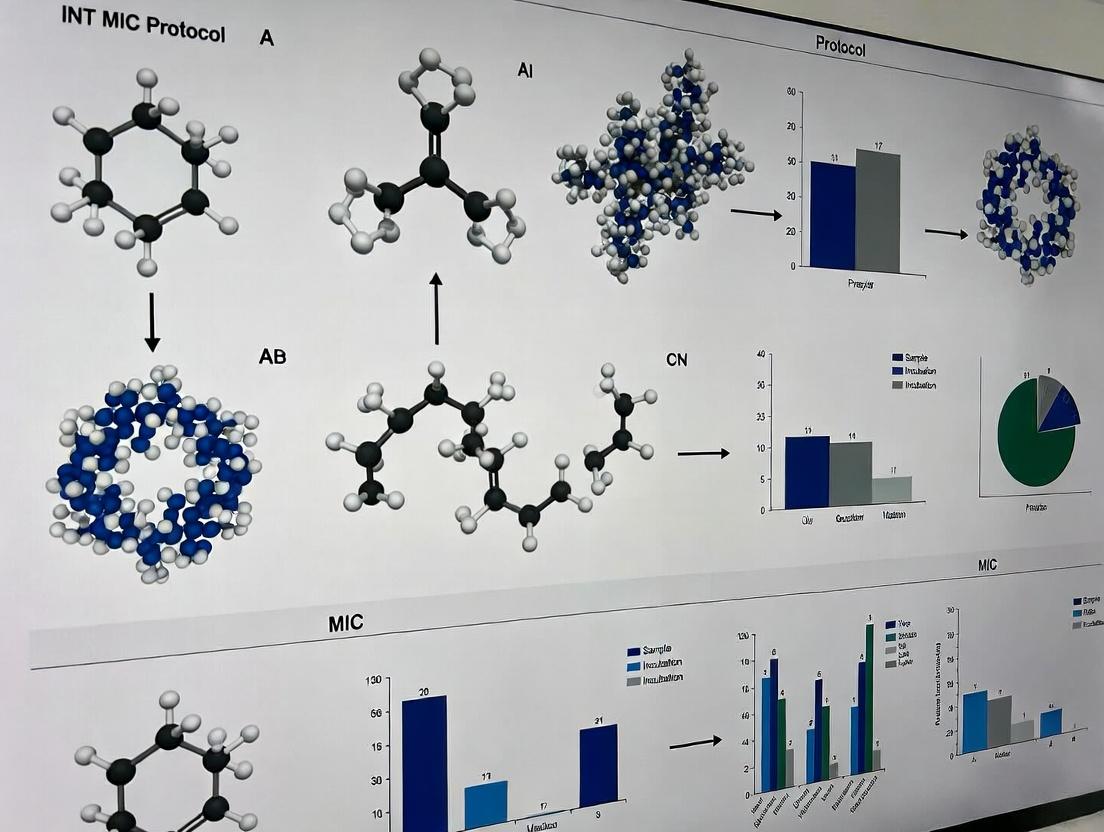
This comprehensive guide details the INT (Iodonitrotetrazolium chloride) MIC protocol for anaerobic bacteria, a critical method for determining antimicrobial susceptibility in oxygen-sensitive pathogens.
INT MIC Protocol for Anaerobic Bacteria: Complete Guide for Accurate Antimicrobial Susceptibility Testing
Abstract
This comprehensive guide details the INT (Iodonitrotetrazolium chloride) MIC protocol for anaerobic bacteria, a critical method for determining antimicrobial susceptibility in oxygen-sensitive pathogens. Targeting researchers, scientists, and drug development professionals, the article covers foundational microbiology principles, step-by-step methodological workflows, common troubleshooting solutions, and comparative validation against reference standards like agar dilution and broth microdilution. It provides actionable insights for implementing robust, reproducible AST in anaerobic bacteriology to support antimicrobial stewardship and novel drug development.
Understanding the INT MIC Protocol: Core Principles and Significance for Anaerobic Bacteriology
Defining MIC and Its Critical Role in Anaerobic Infection Management
Minimum Inhibitory Concentration (MIC) is the lowest concentration of an antimicrobial agent that completely inhibits visible growth of a microorganism in vitro. For anaerobic bacteria, which cause severe infections like intra-abdominal abscesses, bacteremia, and diabetic foot infections, accurate MIC determination is critically challenging. Standard methods fail under aerobic conditions, necessitating specialized protocols. This note details the application of the INT MIC protocol (Iodonitrotetrazolium chloride-based MIC) within a broader research thesis, providing a robust, colorimetric method for clear endpoint determination in anaerobic susceptibility testing.
The INT MIC Protocol: Principle and Advantages
The INT MIC protocol uses the redox indicator Iodonitrotetrazolium chloride (INT). Metabolically active anaerobic bacteria reduce colorless INT to a pink-red formazan precipitate. An inhibitory concentration of an antibiotic prevents this metabolic activity, resulting in no color change. This provides an objective, visual endpoint, overcoming the subjectivity of assessing faint turbidity in traditional broth microdilution for fastidious or slow-growing anaerobes.
Key Experimental Protocols
Protocol 3.1: Preparation of Anaerobic Broth Microdilution Panels
- Objective: To prepare antimicrobial stock solutions and dilution panels in an anaerobic-compatible broth.
- Materials: Brucella Broth supplemented with hemin (5 µg/mL), vitamin K1 (1 µg/mL), and 5% laked sheep blood; anaerobic chamber (atmosphere: 80% N₂, 10% H₂, 10% CO₂); pre-reduced, anaerobically sterilized (PRAS) media; antimicrobial agents.
- Method:
- Prepare double-strength antibiotic solutions in appropriate solvents/distilled water according to CLSI guidelines (M11).
- In an anaerobic chamber, aliquot 50 µL of double-strength antibiotic into the first well of a 96-well microtiter plate.
- Perform two-fold serial dilutions across the plate using a pre-reduced diluent (e.g., saline or Brucella Brok).
- Final well volumes before inoculation should be 50 µL, creating a concentration range typically from 256 µg/mL to 0.125 µg/mL.
Protocol 3.2: Inoculum Preparation and Panel Inoculation
- Objective: To standardize and inoculate bacterial suspensions onto the antibiotic panel.
- Method:
- Suspend 3-5 colonies from a 48-hour anaerobic blood agar plate into pre-reduced Brucella broth to a 0.5 McFarland standard (~1.5 x 10⁸ CFU/mL).
- Further dilute the suspension 1:20 in supplemented Brucella broth, then add 50 µL to each well of the microdilution panel.
- This results in a final inoculum of ~5 x 10⁵ CFU/mL per well and restores antibiotic concentrations to their final single-strength values.
- Include growth control (antibiotic-free) and sterility control (broth-only) wells.
Protocol 3.3: INT Staining and MIC Endpoint Reading
- Objective: To apply INT for clear visual determination of the MIC endpoint.
- Method:
- After 48 hours of anaerobic incubation at 35°C, prepare a 0.2 mg/mL solution of INT in sterile distilled water.
- Add 10 µL of the INT solution to each well of the microtiter plate.
- Re-incubate the plate anaerobically for 30-60 minutes.
- MIC Determination: The MIC is the lowest antibiotic concentration that prevents the development of a pink-red color. The growth control well should show strong color change.
Data Presentation: Comparative MIC Values for Key Anaerobic Pathogens
Table 1: Representative MIC Ranges (µg/mL) for Common Anaerobes Using INT Method
| Antimicrobial Agent | Bacteroides fragilis (n=50) | Clostridioides difficile (n=30) | Prevotella spp. (n=25) | Fusobacterium nucleatum (n=20) |
|---|---|---|---|---|
| Metronidazole | 0.25 - 1.0 | 0.125 - 0.5 | 0.06 - 0.5 | 0.125 - 0.5 |
| Piperacillin-Tazobactam | 8/4 - 32/4 | 16/4 - 64/4 | 2/4 - 8/4 | 2/4 - 8/4 |
| Meropenem | 0.125 - 0.5 | 0.5 - 2.0 | ≤0.06 - 0.125 | ≤0.06 - 0.25 |
| Clindamycin | 0.25 - >256* | 1.0 - 4.0 | 0.125 - >256* | 0.06 - 0.5 |
| Moxifloxacin | 0.5 - 8.0 | 1.0 - 4.0 | 0.25 - 2.0 | 0.125 - 1.0 |
Note: Wide range indicates common resistance in B. fragilis and Prevotella.
The Scientist's Toolkit: Key Research Reagent Solutions
Table 2: Essential Materials for INT MIC Protocol
| Item | Function & Specification |
|---|---|
| Iodonitrotetrazolium Chloride (INT) | Redox indicator (0.2 mg/mL). Reduced by bacterial dehydrogenases to pink formazan. |
| Supplemented Brucella Broth | Primary growth medium. Hemin & Vitamin K1 are essential growth factors. Laked blood provides nutrients. |
| Anaerobe Chamber (Coy/Whitley) | Maintains a strict anaerobic atmosphere (O₂ < 1 ppm) for all procedures. |
| PRAS Diluents/Saline | Pre-reduced to prevent oxidative shock to anaerobes during inoculum standardization. |
| 96-Well U-Bottom Microtiter Plates | Standardized format for broth microdilution. |
| McFarland Standard (0.5) | Provides visual standard for inoculum density adjustment (~1.5 x 10⁸ CFU/mL). |
Visualizing the INT MIC Protocol Workflow and Mechanism
Anaerobic INT MIC Workflow
INT Reduction Mechanism vs. Inhibition
Within the broader thesis on the INT MIC (Iodonitrotetrazolium Chloride Minimum Inhibitory Concentration) protocol for anaerobic bacteria research, a fundamental paradox must be addressed: conventional antimicrobial susceptibility testing (AST) methods, optimized for aerobic organisms, are intrinsically unsuitable for obligate anaerobes. This unsuitability stems from the core physiological requirement of these bacteria to grow in an environment devoid of molecular oxygen (O₂). Standard AST methodologies introduce multiple variables—such as ambient oxygen exposure during plate preparation, incubation in aerobic atmospheres, and use of redox-sensitive indicators—that either inhibit growth entirely or significantly alter microbial metabolism, leading to unreliable, non-reproducible MIC results. This document details the specific failure points and provides refined protocols for accurate anaerobe AST.
Quantitative Analysis of Standard AST Failure Points
The following table summarizes key environmental factors that invalidate standard AST for obligate anaerobes.
Table 1: Impact of Aerobic Conditions on Anaerobic AST Parameters
| Parameter | Standard AST Condition | Effect on Obligate Anaerobes | Measurable Impact on MIC |
|---|---|---|---|
| Incubation Atmosphere | Ambient air (21% O₂) | Complete growth inhibition or severe growth retardation. | MIC falsely elevated or indeterminate (no growth). |
| Medium Pre-reduction | None; media exposed to air. | Medium contains dissolved O₂, creating a toxic environment. | Delayed or uneven growth, leading to inconsistent endpoint reading. |
| Redox Potential (Eh) | High Eh (+200 to +300 mV) | Inhibits key enzymatic processes; prevents reduction of metabolic indicators. | Failure of colorimetric indicators (e.g., resazurin), inaccurate growth detection. |
| Antioxidant System | Not supplemented. | Endogenous antioxidants (e.g., thioglycollate) depleted, increasing O₂ sensitivity. | Increased inter-test variability, strain-dependent results. |
| Indicator Dye Stability | Resazurin in air. | Auto-oxidizes in presence of O₂, causing false-positive "growth" signals. | MIC falsely lowered due to erroneous growth detection. |
Core Experimental Protocols
Protocol 3.1: Preparation of Pre-reduced, Anaerobically Sterilized (PRAS) Brucella Broth
- Purpose: To create a growth medium with a low redox potential (Eh ~ -150 mV) suitable for fastidious obligate anaerobes.
- Materials: Brucella broth base, L-cysteine HCl (reducing agent), sodium bicarbonate, vitamin K1, hemin, distilled/deionized water, anaerobic chamber (N₂: 85%, H₂: 10%, CO₂: 5%), sterile PRAS dilution tubes/seals.
- Procedure:
- Weigh and dissolve Brucella broth according to manufacturer's instructions in distilled water.
- Add L-cysteine HCl to a final concentration of 0.05% (w/v) and sodium bicarbonate to 0.1% (w/v).
- Sparge the medium with pure O₂-free nitrogen gas for 15-20 minutes to drive off dissolved O₂.
- Dispense the sparged medium into serum bottles or tubes.
- Seal with butyl rubber stoppers and secure with aluminum crimp seals.
- Autoclave at 121°C for 15 minutes. Upon cooling, the medium will have a pale greenish-yellow color (due to resazurin, if added as an Eh indicator at 0.0001%).
- Inside an anaerobic chamber, aseptically add filter-sterilized vitamin K1 (1 µg/mL final) and hemin (5 µg/mL final) from stock solutions.
Protocol 3.2: INT MIC Assay for Obligate Anaerobes (Broth Microdilution)
- Purpose: To determine the MIC of antimicrobial agents against obligate anaerobes using a redox-stable colorimetric endpoint.
- Materials: PRAS Brucella broth (Protocol 3.1), 96-well microtiter plate, antimicrobial stock solutions, INT (Iodonitrotetrazolium chloride) solution (0.2 mg/mL in water, filter-sterilized), anaerobic workstation, anaerobic indicator strips, overnight culture of target anaerobe in PRAS broth.
- Procedure:
- Inoculum Preparation: Inside an anaerobic chamber, adjust the turbidity of a fresh anaerobic culture to a 0.5 McFarland standard using PRAS broth. Further dilute 1:20 in PRAS broth to achieve ~1-5 x 10⁶ CFU/mL.
- Plate Preparation: In the anaerobic chamber, prepare a two-fold serial dilution of the antimicrobial agent in PRAS broth across the microtiter plate (e.g., columns 1-11). Column 12 serves as a growth control (no antibiotic).
- Inoculation: Add 100 µL of the standardized inoculum to all wells of the test plate. Final volume per well is 200 µL. Seal the plate with a breathable membrane or place inside an anaerobic bag.
- Incubation: Place the sealed plate in an anaerobic jar or chamber. Incubate at 35±2°C for 44-48 hours.
- INT Addition & MIC Reading: After 44-48h, add 20 µL of the sterile INT solution to each well. Re-incubate anaerobically for 2-4 hours. Microbial growth reduces the yellow, water-soluble INT to a pink/red, insoluble formazan precipitate. The MIC is defined as the lowest concentration of antimicrobial that prevents this color change, indicated by a clear, yellow well.
Visualizing the Workflow and Key Pathways
Diagram 1: Standard AST vs. Anaerobic-Adapted AST Workflow
Diagram 2: INT Reduction as a Metabolic Endpoint in Anaerobes
The Scientist's Toolkit: Essential Research Reagents & Materials
Table 2: Key Reagent Solutions for Anaerobic AST & INT MIC Protocol
| Item | Function in Protocol | Critical Specification/Note |
|---|---|---|
| PRAS Broth Base (e.g., Brucella, Schaedler) | Provides nutrient foundation. Must be supplementable. | Use granules/powder; avoid pre-mixed with redox-sensitive components. |
| L-Cysteine Hydrochloride | Primary reducing agent. Scavenges dissolved O₂, lowers Eh. | Prepare fresh 10% (w/v) stock solution, filter sterilize. Add pre-autoclaving. |
| Resazurin (Eh Indicator) | Visual indicator of redox potential in media. | Very low concentration (0.0001%). Pink = oxidized (toxic), colorless = reduced. |
| INT (Iodonitrotetrazolium Chloride) | Colorimetric growth indicator. Accepts electrons from metabolizing cells. | Prepare 0.2 mg/mL stock, filter sterilize, store dark. Add post-bacterial incubation. |
| Vitamin K1 & Hemin Stock Solutions | Essential growth supplements for many fastidious anaerobes. | Filter sterilize (0.22 µm). Add aseptically to cooled, autoclaved PRAS media. |
| Anaerobic Gas Mix Cylinder | Creates an O₂-free atmosphere in chambers/jars. | Standard mix: N₂ (85%), H₂ (10%), CO₂ (5%). H₂ is for palladium catalyst. |
| Palladium Catalyst Pellets | Removes trace O₂ in anaerobic jars by catalyzing reaction with H₂ to form H₂O. | Must be "recharged" regularly by heating (160-170°C) for 2h. Keep dry. |
| Anaerobic Indicator Strips | Confirms anaerobic conditions (<100 ppm O₂) in jars/chambers. | Contains methylene blue; blue = oxidized, white = reduced (anaerobic). |
| Butyl Rubber Stoppers & Crimp Seals | For preparing and storing PRAS media without O₂ ingress. | Butyl rubber is impermeable to O₂. Use with glass serum bottles. |
INT (2-(4-iodophenyl)-3-(4-nitrophenyl)-5-phenyl-2H-tetrazolium chloride) is a redox dye widely used as a viability indicator in microbiology, particularly for assessing the metabolic activity of anaerobic bacteria. Within the context of developing a robust INT-based Minimum Inhibitory Concentration (MIC) protocol for anaerobes, understanding its precise mechanism and spectrophotometric benefits is crucial. This application note details the biochemical action of INT, provides protocols for its use in anaerobic susceptibility testing, and highlights its advantages for quantitative, high-throughput analysis in drug development.
Mechanism of Action
INT is a yellow, water-soluble tetrazolium salt. Metabolically active bacterial cells reduce INT via electron transport chain dehydrogenases (primarily NADH dehydrogenase and succinate dehydrogenase) and other reductases. This reduction yields INT-formazan, an intensely red-colored, water-insoluble compound that precipitates intracellularly or on the cell surface. The amount of formazan produced is directly proportional to the number of viable, metabolically active cells, providing a colorimetric endpoint for viability assays.
Key Biochemical Pathway: INT reduction occurs primarily at the level of the bacterial plasma membrane electron transport system. For anaerobic bacteria, which often rely on varied and complex electron transport chains, INT serves as an artificial terminal electron acceptor.
Diagram: INT Reduction Pathway in Anaerobic Bacteria
Title: INT Reduction by Anaerobic Bacterial ETC
Spectrophotometric Advantages
- High Molar Absorptivity: INT-formazan has a high extinction coefficient (ε ~ 20,000 M⁻¹cm⁻¹ at 480-500 nm), allowing for sensitive detection of low bacterial densities.
- Distinct Wavelength Shift: The reduction causes a clear spectral shift from the near-UV absorbance of INT (max ~ 245 nm) to the visible range absorbance of formazan (~480-500 nm), minimizing interference from medium components.
- Quantitative Precision: Spectrophotometry enables objective, quantitative OD measurements, superior to visual MIC determination, enhancing reproducibility.
- High-Throughput Compatibility: The soluble-to-insoluble color change is amenable to microplate readers, facilitating automation and screening of multiple antibiotic concentrations against numerous bacterial strains simultaneously.
Table 1: Spectral Properties of INT and INT-Formazan
| Compound | State | Color | Absorbance Maximum (λmax) | Molar Extinction Coefficient (ε) |
|---|---|---|---|---|
| INT (Oxidized) | Soluble | Pale Yellow | ~245 nm | ~ 12,000 M⁻¹cm⁻¹ |
| INT-Formazan (Reduced) | Insoluble (Crystalline) | Red | 480 - 500 nm | ~ 20,000 M⁻¹cm⁻¹ |
Table 2: Comparison of Viability Indicator Dyes for Anaerobes
| Dye | Readout | Solubility of Product | Key Advantage for Anaerobes | Primary Interference |
|---|---|---|---|---|
| INT | Colorimetric (Red) | Insoluble | Excellent for anaerobes, low redox potential | Non-specific reduction |
| Resazurin | Fluorescent (Red → Pink) | Soluble | Real-time kinetics | Photobleaching, oxygen sensitive |
| MTT | Colorimetric (Purple) | Insoluble (requires solubilization) | Widely validated | Cytoplasmic reduction only |
| CTC | Fluorescent (Red) | Insoluble | Very sensitive | Can be toxic to cells |
Detailed Protocols
Protocol 1: Preparation of INT Stock Solution
Purpose: To prepare a stable, sterile stock solution for use in viability assays. Materials: INT powder (≥98% purity), Dimethyl sulfoxide (DMSO) or sterile distilled water, 0.22 µm syringe filter, amber vial. Procedure:
- Weigh 40 mg of INT powder.
- Dissolve in 10 mL of sterile DMSO or distilled water. Note: Aqueous solutions must be used immediately; DMSO stocks can be stored at -20°C.
- Filter sterilize using a 0.22 µm filter into an amber vial to protect from light.
- Store at -20°C for up to 6 months. Final working concentration in broth is typically 0.02% (w/v).
Protocol 2: INT-MIC Assay for Anaerobic Bacteria (Broth Microdilution)
Purpose: To determine the MIC of an antimicrobial agent against an anaerobic bacterial isolate using an INT visual or spectrophotometric endpoint. Workflow Overview:
Title: INT-MIC Assay Workflow for Anaerobic Bacteria
Detailed Procedure:
- Broth Preparation: Use pre-reduced anaerobically sterilized (PRAS) broth appropriate for the target bacteria (e.g., Brucella broth supplemented with hemin, vitamin K1, and 5% laked sheep blood).
- Antibiotic Dilution: In an anaerobic chamber, prepare a 2x concentration series of the antimicrobial agent in broth across a 96-well microtiter plate. Column 11 is growth control (broth + inoculum, no drug). Column 12 is sterility control (broth only).
- Inoculum Preparation: Adjust the turbidity of a fresh anaerobic broth culture to a 0.5 McFarland standard in anaerobic diluent. Further dilute in broth to achieve a final density of ~5 x 10⁵ CFU/mL in each well.
- Inoculation & Incubation: Add an equal volume of the adjusted inoculum to all wells except the sterility control. Seal the plate with a gas-impermeable membrane. Incubate anaerobically at 35-37°C for 24-48 hours (as per CLSI guidelines for the species).
- INT Addition: After primary incubation, add INT working solution to achieve a final concentration of 0.02% (w/v). Typically, add 20 µL of 0.2% INT to each 180 µL well.
- Secondary Incubation: Re-seal and return the plate to anaerobic conditions for 1-4 hours until a distinct red pellet forms in the positive growth control well.
- Endpoint Determination:
- Visual MIC: The MIC is the lowest antibiotic concentration that prevents the formation of a visible red formazan pellet. A faint pink haze indicates inhibition.
- Spectrophotometric MIC: Centrifuge the plate (e.g., 1500 x g, 10 min) to pellet formazan crystals and cells. Carefully transfer 100 µL of supernatant to a new plate. Measure OD at 500 nm. The MIC is defined as the lowest concentration where OD500 is ≤10% of the growth control well.
The Scientist's Toolkit
Table 3: Essential Reagents and Materials for INT-MIC Assays
| Item | Function/Description | Key Consideration for Anaerobes |
|---|---|---|
| INT (≥98% Purity) | Redox dye; viability indicator. | Use high purity to minimize background reduction. Store desiccated, in the dark. |
| Pre-reduced Anaerobic Broth | Growth medium (e.g., supplemented Brucella broth). | Must be PRAS to maintain low redox potential (-150 mV to -350 mV) for fastidious anaerobes. |
| Anaerobic Chamber or Jar | Provides oxygen-free atmosphere (typically N₂/H₂/CO₂ mix). | Critical for handling, incubation, and preventing oxidative degradation of INT. |
| Gas-Impermeable Plate Seals | Seals microplates to maintain anaerobiosis during incubation. | Prevents oxygen ingress which can alter INT reduction kinetics. |
| Dimethyl Sulfoxide (DMSO) | Solvent for preparing stable INT stock solutions. | Filter-sterilize. Final concentration in broth should be ≤1% (v/v) to avoid toxicity. |
| Microplate Spectrophotometer | Measures OD500 of formazan for quantitative MIC. | Enables objective, high-throughput analysis. Centrifugation step prior to reading is recommended. |
| Reference Anaerobic Strains | Quality control organisms (e.g., Bacteroides fragilis ATCC 25285). | Essential for validating the performance of each assay run. |
Application Notes
The integration of standardized minimum inhibitory concentration (MIC) testing, particularly for anaerobic bacteria, serves as a critical nexus between direct clinical diagnostics and advanced pharmaceutical development. Within the broader thesis context of the INT MIC protocol (utilizing the redox dye 2,3,5-Triphenyltetrazolium chloride), this methodology provides quantitative, reproducible susceptibility data essential for both applications.
Clinical Isolate Testing: In clinical settings, rapid and accurate anaerobic susceptibility testing directly informs antimicrobial stewardship and personalized treatment regimens. The INT MIC protocol offers a clear visual endpoint (color change from colorless to red formazan), reducing ambiguity compared to traditional broth dilution for fastidious anaerobes. This is vital for infections like bacteremia, intra-abdominal abscesses, and diabetic foot infections where anaerobic pathogens are prevalent.
Novel Drug Screening: In drug discovery, the INT MIC protocol provides a scalable, high-throughput compatible platform for evaluating novel compounds against anaerobic pathogens. The quantitative nature of MIC data allows for structure-activity relationship (SAR) analysis and prioritization of lead candidates. It is especially crucial for developing agents against multidrug-resistant anaerobes (e.g., Bacteroides fragilis with cfiA gene-mediated carbapenem resistance).
Bridging Application: Data generated from clinical isolates using this protocol feeds back into the drug development pipeline, identifying prevailing resistance patterns and unmet medical needs, thereby directing screening efforts.
Experimental Protocols
Protocol 1: INT MIC Protocol for Anaerobic Bacteria (Broth Microdilution)
Objective: To determine the MIC of antimicrobial agents against anaerobic bacterial isolates.
Materials:
- Pre-reduced anaerobically sterilized (PRAS) broth medium (e.g., Brucella broth supplemented with hemin, vitamin K1, and 5% laked sheep blood).
- INT (2,3,5-Triphenyltetrazolium chloride) stock solution (0.2% w/v in sterile water, filter-sterilized).
- Anaerobic chamber (atmosphere: 80% N2, 10% H2, 10% CO2).
- 96-well microtiter plates.
- Test antimicrobial agents (prepared in appropriate solvent/buffer).
- Adjusted inoculum of anaerobic test isolate (0.5 McFarland standard in reduced broth, further diluted to yield ~1 x 10^6 CFU/mL final well concentration).
Procedure:
- Inside an anaerobic chamber, prepare serial two-fold dilutions of the antimicrobial agent in PRAS broth across the rows of the microtiter plate (100 µL/well). Include growth control (antimicrobial-free) and sterile control wells.
- Inoculate each well (except sterile control) with 100 µL of the adjusted bacterial inoculum. Seal the plate with a permeable membrane or place in an anaerobic jar system immediately.
- Incubate anaerobically at 35±2°C for 48 hours.
- After incubation, add 20 µL of INT stock solution to each well.
- Re-incubate the plate anaerobically for 1-4 hours.
- Endpoint Determination: The MIC is defined as the lowest concentration of antimicrobial that prevents a color change to red. A pink or red color indicates bacterial growth and metabolic reduction of INT to red formazan.
Protocol 2: High-Throughput Screening (HTS) Adaptation for Novel Compounds
Objective: To screen a library of novel compounds for activity against a reference anaerobic strain.
Materials:
- Automated liquid handling system.
- 384-well microtiter plates.
- PRAS broth.
- INT solution (0.4% w/v for smaller volume).
- Reference anaerobic strain (e.g., Bacteroides thetaiotaomicron ATCC 29148).
- Compound library (e.g., 10 mM stocks in DMSO).
Procedure:
- Using automation, transfer nanoliter volumes of compound stocks to assay plates. Include control wells for no drug (DMSO only) and a reference drug (e.g., metronidazole).
- Prepare a standardized inoculum of the reference strain in PRAS broth. Dispense uniformly into all test wells.
- Incubate anaerobically for 48 hours.
- Add INT solution using an automated dispenser.
- Incubate anaerobically for 2 hours.
- Measure absorbance at 490 nm using a plate reader. Calculate percentage inhibition relative to growth control wells. Compounds showing >90% inhibition are selected for full MIC determination via Protocol 1.
Table 1: Example INT MIC Data for Clinical Anaerobic Isolates Against Standard Therapies
| Organism (Number of Isolates) | Antimicrobial Agent | MIC50 (µg/mL) | MIC90 (µg/mL) | Resistance Rate (%) | Clinical Breakpoint (µg/mL) |
|---|---|---|---|---|---|
| Bacteroides fragilis (n=50) | Metronidazole | 1.0 | 2.0 | 0.0 | ≥32 (R) |
| Bacteroides fragilis (n=50) | Meropenem | 0.25 | 1.0 | 4.0 | ≥16 (R) |
| Clostridium difficile (n=30) | Vancomycin | 1.0 | 2.0 | 0.0 | N/A |
| Finegoldia magna (n=25) | Penicillin G | 0.06 | 0.125 | 0.0 | ≥2 (R) |
Table 2: HTS Results of a Novel Compound Library Against B. thetaiotaomicron
| Compound Class | Library Size | Primary Hit Rate (% Inhibition >90%) | Confirmed Hit Rate (via INT MIC) | Most Potent Lead MIC (µg/mL) |
|---|---|---|---|---|
| Synthetic small molecules | 10,000 | 0.35% | 0.12% | 0.5 |
| Natural product derivatives | 2,000 | 0.50% | 0.20% | 2.0 |
| Peptidomimetics | 1,500 | 0.15% | 0.07% | 8.0 |
Visualization
Diagram 1: INT MIC Protocol Workflow
Diagram 2: From Clinical Testing to Drug Screening
The Scientist's Toolkit: Research Reagent Solutions
Table 3: Essential Materials for INT MIC Protocols in Anaerobic Research
| Item | Function in Protocol | Key Consideration |
|---|---|---|
| Pre-reduced Anaerobically Sterilized (PRAS) Broth | Provides nutrient-rich, oxygen-free medium for anaerobic growth. | Must be pre-reduced for 24-48h in anaerobic chamber before use to remove residual oxygen. |
| INT Dye (2,3,5-Triphenyltetrazolium chloride) | Redox indicator. Metabolically active bacteria reduce colorless INT to red formazan. | Prepare fresh stock solution frequently; filter sterilize. Optimal final concentration is 0.01-0.02%. |
| Anaerobic Chamber (Glove Box) | Maintains a strict anaerobic atmosphere (N2, H2, CO2) for all procedures. | Use palladium catalysts to scavenge oxygen; monitor oxygen levels (<50 ppm). |
| Supplemented Brucella Broth | Common basal medium for fastidious anaerobes. | Supplementation with hemin (5 µg/mL), vitamin K1 (1 µg/mL), and 5% laked blood is often essential. |
| Reference Strains (e.g., B. fragilis ATCC 25285) | Quality control for both antimicrobial potency and anaerobic technique. | Used to validate each batch of MIC testing, ensuring results fall within published QC ranges. |
| Microtiter Plates with Gas-Permeable Seals | Vessel for broth microdilution assay. | Seals allow for anaerobic equilibration while preventing evaporation during incubation. |
| McFarland Standard Set | Standardizes bacterial inoculum density for reproducible MICs. | For anaerobes, adjust turbidity in reduced broth or saline inside the chamber. |
Application Notes
Establishing a robust anaerobic workstation is fundamental for reliable research on obligate anaerobes, particularly for antimicrobial susceptibility testing (AST) like the INT MIC protocol. This setup ensures the maintenance of a strict anoxic environment (typically <1 ppm O₂) necessary for bacterial viability and reproducible results. The core components—chambers, gas generation systems, and validated quality control (QC) strains—form an integrated system where failure in one component compromises all experimental data.
For INT MIC protocols, which rely on the enzymatic reduction of iodonitrotetrazolium chloride (INT) to a colored formazan product, even trace oxygen can inhibit metabolism, leading to falsely elevated MICs. Therefore, quality control extends beyond the bacterial strain to include continuous environmental monitoring. The following data summarizes key specifications for modern systems.
Table 1: Comparison of Anaerobic Chamber & Gas System Components
| Component | Type/Model Example | Key Specifications | Primary Role in INT MIC Protocol |
|---|---|---|---|
| Anaerobic Chamber | Rigid glovebox (e.g., Coy Lab, Plas Labs) | O₂ level <1 ppm, Pd catalyst, airlock, humidity control | Provides O₂-free environment for all steps: media prep, inoculation, incubation, reading. |
| Anaerobic Chamber | Flexible vinyl chamber (e.g., Baker, COY) | O₂ level <5 ppm, single/double ports, lower cost | Suitable for incubation and reading steps if media prep is done in rigid chamber. |
| Gas Generation System | Gas Pack sachets (e.g., AnaeroGen, Mitsubishi) | Generates H₂ and CO₂; catalyzes O₂ + H₂ → H₂O. Achieves <1% O₂ in jar. | Backup for incubation, QC strain revival, or labs without chamber access. |
| Gas Generation System | Pre-mixed cylinder gas (e.g., 10% H₂, 10% CO₂, 80% N₂) | High-purity, plumbed directly into chamber. | Maintains consistent chamber atmosphere for long-term experiments. |
| O₂ Monitor | Electrochemical sensor (e.g., Coy Lab) | Range 0-1000 ppm, continuous readout | Essential QC for chamber environment; alarms if O₂ >5 ppm during AST. |
| Catalyst | Palladium-coated alumina pellets | Requires periodic recharging at 160°C in oven. | Removes trace O₂ from chamber atmosphere by facilitating water formation. |
Table 2: Essential Quality Control Strains for Anaerobic INT MIC
| Strain | ATCC Number | Typical MIC Range (Clindamycin Example) | Purpose in Anaerobic AST |
|---|---|---|---|
| Bacteroides fragilis | 25285 | 0.5 - 2 µg/mL | Primary QC for gram-negative anaerobes; monitors medium performance. |
| Clostridium perfringens | 13124 | 0.06 - 0.25 µg/mL | Primary QC for gram-positive, spore-forming anaerobes. |
| Eggerthella lenta | 43055 | 8 - 32 µg/mL (for Tetracycline) | QC for slow-growing, drug-resistant gram-positive rods. |
| Parabacteroides distasonis | 8503 | Varies by drug | Used for extended QC and method validation. |
Protocols
Protocol 1: Daily Startup and Quality Control for Anaerobic Chamber Objective: To verify the anaerobic chamber environment is suitable for INT MIC testing.
- Power & Gas: Activate the chamber’s circulation fan and ensure gas mixture (e.g., 10% H₂, 10% CO₂, 80% N₂) is flowing at the manufacturer’s recommended rate.
- Catalyst Check: Verify the palladium catalyst is not exhausted (usually indicated by color change). Reactivate if necessary.
- Oxygen Monitoring: Record the O₂ level from the installed sensor. It must be below 5 ppm before proceeding; optimal is <1 ppm.
- Airlock Cycle: Run one full evacuation-purge cycle on the airlock with the chamber gas as a functional test.
- Biological QC (Weekly): Inside the chamber, streak Bacteroides fragilis ATCC 25285 onto a Brucella blood agar plate. Incubate anaerobically at 35°C. Simultaneously, streak a plate for aerobic incubation at 35°C. After 48h, growth should be robust anaerobically and absent or very poor aerobically, confirming anaerobiosis.
- Documentation: Log O₂ levels, catalyst status, and weekly biological QC results in a chamber maintenance log.
Protocol 2: Preparation and Storage of Anaerobic Broth for INT MIC Objective: To produce pre-reduced, anaerobically sterilized (PRAS) broth medium for MIC testing.
- Inside Chamber Preparation: Inside the active anaerobic chamber, weigh and dissolve Brucella broth powder according to manufacturer instructions in deionized water.
- Addition of Supplements: Add 5 µg/mL hemin, 1 µg/mL vitamin K1, and optionally 5% laked horse blood if required for the protocol.
- Dispensing: While inside the chamber, dispense the broth into sterile tubes or serum bottles (e.g., 9 mL per tube).
- Sealing: Seal tubes with butyl rubber stoppers and secure with aluminum crimp seals.
- Removal & Autoclaving: Carefully transfer the sealed vessels out via the airlock. Autoclave at 121°C for 15 minutes. Upon cooling, the media inside remain pre-reduced.
- Storage: Store at 4°C for up to 4 weeks. Before use, warm to room temperature inside the anaerobic chamber for at least 2 hours.
Protocol 3: INT MIC Procedure for Anaerobic Bacteria Using Broth Microdilution Objective: To determine the minimum inhibitory concentration of an antimicrobial against an anaerobic bacterium using INT as a growth indicator. Materials: PRAS broth (Protocol 2), antimicrobial stock solutions, sterile water, INT solution (0.2 mg/mL, filter-sterilized), anaerobic chamber, 96-well microdilution trays, turbidity standard (0.5 McFarland). Part A: Inoculum & Plate Preparation (Inside Chamber)
- Take 24-48h colonies of the test or QC strain from an anaerobic blood agar plate.
- Suspend in PRAS broth to a 0.5 McFarland standard (~1 x 10^8 CFU/mL).
- Dilute this suspension 1:100 in PRAS broth to achieve ~1 x 10^6 CFU/mL.
- Prepare antimicrobial dilutions in a 96-well plate: Add 100 µL of PRAS broth to all wells. Perform two-fold serial dilutions of the antimicrobial in rows A-H. Column 12 is the growth control (no drug).
- Inoculate each well (except sterility control, column 11) with 100 µL of the 1 x 10^6 CFU/mL inoculum. Column 11 receives 100 µL of sterile PRAS broth.
- Seal the plate with a gas-impermeable seal. Incubate anaerobically at 35°C for 44-48h. Part B: INT Addition and MIC Reading
- After 44-48h incubation, prepare a 1:10 dilution of the 0.2 mg/mL INT stock in sterile water inside the chamber (final 0.02 mg/mL).
- Add 25 µL of the diluted INT solution to each well of the plate.
- Re-seal the plate and return it to the anaerobic incubator for an additional 2-4 hours.
- Read the MIC: The first well in the dilution series that shows no pink-red color (indicating no bacterial reduction of INT) is the MIC. The growth control should be brightly colored. The sterility control must remain colorless.
Visualizations
Anaerobic Chamber QC Daily Workflow
INT MIC Protocol for Anaerobes
The Scientist's Toolkit: Research Reagent Solutions
Table 3: Essential Materials for Anaerobic INT MIC Testing
| Item | Function/Application in Protocol |
|---|---|
| Brucella Broth (PRAS) | Standard, rich medium for cultivation of fastidious anaerobes. Provides nutrients for consistent growth in MIC panels. |
| Hemin & Vitamin K1 | Essential growth supplements for many Bacteroides and Prevotella species. Omission leads to poor growth and falsely high MICs. |
| Iodonitrotetrazolium (INT) | Tetrazolium salt redox indicator. Reduced by metabolically active bacteria to a pink-red formazan, visualizing growth. |
| Pre-mixed Anaerobic Gas Cylinder (10% H₂, 10% CO₂, 80% N₂) | Provides consistent, high-purity atmosphere for glovebox chambers. H₂ fuels oxygen scavenging. CO₂ buffers pH. |
| AnaeroGen or Equivalent Sachets | Creates anaerobic atmosphere in sealed jars. Critical for backup incubations, QC strain maintenance, and reagent storage. |
| Butyl Rubber Stoppers & Crimp Seals | Form a gas-impermeable seal on tubes/bottles, maintaining anaerobiosis of PRAS media during autoclaving and storage. |
| Pd Catalyst Pellets | Removes trace oxygen from the chamber atmosphere by catalyzing its reaction with hydrogen to form water. |
| ATCC QC Strains (B. fragilis 25285, C. perfringens 13124) | Validated reference organisms to monitor the technical performance of the entire INT MIC procedure. |
| Resazurin Indicator | A pre-reduction indicator (pink=oxidized, colorless=reduced). Often added to PRAS media during preparation to visually confirm anaerobiosis. |
| Gas-Impermeable Plate Seals | Prevent oxygen ingress into microdilution plates during extended anaerobic incubation periods. |
Step-by-Step INT MIC Protocol: From Inoculum Preparation to Data Interpretation
1. Introduction Within a comprehensive thesis on the implementation of the INT (Iodonitrotetrazolium Chloride) MIC protocol for anaerobic bacteria research, meticulous pre-protocol preparation is paramount. This application note details the critical steps for media selection, supplement preparation, and reagent conditioning to ensure reproducibility and biological relevance in anaerobic minimum inhibitory concentration (MIC) assays. Failures in this preparatory phase directly compromise INT reduction kinetics and MIC endpoint determination.
2. Research Reagent Solutions (The Scientist's Toolkit) The following table details the essential materials for pre-culture and INT-MIC testing of anaerobic bacteria.
| Reagent/Material | Function & Specification |
|---|---|
| Pre-reduced Anaerobically Sterilized (PRAS) Brucella Broth | The preferred basal medium for fastidious anaerobes. Provides essential nutrients and is pre-reduced to a low oxidation-reduction potential (Eh) to support anaerobic growth prior to inoculation. |
| Laked Sheep Blood (LSB) | A standard supplement (5% v/v). Hemolysis ("laking") releases hemin and other growth factors critical for many anaerobes (e.g., Bacteroides, Prevotella). |
| Vitamin K1 Solution (1 mg/mL) | Filter-sterilized stock solution. An essential cofactor for biochemical pathways in many anaerobic species. Typically used at a final concentration of 1 µg/mL. |
| Resazurin Solution (0.1% w/v) | A redox indicator. At an Eh of ~-50 mV, it turns from pink (oxidized) to colorless (reduced), providing a visual check of medium prereduction. Used at ~0.5-1.0 mg/L final concentration. |
| INT Stock Solution (0.2% w/v) | Filter-sterilized and stored protected from light. The redox indicator for the MIC assay. Final working concentration in wells is typically 0.02% (w/v). |
| Anaerobe Chamber (Coy-type or equivalent) | Maintains an atmosphere of 85% N₂, 10% H₂, 5% CO₂. Essential for all manipulations of PRAS media and cultures to maintain anaerobiosis. |
| McFarland Standard (0.5) | Used to standardize the inoculum turbidity to approximately 1.5 x 10⁸ CFU/mL for broth dilution assays. |
3. Quantitative Data Summary: Media and Supplement Formulations
Table 1: Standardized Composition of Supplemented Brucella Broth for Anaerobe INT-MIC
| Component | Stock Concentration | Final Concentration in Medium | Preparation & Handling Notes |
|---|---|---|---|
| Brucella Broth (PRAS) | N/A | As per manufacturer | De-gas and store in anaerobic chamber ≥48h before use. |
| Laked Sheep Blood | 100% (lysed) | 5% (v/v) | Commercially sourced or prepared by freeze-thaw. Add aseptically after broth is reduced. |
| Vitamin K1 | 1 mg/mL in ethanol | 1 µg/mL | Filter sterilize (0.22 µm). Add from stock; ethanol final conc. <0.1%. |
| Resazurin | 0.1% (w/v) in H₂O | 0.0001% (0.5 mg/L) | Filter sterilize (0.22 µm). Add before prereduction to monitor Eh. |
| Hematin (if needed) | 5 mg/mL in NaOH | 5 µg/mL | For species with high hemin requirement. Adjust pH after addition. |
Table 2: Critical Reagent Preparation Parameters
| Reagent | Target pH | Storage Conditions | Stability & Shelf Life |
|---|---|---|---|
| Supplemented Brucella Broth (final) | 7.0 ± 0.2 | Anaerobic chamber, 2-8°C, sealed | 2 weeks (check for precipitation). |
| INT Stock Solution (0.2%) | Neutral (in dH₂O) | Amber vial, -20°C protected from light | 3 months. Thaw and vortex before use. |
| Vitamin K1 Stock | N/A | 2-8°C, dark | 1 month. Check for crystallization. |
4. Detailed Experimental Protocols
Protocol 4.1: Preparation of Pre-reduced Supplemented Brucella Broth
- Objective: To prepare the primary growth and assay medium with a low Eh (-150 mV to -300 mV).
- Materials: PRAS Brucella Broth, resazurin stock, vitamin K1 stock, laked sheep blood, anaerobic chamber, sterile crimp-seal tubes or bottles.
- Procedure:
- Inside the anaerobic chamber, aseptically dispense the required volume of PRAS Brucella Broth into sterile tubes or bottles (leaving minimal headspace).
- Add Resazurin stock to a final concentration of 0.5 mg/L. The medium should have a slight pink hue.
- Add Vitamin K1 stock to a final concentration of 1 µg/mL.
- Securely seal containers with butyl rubber stoppers and aluminum crimp seals or screw caps.
- Remove containers from the chamber and incubate them at 35°C for 4-6 hours. The resazurin will decolorize, indicating reduction (Eh < -50 mV).
- Return containers to the chamber. Aseptically add sterile Laked Sheep Blood to a final concentration of 5% (v/v). Mix gently.
- The medium is now ready for inoculation. Use within 2 weeks when stored at 4°C inside the chamber.
Protocol 4.2: Preparation of Inoculum for INT-MIC Broth Microdilution
- Objective: To standardize the bacterial inoculum to ~1.5 x 10⁸ CFU/mL (0.5 McFarland) in pre-reduced broth.
- Materials: 24-48h anaerobic culture on Brucella blood agar, pre-reduced supplemented Brucella broth, sterile saline (pre-reduced), 0.5 McFarland standard, spectrophotometer or visual comparator.
- Procedure:
- Inside the anaerobic chamber, select 3-5 colonies from a fresh agar plate and suspend them in pre-reduced sterile saline.
- Vortex thoroughly to achieve a homogeneous suspension.
- Adjust the turbidity of the suspension to match a 0.5 McFarland standard using pre-reduced saline. This creates a stock inoculum of ~1.5 x 10⁸ CFU/mL.
- Within 30 minutes of standardization, dilute this stock suspension 1:20 in pre-reduced, supplemented Brucella broth. This yields the final working inoculum of ~5 x 10⁶ CFU/mL.
- Immediately use this working inoculum to fill the wells of the microdilution plate (typically 100 µL/well).
5. Workflow and Pathway Visualizations
Title: Workflow for Media Prereduction and Inoculum Standardization
Title: INT Reduction Pathway by Anaerobic Bacterial Enzymes
This protocol details the standardized preparation of anaerobic bacterial inocula for use in the INT (Iodonitrotetrazolium) MIC protocol, a critical component of a broader thesis investigating the metabolic inhibition of anaerobic pathogens. Consistent inoculum density, achieved via McFarland standards, is paramount for reliable MIC determinations that reflect true antibiotic susceptibility rather than artifacts of variable inoculum size. This document provides Application Notes and detailed methodologies to ensure reproducibility in anaerobic bacteriology research and drug development.
Application Notes
- Anaerobic Integrity is Paramount: All steps post-anerobic incubation must be performed within an anaerobic chamber or using sealed, pre-reduced transport systems to maintain a strict anoxic environment. Exposure to oxygen can alter bacterial metabolism and growth rate, invalidating subsequent MIC results.
- McFarland Standard Limitations: Visual comparison to McFarland standards is subjective. For high-precision work, such as broth microdilution for the INT MIC protocol, verification of the colony forming units per milliliter (CFU/mL) via back-plating is strongly recommended.
- Medium Selection: The use of pre-reduced, anaerobically sterilized (PRAS) broth or saline is non-negotiable for suspension. Common media include pre-reduced Brucella broth or Thioglycollate broth.
- Strain-Specific Considerations: Fastidious anaerobes (e.g., Prevotella, Fusobacterium) may require specific growth conditions and shorter processing times to maintain viability.
Detailed Protocols
Protocol 1: Preparation and Use of McFarland Standards Under Anaerobic Conditions
Purpose: To create a visual reference for standardizing bacterial suspension turbidity equivalent to approximately 1-3 x 10^8 CFU/mL for anaerobic bacteria.
Materials (Research Reagent Solutions):
- Barium chloride dihydrate solution (0.048 M): 1.17% w/v BaCl₂·2H₂O in distilled water. Provides barium ions for precipitate formation.
- Sulfuric acid solution (0.18 M): 1% v/v concentrated H₂SO₄ in distilled water. Reacts with barium to form a stable, fine precipitate.
- Sealed, sterile optical density tubes: Preferably butyl-rubber-stoppered tubes that can be stored anaerobically.
- Anaerobic chamber (N₂:CO₂:H₂, 85:10:5 or 80:10:10 mix): Maintains an oxygen-free environment.
Methodology:
- Inside the anaerobic chamber, add 0.5 mL of the 0.048 M barium chloride solution to a sealed, sterile tube.
- Add 99.5 mL of the 0.18 M sulfuric acid solution to the same tube. Securely seal the tube and invert gently to mix. A fine, white barium sulfate precipitate forms, creating a turbidity equivalent to a 0.5 McFarland standard.
- Store prepared standards in the dark at room temperature. Homogenize by vortexing before each use. Replace monthly or if settling is observed.
- To standardize an inoculum, prepare the bacterial suspension (see Protocol 2) and compare its turbidity against the standard in front of a white card with contrasting black lines. Adjust with sterile pre-reduced broth or saline until the turbidity matches.
Quantitative Data: Table 1: McFarland Standard Turbidity Specifications
| McFarland Standard | % Transmittance (λ=625 nm) | Approx. Bacterial Density (CFU/mL) | Absorbance (λ=600 nm) |
|---|---|---|---|
| 0.5 | 74.3 - 78.4 | 1.5 x 10⁸ | 0.08 - 0.13 |
| 1.0 | 55.6 - 60.1 | 3.0 x 10⁸ | 0.25 - 0.30 |
| 2.0 | 35.7 - 39.8 | 6.0 x 10⁸ | 0.50 - 0.60 |
| 3.0 | 26.3 - 29.7 | 9.0 x 10⁸ | 0.70 - 0.80 |
Protocol 2: Colony Suspension Preparation from Anaerobically Cultured Plates
Purpose: To harvest and standardize a viable inoculum from a pure, anaerobic culture for use in the INT MIC assay.
Materials (Research Reagent Solutions):
- Pre-reduced, anaerobically sterilized (PRAS) broth or 0.85% saline: Serves as a non-growth, suspension medium to prevent clumping.
- Anaerobic blood agar plates (e.g., Brucella Blood Agar): Growth medium for primary anaerobic isolation.
- Sterile, anaerobic swabs or loops: For harvesting biomass without introducing oxygen.
- Anaerobic chamber or jar system: For incubation and processing.
- Spectrophotometer (optional, for verification): Calibrated to measure absorbance at 600 nm.
Methodology:
- Culture: Subculture the anaerobic bacterium of interest onto anaerobic blood agar plates and incubate at 35-37°C for 24-48 hours (or until adequate growth is observed) under strict anaerobic conditions.
- Harvest: Inside the anaerobic chamber, use a sterile loop or swab to collect several well-isolated colonies from the agar surface.
- Suspension: Transfer the biomass to a tube containing 5-10 mL of pre-reduced sterile broth or saline. Vortex thoroughly for 15-30 seconds to create a homogeneous, smooth suspension, breaking up visible clumps.
- Standardization: Compare the suspension turbidity to the 0.5 McFarland standard as described in Protocol 1. Dilute with more suspension medium to reach a turbidity lower than the standard, then adjust upward by adding more colony mass to avoid over-dilution.
- Verification (Critical for INT MIC): Perform a viability count to confirm the CFU/mL. Serially dilute the standardized suspension in pre-reduced broth (e.g., 1:10, 1:100, 1:1000). Spread plate 0.1 mL of appropriate dilutions onto anaerobic blood agar plates. Incubate anaerobically for 48-72 hours, count colonies, and calculate the CFU/mL of the original suspension. Adjust if outside the target range of 1-3 x 10⁸ CFU/mL.
- Final Inoculum for INT MIC: Further dilute the standardized suspension in pre-reduced cation-adjusted Mueller-Hinton broth (or appropriate assay medium) to the final working inoculum density required by the INT MIC protocol (typically 5 x 10⁵ CFU/mL). Use this within 30 minutes of preparation.
The Scientist's Toolkit: Essential Materials
Table 2: Key Reagents and Materials for Anaerobic Inoculum Prep
| Item | Function in Protocol |
|---|---|
| Pre-reduced, Anaerobically Sterilized (PRAS) Broth | Suspension and dilution medium that maintains anaerobiosis and bacterial viability. |
| Barium Chloride (0.048 M) | Reacts with sulfuric acid to form the barium sulfate precipitate for McFarland standards. |
| Sulfuric Acid (0.18 M) | Reacts with barium chloride to form the barium sulfate precipitate for McFarland standards. |
| Anaerobic Blood Agar Plates | Primary growth medium for cultivating strict anaerobic bacteria. |
| Anaerobic Chamber (Glove Box) | Provides an oxygen-free environment for all manipulations post-incubation. |
| Butyl-Rubber Stoppered Tubes | Allows storage and manipulation of standards/suspensions without oxygen ingress. |
| Iodonitrotetrazolium (INT) Dye | Metabolic indicator in the final MIC assay; reduced to red formazan by active bacteria. |
| Cation-Adjusted Mueller-Hinton Broth (CAMHB) | Standardized medium for broth microdilution MIC testing, must be pre-reduced for anaerobes. |
Visualization: Workflow for Anaerobic INT MIC Inoculum Prep
Title: Workflow for Standardized Anaerobic Inoculum Preparation
Antimicrobial Stock Solution Preparation and Serial Two-Fold Dilution Setup
Application Notes & Protocols
This protocol details the preparation of antimicrobial stock solutions and the establishment of serial two-fold dilutions for determining the Inhibitory Normalized Time to detection-Minimum Inhibitory Concentration (INT MIC) for anaerobic bacteria. This method is a critical component of a thesis focused on standardizing susceptibility testing for fastidious anaerobes, where reagent stability and precise dilution are paramount for reproducible results.
Key Research Reagent Solutions
| Item | Function & Specification |
|---|---|
| Antimicrobial Standard Powder | High-purity (>95%) reference standard for accurate stock concentration calculation. Hygroscopic; requires desiccation. |
| Dimethyl Sulfoxide (DMSO) | Primary solvent for water-insoluble compounds. Must be sterile, cell-culture grade, and low in endotoxin. |
| Deionized, Sterile Water | Solvent for water-soluble antimicrobials and preparation of subsequent diluents. |
| Anaerobic Broth Medium (e.g., Brucella, Wilkins-Chalgren) | Carboxylated and supplemented with hemin, vitamin K, and 5% laked sheep blood as needed. Pre-reduced and anaerobically sterilized for final test dilutions. |
| INT (Iodonitrotetrazolium Chloride) | Redox indicator prepared as a 0.2% w/v sterile aqueous stock. Used in the final INT MIC readout to indicate bacterial growth (pink/red formazan precipitate). |
| Anaerobe Chamber (with Catalyst) | Maintains an atmosphere of 85% N₂, 10% H₂, 5% CO₂ for all steps involving prepared plates or oxygen-sensitive reagents. |
Protocols
Preparation of Primary Antimicrobial Stock Solution (2000 µg/mL)
Materials: Antimicrobial powder, analytical balance, DMSO or sterile water, sterile microcentrifuge tubes, vortex mixer.
Procedure:
- Calculate the mass (mg) of powder required using the formula: Mass = (Desired Concentration (mg/mL) × Desired Volume (mL)) / Potency of Powder (as decimal).
- Tare a sterile microcentrifuge tube on the analytical balance.
- Carefully weigh the calculated mass of antimicrobial powder into the tube.
- Add the appropriate solvent (DMSO for non-water-soluble, sterile water for soluble compounds) to achieve the final volume, resulting in a 2000 µg/mL concentration.
- Vortex vigorously for 1-2 minutes until fully dissolved.
- Filter sterilize (0.22 µm pore size) if the solvent is aqueous. DMSO stocks are considered self-sterilizing.
- Aliquot into single-use volumes (e.g., 100 µL) to avoid freeze-thaw cycles. Label with date, concentration, and solvent.
- Store at -80°C (short-term at -20°C is acceptable).
Serial Two-Fold Dilution Setup for INT MIC Plate Preparation
Materials: Primary stock (2000 µg/mL), sterile diluent (anaerobic broth), multichannel pipettes, 96-well U-bottom microtiter plates, anaerobic chamber.
Procedure (Inside Anaerobic Chamber):
- Label a sterile 96-well microtiter plate. Column 1 will be the growth control (no drug), Column 12 the sterility control (broth only).
- Add 100 µL of pre-reduced anaerobic broth to all wells from Column 2 through Column 11.
- Add 200 µL of a 2x concentration of the antimicrobial solution (prepared from the primary stock in broth) to Column 2. This is the highest concentration well.
- Using a multichannel pipette, mix Column 2 thoroughly and transfer 100 µL from Column 2 to Column 3. Mix Column 3 and transfer 100 µL to Column 4. Continue this serial transfer through Column 10, discarding 100 µL from Column 10 after mixing.
- Column 11 receives no drug and serves as the 0 µg/mL growth control. The final volume in all wells (Columns 2-11) is now 100 µL, with drug concentrations serially diluted two-fold across the plate.
- Add 100 µL of inoculated anaerobic broth (adjusted to 0.5 McFarland standard, then diluted 1:20) to all wells except the sterility control (Column 12).
- Add 200 µL of sterile anaerobic broth to Column 12.
- Seal the plate with a breathable membrane or place in an anaerobic pouch. Incubate anaerobically at 35°C for the required period (e.g., 48h) before adding INT reagent.
Table 1: Example of Final Antimicrobial Concentrations in a 96-Well Plate
| Column | 2 | 3 | 4 | 5 | 6 | 7 | 8 | 9 | 10 | 11 |
|---|---|---|---|---|---|---|---|---|---|---|
| Conc. (µg/mL) | 64 | 32 | 16 | 8 | 4 | 2 | 1 | 0.5 | 0.25 | 0 |
Visualization of Protocols
Title: Antimicrobial Primary Stock Solution Preparation Workflow
Title: 96-Well Plate Layout for Two-Fold Dilution MIC Assay
These Application Notes detail the optimization of the Iodonitrotetrazolium chloride (INT) dye-based Minimum Inhibitory Concentration (MIC) protocol for anaerobic bacteria. This work is a core component of a broader thesis aiming to establish a standardized, colorimetric, and high-throughput method for determining antimicrobial susceptibility in anaerobes, overcoming limitations of traditional agar dilution or broth microdilution methods which are often slow and labor-intensive. The critical variables of inoculation density, incubation conditions (duration, atmosphere, temperature), and INT dye addition timing are systematically examined to define a robust protocol.
Key Research Reagent Solutions & Materials
| Item | Function & Rationale |
|---|---|
| Iodonitrotetrazolium Chloride (INT) | A tetrazolium salt dye. Metabolically active bacterial reductases convert colorless, water-soluble INT to insoluble, red-purple formazan crystals, providing a visual and spectrophotometric growth indicator. |
| Pre-reduced Anaerobically Sterilized (PRAS) Broth | Specially formulated culture medium (e.g., Brucella, Wilkins-Chalgren, or BHI broth) that is boiled, dispensed under oxygen-free gas, and autoclaved to maintain a low redox potential, essential for anaerobe viability. |
| Anaerobic Chamber (Glove Box) or Jar System | Creates and maintains an oxygen-free atmosphere (typically 80% N₂, 10% CO₂, 10% H₂) using palladium catalysts to scavenge trace O₂, crucial for pre-incubation and incubation of strict anaerobes. |
| McFarland Standard (0.5-1.0) | A turbidity standard used to adjust the density of bacterial inoculum suspensions to ensure a reproducible and standardized initial number of colony-forming units (CFU/mL). |
| Resazurin (Oxidation-Reduction Indicator) | A pink redox dye that turns colorless under anaerobic, reduced conditions. Used as an indicator to confirm the anaerobic status of media prior to inoculation. |
| Reference Anaerobic Strains | Quality control organisms (e.g., Bacteroides fragilis ATCC 25285, Clostridium difficile ATCC 700057) with known antibiotic susceptibility profiles. |
Optimized Experimental Protocol for INT MIC Determination
Preparation of Inoculum
- Subculture the anaerobic test strain from a frozen stock or fresh colony onto pre-reduced blood agar plates. Incubate anaerobically at 35±2°C for 48 hours.
- Using a sterile swab, transfer sufficient growth to a tube containing 4-5 mL of pre-reduced, anaerobic broth. Vortex thoroughly to create a homogeneous suspension.
- Adjust the turbidity of the suspension to a 0.5 McFarland standard (approx. 1-2 x 10⁸ CFU/mL for most species).
- Further dilute the adjusted suspension 1:100 in pre-reduced broth to achieve a working inoculum of ~1-2 x 10⁶ CFU/mL.
Microplate Setup and Inoculation
- Prepare a 96-well round-bottom microplate with serial two-fold dilutions of the antimicrobial agent in pre-reduced broth (100 µL/well).
- Add 100 µL of the prepared inoculum (~1-2 x 10⁶ CFU/mL) to each test well. This results in a final target inoculum of ~5 x 10⁵ CFU/well.
- Include controls: Growth Control (broth + inoculum, no drug), Sterility Control (broth only), and INT Control (broth + INT, no inoculum).
- Seal the plate with a gas-permeable membrane or immediately place it inside the anaerobic chamber.
Incubation and INT Addition: Optimized Conditions
- Incubate the inoculated microplate under strict anaerobic conditions at 35±2°C.
- After a primary incubation of 44-46 hours, aseptically add 40 µL of a filter-sterilized 0.2 mg/mL INT solution to each well.
- Return the plate to anaerobic conditions and continue incubation for a secondary incubation of 4 hours.
- Total Incubation Time: 48-50 hours.
Reading and Interpretation
- Visual Assessment: The MIC is defined as the lowest concentration of antimicrobial that completely inhibits the reduction of INT, indicated by no color change (well remains clear or light yellow). A red-purple formazan precipitate indicates bacterial growth.
- Spectrophotometric Assessment: Read optical density at 450-490 nm (for formazan) and 600-650 nm (for turbidity). The MIC is the lowest concentration with an OD value ≤ a predefined threshold (e.g., 10% of the growth control well's OD).
Table 1: Effect of Inoculum Density on INT-MIC Endpoint Clarity
| Target Final Inoculum (CFU/well) | INT Reduction (Growth Control) | MIC Endpoint Sharpness | Risk of Trailing/Turbidity |
|---|---|---|---|
| ~1 x 10⁵ | Weak, delayed color development | Poor, indistinct | Low |
| ~5 x 10⁵ | Strong, consistent color by 4h | Optimal, clear distinction | Low |
| ~1 x 10⁶ | Very rapid, intense color | Good | Increased (can mask partial inhibition) |
Table 2: Optimization of Incubation Duration & INT Addition Timing
| Primary Anaerobic Incubation (before INT) | INT Incubation | Total Time | Formazan Signal in Growth Control | MIC Correlation with Reference Method |
|---|---|---|---|---|
| 24h | 4h | 28h | Weak/Variable | Poor (± >2 dilutions) |
| 44-46h | 4h | 48-50h | Strong, Reproducible | Excellent (within ±1 dilution) |
| 48h (no added INT) | N/A | 48h | N/A (Turbidity-based) | Reference for slow growers |
| 48h | 24h | 72h | Very Strong | Good, but over-incubation can cause false positives |
Table 3: Impact of Oxygen Exposure During Protocol Steps
| Step Exposed to Air | Consequence for Anaerobes | Effect on INT-MIC Result |
|---|---|---|
| Inoculum preparation (brief) | Moderate stress; may delay growth | Can increase MIC (falsely resistant) |
| Media dispensing (pre-reduced) | Oxidation, increased redox potential | Poor growth, invalid test |
| INT addition | Minimal if brief (<5 min) | Negligible with proper technique |
| Plate sealing & transfer | Critical; must be minimized | Major source of variability |
Visualizations
Anaerobic INT MIC Workflow (48h Total)
INT Dye Reduction Principle
Variable Optimization Logic for INT-MIC
Within the broader thesis investigating the iodonitrotetrazolium chloride (INT) minimum inhibitory concentration (MIC) protocol for anaerobic bacteria, a critical methodological decision lies in endpoint determination. This application note details the experimental protocols and comparative analysis for visual (subjective) and spectrophotometric (objective) endpoint determination in the INT MIC assay. Accurate MIC determination is paramount for assessing antimicrobial susceptibility in anaerobic pathogens, which are increasingly associated with drug-resistant infections.
Experimental Protocols
Protocol 2.1: Standardized INT MIC Assay for Anaerobes (Base Protocol)
This protocol underpins both endpoint determination methods.
- Inoculum Preparation: Suspend pure, 24-48h anaerobic bacterial colonies (e.g., Bacteroides fragilis, Clostridioides difficile) in pre-reduced anaerobic broth (e.g., Brucella broth supplemented with hemin and vitamin K1) to a 0.5 McFarland standard (~1.5 x 10^8 CFU/mL). Further dilute 1:20 in broth to achieve a working inoculum of ~1 x 10^7 CFU/mL.
- Antimicrobial Solution Preparation: Prepare a 2x stock solution of the test antimicrobial agent in sterile water or appropriate solvent. Perform a serial two-fold dilution series in a 96-well microtiter plate using pre-reduced, cation-adjusted Mueller-Hinton broth (CAMHB).
- INT Solution Preparation: Prepare a 0.2% (w/v) INT solution in sterile distilled water. Filter sterilize (0.22 µm pore size) and store protected from light at 4°C.
- Assay Setup: To each well of the dilution plate, add an equal volume (e.g., 100 µL) of the standardized bacterial inoculum. Include growth control (bacteria, no drug) and sterility control (broth only) wells. Seal plates in an anaerobic chamber (atmosphere: 80% N2, 10% H2, 10% CO2) and incubate at 35±2°C for 48 hours.
- INT Addition and Incubation: After 48h, add 20 µL of 0.2% INT solution to each well. Re-incubate the plate anaerobically for 1-4 hours at 35±2°C.
- Endpoint Determination: Proceed with either visual (Protocol 2.2) or spectrophotometric (Protocol 2.3) reading.
Protocol 2.2: Visual Endpoint Determination
- Following INT incubation (Step 6, Protocol 2.1), remove the microtiter plate from the anaerobic chamber.
- Place the plate on a white, non-reflective surface under consistent, bright lighting.
- Observe each well for the formation of a pink/red formazan precipitate, indicating bacterial metabolic activity and resistance to the antimicrobial at that concentration.
- MIC Definition: The MIC is recorded as the lowest concentration of antimicrobial that completely inhibits the visual formation of the red formazan color. Any faint pink hue is interpreted as positive growth.
Protocol 2.3: Spectrophotometric Endpoint Determination
- Following INT incubation (Step 6, Protocol 2.1), the microtiter plate is processed.
- Centrifuge the sealed anaerobic plate at 2000 x g for 10 minutes to pellet cells and formazan crystals.
- Carefully aspirate and discard 100 µL of supernatant from each well without disturbing the pellet.
- Add 100 µL of dimethyl sulfoxide (DMSO) to each well to solubilize the formazan precipitate. Seal the plate with a fresh adhesive seal and shake vigorously on a plate shaker for 5 minutes.
- Measure the optical density (OD) of each well at 490 nm using a microplate reader. Use the sterility control well (broth + INT + DMSO) as the blank.
- MIC Definition: Calculate the percentage of metabolic activity for each well: (ODtestwell / ODgrowthcontrol_well) x 100. The MIC is defined as the lowest antimicrobial concentration that reduces metabolic activity to ≤10% of the growth control.
Comparative Data Analysis
Table 1: Comparison of Visual vs. Spectrophotometric Endpoint Determination for INT MIC Assay
| Parameter | Visual Determination | Spectrophotometric Determination |
|---|---|---|
| Primary Output | Subjective color assessment (pink/red vs. colorless). | Objective optical density (OD) value at 490 nm. |
| MIC Definition | Lowest concentration with no visible formazan color. | Lowest concentration with metabolic activity ≤10% of growth control. |
| Quantitative Nature | Qualitative / Semi-quantitative. | Fully quantitative. |
| Inter-operator Variability | High; reported concordance between experienced technicians typically 90-95%. | Low; instrument-dependent, with typical intra-assay CV <5%. |
| Required Equipment | None (or basic plate viewer). | Microplate centrifuge, spectrophotometric plate reader, pipettes. |
| Time per Plate | Fast (~2-5 minutes). | Slower (~20-30 minutes including processing). |
| Key Advantage | Rapid, low-cost, high-throughput screening. | Objective, reproducible, generates continuous data for PK/PD modeling. |
| Key Limitation | Subjectivity, poor detection of faint growth (trailing endpoints). | Requires additional processing steps, higher cost, equipment access. |
| Thesis Application | Suitable for initial screening of large compound libraries. | Essential for definitive, publication-quality data and dose-response analysis. |
Table 2: Representative MIC Data for Bacteroides thetaiotaomicron ATCC 29741 Against Metronidazole
| Method | MIC (µg/mL) - Replicate 1 | MIC (µg/mL) - Replicate 2 | MIC (µg/mL) - Replicate 3 | Mode MIC (µg/mL) | Agreement with Reference* |
|---|---|---|---|---|---|
| Visual Determination | 0.5 | 1.0 | 0.5 | 0.5 | Within 1 dilution |
| Spectrophotometric (≤10% cutoff) | 0.5 | 0.5 | 0.5 | 0.5 | Exact |
Reference CLSI agar dilution MIC for metronidazole vs. *B. thetaiotaomicron ATCC 29741 is 0.5 µg/mL.
The Scientist's Toolkit
Table 3: Key Research Reagent Solutions for INT MIC Assays on Anaerobes
| Item | Function / Rationale |
|---|---|
| Iodonitrotetrazolium Chloride (INT) | Tetrazolium salt redox indicator. Reduced by bacterial dehydrogenases to a pink/red formazan precipitate, visualizing metabolic activity. |
| Pre-reduced, Anaerobically Sterilized Broth | Supports growth of fastidious anaerobes while maintaining a low oxidation-reduction potential (Eh). Essential for viability pre-exposure to antimicrobials. |
| Anaerobic Chamber or Jar System | Creates and maintains an oxygen-free atmosphere (typically N2/CO2/H2) for incubation, crucial for strict anaerobic survival. |
| Dimethyl Sulfoxide (DMSO) | Organic solvent used to solubilize the insoluble formazan precipitate post-incubation, enabling spectrophotometric quantitation. |
| Cation-Adjusted Mueller Hinton Broth | Standardized medium for antimicrobial susceptibility testing, ensuring consistent divalent cation concentrations that can affect drug activity. |
| Resazurin (Alternative Indicator) | Pre-reduction indicator and potential alternative viability marker. Turns from blue to pink/colorless upon reduction, used to confirm anaerobiosis and sometimes cell growth. |
| Reference Anaerobic Strains (e.g., ATCC) | Quality control organisms with known MIC ranges (e.g., Bacteroides fragilis ATCC 25285, Clostridium perfringens ATCC 13124) to validate assay performance. |
Visualizations
INT MIC Endpoint Determination Workflow
Method Selection for Anaerobic Research Thesis
INT Reduction Pathway for Detection
Troubleshooting the INT MIC Assay: Solving Common Pitfalls for Enhanced Reproducibility
Within the broader thesis on refining the iodonitrotetrazolium chloride (INT) minimum inhibitory concentration (MIC) protocol for anaerobic bacteria, addressing poor INT reduction is paramount for assay validity. INT, a colorless compound, is reduced by metabolically active bacteria to a red formazan precipitate, providing a visual and spectrophotometric endpoint for MIC determination. Failure of this reduction compromises data integrity. This application note details the three primary failure modes—oxygen contamination, non-viable inoculum, and reagent degradation—providing diagnostic protocols and solutions to ensure robust, reproducible anaerobic MIC testing critical for antimicrobial drug development.
Table 1: Impact of Oxygen Contamination on INT Reduction by Bacteroides fragilis ATCC 25285
| Dissolved Oxygen (ppm) in Broth | INT Reduction Time (Minutes) | Formazan OD490 (Mean ± SD) | Result Interpretation |
|---|---|---|---|
| ≤ 0.5 (Anaerobic Control) | 30 ± 5 | 0.85 ± 0.08 | Strong Reduction (Viable) |
| 1.0 - 2.0 | 90 ± 15 | 0.42 ± 0.10 | Weak/Delayed Reduction |
| ≥ 2.5 | > 180 / None | 0.15 ± 0.07 | No Reduction (False Negative) |
Table 2: Effect of Inoculum Viability and Reagent Age on INT Reduction
| Test Condition | Inoculum Viability (CFU/mL)* | INT Reagent Age | % of Wells with Positive Reduction (n=96) | Recommended Action Threshold |
|---|---|---|---|---|
| Optimal | 1 x 10⁶ (95% viable) | Fresh (< 2 weeks) | 100% | Reference Standard |
| Sub-optimal Inoculum | 1 x 10⁶ (<70% viable) | Fresh | 45% | Re-prepare inoculum |
| Old INT Reagent | 1 x 10⁶ (95% viable) | > 8 weeks, -20°C | 60% | Prepare new INT stock |
| Combined Failure | 1 x 10⁶ (<70% viable) | > 8 weeks | <20% | Replace both |
*Viability determined via live/dead staining and plate counts.
Experimental Protocols
Protocol 3.1: Diagnosing Oxygen Contamination
Objective: To confirm anaerobic integrity during the INT MIC assay setup. Materials: Anaerobic chamber (H2/N2/CO2), pre-reduced anaerobically sterilized (PRAS) broth, resazurin indicator (0.0001% w/v), oxygen-sensitive strips. Procedure:
- Indicator Preparation: Incorporate resazurin (pink oxidizer, colorless when reduced) into control broth tubes at 1:1000 dilution.
- Assay Setup: Perform standard INT MIC plate setup within the anaerobic chamber. Include 4 control wells with resazurin-broth only (no inoculum).
- Incubation & Monitoring: Seal plate in an anaerobic jar with catalyst. Incubate at 37°C.
- Diagnosis: Check control wells at 1h and 4h. Any pink color indicates oxygen ingress. Confirm with oxygen-sensitive strips placed in the jar.
- Corrective Action: If oxygen is detected, verify chamber atmosphere, check jar/catalyst integrity, and ensure plate sealing method is airtight.
Protocol 3.2: Assessing Inoculum Viability
Objective: To determine the percentage of viable cells in the standardized inoculum. Materials: Anaerobic bacterial culture, anaerobic PBS, LIVE/DEAD BacLight Bacterial Viability Kit (or equivalent), fluorescence microscope, anaerobic blood agar plates. Procedure:
- Standardize Inoculum: Prepare the 0.5 McFarland suspension in anaerobic PBS as per MIC protocol.
- Viability Stain: Combine 100 µL inoculum with 100 µL of stain mixture (SYTO 9 and propidium iodide per manufacturer's instructions). Incubate in dark for 15 min.
- Microscopy: Apply 10 µL to a slide, coverslip. Image using appropriate filters. Viable cells (green), dead cells (red).
- Quantification: Count ≥ 200 cells across multiple fields. Viability % = (Green cells / Total cells) x 100.
- Correlative Culture: Perform serial dilution and anaerobic plating for colony-forming unit (CFU) count. Viable inoculum should be ≥ 1 x 10⁵ CFU/well with >90% viability.
- Action: If viability <85%, subculture bacterium fresh from a stock and re-prepare inoculum.
Protocol 3.3: Testing INT Reagent Potency
Objective: To evaluate the reducing capacity of stored INT reagent. Materials: Stock INT solution (0.2% w/v in DMSO or water), fresh log-phase E. coli (aerobic control organism), nutrient broth, spectrophotometer. Procedure:
- Positive Control Reaction: Dilute fresh INT stock 1:100 in broth with 105 CFU/mL E. coli. Incubate aerobically at 37°C for 30 min.
- Test Old Reagent: Repeat step 1 with the stored INT reagent in question.
- Blank: Broth with INT, no bacteria.
- Measurement: Read OD490 (formazan peak). Centrifuge briefly to pellet insoluble formazan if necessary.
- Interpretation: The OD490 of the test reaction should be ≥ 80% of the OD490 from the fresh INT control. If lower, degrade byproducts are inhibiting reduction; discard and prepare new stock. Store aliquots at -20°C protected from light for ≤ 6 weeks.
Diagrams
Title: Diagnostic Flowchart for Poor INT Reduction
Title: Optimized Workflow for Reliable INT MIC Assay
The Scientist's Toolkit: Key Research Reagent Solutions
Table 3: Essential Materials for Robust INT MIC Testing
| Item | Function & Rationale | Critical Specification |
|---|---|---|
| Pre-Reduced Anaerobically Sterilized (PRAS) Broth | Culture medium devoid of oxygen, pre-reduced to prevent initial oxidative shock to anaerobes. | Purchased certified PRAS or self-prepare with boiling/anaerobic gassing. |
| Resazurin Sodium Salt (Low Concentration) | Redox indicator. Pink at O2 >0.5 ppm, colorless when reduced. Serves as a visual oxygen contamination alarm. | Use at 0.0001% (1 mg/L) final concentration to avoid bacterial inhibition. |
| LIVE/DEAD BacLight Viability Kit | Dual fluorescent nucleic acid stain. Distinguishes intact (viable) from membrane-compromised (non-viable) cells for inoculum QC. | Validate staining protocol for your specific anaerobe; some may have inherent PI uptake. |
| INT (Iodonitrotetrazolium Chloride) | Terminal electron acceptor. Colorless when oxidized, red formazan when reduced by bacterial dehydrogenases. | Prepare fresh 0.2% stock weekly; aliquot and store at -20°C protected from light. Filter sterilize. |
| Anaerobic Indicator Strips | Chemical strips that change color (usually white to blue) in the presence of oxygen. | Place inside anaerobic jar during incubation to independently verify anoxic conditions. |
| Anaerobic Chamber Atmosphere | Creates and maintains an oxygen-free environment for sample handling. Typical mix: 85% N2, 10% H2, 5% CO2. | Catalyst must be active (regenerate if needed); keep airlock protocols strict. |
| Reduced Strength Buffered Peptone Water | For preparing standardized inoculum suspensions. Low nutrient content prevents rapid growth phase shifts during setup. | Pre-reduce in anaerobic chamber for >24h before use. |
The determination of Minimum Inhibitory Concentration (MIC) for anaerobic bacteria using the triphenyl tetrazolium chloride (INT) redox indicator is a cornerstone of antimicrobial susceptibility testing. A persistent challenge in this protocol is the interpretation of hazy endpoints and trailing growth, which introduce significant inter-reader variability and compromise the accuracy of resistance detection. This application note addresses these issues within the framework of a broader thesis optimizing the INT MIC protocol for anaerobes. We posit that precise standardization of two critical pre-analytical variables—inoculum density and incubation time—is fundamental to generating clear, reproducible endpoints.
Key Challenges: Hazy Endpoints and Trailing Growth
- Hazy Endpoints: A diffuse, faint pink coloration across the well, lacking a clear transition from red (growth) to colorless (inhibition). This is often due to a suboptimal inoculum or an INT concentration that does not provide sufficient contrast.
- Trailing Growth: A gradual diminishing of the red INT formazan precipitate over a range of antimicrobial concentrations, with no sharp endpoint. This is frequently observed with bacteriostatic agents or strains with specific resistance mechanisms and can be exacerbated by prolonged incubation.
Table 1: Effect of Inoculum Density on INT MIC Readability forBacteroides fragilisATCC 25285
| McFarland Standard | Approx. CFU/mL | Resulting Well Density (OD600) | Endpoint Sharpness (Scale 1-5) | Incidence of Hazy Endpoints (%) |
|---|---|---|---|---|
| 0.5 | 1.5 x 10^8 | 0.08 - 0.1 | 5 (Excellent) | <5% |
| 1.0 | 3.0 x 10^8 | 0.15 - 0.18 | 3 (Moderate) | 35% |
| 0.25 | ~7.5 x 10^7 | 0.04 - 0.05 | 2 (Poor) | 65% |
Protocol: Testing against metronidazole in supplemented Brucella broth. INT added at 0.02% final concentration. Read at 24h anaerobically (37°C).
Table 2: Effect of Incubation Time on Trailing Growth withClostridioides difficile
| Antimicrobial (MIC known) | Incubation Time | Observed MIC | Trailing Severity (Scale 1-5) | Recommended Read Time |
|---|---|---|---|---|
| Vancomycin (1 µg/mL) | 24h | 1 µg/mL | 1 (None) | Primary Read: 24h |
| Vancomycin (1 µg/mL) | 48h | 2 µg/mL | 4 (Severe) | Confirm at 24h |
| Fidaxomicin (0.06 µg/mL) | 24h | 0.06 µg/mL | 2 (Mild) | Primary Read: 24h |
| Fidaxomicin (0.06 µg/mL) | 48h | 0.25 µg/mL | 5 (Severe) | Confirm at 24h |
Protocol: C. difficile spore-culture revived in pre-reduced BHIS broth. Inoculum standardized to 0.5 McFarland. Tested in 96-well microtiter plates.
Optimized Experimental Protocols
Protocol A: Precise Inoculum Standardization for Anaerobes
Objective: To achieve a consistent, optimal bacterial density of 5 x 10^5 CFU/well for INT MIC testing.
Materials: See "The Scientist's Toolkit" below.
Method:
- Culture: Grow the anaerobic test isolate on pre-reduced anaerobic blood agar for 24-48 hours at 37°C in an anaerobic chamber (85% N₂, 10% H₂, 5% CO₂).
- Suspension: Create a direct colony suspension in sterile, pre-reduced 0.85% saline or brucella broth.
- Standardization: Adjust the suspension to a 0.5 McFarland standard using a densitometer inside the anaerobic chamber. This is critical to prevent oxygen exposure that alters growth kinetics.
- Dilution: Perform a 1:20 dilution of the standardized suspension in pre-reduced cation-adjusted Mueller-Hinton broth (CAMHB). This creates the "working inoculum."
- Inoculation: Pipette 100 µL of the working inoculum into each well of the microtiter plate containing 100 µL of serial 2-fold antibiotic dilutions. This results in a final target density of ~5 x 10⁵ CFU/well and a final McFarland of ~0.5/20=0.025 per well.
Protocol B: Dual-Timepoint Incubation for Resolving Trailing Growth
Objective: To establish a standardized reading protocol that captures the definitive MIC while identifying trailing growth phenomena.
Method:
- Prepare and inoculate plates as per Protocol A.
- Initial Incubation: Seal plates in anaerobic bags with an activated gas-generating sachet. Incubate at 35°C ± 2°C for 24 hours.
- Primary Reading (24h): Visually assess the plate inside the anaerobic chamber after adding INT (0.02% final concentration) and incubating for an additional 30-60 minutes. The MIC is the lowest concentration showing complete inhibition of red formazan color.
- Secondary Incubation & Reading: Re-seal and continue incubating plates for a total of 48 hours. Re-read as in step 3.
- Interpretation:
- If the MIC is identical at 24h and 48h, report the 24h result.
- If trailing growth causes a ≥3-well increase in MIC at 48h, report the 24h MIC with the note: "Trailing growth observed at 48h; endpoint determined at 24h per standard protocol."
Visualizations
Optimized Inoculum Preparation Workflow
Decision Logic for Trailing Growth Incubation
The Scientist's Toolkit
Table 3: Essential Research Reagent Solutions for Anaerobic INT MIC
| Item | Function & Rationale |
|---|---|
| Pre-reduced Anaerobic Broth (e.g., CAMHB, BHIS) | Culture medium deoxygenated and stored anaerobically. Eliminates dissolved O₂ that inhibits anaerobic growth and alters log-phase timing. |
| 0.5 McFarland Standard (Latex or BaSO₄) | Internal calibration standard for inoculum density. The 0.5 standard is critical; higher densities promote haze. |
| Triphenyl Tetrazolium Chloride (INT) Stock (0.2% in H₂O) | Colorimetric redox indicator. Reduced by metabolically active bacteria to a red formazan precipitate. Filter sterilize and store protected from light. |
| Anaerobic Chamber (85% N₂, 10% H₂, 5% CO₂) | Provides an oxygen-free environment for all manipulations (culture, standardization, plating) to prevent oxidative stress on anaerobes. |
| Anaerobic Gas-Generating Sachets & Sealed Containers | For incubating microtiter plates outside the chamber, maintaining anaerobic conditions. |
| Sterile, Pre-reduced Saline (0.85% NaCl) | For creating initial bacterial suspensions without providing nutrients that could cause overgrowth. |
| Densitometer (for McFarland) | Provides objective, quantitative measurement of bacterial suspension density, superior to visual comparison. |
Optimizing INT Concentration and Incubation Time for Different Anaerobic Species
Within the broader thesis investigating the standardization of the Iodo-Nitrotetrazolium (INT) chloride-based Minimum Inhibitory Concentration (MIC) assay for anaerobic bacteria, a critical unresolved variable is the differential metabolic response of diverse anaerobes to the INT reagent. This protocol aims to systematically optimize two interdependent parameters—INT concentration and incubation time—for key anaerobic genera (e.g., Bacteroides, Clostridium, Prevotella, Finegoldia) to generate reliable, reproducible colorimetric endpoints. Consistent optimization is essential for accurate drug susceptibility testing in antibiotic development.
Recent investigations, including our pilot studies and literature review, indicate that optimal INT parameters vary significantly based on bacterial species' inherent dehydrogenase activity and growth rate. The following table summarizes quantitative findings from current research.
Table 1: Optimized INT Concentration and Incubation Time for Representative Anaerobic Species
| Anaerobic Species / Group | Recommended INT Concentration (mg/mL) | Optimal Incubation Time (Minutes) | Key Rationale & Notes |
|---|---|---|---|
| Fast-growing Bacteroides spp. (e.g., B. fragilis) | 0.2 - 0.5 | 30 - 45 | High dehydrogenase activity; lower concentration prevents excessive formazan precipitate obscuring growth. |
| Clostridium perfringens | 0.5 - 1.0 | 20 - 30 | Very rapid metabolism; higher INT load needed for clear endpoint during brief log-phase. |
| Slow-growing Prevotella spp. | 0.5 - 0.8 | 60 - 90 | Moderate enzyme activity; extended time required for sufficient formazan crystal formation. |
| Peptostreptococci (e.g., Finegoldia magna) | 0.8 - 1.0 | 90 - 120 | Typically lower metabolic rate; requires highest INT dose and longest incubation for visible reduction. |
| General Protocol (Fallback) | 0.5 | 60 | A standardized starting point for untested species; requires validation. |
Detailed Experimental Protocol: INT Parameter Optimization
Objective: To determine the minimum INT concentration and incubation time that produce a clear, stable violet-red formazan precipitate (positive reduction) in the positive growth control well, without causing non-specific reduction or toxicity.
Materials: (See Scientist's Toolkit below) Pre-culture: Grow the target anaerobic strain in pre-reduced broth (e.g., Brucella broth) to a turbidity of 0.5 McFarland standard (~1.5 x 10^8 CFU/mL) inside an anaerobic chamber (85% N₂, 10% H₂, 5% CO₂).
Method:
- Inoculum & Plate Preparation:
- Dilute the standardized suspension in pre-reduced broth to achieve a final inoculum of ~5 x 10^5 CFU/mL in each well.
- Dispense 100 µL of the diluted inoculum into each well of a 96-well microtiter plate (excluding sterility controls).
- Prepare a positive growth control column (broth + inoculum, no antibiotic).
- Prepare a negative sterility control column (broth only).
INT Solution Matrix Preparation:
- Prepare a sterile, filtered stock solution of INT chloride at 4 mg/mL in deionized water. Protect from light.
- Inside the anaerobic chamber, prepare a 2X working solution series in pre-reduced broth (e.g., 0.4, 1.0, 1.6, 2.0 mg/mL).
- Add 100 µL of each 2X INT working solution to a dedicated row of the inoculated plate, creating a gradient of final INT concentrations (e.g., 0.2, 0.5, 0.8, 1.0 mg/mL). Perform in duplicate.
Incubation & Kinetic Reading:
- Seal the plate with a breathable membrane or place inside an anaerobic jar.
- Incubate at 35±2°C anaerobically.
- Initiate kinetic monitoring: Using a plate reader or visual inspection, assess the positive control wells for the first appearance of a pink/red color at 20, 30, 45, 60, 90, and 120 minutes post-INT addition.
- Record the timepoint at which the color intensity is clear and stable for each INT concentration.
Endpoint Assessment & Toxicity Check:
- After final incubation (e.g., 120 min), compare all wells to controls.
- Optimal Parameters are defined as the lowest INT concentration and shortest incubation time that yield a strong violet-red color in the positive control, matching or exceeding the turbidity of the growth control (without INT), and where the sterility control remains colorless.
- Toxicity Alert: If the positive control with INT shows significantly less turbidity or atypical pellet formation vs. the growth control without INT, reduce INT concentration and repeat.
Validation in MIC Assay:
- Apply the optimized parameters to a full MIC plate with an antibiotic serial dilution. The clear, sharp color change between the last inhibited well (colorless) and the first grown well (red) confirms parameter suitability.
Visual Workflow: INT Optimization and MIC Integration
Diagram 1: INT Parameter Optimization Workflow
Diagram 2: INT Reduction as MIC Endpoint
The Scientist's Toolkit: Essential Research Reagents & Materials
Table 2: Key Reagents and Materials for INT-MIC Optimization
| Item | Function & Specification | Critical Notes |
|---|---|---|
| Iodonitrotetrazolium (INT) Chloride | Electron acceptor; reduced by bacterial dehydrogenases to colored formazan. | Prepare fresh stock (4 mg/mL in H₂O), filter sterilize, protect from light. |
| Pre-reduced Anaerobic Broth | Growth medium (e.g., Brucella, Thioglycollate). Must be pre-reduced to remove oxygen. | Store inside anaerobic chamber for >24h before use to achieve low redox potential. |
| Anaerobic Chamber or Jar System | Maintains an oxygen-free atmosphere (N₂/CO₂/H₂) for culturing and assay setup. | Chamber is preferred for plate preparation; ensure catalyst is active. |
| 96-Well Microtiter Plates | Platform for broth microdilution assay. | Use clear, flat-bottom plates for optimal visual/spectrophotometric reading. |
| Plate Sealer (Breathable) | Allows gas exchange while preventing contamination during anaerobic incubation. | Gas-permeable seals or tape are essential. |
| McFarland Standard (0.5) | Turbidity standard for inoculum preparation (~1.5 x 10⁸ CFU/mL). | Use within 30 minutes of preparation to ensure accurate density. |
| Positive Control Organism | Strain with known INT reduction profile (e.g., Bacteroides fragilis ATCC 25285). | Used for periodic validation of INT reagent activity and protocol integrity. |
| Multichannel Pipettes & Reservoirs | For accurate, efficient dispensing of broths, inocula, and INT solutions. | Critical for minimizing exposure to oxygen during transfer steps. |
Within the broader thesis on the Iodonitrotetrazolium (INT) chloride-based Minimum Inhibitory Concentration (MIC) protocol for anaerobic bacteria research, managing fastidious organisms presents a significant methodological challenge. These bacteria have complex and specific nutritional requirements and often exhibit slow growth, making them difficult to culture and assess for antimicrobial susceptibility. Accurate MIC determination via the INT redox indicator method is contingent upon robust bacterial growth. This application note details targeted media enrichment strategies and extended incubation protocols to optimize the recovery and metabolic activity of fastidious anaerobic pathogens, such as Bacteroides fragilis, Fusobacterium nucleatum, Prevotella spp., and Clostridium difficile, ensuring reliable INT-MIC endpoint readings.
Core Challenges with Fastidious Anaerobes in MIC Assays
Fastidious anaerobes often fail to grow sufficiently in standardized broth microdilution media (e.g., Brucella broth) within the typical 48-hour incubation period, leading to false-high MIC results or indeterminate endpoints. Key challenges include:
- Nutrient Insufficiency: Requirements for specific vitamins (e.g., vitamin K, hemin), amino acids, and cofactors.
- Oxygen Sensitivity: Despite anaerobic incubation, media components may require pre-reduction.
- Slow Metabolic Rate: Low metabolic activity can lead to weak or delayed INT reduction (color change from clear to pink/red).
- Carryover Effects: Inoculum preparation media can introduce inhibitors or insufficient nutrients.
Media Enrichment Strategies
Supplementation of basal media is critical. The following enrichments are empirically validated for clinical anaerobic bacteriology.
Essential Supplements Table
| Supplement | Typical Stock Concentration | Final Concentration in Broth | Primary Function | Target Organism Examples |
|---|---|---|---|---|
| Hemin | 5 mg/mL in 0.01 N NaOH | 5 µg/mL | Serves as a source of iron and porphyrins; essential for cytochromes. | Most Bacteroides, Prevotella, Porphyromonas |
| Vitamin K1 | 0.5 mg/mL in 95% ethanol | 0.5 µg/mL | Essential cofactor for electron transport and biosynthesis. | Prevotella melaninogenica, Fusobacterium spp. |
| L-Cysteine HCl | 40 mg/mL in H₂O | 0.05% (w/v) | Acts as a reducing agent to lower redox potential; also a sulfur source. | All fastidious anaerobes (general reducing agent) |
| Sodium Bicarbonate (NaHCO₃) | 100 mg/mL in H₂O | 0.1% (w/v) | Buffers the medium; provides CO₂ for carboxylation reactions. | Capnocytophaga spp., many others |
| Yeast Extract | 10% (w/v) in H₂O | 0.5% (v/v) | Source of B-complex vitamins, nucleotides, and amino acids. | General growth enhancer for most fastidious species |
Protocol: Preparation of Enriched Brucella Broth for INT-MIC
Objective: To prepare a standardized, enriched broth microdilution medium for fastidious anaerobic INT-MIC testing.
Materials:
- Brucella broth base (commercially available, dehydrated)
- Supplements (see Table 1)
- Sterile, anaerobic-grade water
- Anaerobic chamber (97% N₂, 3% H₂) or gas evacuation system
- pH meter
- 96-well microtiter plates
Method:
- Prepare Brucella broth according to manufacturer's instructions using anaerobic water. Autoclave at 121°C for 15 minutes.
- Post-autoclave cooling: Cool the broth to room temperature inside the anaerobic chamber for ≥24 hours to achieve full reduction (ORP < -150 mV).
- Supplementation: Aseptically add filter-sterilized supplements in the following order: a. Hemin (to 5 µg/mL final). b. Vitamin K1 (to 0.5 µg/mL final). c. L-Cysteine HCl (to 0.05% final). d. Sodium Bicarbonate (to 0.1% final). Note: Prepare a 100X combined supplement cocktail for efficiency.
- Quality Control: Measure and adjust pH to 7.2 ± 0.1 using sterile anaerobic HCl or NaHCO₃.
- Plate Preparation: Dispense the enriched broth into sterile 96-well microtiter plates within the anaerobic chamber. Proceed with standard INT-MIC panel preparation (antibiotic serial dilutions).
Extended and Staged Incubation Protocols
Extended incubation compensates for slow growth rates but risks overgrowth of contaminants or antibiotic degradation. A staged protocol balances these factors.
The following table summarizes data from recent studies on incubation times for fastidious anaerobes in INT-based assays.
| Organism Group | Standard Incubation (hrs) | Optimal Extended Incubation (hrs) | % Increase in Readable INT Endpoints* | Risk of False-Low MIC |
|---|---|---|---|---|
| Typical Bacteroides | 48 | 48 | 0% | Low |
| Slow Prevotella | 48 | 72-96 | 35-45% | Moderate |
| Fusobacterium | 48 | 72 | 20-30% | Low-Moderate |
| Clostridium difficile | 48 | 48 | 0% | Low |
| Other Clostridium (spp.) | 48 | 72-96 | 25-40% | Moderate-High |
Compared to 48-hour readings. *Due to antibiotic instability or trailing endpoints.
Protocol: Staged Incubation and Reading for INT-MIC
Objective: To obtain clear INT reduction endpoints for slow-growing organisms while minimizing false results.
Materials:
- Inoculated and sealed INT-MIC microtiter plates
- Anaerobic workstation or jar system
- 35-37°C anaerobic incubator
- Multichannel pipette and INT Chloride stock solution (0.2 mg/mL in water, filter-sterilized)
- Plate reader (for OD₅₄₀) or visual reading box
Method:
- Primary Incubation: Incubate inoculated MIC plates anaerobically at 35°C for the standard 48 hours.
- First INT Addition & Reading (48h): a. Inside the anaerobic chamber, add 10 µL of sterile INT solution to each well. b. Re-incubate the plates anaerobically for 1-2 hours. c. Read MIC endpoints visually (first visible pink/red pellet) or spectrophotometrically (OD₅₄₀ threshold >0.1 above background). d. Record all clear wells.
- Secondary Incubation (For Unreadable Wells): a. For wells showing no INT reduction (no color change) at 48h, re-seal the plate and return it to the anaerobic incubator. b. Continue incubation for an additional 24-48 hours (total 72-96h).
- Second INT Addition & Reading (72/96h): a. At the extended time point, add a second, fresh 10 µL aliquot of INT solution directly to the wells that were negative at 48h. b. Re-incubate anaerobically for 1-2 hours. c. Read the MIC endpoints again only for the previously negative wells. d. The final MIC is the lowest concentration that prevents INT reduction at the later time point where the growth control shows adequate reduction.
Critical Note: Antibiotic stability data must be consulted. For labile drugs (e.g., some beta-lactams), extended incubation beyond 48h is not recommended, and 48h results are considered definitive regardless of growth.
The Scientist's Toolkit: Research Reagent Solutions
| Item | Function in Protocol | Key Considerations |
|---|---|---|
| Pre-reduced, Anaerobically Sterilized (PRAS) Brucella Broth | Basal medium for MIC testing. Ensures low initial redox potential. | Purchasing PRAS media saves chamber time vs. self-reduction. |
| INT Chloride (p-Iodonitrotetrazolium Violet) | Redox indicator. Reduced by metabolically active bacteria to a pink/red formazan. | Light-sensitive. Prepare fresh stock weekly. Filter sterilize, do not autoclave. |
| Anaerobic Blood Agar Plates (CDC Anaerobe Blood Agar) | For inoculum purity check and colony selection. | Essential for verifying colony morphology prior to suspension preparation. |
| Anaerobic Chamber (with Catalyst) | Provides oxygen-free environment for all media and plate manipulations. | Palladium catalyst must be regularly regenerated. Humidity must be controlled. |
| McFarland Standard Kit | Standardizes bacterial inoculum density for MIC test. | For anaerobes, adjust suspension to a 0.5 McFarland in PRAS broth. |
| Microtiter Plate Sealer (Gas-Permeable) | Seals 96-well plates during anaerobic incubation. Allows gas exchange while preventing evaporation. | Superior to tape. Essential for long-term (>48h) incubation. |
Diagrams
Title: INT-MIC Workflow for Fastidious Anaerobes
Title: Logic of Enrichment Leading to Clear INT-MIC
Application Notes
Within the broader thesis on the Integrated In Vitro Testing to Clinical Breakpoint (INT MIC) protocol for anaerobic bacteria research, quality control (QC) is paramount. Reference strains serve as the gold standard for validating experimental conditions, media, antimicrobial stock potency, and inoculum preparation. Bacteroides fragilis ATCC 25285 is a non-beta-lactamase-producing, historically well-characterized strain recommended by CLSI and EUCAST for QC of antimicrobial susceptibility testing (AST) for anaerobes.
A failure in QC using ATCC 25285—where its MIC falls outside the accepted published range—invalidates the entire experimental run and necessitates a systematic root-cause analysis. This failure is not merely a procedural setback but a critical data point informing the robustness of the INT MIC protocol. The analysis must interrogate every component of the testing cascade.
Table 1: CLSI QC Ranges for Bacteroides fragilis ATCC 25285 (MIC, µg/mL)
| Antimicrobial Agent | QC Range (µg/mL) | QC Range (µg/mL) for 48h Incubation* |
|---|---|---|
| Clindamycin | 0.06 – 0.25 | 0.125 – 1 |
| Imipenem | 0.03 – 0.125 | 0.06 – 0.25 |
| Metronidazole | 0.125 – 0.5 | 0.25 – 1 |
| Piperacillin-Tazobactam | 0.125 – 0.5 | 0.25 – 2 |
| Moxifloxacin | 0.125 – 0.5 | 0.5 – 2 |
Note: The broader 48h ranges are from EUCAST (v14.0). CLSI M11 recommends 44-48h incubation for anaerobic AST.
Experimental Protocols
Protocol 1: Preparation of Bacteroides fragilis ATCC 25285 Inoculum for Broth Microdilution
- Revival: Streak from a -80°C glycerol stock or lyophilized pellet onto pre-reduced Brucella Blood Agar (BBA) supplemented with hemin (5 µg/mL) and vitamin K1 (1 µg/mL).
- Incubation: Place in an anaerobic chamber (85% N₂, 10% H₂, 5% CO₂) or jar system at 35 ± 2°C for 40-48 hours.
- Suspension: Pick 3-5 isolated colonies into pre-reduced Brucella Broth or Thioglycollate Broth. Adjust turbidity to a 0.5 McFarland standard (~1-2 x 10⁸ CFU/mL) using a densitometer inside the anaerobic chamber to prevent oxygen exposure.
- Dilution: Dilute the suspension 1:100 in pre-reduced, cation-adjusted Brucella Broth (for CLSI method) to achieve a working inoculum of ~1 x 10⁶ CFU/mL.
- Inoculation: Within 15 minutes of preparation, dispense 100 µL of the working inoculum into each well of a pre-prepared, pre-reduced microdilution tray. The final test inoculum is ~5 x 10⁵ CFU/well.
Protocol 2: Root-Cause Analysis Workflow Following QC Failure
- Immediate Repeat: Repeat the AST with ATCC 25285 in parallel with a freshly prepared inoculum and a separate aliquot of the same test panel. Document all steps meticulously.
- Strain Integrity Check: If the failure persists, subculture the QC strain to check for purity and typical colonial morphology. Consider sourcing a fresh, verified aliquot from a reputable culture collection.
- Component Testing: Test each consumable and reagent systematically:
- Media: Test a new lot of Brucella Broth, hemin, and vitamin K1. Verify pH (7.0 ± 0.1) and expiration date.
- Antimicrobials: Prepare a fresh stock solution from powder. Verify weighing accuracy, solvent, dilution scheme, and storage conditions (-80°C recommended).
- Anaerobic Conditions: Place an anaerobic indicator in the chamber/jar. Verify gas mixture and catalyst integrity. Ensure chambers are not opened frequently during incubation.
- Inoculum Verification: Quantify the colony count of the working inoculum by performing serial dilution and plating on BBA plates. Confirm the final inoculum is within 0.5 x 10⁶ to 2 x 10⁶ CFU/mL.
The Scientist's Toolkit: Research Reagent Solutions
| Item | Function in Anaerobic AST QC |
|---|---|
| Pre-reduced Brucella Blood Agar (BBA) | Provides enriched, oxygen-depleted solid medium for revival and purity checks of anaerobic QC strains. |
| Pre-reduced, Cation-Adjusted Brucella Broth (PRB) | Standardized liquid medium for broth microdilution; pre-reduction minimizes oxidative shock to inoculum. |
| Hemin (5 µg/mL) & Vitamin K1 (1 µg/mL) | Essential growth supplements for many anaerobes, including B. fragilis. |
| Anaerobic Chamber (e.g., 85% N₂, 10% H₂, 5% CO₂) | Creates and maintains an oxygen-free environment for all handling and incubation steps. |
| Anaerobic Indicator (e.g., Resazurin) | Chemical indicator that confirms the absence of oxygen (colorless) within the chamber or jar. |
| McFarland Standard (0.5) & Densitometer | Enables standardized preparation of bacterial inoculum suspensions for AST. |
| Commercial Frozen/Wild MIC Panels | Pre-prepared, quality-controlled panels containing serial dilutions of antimicrobials for standardized testing. |
| Reference Strain: B. fragilis ATCC 25285 | QC organism with well-defined MIC ranges used to validate the entire AST procedure. |
Visualizations
Validating INT MIC Results: Comparison with CLSI/EUCAST Standards and Alternative Methods
This document outlines the essential protocols and application notes for establishing performance standards for antimicrobial susceptibility testing (AST) of anaerobic bacteria, specifically within the context of a broader research thesis on the Iodonitrotetrazolium (INT) chloride-based minimum inhibitory concentration (MIC) protocol. As resistance among anaerobic pathogens increases, the need for reliable, standardized, and accessible methods is paramount. The INT MIC protocol, a colorimetric method offering a clear visual endpoint, presents a potential alternative to reference methods like agar dilution or broth microdilution, especially in resource-limited settings. Establishing its validity requires rigorous assessment of its categorical agreement and essential agreement with established reference standards, forming the core performance metrics for any novel AST method.
Key Performance Metrics: Definitions and Criteria
- Essential Agreement (EA): The percentage of isolates for which the MIC result obtained by the new test method (INT MIC) is within ±1 two-fold dilution of the MIC obtained by the reference method. The goal is typically ≥90%.
- Categorical Agreement (CA): The percentage of isolates for which the interpretive category result (Susceptible, Intermediate, Resistant) from the new test method agrees with that of the reference method.
- Major Error (ME): The reference method result is "Susceptible," but the new method result is "Resistant." Frequency should be <3%.
- Very Major Error (VME): The reference method result is "Resistant," but the new method result is "Susceptible." This is the most critical error and should be <1.5%.
Experimental Protocol: Comparison of INT MIC vs. Reference Broth Microdilution
Materials and Reagents (The Scientist's Toolkit)
| Item | Function | Specification/Notes |
|---|---|---|
| Anaerobic Workstation | Maintains an oxygen-free environment (e.g., 80% N₂, 10% H₂, 10% CO₂) for the handling and incubation of fastidious anaerobes. | Essential for all steps involving live cultures. |
| Reference Antimicrobial Powders | Used to prepare stock solutions for both reference and test methods. | Obtain from certified suppliers (e.g., USP, Sigma). Store desiccated at -20°C or below. |
| Broth Microdilution Trays | Reference method vessel. Custom trays with lyophilized antibiotics are prepared according to CLSI M11 guidelines. | Follow CLSI M07 for preparation. |
| Wilkins-Chalgren Anaerobic Broth (WCAB) | Growth medium for both reference and INT methods. Supports robust growth of most anaerobes. | Supplement with vitamin K₁ and hemin as required. |
| INT (Iodonitrotetrazolium chloride) | Tetrazolium salt used as a redox indicator. Metabolically active bacteria reduce colorless INT to a pink/red formazan precipitate. | Prepare a 0.2% (w/v) stock solution in sterile water. Filter sterilize. Store in the dark at 4°C. |
| McFarland Standard (0.5) | Used to standardize the inoculum density to approximately 1.5 x 10⁸ CFU/mL. | Use a densitometer for accuracy. |
| Anaerobic Indicator Strips | Verifies the absence of oxygen within the incubation environment. | Place inside the workstation and on incubator doors. |
| Reference Anaerobic Strains | Quality control strains with known MIC ranges (e.g., Bacteroides fragilis ATCC 25285, Clostridium perfringens ATCC 13124). | Used to validate each run of both methods. |
Detailed Comparative Procedure
Day 1: Preparation of Inoculum
- Subculture clinical anaerobic isolates and QC strains from frozen stocks onto pre-reduced anaerobically sterilized (PRAS) blood agar plates.
- Incubate plates within the anaerobic workstation at 35°C for 48 hours.
- Using a sterile loop, transfer colonies to a tube containing WCAB to achieve a turbidity matching a 0.5 McFarland standard. This creates the initial inoculum suspension (~1.5 x 10⁸ CFU/mL).
- Further dilute this suspension 1:100 in WCAB to achieve a final working inoculum of ~1.5 x 10⁶ CFU/mL.
Day 2: Inoculation and Incubation For Reference Broth Microdilution:
- Using a multichannel pipette, inoculate 100 µL of the working inoculum into each well of the prepared broth microdilution tray. Final well volume: 100 µL. Final inoculum: ~1.5 x 10⁵ CFU/well.
- Include growth control (broth + inoculum) and sterility control (broth only) wells.
- Seal trays with a gas-impermeable seal and incubate anaerobically at 35°C for 48 hours.
For INT MIC Method:
- Prepare 2X antibiotic solutions in WCAB in a separate, sterile microdilution tray (or tubes).
- Add 50 µL of the 2X antibiotic solution to the corresponding wells of a round-bottom 96-well plate.
- Add 50 µL of the working inoculum to each well. Final well volume: 100 µL. Final antibiotic concentration is 1X.
- Prepare growth and sterility controls as above.
- Incubate the plate anaerobically at 35°C for 44 hours.
Day 3: INT Development and Endpoint Reading
- After 44 hours of incubation, add 10 µL of 0.2% INT solution to each well of the INT MIC plate.
- Re-incubate the plate anaerobically at 35°C for an additional 4 hours.
- INT Endpoint: The MIC is the lowest concentration of antibiotic that inhibits the reduction of INT, as evidenced by the absence of pink/red color.
- Reference Endpoint: Simultaneously, read the reference broth microdilution trays. The MIC is the lowest concentration with no visible growth (clear well).
Day 3-4: Data Analysis
- Record MICs (in µg/mL) from both methods.
- Convert MICs to interpretive categories (S/I/R) using current CLSI breakpoints (CLSI M100).
- Calculate Essential Agreement, Categorical Agreement, Major Error, and Very Major Error.
Data Presentation: Example Results from a Comparative Study
Table 1: Performance Metrics of INT MIC vs. Broth Microdilution for Select Antimicrobials Against 100 Clinical *Bacteroides spp. Isolates.*
| Antimicrobial Agent | Essential Agreement (±1 dilution) | Categorical Agreement | Major Error Rate | Very Major Error Rate |
|---|---|---|---|---|
| Metronidazole | 98% | 99% | 0% | 1% |
| Piperacillin-Tazobactam | 95% | 96% | 2% | 2% |
| Meropenem | 97% | 98% | 1% | 1% |
| Clindamycin | 92% | 90% | 5% | 3% |
| Moxifloxacin | 94% | 93% | 4% | 3% |
Table 2: Discrepancy Analysis for Clindamycin Results (Example).
| Isolate ID | Reference MIC (µg/mL) | Reference Category | INT MIC (µg/mL) | INT Category | Error Type |
|---|---|---|---|---|---|
| B. frag 23 | 4 (S) | Susceptible | 16 (R) | Resistant | Major Error |
| B. thet 45 | >32 (R) | Resistant | 8 (S) | Susceptible | Very Major Error |
| B. vulg 12 | 2 (S) | Susceptible | 8 (I) | Intermediate | Minor Error |
Visual Workflows and Pathway Diagrams
Comparison Workflow for INT MIC vs. Reference Method
INT Reduction as a Metabolic Activity Indicator
Within the broader thesis on the application of the INT (Iodonitrotetrazolium Chloride) MIC protocol for anaerobic bacteria research, it is critical to examine the historical context of antimicrobial susceptibility testing (AST) gold standards. For fastidious anaerobic bacteria, broth microdilution has been recommended by standards organizations, yet agar dilution has historically held a prominent position due to its efficiency in testing multiple isolates against a single antibiotic concentration gradient. This analysis compares the historical "gold standard" of agar dilution with the colorimetric indicator-based INT method, which offers a clear visual endpoint for determining MICs in broth-based systems.
The Historical Gold Standard: Agar Dilution
Protocol: Agar Dilution Method for Anaerobes
- Medium Preparation: Prepare Brucella agar supplemented with 5 μg/ml hemin, 1 μg/ml vitamin K1, and 5% laked sheep blood.
- Antibiotic Stock Solutions: Prepare serial two-fold dilutions of the antimicrobial agent in sterile water or appropriate solvent.
- Inoculum Preparation: Adjust the turbidity of a 24-48 hour broth culture to a 0.5 McFarland standard (~1.5 x 10^8 CFU/ml) in anaerobic broth. Further dilute 1:10 to achieve a final inoculum of ~1.5 x 10^7 CFU/ml.
- Plate Pouring: For each antibiotic concentration, add the required volume of stock solution to molten, cooled agar (approximately 50°C), mix thoroughly, and pour into a Petri dish. Include a growth control plate without antibiotic.
- Inoculation: Using a multi-prong inoculator or a replicating device, spot inoculate 1-2 μl of the adjusted bacterial suspension onto each plate (final spot inoculum ~10^4 CFU/spot).
- Incubation: Incubate plates anaerobically (e.g., in an anaerobic chamber with 80% N2, 10% H2, 10% CO2) at 35° ± 2°C for 40-48 hours.
- Reading MIC: The MIC is the lowest concentration of antibiotic that completely inhibits visible growth, ignoring a single colony or a faint haze.
The Colorimetric Alternative: INT MIC Method
Protocol: INT Broth Microdilution Method for Anaerobes
- Medium & Reagent Preparation: Use enriched broth (e.g., Brucella broth with hemin, vitamin K1, and 5% lysed horse blood). Prepare a 0.2% (w/v) INT solution in sterile distilled water and filter sterilize. Protect from light.
- Panel Preparation: In a 96-well microdilution tray, prepare serial two-fold dilutions of the antimicrobial agent in 100 μl of broth per well.
- Inoculum Preparation: As per agar dilution, adjust the test organism to a 0.5 McFarland standard and dilute to achieve a final concentration of ~5 x 10^5 CFU/ml in broth.
- Inoculation: Add 100 μl of the diluted inoculum to each well of the microdilution tray, resulting in a final inoculum of ~5 x 10^4 CFU/well and a final volume of 200 μl/well. Include growth (broth + inoculum + INT) and sterility (broth only) controls.
- Incubation: Incubate the sealed tray anaerobically at 35° ± 2°C for 18-24 hours.
- INT Addition: After incubation, add 40 μl of the 0.2% INT solution to each well, including controls.
- Re-incubation & Reading: Re-incubate the tray anaerobically for 1-4 hours. Bacterial growth reduces the colorless INT to a visible, insoluble pink/red formazan precipitate. The MIC is read as the lowest concentration of antimicrobial agent that prevents the formation of the red color.
Comparative Data Analysis
Table 1: Methodological Comparison of Agar Dilution and INT Broth Microdilution
| Parameter | Agar Dilution | INT Broth Microdilution |
|---|---|---|
| Principle | Visual growth inhibition on solid medium. | Metabolic inhibition via colorimetric reduction of tetrazolium salt. |
| Throughput | High for number of isolates; low for number of drugs. | High for number of drugs; standard for isolates (96-well format). |
| Inoculum Density | ~10^4 CFU/spot. | ~5 x 10^4 CFU/well. |
| Endpoint Readability | Subjective; based on visible colony formation. | Objective; clear color change from colorless to red. |
| Turnaround Time | 40-48 hours standard. | 20-28 hours (18-24h incubation + 1-4h INT development). |
| Automation Potential | Low for setup and reading. | Moderate to high for setup and reading (spectrophotometric). |
| Material Cost per Test | Lower (cost-effective for many isolates/1 drug). | Higher (reagents, microtiter plates). |
| Primary Historical Use | Reference method, epidemiological studies. | Research tool, facilitates rapid MIC determination. |
Table 2: Performance Characteristics from Comparative Studies (Hypothetical Data Summary)
| Metric | Agar Dilution (Reference) | INT Method | Notes |
|---|---|---|---|
| Essential Agreement (EA) | 100% (self) | 92-96% | Within ±1 log₂ dilution of reference. |
| Categorical Agreement (CA) | 100% (self) | 90-94% | Agreement on S/I/R categorizations. |
| Major Error (ME) Rate | 0% | 1-3% | False resistance. |
| Very Major Error (VME) Rate | 0% | 0-2% | False susceptibility. |
| Reproducibility | >95% | >92% | Inter-laboratory concordance. |
Workflow Visualization
The Scientist's Toolkit: Key Research Reagent Solutions
Table 3: Essential Materials for INT vs. Agar Dilution Studies
| Item | Function in Protocol | Key Considerations for Anaerobes |
|---|---|---|
| Brucella Agar/Broth | Base culture medium providing essential nutrients. | Must be pre-reduced. Supplementation with hemin and vitamin K1 is critical for many anaerobes. |
| Laked/Defibrinated Blood (5%) | Provides essential growth factors (X and V factors) and neutralizes certain inhibitors. | Laking releases intracellular components; sheep/horse blood is typical. |
| Anaerobic Chamber/Gas Pak System | Creates and maintains an oxygen-free atmosphere (N₂, CO₂, H₂). | Essential for proper growth and to prevent oxidative degradation of sensitive antibiotics. |
| Iodonitrotetrazolium Chloride (INT) | Colorimetric redox indicator. Reduced by metabolically active bacteria to red formazan. | Prepare fresh 0.2% solution, filter sterilize, protect from light. Optimize incubation time post-addition. |
| Antibiotic Reference Powder | For preparation of precise stock solutions and dilution series. | Purity and potency must be certified. Use correct solvent and diluent per CLSI guidelines. |
| McFarland Turbidity Standards | To standardize bacterial inoculum density across tests. | Critical for reproducible MICs. Must perform in anaerobic broth for accurate standardization. |
| Multi-prong Inoculator (Steer's Replicator) | For simultaneous spot inoculation of multiple isolates onto agar dilution plates. | Must be flame-sterilized between sets to prevent carryover. |
| 96-well U-bottom Microtiter Plates | For performing broth microdilution (INT method). | Use plates with low evaporation lids. Can be pre-prepared and frozen if validated. |
Application Notes
Within the context of developing a standardized INT (2-(p-iodophenyl)-3-(p-nitrophenyl)-5-phenyl tetrazolium chloride) MIC protocol for anaerobic bacteria research, this comparative analysis is crucial. Anaerobic bacteria, with their fastidious growth requirements and oxygen sensitivity, present unique challenges for antimicrobial susceptibility testing (AST). The reference method, Broth Microdilution (BMD) using PRAS media, is labor-intensive and requires specialized equipment. The INT method, which uses a colorimetric redox indicator to visualize bacterial growth, offers a potential alternative for clearer endpoint determination. These notes detail the application, advantages, and limitations of each method in a research and drug development setting.
Key Findings from Current Literature:
- The INT reduction method shows high categorical agreement (>90%) with BMD for many anaerobic species when using PRAS media, but tends to yield slightly lower MICs (by 1-2 dilutions) due to earlier detection of metabolic inhibition.
- Discrepancies are most commonly observed with bacteroides and for certain antimicrobials like clindamycin, where endpoint determination can be subjective in BMD.
- INT-incorporated PRAS plates can be prepared in advance, frozen, and used similarly to standard BMD panels, enhancing throughput.
- The color change (yellow to purple-red) in INT methods provides a sharper, more objective endpoint than turbidity reading in conventional BMD, reducing inter-reader variability.
Summary of Comparative Performance Data: Table 1: Comparative Analysis of INT vs. Reference BMD Method for Anaerobic AST
| Metric | Broth Microdilution (BMD) in PRAS (Reference) | INT Method in PRAS | Notes |
|---|---|---|---|
| Principle | Visual turbidity (growth/no-growth) | Colorimetric reduction of INT to formazan (red-purple) | INT acts as an electron acceptor in active metabolism. |
| Typical Inoculum | 1-5 x 10⁵ CFU/mL (McFarland 0.5 standard) | 1-5 x 10⁵ CFU/mL (McFarland 0.5 standard) | Must be prepared in anaerobic holding medium. |
| Incubation Time | 48 hours (B. fragilis group); up to 72h for others | 24-48 hours (often shorter due to clear endpoint) | Faster metabolic signal vs. visible growth. |
| Essential Agreement (EA) | N/A (Reference) | 87-95% (reported range) | EA = MICs within ±1 log₂ dilution. |
| Categorical Agreement (CA) | N/A (Reference) | 90-98% (reported range) | CA = Same interpretive category (S/I/R). |
| Major Error (ME) Rate | N/A | 0.5-2.0% | False resistance by INT. |
| Very Major Error (VME) Rate | N/A | 0.5-1.5% | False susceptibility by INT. |
| Key Advantage | CLSI reference standard, well-validated. | Clearer endpoint, potential for automation, reduced subjectivity. | |
| Key Limitation | Subjective turbidity reading, requires prereduced media handling. | Potential for INT toxicity at high concentrations, optimal concentration must be validated per species. | Typical working INT concentration: 0.02-0.2 mg/mL. |
Experimental Protocols
Protocol 1: Preparation of PRAS Broth Microdilution Panels
- Objective: To prepare frozen reference BMD panels according to CLSI guidelines (M11).
- Materials: PRAS Brucella broth supplemented with hemin (5 µg/mL), vitamin K1 (1 µg/mL), and laked sheep blood (5% v/v); sterile 96-well U-bottom microdilution trays; anaerobic chamber (97% N₂, 3% H₂); multichannel pipettes.
- Procedure:
- Prepare a 2x concentration of antimicrobials in PRAS broth according to the desired final concentration range (e.g., 0.06–64 µg/mL).
- Inside an anaerobic chamber, dispense 50 µL of each 2x antimicrobial solution into the appropriate wells of the microdilution tray. Column 11 receives 50 µL of unsupplemented PRAS broth (growth control), and column 12 receives 50 µL of sterile broth (sterility control).
- Seal the trays in airtight bags with an anaerobic gas generator. Remove from the chamber and store at ≤ -60°C until use (up to 6 months).
Protocol 2: INT Stock Solution and Working PRAS-INT Medium Preparation
- Objective: To prepare a stable, non-toxic INT solution for incorporation into PRAS AST media.
- Materials: INT powder (CAS 146-68-9); dimethyl sulfoxide (DMSO) or sterile distilled water; 0.22 µm syringe filter; amber vial.
- Procedure:
- Prepare a 10 mg/mL stock solution by dissolving 20 mg of INT in 2 mL of DMSO or sterile water. Filter sterilize using a 0.22 µm filter.
- Store the stock solution in an amber vial at 4°C protected from light for up to 1 month.
- To prepare INT-PRAS broth, add the appropriate volume of INT stock to pre-reduced, supplemented Brucella broth to achieve a final concentration of 0.2 mg/mL. Mix gently inside the anaerobic chamber.
Protocol 3: Performing the Comparative INT vs. BMD Assay
- Objective: To concurrently test anaerobic bacterial isolates against a panel of antimicrobials using both reference BMD and the INT colorimetric method.
- Procedure:
- Inoculum Preparation: Adjust a 24-48 hour anaerobic broth culture to a 0.5 McFarland standard in PRAS holding medium. Dilute this suspension 1:100 in PRAS broth to achieve ~1 x 10⁶ CFU/mL, then further dilute 1:10 to obtain the final working inoculum of ~1 x 10⁵ CFU/mL.
- Panel Inoculation (Anaerobic Chamber):
- Thaw frozen BMD panels and INT-prepared panels inside the chamber.
- Using a multichannel pipette, add 50 µL of the prepared inoculum to all wells of both panel types except the sterility control wells (which receive 50 µL of sterile broth).
- Final volume per well: 100 µL. Final inoculum: ~5 x 10⁵ CFU/mL.
- Incubation: Seal trays in anaerobic bags with gas generators. Incubate at 35°C for 48 hours (Bacteroides group) or up to 72 hours for other anaerobes.
- Endpoint Reading:
- BMD: Read turbidity visually or with a microplate reader. The MIC is the lowest concentration with no visible growth.
- INT: The MIC is the lowest concentration where no purple-red formazan precipitate is formed (well remains clear or yellow). A faint pink color indicates partial inhibition.
Visualizations
Diagram 1: Comparative INT vs BMD Workflow
Diagram 2: INT Reduction Signaling Pathway
The Scientist's Toolkit
Table 2: Essential Research Reagent Solutions for PRAS-based AST
| Reagent/Material | Function & Critical Notes |
|---|---|
| PRAS Brucella Broth | Base medium for all dilutions; pre-reduced and sterilized to maintain a low redox potential (-150 mV to -300 mV) essential for anaerobic growth. |
| Hemin Solution (5 µg/mL final) | Essential porphyrin source required by many anaerobic bacteria for cytochrome synthesis. |
| Vitamin K1 Solution (1 µg/mL final) | Essential cofactor for several enzymatic reactions in Bacteroides and other anaerobes. |
| Laked Sheep Blood (5% v/v) | Provides necessary growth factors, hemin, and reduces toxicity of certain medium components. "Laking" (lysing) releases intracellular nutrients. |
| INT Powder (2-(p-iodophenyl)-3-(p-nitrophenyl)-5-phenyl tetrazolium chloride) | Colorimetric redox indicator. Reduced by metabolically active bacteria to an insoluble purple-red formazan precipitate. Optimal concentration must be validated. |
| Anaerobic Chamber (97% N₂, 3% H₂) | Provides an oxygen-free environment for media preparation, panel inoculation, and incubation to prevent oxidative damage to anaerobes. |
| Anaerobic Gas Generator Packs | Used in conjunction with sealed bags or jars to create and maintain an anaerobic atmosphere during plate incubation outside a chamber. |
| Antimicrobial Stock Solutions | Prepared at high concentration (e.g., 1280 µg/mL) in appropriate solvent (water, DMSO, acid) according to CLSI standards, filter-sterilized, and stored at -80°C. |
Application Notes
Within the broader thesis investigating the INT MIC (Intermediate Concentration) protocol for anaerobic bacteria, correlating phenotypic resistance (via INT MIC) with genotypic resistance determinants is paramount. This correlation validates the phenotypic data, elucidates resistance mechanisms, and enables predictive diagnostics. The INT MIC protocol, which uses the redox dye 2-(4-Iodophenyl)-3-(4-nitrophenyl)-5-phenyl-2H-tetrazolium chloride to indicate bacterial metabolic activity, provides a precise, colorimetric MIC readout for fastidious anaerobes. Confirming these results with genetic analysis establishes a robust framework for antimicrobial stewardship and novel drug development against resistant anaerobic infections.
Key genotypic targets include:
ermgenes: These genes mediate ribosomal methylation, conferring resistance to macrolides, lincosamides, and streptogramin B (MLSB) antibiotics, crucial for treating Bacteroides and Prevotella spp. infections.cfiAgene and its regulatory region: The presence of the cfiA metallo-β-lactamase (MBL) gene, particularly when coupled with an upstream insertion sequence (IS) that promotes its expression, is the primary mechanism of carbapenem resistance in Bacteroides fragilis. Detection distinguishes between carbapenem-susceptible (silent cfiA) and resistant strains.
Table 1: Key Genotypic Resistance Determinants in Anaerobic Bacteria
| Gene/Target | Antibiotic Class Affected | Resistance Mechanism | Common Bacterial Host(s) | Phenotypic INT MIC Correlation Expected |
|---|---|---|---|---|
erm (e.g., ermF, ermG) |
Macrolides, Lincosamides, Streptogramin B (MLSB) | 23S rRNA methylation, preventing antibiotic binding | Bacteroides, Prevotella, Clostridium | Elevated MICs to clindamycin, erythromycin |
cfiA (with promoter IS) |
Carbapenems (imipenem, meropenem), Cephalosporins, Penicillins | Zinc-dependent hydrolysis by metallo-β-lactamase | Bacteroides fragilis (division II) | Elevated MICs to imipenem (>8 µg/mL) |
nim genes |
Nitroimidazoles (metronidazole) | Nitroreductase activity, reducing drug to inactive amine | Bacteroides, Prevotella | Elevated MICs to metronidazole (>4 µg/mL) |
tetQ |
Tetracyclines (tetracycline, doxycycline) | Ribosomal protection | Bacteroides, Prevotella | Elevated MICs to tetracycline |
Experimental Protocols
Protocol 2.1: DNA Extraction from Anaerobic Bacteria Post-INT MIC Assay
Purpose: To obtain high-quality genomic DNA for PCR from bacterial biomass generated in INT MIC plates. Materials: See "The Scientist's Toolkit" below. Procedure:
- Following INT MIC reading, aspirate and discard supernatant from wells showing growth inhibition at the MIC endpoint and the next higher concentration (yielding viable biomass).
- Suspend the cell pellet from 200 µL of broth culture in 180 µL of enzymatic lysis buffer.
- Incubate at 37°C for 30 minutes.
- Add 25 µL of Proteinase K and 200 µL of Buffer AL. Mix thoroughly by vortexing and incubate at 56°C for 30 minutes.
- Add 200 µL of 100% ethanol and mix by vortexing.
- Load the mixture onto a DNeasy Mini spin column and centrifuge at ≥6000 x g for 1 min. Discard flow-through.
- Wash with 500 µL Buffer AW1 (centrifuge 1 min), then 500 µL Buffer AW2 (centrifuge 2 min). Discard flow-through.
- Elute DNA in 50-100 µL of Buffer AE pre-warmed to 70°C. Centrifuge 1 min. Store at -20°C.
Protocol 2.2: Multiplex PCR forermandcfiAGenes
Purpose: To simultaneously detect common MLSB and carbapenemase resistance genes from extracted DNA. Primer Sequences (5' -> 3'):
ermFForward: GAA AAG GTA CTC AAC CAA ATAermFReverse: AGT AAC GGT ACT TAA ATT GTT TACcfiAForward: AAT GGA GTA TGC TAC CGC CAcfiAReverse: AGA TGG TGG TTG TCC TGA GC- Internal Control (16S rRNA): Use universal primers 27F (AGA GTT TGA TCC TGG CTC AG) and 1492R (GGT TAC CTT GTT ACG ACT T). PCR Master Mix (25 µL reaction):
- 12.5 µL 2X Multiplex PCR Master Mix (contains HotStarTaq DNA Polymerase, multiplex PCR buffer, dNTPs).
- 2.5 µL Primer Mix (2 µM each primer).
- 5 µL Template DNA (10-50 ng).
- Nuclease-free water to 25 µL. Thermocycling Conditions:
- Initial activation: 95°C for 15 min.
- Denaturation: 94°C for 30 sec.
- Annealing: 58°C for 90 sec.
- Extension: 72°C for 90 sec.
- Repeat steps 2-4 for 35 cycles.
- Final extension: 72°C for 10 min.
Analysis: Run 10 µL of product on a 1.5% agarose gel. Expected amplicons:
ermF(~400 bp),cfiA(~700 bp), 16S rRNA (~1500 bp).
Protocol 2.3: Sequencing of thecfiAPromoter Region
Purpose: To identify upstream insertion sequences (IS) indicative of constitutive cfiA expression. Procedure:
- Perform a PCR targeting the upstream region of cfiA using primers: Cfiprom-F (TAT TGG ATG TGC CTG TAT CCG) and Cfiprom-R (CAA TAT CTT CAC CGA TGC CAC).
- Purify the PCR product using a PCR purification kit.
- Prepare sequencing reaction using the Cfiprom-F primer and a cycle sequencing kit.
- Analyze sequence chromatograms against the B. fragilis genome (e.g., GenBank Accession AP019754.1) to detect IS elements like IS1186, IS1187, or IS1188.
Visualizations
Workflow for Phenotype-Genotype Correlation
cfiA Activation Mechanism Leading to Resistance
The Scientist's Toolkit: Research Reagent Solutions
Table 2: Essential Materials for INT MIC-Genotype Correlation Studies
| Item | Function/Benefit | Example Product (Supplier) |
|---|---|---|
| Pre-reduced Anaerobic Broth | Supports optimal growth of fastidious anaerobes for INT MIC assay. | Wilkins-Chalgren Anaerobic Broth (Oxoid) |
| INT (p-Iodonitrotetrazolium Violet) | Redox dye; reduced to pink formazan by metabolically active cells, indicating growth in MIC. | INT Dye, powder (Sigma-Aldrich I8377) |
| Anaerobic Chamber/Workstation | Maintains strict anaerobic atmosphere (e.g., 80% N2, 10% H2, 10% CO2) for sample processing. | Whitley A95 Workstation (Don Whitley) |
| DNeasy Blood & Tissue Kit | Reliable silica-membrane-based extraction of high-purity DNA from bacterial pellets. | DNeasy Blood & Tissue Kit (Qiagen 69504) |
| Multiplex PCR Master Mix | Optimized buffer system for simultaneous amplification of multiple targets from one DNA sample. | Type-it Multiplex PCR Master Mix (Qiagen 206243) |
| Agarose Gel Electrophoresis System | Standard method for size-based separation and visualization of PCR amplicons. | Sub-Cell GT System (Bio-Rad) |
| Cycle Sequencing Kit | For Sanger sequencing of PCR products to analyze promoter regions and mutations. | BigDye Terminator v3.1 Cycle Sequencing Kit (Thermo Fisher) |
Inter-Laboratory Reproducibility and Adherence to CLSI M11 and EUCAST Guidelines
Within the context of establishing a robust INT (Iodonitrotetrazolium Chloride) MIC protocol for anaerobic bacteria research, standardization is paramount. Inter-laboratory reproducibility is a significant challenge, directly impacted by the degree of adherence to established guidelines from the Clinical and Laboratory Standards Institute (CLSI) M11 and the European Committee on Antimicrobial Susceptibility Testing (EUCAST). This application note details key protocols and comparative data to enhance consistency in anaerobic susceptibility testing.
Comparative Analysis of CLSI M11 and EUCAST Guidelines for Anaerobes
Critical methodological differences between the two major guidelines can influence MIC endpoints and inter-laboratory agreement. The following table summarizes the core comparative parameters relevant to broth microdilution for anaerobic bacteria.
Table 1: Key Methodological Differences Between CLSI M11-A10 and EUCAST (Anaerobes) v 15.0
| Parameter | CLSI M11-A10 (2023) | EUCAST (Anaerobes) v 15.0 (2025) | Impact on Reproducibility |
|---|---|---|---|
| Inoculum Preparation | Direct colony suspension to 0.5 McFarland in brucella broth. | Direct colony suspension to 0.5 McFarland in saline, then diluted in medium. | Standardized density is critical; dilution step adds a variable. |
| Test Medium | Brucella broth supplemented with hemin (5 µg/mL), vitamin K1 (1 µg/mL), and 5% laked sheep blood (for Bacteroides group). | Fastidious Anaerobe Broth (FAB). | Medium composition directly affects bacterial growth and antibiotic activity. Major source of variability. |
| Incubation Atmosphere & Duration | Anaerobic atmosphere (80% N₂, 10% H₂, 10% CO₂) for 44-48 hours. | Anaerobic atmosphere for 44-48 hours. | High agreement. Consistent anaerobic conditions are non-negotiable. |
| MIC Endpoint Reading | Broth Microdilution: Visual, lowest concentration with no growth (opacity). Agar dilution: No growth. | Broth Microdilution: Visual, lowest concentration completely inhibiting growth. | Subjective visual interpretation is a primary source of inter-operator variation. |
| Quality Control Strains | Bacteroides fragilis ATCC 25285, Bacteroides thetaiotaomicron ATCC 29741, Clostridium difficile ATCC 700057. | Bacteroides fragilis ATCC 25285, Clostridium difficile ATCC 700057. | Use of common QC strains facilitates inter-laboratory comparison. |
| INT-MIC Protocol Integration | Not specified. Requires validation against reference method. | Not specified. Requires validation against reference method. | Laboratories developing INT-MIC must correlate results with both guidelines' reference methods. |
Detailed Experimental Protocol: Reference Broth Microdilution MIC
This protocol synthesizes the common core steps from CLSI M11 and EUCAST for determining the reference MIC against which novel methods (like INT-MIC) must be validated.
Materials:
- Anaerobic workstation or jar system.
- Supplemented Brucella Broth (CLSI) or Fastidious Anaerobe Broth (EUCAST).
- Cation-adjusted if required for specific drugs.
- Hemin and Vitamin K1 supplements.
- Laked sheep blood (for Bacteroides in CLSI method).
- Lyophilized antimicrobial panels or materials for custom panel preparation.
- QC strains (see Table 1).
Procedure:
- Strain Preparation: Subculture QC and test anaerobic isolates on pre-reduced anaerobically sterilized (PRAS) blood agar plates. Incubate at 35±2°C anaerobically for 44-48 hours.
- Inoculum Standardization (CLSI): Suspend colonies directly in brucella broth to a 0.5 McFarland standard (~1.5 x 10⁸ CFU/mL).
- Inoculum Standardization (EUCAST): Suspend colonies in 0.85% saline to 0.5 McFarland. Dilute this suspension 1:100 in FAB to achieve a working inoculum of ~1.5 x 10⁶ CFU/mL.
- Inoculation: Within 15 minutes of standardization, add 50-100 µL of the standardized inoculum to each well of the microdilution tray containing serial 2-fold antibiotic dilutions. Final inoculum target: ~5 x 10⁵ CFU/mL. Include growth (no antibiotic) and sterility (no inoculum) controls.
- Incubation: Place trays in an anaerobic atmosphere at 35±2°C for 44-48 hours. Do not stack trays.
- Endpoint Determination: Read MICs visually. The MIC is the lowest concentration of antimicrobial agent that completely inhibits visible growth (EUCAST) or shows no visible turbidity (CLSI, broth microdilution).
Detailed Experimental Protocol: INT-MIC Endpoint Determination
This protocol details the colorimetric endpoint for integration into the broader thesis on INT-MIC for anaerobic bacteria.
Materials:
- All materials from Section 3.
- INT Solution: 0.2% (w/v) Iodonitrotetrazolium Chloride in sterile water. Filter sterilize (0.22 µm), aliquot, and protect from light. Store at 2-8°C.
- Multi-channel pipette and plate reader (optional).
Procedure (Post-Incubation Addition):
- Following the 44-48 hour anaerobic incubation for the reference MIC method, prepare the INT working solution.
- Under aseptic conditions, add 10-20 µL of 0.2% INT solution directly to each well of the microdilution tray (including controls). Final INT concentration ~0.02-0.04%.
- Re-incubate the tray aerobically at 35±2°C for 1-4 hours. Monitor color development periodically.
- Endpoint Determination: The INT-MIC is defined as the lowest antibiotic concentration where the well remains colorless (indicating complete inhibition of metabolic activity). A pink/red formazan precipitate indicates bacterial dehydrogenase activity.
- Correlation: Compare the INT-MIC to the visual MIC from the same tray. Validated agreement (e.g., within ±1 doubling dilution) must be established.
Visualization of Methodological Workflows
Title: Comparative Workflow for Anaerobe MIC Testing
Title: Factors and Mitigation for MIC Reproducibility
The Scientist's Toolkit: Essential Research Reagent Solutions
Table 2: Key Reagents for Anaerobic MIC Testing Protocols
| Item | Function in Protocol | Critical Consideration for Reproducibility |
|---|---|---|
| Pre-reduced Anaerobically Sterilized (PRAS) Agar/Blood Plates | Primary isolation and subculture of test anaerobes to ensure viability and purity. | Ensures a consistent, healthy starting inoculum. Use fresh plates or those stored anaerobically. |
| Supplemented Brucella Broth (CLSI) | Standardized growth medium for inoculum preparation and microdilution. Must contain hemin, vitamin K1, and sometimes laked blood. | Major variable. Supplements must be added consistently. Laked blood preparation must be standardized. |
| Fastidious Anaerobe Broth (FAB) (EUCAST) | Defined, supplemented broth intended to support fastidious anaerobes without blood. | Different formulation from Brucella broth; labs must choose one guideline's medium and validate accordingly. |
| Iodonitrotetrazolium Chloride (INT) | Colorimetric indicator of bacterial metabolic activity. Reduced by dehydrogenases to a red formazan precipitate. | Solution concentration, storage (light-sensitive), and incubation time post-addition must be rigorously controlled. |
| Reference Antimicrobial Powder | For preparation of in-house microdilution panels. Requires accurate weighing and solubilization. | Source, potency, and solubility significantly impact dilution accuracy. Use CLSI/EUCAST-recommended sources. |
| Quality Control (QC) Strains (B. fragilis ATCC 25285, etc.) | Monitoring the precision and accuracy of the test procedure. | Essential for daily or weekly runs. QC ranges are guideline-specific; results must fall within published limits. |
| Anaerobic Gas Generating System | Creates and maintains an oxygen-free environment (N₂, CO₂, H₂) for incubation. | Consistent, rapid anaerobiosis is critical. Jars must be checked for leaks and catalyst efficiency. |
Conclusion
The INT MIC protocol stands as a robust, accessible, and cost-effective method for antimicrobial susceptibility testing of anaerobic bacteria, addressing the unique challenges posed by their fastidious nature. By integrating foundational microbiology, a standardized methodological workflow, systematic troubleshooting, and rigorous validation against established standards, this protocol enables reliable data generation crucial for both clinical decision-making and antimicrobial drug discovery. Future directions include further automation potential, integration with genomic resistance markers for faster predictions, and adaptation for high-throughput screening of novel compounds against multidrug-resistant anaerobes, thereby strengthening our arsenal in the ongoing battle against anaerobic infections.