INT MIC Determination for ESKAPE Pathogens: A 2024 Guide to Methodology, Challenges, and Clinical Interpretation
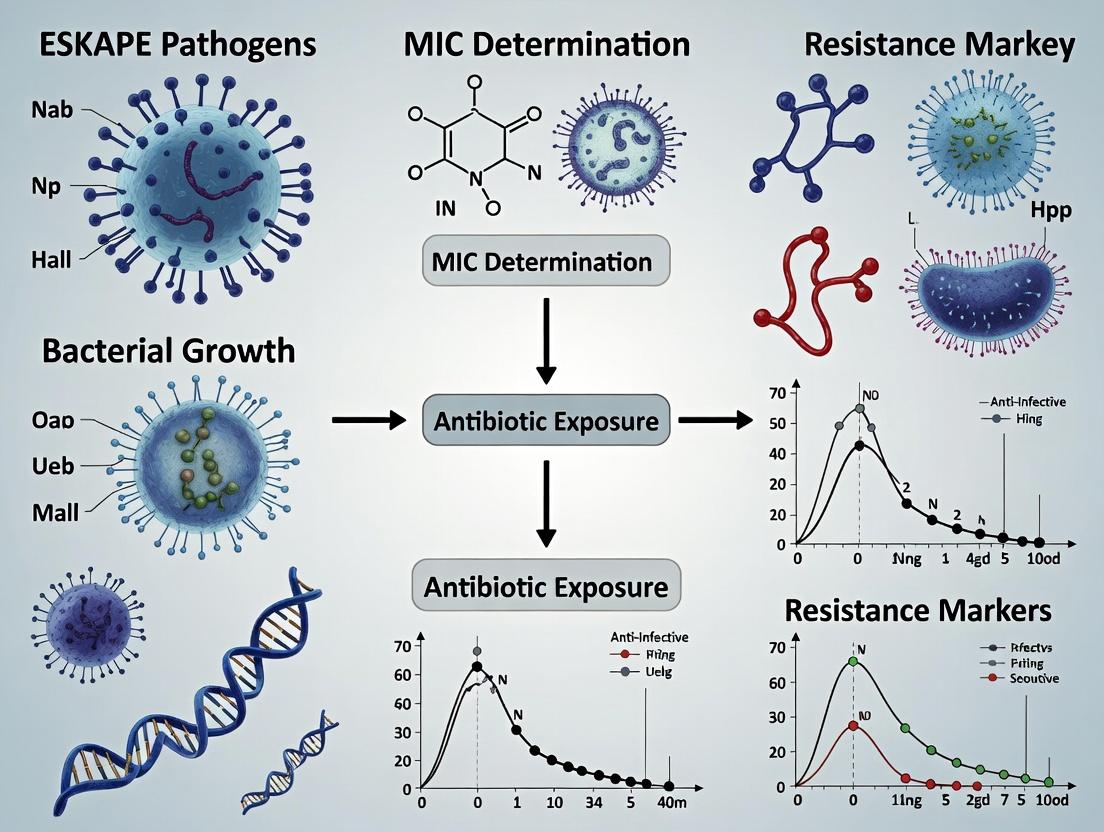
This article provides a comprehensive, current guide to the determination of Intrinsic (INT) Minimum Inhibitory Concentration (MIC) for the ESKAPE pathogens (Enterococcus faecium, Staphylococcus aureus, Klebsiella pneumoniae, Acinetobacter baumannii, Pseudomonas...
INT MIC Determination for ESKAPE Pathogens: A 2024 Guide to Methodology, Challenges, and Clinical Interpretation
Abstract
This article provides a comprehensive, current guide to the determination of Intrinsic (INT) Minimum Inhibitory Concentration (MIC) for the ESKAPE pathogens (Enterococcus faecium, Staphylococcus aureus, Klebsiella pneumoniae, Acinetobacter baumannii, Pseudomonas aeruginosa, and Enterobacter spp.). Targeted at researchers, scientists, and drug development professionals, it covers foundational concepts, standardized methodologies (CLSI/EUCAST), troubleshooting for common assay challenges, and the critical validation and comparative analysis needed to translate in-vitro INT MIC data into meaningful insights for antimicrobial stewardship and novel drug development. The scope integrates the latest guidelines and technological advancements to ensure robust, reproducible, and clinically relevant data generation.
Understanding INT MIC: The Foundational Pillar of ESKAPE Pathogen Susceptibility Testing
This document serves as an application note within a broader thesis investigating the determination of Intrinsic Minimum Inhibitory Concentration (INT MIC) for ESKAPE pathogens (Enterococcus faecium, Staphylococcus aureus, Klebsiella pneumoniae, Acinetobacter baumannii, Pseudomonas aeruginosa, and Enterobacter spp.). Understanding the distinction between intrinsic and acquired resistance is foundational for designing effective antimicrobial agents and stewardship programs. Intrinsic resistance refers to innate, chromosomally encoded traits present in all or most members of a bacterial species, constituting the wild-type susceptibility profile. Acquired resistance results from horizontal gene transfer or mutations, leading to a deviation from the wild-type MIC distribution.
Core Concepts: A Comparative Analysis
Table 1: Core Characteristics of Intrinsic vs. Acquired Resistance
| Feature | Intrinsic Resistance | Acquired Resistance |
|---|---|---|
| Genetic Basis | Chromosomal genes inherent to the species/strain. | Acquired via plasmids, transposons, integrons, or mutations. |
| Vertical Transmission | Inherited vertically from parent to daughter cell. | Can be transferred horizontally between bacteria. |
| Prevalence | Universal within a bacterial species/clade. | Variable; present only in some isolates/populations. |
| Phenotypic Expression | Always expressed or inducible in all cells. | May require induction or be constitutive. |
| Typical Mechanisms | Reduced permeability, efflux pumps, natural enzymatic inactivation, lack of target. | Acquired β-lactamases, altered target sites (PBPs), acquired efflux pumps, enzyme modification. |
| INT MIC Relevance | Defines the wild-type MIC distribution and epidemiological cutoff (ECOFF). | MIC exceeds the wild-type distribution/ECOFF. |
| Example in ESKAPE | P. aeruginosa outer membrane low permeability to many drugs. | K. pneumoniae acquiring a carbapenemase (e.g., KPC). |
Table 2: Representative INT MIC Ranges for Key ESKAPE Pathogens (Current Data)
| Pathogen | Antimicrobial Class (Example Drug) | Typical Wild-Type MIC Range (µg/mL)* | Primary Intrinsic Mechanism |
|---|---|---|---|
| Acinetobacter baumannii | Cephalosporins (Ceftriaxone) | 16 - >64 | Chromosomal AmpC β-lactamase, efflux pumps |
| Pseudomonas aeruginosa | Macrolides (Erythromycin) | >256 | Low outer membrane permeability, efflux |
| Klebsiella pneumoniae | Aminoglycosides (Streptomycin) | 8 - 32 | Low-level aminoglycoside modifying enzymes |
| Staphylococcus aureus | Lincosamides (Lincomycin) | 1 - 4 | Native efflux (e.g., lmrS gene) |
| Enterococcus faecium | Cephalosporins (all) | >256 | Low-affinity PBPs, lack of lethal target |
| Enterobacter cloacae | Aminopenicillins (Ampicillin) | >32 | Chromosomal AmpC β-lactamase |
Note: Ranges are generalized from recent surveillance studies (e.g., EUCAST) and represent non-resistant wild-type populations. Actual ECOFF values should be consulted from current databases.
Experimental Protocols for INT MIC Determination
Protocol 1: Broth Microdilution for Establishing Wild-Type MIC Distributions
Purpose: To generate the primary quantitative data for defining intrinsic resistance by determining MICs for a large collection of genetically susceptible isolates.
Materials: See "The Scientist's Toolkit" section. Procedure:
- Bacterial Isolate Selection: Curate a collection of ≥100 isolates for the target species, confirmed by genomics to lack known acquired resistance determinants for the drug of interest.
- Inoculum Preparation: From an overnight agar plate, prepare a 0.5 McFarland suspension in sterile saline. Dilute in cation-adjusted Mueller-Hinton Broth (CAMHB) to achieve a final density of ~5 x 10⁵ CFU/mL in the test well.
- Plate Preparation: Using sterile 96-well polystyrene plates, prepare a two-fold serial dilution series of the antimicrobial agent in CAMHB (e.g., 0.06 to 64 µg/mL). Include growth control (no drug) and sterility control (no inoculum) wells.
- Inoculation: Aliquot 100 µL of the standardized inoculum into each well except the sterility control.
- Incubation: Incubate plates at 35±2°C for 16-20 hours in ambient air.
- Reading Endpoints: Determine the MIC as the lowest concentration that completely inhibits visible growth. Use a mirrored reader for objectivity.
- Data Analysis: Compile all MICs. The wild-type distribution is the modal distribution of MICs for isolates without acquired resistance mechanisms. The ECOFF is the highest MIC within this population.
Protocol 2: Genetic Confirmation of Wild-Type Status via PCR
Purpose: To validate that isolates used for INT MIC determination lack key acquired resistance genes.
Materials: Thermal cycler, PCR reagents, primers for common acquired resistance genes (e.g., mecA, blaKPC, blaNDM, vanA), gel electrophoresis system. Procedure:
- DNA Extraction: Use a boiling lysis or column-based method to extract genomic DNA from test isolates.
- PCR Amplification: Set up multiplex or singleplex PCR reactions with primers specific for targeted acquired resistance genes. Include positive and negative controls.
- Amplification Conditions: Standard cycling: initial denaturation at 95°C for 5 min; 30 cycles of 95°C for 30s, annealing (primer-specific Tm) for 30s, 72°C for 1 min/kb; final extension at 72°C for 7 min.
- Amplicon Detection: Separate PCR products by agarose gel electrophoresis (1.5-2%). Visualize bands under UV light.
- Interpretation: Isolates showing no amplification for all targeted acquired genes are confirmed as wild-type and suitable for INT MIC population analysis.
Visualizations
Title: Intrinsic vs Acquired Resistance Origin & Mechanisms
Title: INT MIC Determination Experimental Workflow
The Scientist's Toolkit: Essential Research Reagents & Materials
Table 3: Key Reagents for INT MIC Studies on ESKAPE Pathogens
| Item | Function/Brief Explanation | Example/Supplier (Informational) |
|---|---|---|
| Cation-Adjusted Mueller Hinton Broth (CAMHB) | Standardized medium for MIC testing; correct divalent cation concentrations ensure accurate aminoglycoside & polymyxin activity. | Becton Dickinson, Oxoid |
| Sensititre or TREK Broth Microdilution Plates | Pre-configured, lyophilized antibiotic panels for high-throughput, reproducible MIC determination. | Thermo Fisher Scientific, Trek Diagnostic Systems |
| Mueller Hinton Agar Plates | For initial culture purity checks and inoculum preparation. | Hardy Diagnostics, Sigma-Aldrich |
| 0.5 McFarland Turbidity Standard | Essential for standardizing bacterial inoculum density to ~1.5 x 10⁸ CFU/mL. | bioMérieux, Liofilchem |
| PCR Master Mix & Resistance Gene Primers | For genetic confirmation of wild-type status by amplifying (or ruling out) acquired resistance genes. | Qiagen, IDT, EUCAST curated sequences |
| DNA Extraction Kits (Bacterial) | Rapid purification of genomic DNA for downstream PCR confirmation assays. | QIAamp DNA Mini Kit (Qiagen), boiling lysis methods |
| EUCAST or CLSI Breakpoint/ECOFF Tables | Reference documents for interpreting MICs and defining wild-type cutoff values. | Critical: Must use current year's guidelines (e.g., EUCAST v14.0). |
Introduction Within the context of advancing antimicrobial resistance (AMR) research, particularly for INT Minimum Inhibitory Concentration (MIC) determination, understanding the intrinsic resistance mechanisms of the ESKAPE pathogens is paramount. These organisms—Enterococcus faecium, Staphylococcus aureus, Klebsiella pneumoniae, Acinetobacter baumannii, Pseudomonas aeruginosa, and Enterobacter spp.—represent a critical group due to their ability to "escape" the biocidal effects of antibiotics. This application note details the intrinsic resistance profiles that complicate INT MIC determination and provides standardized protocols for researchers engaged in novel drug development against these priority pathogens.
1.0 Intrinsic Resistance Profiles: A Quantitative Summary The intrinsic resistance of ESKAPE pathogens forms the baseline upon which acquired resistance builds, directly influencing INT MIC breakpoints and assay design.
Table 1: Core Intrinsic Resistance Mechanisms of ESKAPE Pathogens
| Pathogen | Intrinsic Resistance To | Primary Mechanism(s) | Impact on INT MIC Baseline |
|---|---|---|---|
| Enterococcus faecium | Cephalosporins, Aminoglycosides (low-level), Sulfonamides | Low-affinity PBPs, inherent aminoglycoside-modifying enzymes | High natural MICs negate use of these drug classes. |
| Staphylococcus aureus | β-lactams (MSSA: low-level), Fosfomycin | Production of β-lactamase, Fosfomycin-modifying enzyme (FosB) | Requires β-lactamase inhibitors in MIC assays for accurate susceptibility. |
| Klebsiella pneumoniae | Ampicillin, Amoxicillin | Chromosomal SHV-1 β-lactamase production | Intrinsic high MIC to aminopenicillins is a key diagnostic marker. |
| Acinetobacter baumannii | Ampicillin, Amoxicillin, 1st/2nd Gen. Cephalosporins | Chromosomal AmpC β-lactamase, Efflux pumps (AdeABC) | Creates a wide-spectrum baseline resistance, complicating empiric therapy. |
| Pseudomonas aeruginosa | Tetracyclines, Chloramphenicol, Sulfonamides, 1st/2nd Gen. Cephalosporins | Low outer membrane permeability, Efflux pumps (MexAB-OprM) | High baseline INT MICs for many drug classes, narrowing therapeutic options. |
| Enterobacter spp. | Ampicillin, Amoxicillin, 1st/2nd Gen. Cephalosporins | Chromosomal AmpC β-lactamase (inducible) | Critical for protocol: Inoculum and induction conditions drastically affect MIC. |
Table 2: Key Permeability & Efflux Factors Influencing INT MIC
| Pathogen | Permeability Barrier | Major Efflux System(s) | Drug Substrates Affected |
|---|---|---|---|
| P. aeruginosa | Low-porin OprD outer membrane | MexAB-OprM, MexXY-OprM | β-lactams, Quinolones, Aminoglycosides |
| A. baumannii | Modified outer membrane proteins | AdeABC, AdeFGH | β-lactams, Chloramphenicol, Fluoroquinolones |
| K. pneumoniae | Capsular polysaccharide barrier | AcrAB-TolC (typically acquired) | Multiple classes (when present) |
2.0 Protocol: INT MIC Determination for ESKAPE Pathogens with Intrinsic Resistance Considerations
2.1 Protocol Title: Broth Microdilution INT MIC Assay for ESKAPE Pathogens with Emphasis on Intrinsic β-Lactamase and Efflux Activity.
2.2 Principle: This standardized CLSI/EUCAST-based protocol incorporates specific considerations for the intrinsic resistance mechanisms of ESKAPE pathogens to ensure accurate and reproducible INT MIC values, crucial for establishing baseline efficacy of novel compounds.
2.3 The Scientist's Toolkit: Research Reagent Solutions Table 3: Essential Materials for INT MIC Assays on ESKAPE Pathogens
| Item | Function & ESKAPE-Specific Note |
|---|---|
| Cation-Adjusted Mueller-Hinton Broth (CAMHB) | Standard medium for MIC; Ensure calcium/magnesium levels are controlled for aminoglycoside & polymyxin testing vs. P. aeruginosa & A. baumannii. |
| β-lactamase Inhibitors (e.g., Clavulanate, Tazobactam) | Used in combination wells to distinguish intrinsic β-lactamase (e.g., K. pneumoniae SHV-1) from extended-spectrum (ESBL) or carbapenemase activity. |
| Efflux Pump Inhibitors (EPIs e.g., Phenylalanine-Argine β-naphthylamide, PAβN) | Critical research tool to assess the contribution of intrinsic efflux (e.g., Mex systems in P. aeruginosa) to observed INT MIC. Include control wells with EPI. |
| Induction Supplements (e.g., Cefoxitin) | For Enterobacter spp. and other AmpC-harboring pathogens, a sub-inhibitory cefoxitin inducer may be used in parallel assays to evaluate inducible resistance impact on INT MIC. |
| Standard Inoculum (5x10^5 CFU/mL) | Critical: Strict adherence to inoculum density is required, as intrinsic AmpC expression is inoculum-dependent. Use calibrated densitometry or colony count verification. |
| 96-Well Microtiter Plates (Sterile, Non-Treated) | For broth microdilution. Pre-prepared panels with serial dilutions of intrinsic resistance-affected antibiotics (e.g., ampicillin for K. pneumoniae) serve as controls. |
2.4 Detailed Workflow:
- Bacterial Preparation: From fresh overnight culture on non-selective agar (e.g., MH agar), prepare a 0.5 McFarland suspension in sterile saline.
- Inoculum Standardization: Dilute the suspension in CAMHB to achieve a final concentration of 5 x 10^5 CFU/mL in the test well. Verify via colony count on a subset.
- Plate Preparation: a. For standard INT MIC: Dispense 100 µL of antimicrobial solution (2x final concentration) into well. b. For Efflux Inhibition Assay: Prepare wells with antimicrobial at 2x final concentration plus PAβN at a subinhibitory concentration (typically 20-50 mg/L). c. For β-lactamase Inhibition Assay: Prepare wells with β-lactam antibiotic combined with a fixed concentration of inhibitor (e.g., amoxicillin-clavulanate).
- Inoculation: Add 100 µL of the standardized inoculum to each well. Include growth control (broth + inoculum) and sterility control (broth only).
- Incubation: Incubate plates at 35 ± 2 °C for 16-20 hours in ambient air. Note: For intrinsic inducible AmpC studies, consider 24-hour incubation.
- Reading and Interpretation: Read MIC as the lowest concentration completely inhibiting visible growth. Compare MICs in the presence and absence of EPIs or β-lactamase inhibitors to quantify the contribution of intrinsic resistance mechanisms.
3.0 Visualizing Mechanisms and Workflows
Title: Primary Intrinsic Resistance Mechanisms in ESKAPE Pathogens
Title: INT MIC Workflow with Intrinsic Resistance Modulators
Conclusion Accurate INT MIC determination for ESKAPE pathogens necessitates explicit acknowledgment and controlled investigation of their intrinsic resistance profiles. By integrating specific inhibitors and controlled conditions into standardized protocols, researchers can dissect the contribution of these baseline mechanisms from acquired resistance. This approach is fundamental for the valid assessment of novel antimicrobial agents, ensuring that reported MICs truly reflect compound efficacy rather than confounding intrinsic factors.
The Role of INT MIC Data in Antimicrobial Stewardship and Novel Drug Discovery
Integrative Minimum Inhibitory Concentration (INT MIC) data represents a critical convergence point for antimicrobial stewardship (AMS) programs and novel antibacterial drug discovery. Within the broader thesis context of INT MIC determination for ESKAPE pathogens (Enterococcus faecium, Staphylococcus aureus, Klebsiella pneumoniae, Acinetobacter baumannii, Pseudomonas aeruginosa, and Enterobacter species), this data provides a quantitative, standardized metric for assessing bacterial susceptibility. For stewardship, it guides empirical and definitive therapy, while for discovery, it serves as a primary endpoint for evaluating novel compounds and understanding resistance mechanisms. This document provides detailed application notes and protocols for generating and utilizing INT MIC data in both domains.
INT MIC Data in Antimicrobial Stewardship: Application Notes
INT MIC values, especially when aggregated into hospital or regional antibiograms, are the backbone of evidence-based AMS. The move towards more precise, quantitative INT MIC data over categorical interpretations (S/I/R) enables more nuanced stewardship interventions.
Table 1: Application of INT MIC Data in Stewardship Interventions
| Stewardship Intervention | Role of INT MIC Data | Quantitative Metric |
|---|---|---|
| Guideline Development | Informs breakpoints for empirical therapy. | MIC₅₀/MIC₉₀ values for key drug-bug combinations. |
| Therapy De-escalation | Allows selection of the most narrow-spectrum agent with adequate susceptibility. | Actual MIC value compared to clinical breakpoint. |
| Dose Optimization | Supports Pharmacokinetic/Pharmacodynamic (PK/PD) target attainment analysis. | MIC distribution used to calculate %T>MIC, AUC/MIC. |
| Resistance Trend Monitoring | Tracks shifts in MIC distributions over time, signaling emerging resistance. | Annual change in geometric mean MIC or % above ECOFF. |
Protocol 2.1: Generating a PK/PD-Optimized Antibiogram
- Objective: Create an antibiogram that informs dose and regimen selection based on local MIC distributions and PK/PD targets.
- Materials: See The Scientist's Toolkit (Section 5).
- Method:
- Perform INT MIC testing (Protocol 4.1) for a target pathogen and relevant antibiotics over a defined period (e.g., 6-12 months).
- For each drug-pathogen pair, calculate the MIC₅₀, MIC₉₀, and geometric mean MIC.
- For beta-lactams, determine the percentage of isolates where the achievable free drug time above MIC (fT>MIC) for a standard or high-dose regimen meets the PK/PD target (e.g., 50% fT>MIC for carbapenems).
- Present data in a table format alongside traditional susceptibility percentages, highlighting regimens likely to achieve PK/PD targets against the local MIC distribution.
INT MIC Data in Novel Drug Discovery: Application Notes
In discovery, INT MIC determination is a first-line assay for evaluating compound potency. For ESKAPE pathogens, understanding the MIC within the context of intrinsic and acquired resistance mechanisms is vital.
Table 2: INT MIC Data Applications in the Drug Discovery Pipeline
| Discovery Stage | Primary Use of INT MIC | Key Outputs |
|---|---|---|
| Hit Identification | Initial screening of compound libraries against ESKAPE panels. | Primary potency metric (µg/mL or µM). |
| Lead Optimization | SAR analysis; comparison to standard-of-care agents. | MIC shifts against isogenic mutant pairs (e.g., efflux pump knockout). |
| Mechanism of Action | Used in combination with biochemical assays (e.g., macromolecular synthesis). | MIC changes in presence of pathway-specific inhibitors. |
| Resistance Studies | Determines frequency of resistance (FoR) and cross-resistance potential. | MIC fold-change in passaged mutants or against resistant clinical isolates. |
Protocol 3.1: Determining Frequency of Resistance (FoR)
- Objective: Quantify the spontaneous rate of resistance development to a novel compound.
- Method:
- Grow the target ESKAPE pathogen to mid-log phase (~1 x 10⁸ CFU/mL).
- Plate 100 µL of undiluted culture and 100 µL of 10⁻¹ to 10⁻⁶ dilutions onto drug-free agar to determine total viable count.
- Plate 200-500 µL of undiluted culture onto agar plates containing the test compound at 2x, 4x, and 8x its baseline MIC.
- Incubate for 48-72 hours. Count colonies on both sets of plates.
- Calculate FoR = (Number of colonies on drug-containing plate) / (Total number of CFU plated).
- Interpretation: A FoR < 1 x 10⁻⁹ is generally considered low risk for rapid clinical resistance emergence.
Core Experimental Protocol: INT MIC Determination for ESKAPE Pathogens
Protocol 4.1: Broth Microdilution for INT MIC Determination (Reference CLSI M07)
- Objective: Determine the minimum inhibitory concentration of an antimicrobial agent against a bacterial isolate.
- Materials: Cation-adjusted Mueller-Hinton Broth (CAMHB), sterile 96-well polypropylene microtiter plates, bacterial inoculum at 5 x 10⁵ CFU/mL, antimicrobial agent stock solutions.
- Method:
- Preparation of Drug Dilutions: Perform two-fold serial dilutions of the antimicrobial agent in CAMHB across the wells of a microtiter plate (e.g., 64 µg/mL to 0.06 µg/mL). Leave one column as growth control (no drug).
- Inoculation: Dilute a standardized bacterial suspension to achieve a final concentration of ~5 x 10⁵ CFU/mL in each well. Add 100 µL of this suspension to all test and growth control wells.
- Incubation: Seal plate and incubate at 35±2°C for 16-20 hours in ambient air.
- Reading: Examine wells visually or with a spectrophotometer. The MIC is the lowest concentration of antimicrobial that completely inhibits visible growth.
- Quality Control: Include reference strains (e.g., E. coli ATCC 25922, P. aeruginosa ATCC 27853) with each run. Results must fall within established QC ranges.
The Scientist's Toolkit: Research Reagent Solutions
Table 3: Essential Materials for INT MIC Research
| Item | Function & Rationale |
|---|---|
| Cation-Adjusted Mueller Hinton Broth (CAMHB) | Standard medium for MIC testing; controlled Ca²⁺ and Mg²⁺ levels ensure accurate aminoglycoside and polymyxin results. |
| 96-Well Microtiter Plates (Polypropylene) | Non-binding surface prevents adsorption of lipopeptides and other sticky compounds, ensuring accurate drug concentration. |
| Clinical & Laboratory Standards Institute (CLSI) Documents (M07, M100) | Definitive reference for standardized methodology, quality control ranges, and interpretive breakpoints. |
| ATCC/DSMZ Quality Control Strains | Provides genetically stable reference organisms (e.g., S. aureus ATCC 29213) for daily validation of assay performance. |
| DMSO (Cell Culture Grade) | High-purity solvent for dissolving novel chemical entities; low toxicity to bacteria at working concentrations (<1%). |
| Multichannel Pipettes & Reagent Reservoirs | Enables rapid and precise dispensing of broths, inocula, and compounds into high-throughput 96-well formats. |
| Microplate Spectrophotometer (OD₆₀₀) | Allows for objective, quantitative endpoint determination, facilitating analysis of subtle growth effects. |
Visualizations
Title: INT MIC Data Utilization Workflow
Title: Broth Microdilution Protocol Steps
The determination of Minimum Inhibitory Concentration (MIC) for ESKAPE pathogens (Enterococcus faecium, Staphylococcus aureus, Klebsiella pneumoniae, Acinetobacter baumannii, Pseudomonas aeruginosa, and Enterobacter spp.) is a cornerstone of antimicrobial resistance (AMR) research and novel drug development. The standardization of these in vitro susceptibility tests is critical for generating reproducible, comparable, and clinically interpretable data. Three principal bodies provide authoritative guidance: the Clinical and Laboratory Standards Institute (CLSI), the European Committee on Antimicrobial Susceptibility Testing (EUCAST), and the U.S. Food and Drug Administration (FDA). This article details their roles, differences, and provides application notes and protocols for MIC determination in the context of ESKAPE pathogen research.
The following table summarizes the core characteristics, scope, and output of each regulatory and standardization body relevant to antimicrobial susceptibility testing (AST).
Table 1: Comparative Overview of CLSI, EUCAST, and FDA Guidance on AST
| Feature | CLSI | EUCAST | FDA (CDER) |
|---|---|---|---|
| Primary Role | Develops voluntary consensus standards for clinical laboratories. | Sets breakpoints and standardizes methodology across Europe; integrates research, clinical, and regulatory. | Regulatory agency; approves drugs and devices, provides guidances for industry on drug development. |
| Key Document(s) | M07 (Broth Dilution), M100 (Performance Standards & Breakpoints), M02 (Disk Diffusion). | EUCAST Definitive Document (EDef) on MIC determination, Breakpoint Tables. | Guidance for Industry: Microbiology Data for Systemic Antibacterial Drug Development. |
| Breakpoint Setting Philosophy | Based on MIC distributions, PK/PD data, clinical outcome data, and safety. A multi-stakeholder process. | Integrates PK/PD and clinical data from the start; aims for a single, Europe-wide breakpoint. | Reviews sponsor-submitted data (MICs, PK/PD, clinical outcomes) to establish breakpoints for drug labeling. |
| Methodological Focus | Detailed, procedural standards (e.g., inoculum prep, media specs, incubation conditions). | Standardized methodology, often harmonized with ISO standards. Emphasizes reproducibility. | Focuses on data requirements for regulatory submissions (e.g., QC ranges, number of isolates to test). |
| Primary Audience | Clinical microbiologists, laboratory professionals, researchers in the US and globally. | Clinical microbiologists, researchers, and regulators in Europe and beyond. | Pharmaceutical sponsors, drug developers, clinical researchers. |
| Access to Standards | Documents are copyrighted and sold. | All standards, breakpoints, and guidelines are freely available online. | All guidances are freely available on the FDA website. |
Table 2: Quantitative Comparison of Key Methodological Parameters for Broth Microdilution (ESKAPE Pathogens)
| Parameter | CLSI M07 | EUCAST EDef 7.3 | Common Ground / Notes |
|---|---|---|---|
| Inoculum Density | 5 x 10⁵ CFU/mL (final) | 5 x 10⁵ CFU/mL (final) | Identical target. |
| Growth Medium | Cation-adjusted Mueller-Hinton Broth (CAMHB) | CAMHB, with defined Ca²⁺/Mg²⁺ levels. | Media specifications are highly aligned. EUCAST provides specific QC ranges for cation concentrations. |
| Incubation Time | 16-20 hours; 24h for some fastidious organisms. | 16-20 hours; +/- 1 hour defined. | Nearly identical. |
| Incubation Temp | 35°C ± 1°C (ambient air) | 35°C ± 1°C (ambient air) | Identical. |
| Acceptable Inoculum QC Range | Colony count on agar should be within ± 0.5 log₁₀ of target. | Regular verification using spiral plating or colony counting recommended. | Both require verification of inoculum density. |
| QC Strains & Acceptable MIC Ranges | E. coli ATCC 25922, P. aeruginosa ATCC 27853, etc. Specific ranges in M100. | E. coli ATCC 25922, P. aeruginosa ATCC 27853, etc. Ranges in EUCAST QC tables. | Strains are identical; acceptable MIC ranges are generally comparable but must be checked against respective tables. |
Detailed Experimental Protocols for INT MIC Determination
The following protocol integrates requirements from CLSI M07 and EUCAST EDef 7.3 for determining MICs against ESKAPE pathogens, with the addition of a colorimetric redox indicator, 2,3,5-triphenyltetrazolium chloride (INT), to enhance endpoint visualization for research purposes.
Protocol 1: Broth Microdilution MIC with INT Endpoint for ESKAPE Pathogens
I. Principle: Serial two-fold dilutions of an antimicrobial agent are prepared in a liquid growth medium in a microtiter plate. A standardized inoculum of the test organism is added. Following incubation, the MIC is read as the lowest concentration that completely inhibits visible growth. INT, a colorless compound, is reduced to a pink/red formazan by metabolically active bacteria, providing a clear colorimetric endpoint.
II. Materials & Reagent Solutions (The Scientist's Toolkit)
Table 3: Essential Research Reagent Solutions for INT MIC Determination
| Item / Reagent | Function / Specification | Source / Preparation Note |
|---|---|---|
| Cation-Adjusted Mueller Hinton Broth (CAMHB) | Standard growth medium ensuring consistent cation levels (Ca²⁺, Mg²⁺) that affect aminoglycoside & polymyxin activity. | Commercially available or prepared per CLSI/EUCAST specs. Must verify cation levels. |
| Antimicrobial Stock Solution | Pure compound for dilution series. Critical for accurate concentration. | Prepare in appropriate solvent (water, DMSO, etc.) at high concentration (e.g., 5120 µg/mL), filter sterilize. Aliquot and store at -80°C. |
| Sterile 0.85% Saline or Phosphate Buffer | For diluting bacterial suspensions to achieve the target inoculum density. | Simple electrolyte solution to maintain osmotic balance. |
| McFarland 0.5 Standard | Visual standard to approximate a bacterial suspension of ~1.5 x 10⁸ CFU/mL. | Commercial latex standard or prepared suspension of barium sulfate. |
| Sterile Polystyrene Microtiter Plates (96-well) | Platform for conducting the broth microdilution assay. Must have low drug-binding properties. | U-bottom or flat-bottom plates suitable for bacterial growth and visual/spectrophotometric reading. |
| INT Solution (0.2 mg/mL) | Colorimetric redox indicator. Reduced to red formazan by bacterial dehydrogenases, marking growth. | Prepare fresh in sterile water or PBS. Filter sterilize. Protect from light. |
| Quality Control (QC) Strains | Reference strains with known MIC ranges to validate the entire test system (media, inoculum, drugs). | E. coli ATCC 25922, S. aureus ATCC 29213, P. aeruginosa ATCC 27853. |
III. Step-by-Step Procedure
Antimicrobial Dilution Series Preparation (Day 1): a. Thaw the antimicrobial stock solution. b. Using CAMHB, perform a two-fold serial dilution of the antibiotic in a sterile tube or trough to create a concentration series that is twice the final desired highest concentration (e.g., 64 µg/mL to 0.125 µg/mL final range). c. Using a multichannel pipette, dispense 50 µL of each dilution into the respective wells of columns 1-11 of a 96-well microtiter plate. Column 12 will serve as the growth control (no drug). d. Add 50 µL of plain CAMHB to column 12.
Inoculum Preparation (Day 1): a. From a fresh overnight agar plate, select 3-5 colonies of the ESKAPE test isolate and suspend in saline. b. Adjust the suspension to a 0.5 McFarland standard (approx. 1.5 x 10⁸ CFU/mL). c. Dilute this suspension 1:150 in CAMHB to achieve a working inoculum of approximately 1 x 10⁶ CFU/mL. d. Verification: Perform a viable count by plating 10 µL of a 1:10,000 dilution of the working inoculum onto an agar plate. Incubate and count colonies. Target is 5 x 10⁵ CFU/mL in the final well.
Inoculation and Incubation: a. Add 50 µL of the adjusted inoculum to all wells of columns 1-12. This results in a 1:1 dilution, giving the final drug concentrations and a final target inoculum of ~5 x 10⁵ CFU/mL. b. Seal the plate with a breathable membrane or place in a humidified container to prevent evaporation. c. Incubate at 35°C ± 1°C in ambient air for 16-20 hours.
INT Addition and MIC Reading (Day 2): a. After incubation, add 10 µL of the 0.2 mg/mL INT solution to each well. b. Re-incubate the plate at 35°C for 30-120 minutes. c. Visually inspect the plate. Wells with bacterial growth will turn pink/red due to INT reduction. The MIC endpoint is defined as the lowest concentration of antimicrobial in which no pink/red color develops (indicating no metabolic activity/growth). d. Compare the growth control (column 12) which should be bright red, and the sterile control (if included) which should remain colorless.
Quality Control: a. Run QC strains (e.g., E. coli ATCC 25922) in parallel with the test isolates using a relevant antibiotic (e.g., ciprofloxacin). b. The observed MIC for the QC strain must fall within the acceptable range published by CLSI (M100) or EUCAST.
Visual Workflows
Broth Microdilution with INT Protocol Workflow
Interplay of Regulatory Bodies in Shaping Research Protocols
Determining the Interpretive Minimum Inhibitory Concentration (INT MIC) for ESKAPE pathogens (Enterococcus faecium, Staphylococcus aureus, Klebsiella pneumoniae, Acinetobacter baumannii, Pseudomonas aeruginosa, and Enterobacter spp.) is a cornerstone of modern antimicrobial resistance (AMR) research and novel therapeutic development. Precise understanding and application of core susceptibility testing terminology—MIC, MIC50, MIC90, and ECOFF—are critical for interpreting in vitro data, tracking resistance trends, and establishing clinical breakpoints.
Core Definitions and Quantitative Data
Minimum Inhibitory Concentration (MIC)
The lowest concentration of an antimicrobial agent that completely inhibits visible growth of a microorganism under standardized in vitro conditions. It is the fundamental quantitative measure of bacterial susceptibility.
MIC50 and MIC90
MIC50: The minimum inhibitory concentration at which 50% of the isolates in a tested population are inhibited. It is a statistical descriptor of the central tendency of susceptibility. MIC90: The minimum inhibitory concentration at which 90% of the isolates are inhibited. It indicates the concentration required to inhibit the majority of a population, including the less susceptible strains.
Epidemiological Cut-Off (ECOFF) Value
The highest MIC value for a microorganism that is still within the wild-type population distribution, lacking phenotypically detectable acquired resistance mechanisms. ECOFF separates the wild-type (WT) population from non-wild-type (NWT) populations with resistance mechanisms.
Table 1: Representative MIC and ECOFF Data for ESKAPE Pathogens (Key Antimicrobials)
| Pathogen | Antimicrobial Agent | MIC50 (mg/L) | MIC90 (mg/L) | ECOFF (mg/L) | Key Resistance Mechanism |
|---|---|---|---|---|---|
| Staphylococcus aureus (MRSA) | Vancomycin | 1.0 | 2.0 | ≤2 (WT) | Thickened cell wall (van genes absent) |
| Pseudomonas aeruginosa | Meropenem | 1.0 | >8 | ≤2 (WT) | Loss of OprD porin, ESBL/AmpC, MBLs |
| Acinetobacter baumannii | Colistin | 0.5 | 1.0 | ≤2 (WT) | LPS modifications (mgrB, pmrAB) |
| Klebsiella pneumoniae (CRE) | Ceftazidime/Avibactam | 0.5 | 4.0 | ≤8 (WT) | KPC, OXA-48-like (inhibited by avibactam) |
| Enterococcus faecium (VRE) | Linezolid | 2.0 | 2.0 | ≤4 (WT) | Mutations in 23S rRNA, cfr gene |
Note: Data is illustrative, compiled from recent EUCAST and CLSI publications. Actual values vary by geographic region and study population.
Protocols for INT MIC Determination in ESKAPE Pathogens
Protocol 1: Broth Microdilution (BMD) – Gold Standard Method
Application: Determination of precise MIC values for research and reference purposes. Materials: See "The Scientist's Toolkit" below. Procedure:
- Inoculum Preparation: Adjust a logarithmic-phase broth culture of the target ESKAPE pathogen to a 0.5 McFarland standard (~1-2 x 10^8 CFU/mL). Further dilute in sterile cation-adjusted Mueller-Hinton Broth (CAMHB) to achieve a final concentration of approximately 5 x 10^5 CFU/mL in the test well.
- Plate Preparation: Using a sterile 96-well microtiter plate, dispense 100 µL of CAMHB into all wells. Perform two-fold serial dilutions of the antimicrobial stock solution across the plate's rows (e.g., 128 mg/L to 0.06 mg/L). Include growth control (no drug) and sterility control (no inoculum) wells.
- Inoculation: Add 100 µL of the standardized inoculum to all test and growth control wells. Add 100 µL of sterile broth to the sterility control well.
- Incubation: Seal plates and incubate at 35±2°C for 16-20 hours (24h for some enterococci) in ambient air.
- Reading and Interpretation: Examine plates visually or with a reading mirror. The MIC is the lowest concentration that completely inhibits visible growth. Confirm endpoint with ≥95% inhibition if using a spectrophotometer.
Protocol 2: Population Analysis for ECOFF Determination
Application: Establishing the wild-type MIC distribution and defining the ECOFF for a drug-bug combination. Materials: As for BMD, requiring a large panel of confirmed wild-type isolates (typically ≥100). Procedure:
- Isolate Collection: Assemble a geographically representative collection of clinically relevant isolates, excluding known producers of acquired resistance mechanisms via genotypic screening.
- MIC Testing: Determine the MIC for each isolate using the BMD method (Protocol 1). Ensure strict adherence to standard methodology.
- Data Aggregation: Tabulate all MIC values. Convert MICs to a log2 scale for analysis.
- Distribution Analysis: Plot the MIC distribution histogram. The wild-type population should form a single, approximately normal distribution.
- ECOFF Calculation: Apply statistical methods (e.g., normalized resistance interpretation, ECOFFinder) to objectively identify the upper limit of the wild-type distribution. The ECOFF is typically set at the MIC value that captures ≥97.5% or 99% of the modeled wild-type population.
Visualizing MIC Data Interpretation
Diagram Title: Relationship between MIC, ECOFF, and Clinical Breakpoints
The Scientist's Toolkit: Key Research Reagent Solutions
Table 2: Essential Materials for INT MIC Determination
| Item | Function in Research | Example/Specification |
|---|---|---|
| Cation-Adjusted Mueller Hinton Broth (CAMHB) | Standardized growth medium ensuring consistent cation concentrations (Ca2+, Mg2+) critical for aminoglycoside and polymyxin testing. | CLSI/FDA approved, prepared per M07 guidelines. |
| Microtiter Plates (96-Well, Sterile) | Platform for performing broth microdilution assays. Must be non-binding for proteins/antimicrobials. | Polystyrene, U-bottom or flat-bottom. |
| Antimicrobial Reference Powder | High-purity, potency-certified standard for preparing accurate stock solutions. | Obtain from accredited agencies (e.g., USP, EDQM). |
| Multichannel Pipettes & Sterile Tips | For accurate and rapid dispensing of broth, inoculum, and antimicrobial dilutions. | Calibrated, volume range 20-200 µL. |
| Automated Plate Reader (with incubator) | For objective, high-throughput endpoint determination (OD600 measurement). Enables large-scale studies for MIC50/90/ECOFF. | Temperature-controlled, shaking capability. |
| QC Strains (e.g., ATCC) | Essential for daily validation of test conditions and reagent performance. | E. coli ATCC 25922, P. aeruginosa ATCC 27853, S. aureus ATCC 29213. |
| Molecular Biology Kits (PCR/Sequencing) | For confirming wild-type status or identifying resistance genes in isolates used for ECOFF setting. | DNA extraction kits, 16S rRNA/ rpoB sequencing, targeted PCR for mecA, blaKPC, etc. |
Step-by-Step Protocols: Standardized Methods for INT MIC Determination on ESKAPE Pathogens
In the broader thesis on in vitro Minimum Inhibitory Concentration (MIC) determination for ESKAPE pathogens (Enterococcus faecium, Staphylococcus aureus, Klebsiella pneumoniae, Acinetobacter baumannii, Pseudomonas aeruginosa, and Enterobacter species), selecting the appropriate antimicrobial susceptibility testing (AST) method is foundational. These priority pathogens, notorious for antimicrobial resistance, require precise and reproducible MIC data to guide therapeutic decisions and novel drug development. This document presents application notes and protocols for three core quantitative methods: Broth Microdilution (the reference standard), Agar Dilution, and Automated Systems.
Quantitative Method Comparison and Data Presentation
Table 1: Comparative Overview of Core MIC Determination Methods
| Parameter | Broth Microdilution (CLSI M07) | Agar Dilution (CLSI M07) | Automated Systems (e.g., VITEK 2, MicroScan) |
|---|---|---|---|
| Reference Standard | Yes, gold standard for non-fastidious bacteria | Yes, preferred for fastidious or anaerobic organisms | No, calibrated against reference methods |
| Throughput | Medium (manual: 20-30 isolates/run) | Low (manual, high for multiple isolates on one plate) | High (96-384 isolates/run, continuous) |
| Cost per Test | Low reagent cost, high labor | Low reagent cost, high labor | High instrument/reagent cost, low labor |
| Precision & Accuracy | High, manual error potential | High, manual error potential | Standardized, high reproducibility |
| Flexibility | High (custom panels, research compounds) | High (custom plates, research compounds) | Low (fixed panels, FDA-cleared drugs) |
| Turnaround Time | 16-24 hrs + manual reading | 16-24 hrs + manual reading | 4-18 hrs, automated reading |
| Key Application in ESKAPE Research | Reference validation, novel drug testing, colistin/polymyxin B testing | Testing fastidious organisms, mutant subpopulations | High-throughput screening, surveillance studies |
Table 2: Example MIC Distribution Data for P. aeruginosa Against Ciprofloxacin (Hypothetical Study)
| Method | MIC₅₀ (µg/mL) | MIC₉₀ (µg/mL) | Mode (µg/mL) | Range (µg/mL) | Agreement with Reference (%) |
|---|---|---|---|---|---|
| Broth Microdilution | 0.5 | 8 | 0.5 | 0.25 - >32 | 100 (Reference) |
| Agar Dilution | 0.5 | 16 | 0.5 | 0.25 - >32 | 94.2 |
| Automated System A | 1 | 16 | 1 | 0.5 - >32 | 90.5 |
Experimental Protocols
Protocol: Broth Microdilution for ESKAPE Pathogens
Based on CLSI document M07 (Latest Edition).
I. Principle: Serial two-fold dilutions of an antimicrobial agent in cation-adjusted Mueller-Hinton broth (CAMHB) are inoculated with a standardized bacterial suspension. After incubation, the MIC is the lowest concentration inhibiting visible growth.
II. Materials & Reagents:
- Sterile, 96-well U-bottom microdilution trays.
- CAMHB (for P. aeruginosa, A. baumannii, Enterobacterales; for S. aureus, add 2% NaCl for MRSA; for Enterococci, use Brain Heart Infusion broth).
- Antimicrobial stock solutions (prepared from USP reference powder).
- Sterile distilled water, saline (0.85% NaCl).
- Adjustable pipettes (10-100 µL, 100-1000 µL), sterile tips.
- 0.5 McFarland turbidity standard or densitometer.
- Incubator (35°C ± 2°C).
III. Procedure:
- Antimicrobial Dilution Series:
- Prepare a 2x concentrated stock solution of the highest antimicrobial concentration in CAMHB.
- Perform two-fold serial dilutions in CAMHB across a 96-deep well block to create 2x working solutions.
- Dispense 50 µL of each 2x antimicrobial dilution into corresponding wells of the microdilution tray. Include a growth control well (CAMHB + inoculum, no drug) and a sterility control (CAMHB only).
Inoculum Preparation:
- Pick 3-5 colonies from an overnight agar plate into saline.
- Adjust turbidity to 0.5 McFarland (~1-5 x 10⁸ CFU/mL).
- Dilute the suspension in CAMHB to achieve a final target inoculum of ~5 x 10⁵ CFU/mL (typically a 1:150 dilution).
Inoculation & Incubation:
- Add 50 µL of the adjusted inoculum to all test and growth control wells. The final volume is 100 µL/well, with antimicrobial at 1x desired concentration.
- Seal tray with a sterile lid or adhesive film. Incubate at 35°C ± 2°C for 16-20 hours in ambient air.
Reading and Interpretation:
- Examine wells visually over a dark, non-reflective surface. The MIC is the lowest drug concentration that completely inhibits visible growth.
- For tigecycline and colistin, use plastic trays and include a resazurin indicator (0.002%) for enhanced endpoint determination.
Protocol: Agar Dilution for ESKAPE Pathogens
Based on CLSI document M07 (Latest Edition).
I. Principle: Antimicrobial agent is incorporated into molten agar at two-fold serial dilutions. A standardized inoculum is spotted onto each plate. After incubation, the MIC is the lowest concentration of agar plate inhibiting growth.
II. Materials & Reagents:
- Mueller-Hinton Agar (MHA) plates; for Streptococci: MHA with 5% sheep blood.
- Antimicrobial stock solutions.
- Steers replicator or multipoint inoculator (delivering 1-2 µL spots).
- 0.5 McFarland turbidity standard.
III. Procedure:
- Plate Preparation:
- Prepare serial two-fold dilutions of antimicrobial in sterile distilled water.
- Add 1 mL of each dilution to 19 mL of molten MHA (55°C) in sterile bottles, mix, and pour into sterile Petri dishes. Final drug concentration is 1x.
- Prepare a drug-free control plate.
Inoculum Preparation & Spotting:
- Prepare bacterial suspensions adjusted to 0.5 McFarland in saline (~10⁸ CFU/mL). For the final inoculum, further dilute 1:10 to yield ~10⁷ CFU/mL.
- Fill Steers replicator wells with standardized inocula. Spot ~1-2 µL onto each agar plate, resulting in a final spot inoculum of ~10⁴ CFU.
Incubation & Reading:
- Allow spots to dry, invert plates, and incubate at 35°C for 16-20 hours.
- The MIC is the lowest concentration of antimicrobial agent in the agar that completely inhibits growth, disregarding a single colony or a faint haze.
Protocol: Automated System (Ex. VITEK 2 AST) for ESKAPE Pathogens
I. Principle: Fluorescence-based or turbidimetric growth monitoring in sealed, miniaturized test cards containing predefined antibiotic gradients.
II. Materials & Reagents:
- VITEK 2 instrument with incubator/reader module.
- VITEK 2 AST cards (e.g., GN AST-N222 for Gram-negative ESKAPE).
- VITEK 2 DensiCHEK Plus for turbidity adjustment.
- Sterile saline (0.45% NaCl), polystyrene tubes.
- VITEK 2 Software.
III. Procedure:
- Inoculum Preparation:
- Pick colonies to prepare a 0.5-0.63 McFarland suspension in saline using the DensiCHEK.
- Fill a polystyrene tube with 3 mL of saline. Use the tube to decant the inoculum into a special VITEK 2 test tube.
Card Inoculation & Loading:
- The system automatically fills, seals, and loads the AST card from the inoculum tube.
- The card contains 64 wells with dried antibiotics and growth indicators.
Incubation & Kinetic Analysis:
- Cards are incubated at 35.5°C and read every 15 minutes by the optical system.
- The system uses kinetic growth curves to determine MICs and interpretive categories (S/I/R) based on CLSI/EUCAST breakpoints.
Quality Control: Perform daily using E. coli ATCC 25922, P. aeruginosa ATCC 27853, S. aureus ATCC 29213.
Diagrams
Title: Decision Workflow for MIC Method Selection
Title: Broth Microdilution Protocol Steps
The Scientist's Toolkit: Essential Research Reagent Solutions
Table 3: Key Reagents and Materials for INT MIC Determination
| Item | Function/Application | Critical Notes for ESKAPE |
|---|---|---|
| Cation-Adjusted Mueller-Hinton Broth (CAMHB) | Standard medium for non-fastidious organisms; ensures consistent cation concentrations (Ca²⁺, Mg²⁺) that affect aminoglycoside & polymyxin activity. | Mandatory for P. aeruginosa and A. baumannii to ensure accurate polymyxin/colistin MICs. |
| Mueller-Hinton Agar (MHA) | Solid medium for agar dilution. | For S. aureus (MRSA), supplement with 2% NaCl for oxacillin testing. |
| Antibiotic Reference Powder (USP Grade) | Preparation of in-house stock solutions for research compounds or non-commercialized drugs. | Essential for thesis work on novel inhibitors; requires accurate weighing and solvent selection. |
| Polystyrene 96-Well U-Bottom Microplates | For broth microdilution. Low drug binding preferred. | Use polypropylene plates for colistin and polymyxin B due to significant binding to polystyrene. |
| Steers Replicator or Multipoint Inoculator | Delivers 1-2 µL spots of standardized inoculum onto agar dilution plates. | Enables testing of up to 36 isolates on a single plate, efficient for mutant libraries. |
| 0.5 McFarland Turbidity Standard | Visual or densitometric standard for inoculum preparation (~1-5 x 10⁸ CFU/mL). | Critical for reproducibility. Automated densitometers (e.g., DensiCHEK) improve precision. |
| Resazurin Dye (0.002% solution) | Oxidation-reduction indicator; turns pink/red in presence of microbial growth. | Enhances endpoint detection for bacteriostatic drugs (e.g., tigecycline) or in opaque media. |
| Automated System AST Cards/Cassettes | Pre-configured, disposable panels containing antibiotics and growth indicators. | Panels are species-specific (e.g., GN for Gram-negative); limited flexibility for research compounds. |
| Quality Control Strain Sets (e.g., ATCC 25922, 27853, 29213) | Daily verification of method accuracy and reagent performance. | Non-negotiable for ensuring data validity in longitudinal thesis research. |
This document provides detailed application notes and protocols for broth microdilution (BMD), the reference method for determining INT Minimum Inhibitory Concentrations (MICs). Within the broader thesis on antimicrobial resistance, these standardized procedures are critical for generating reliable, reproducible MIC data against ESKAPE pathogens (Enterococcus faecium, Staphylococcus aureus, Klebsiella pneumoniae, Acinetobacter baumannii, Pseudomonas aeruginosa, and Enterobacter species). Harmonizing CLSI M07 and EUCAST methodologies ensures data comparability in global drug development research.
Key Standards Comparison
Table 1: Core Comparison of CLSI M07 (11th Ed.) and EUCAST (v 14.0) Broth Microdilution Standards
| Parameter | CLSI M07 (11th Edition, 2018) | EUCAST (Breakpoint Tables v14.0, 2024) |
|---|---|---|
| Primary Broth Medium | Cation-adjusted Mueller-Hinton Broth (CAMHB) | Mueller-Hinton Broth (MHB), cation-adjusted as needed |
| Inoculum Density | 5 x 10⁵ CFU/mL (final in well) | 5 x 10⁵ CFU/mL (final in well) |
| Inoculum Preparation | Direct colony suspension to 0.5 McFarland, diluted 1:150 in broth | Direct colony suspension to 0.5 McFarland, diluted ~1:100 in saline, then 1:10 in broth (1:1000 total) |
| Incubation Conditions | 35°C ± 2°C; ambient air; 16-20h (S. aureus 24h for oxacillin) | 35°C ± 1°C; ambient air; 16-20h; strict 16-18h for Enterobacterales |
| Result Interpretation | Visual (unaided eye) or spectrophotometric. MIC = lowest concentration inhibiting visible growth. | Visual reading recommended. MIC = lowest concentration inhibiting visible growth. |
| Quality Control Strains | E. coli ATCC 25922, P. aeruginosa ATCC 27853, S. aureus ATCC 29213 | E. coli ATCC 25922, P. aeruginosa ATCC 27853, S. aureus ATCC 29213, E. faecalis ATCC 29212 |
| Acceptable QC Ranges | Published in CLSI M100 (Table 3) | Published in EUCAST QC Tables (v14.0) |
Table 2: Key Considerations for ESKAPE Pathogen Subgroups
| Pathogen Group | Special Medium/Supplement (CLSI) | Special Medium/Supplement (EUCAST) | Key QC Strain(s) |
|---|---|---|---|
| Gram-positive (S. aureus, E. faecium) | CAMHB + 2% NaCl for oxacillin/meticillin testing; Lysed Horse Blood (LHB) for daptomycin. | MHB + 2% NaCl for cefoxitin screening; 50 mg/L calcium for daptomycin. | S. aureus ATCC 29213 |
| Non-fermenters (P. aeruginosa, A. baumannii) | Standard CAMHB. | May require Mg²⁺/Ca²⁺ adjustment for polymyxins (colistin/PMB). | P. aeruginosa ATCC 27853 |
| Enterobacterales (K. pneumoniae, Enterobacter spp.) | Standard CAMHB. | Standard MHB. Check for ESBL/carbapenemase production. | E. coli ATCC 25922 |
Detailed Experimental Protocol: Integrated CLSI/EUCAST BMD
Objective: To determine the INT MIC of a novel investigational compound against a clinical isolate of Klebsiella pneumoniae.
Part 1: Preparation of Materials and Inoculum
Research Reagent Solutions & Essential Materials: Table 3: The Scientist's Toolkit for BMD
| Item | Function & Specification |
|---|---|
| Cation-Adjusted Mueller Hinton Broth (CAMHB) | Standardized growth medium ensuring consistent cation (Ca²⁺, Mg²⁺) levels for antibiotic activity. |
| Sterile 96-Well Microtiter Plate (U-bottom) | Platform for housing serial dilutions and bacterial inoculum. Non-binding plates recommended for peptides. |
| Multichannel & Single-Channel Pipettes (2-20 µL, 20-200 µL) | For accurate transfer of broth, antimicrobial solutions, and inoculum. |
| Sterile Reservoirs | For holding broth and standardized inoculum suspension. |
| McFarland 0.5 Turbidity Standard | To standardize initial bacterial suspension density (~1-2 x 10⁸ CFU/mL). |
| Sterile Physiological Saline (0.85-0.9% NaCl) | For diluting bacterial suspensions to the correct density. |
| INT (Iodonitrotetrazolium Chloride) Stock Solution | Prepared at 0.2 mg/mL in sterile water, filter-sterilized, stored at -20°C in the dark. A redox indicator, colorless when oxidized, forms pink-red formazan crystals upon reduction by metabolically active bacteria. |
| Antimicrobial Stock Solution | High-purity compound dissolved at recommended solvent (e.g., water, DMSO) at 1280 µg/mL or higher. |
| Plate Sealer or Lid | To prevent evaporation and contamination during incubation. |
| Microplate Reader (Optional) | For spectrophotometric reading (typically 600-650 nm for turbidity, 490 nm for INT formazan). |
Protocol Steps:
- Prepare Antimicrobial Dilution Series: In a sterile tube, perform a two-fold serial dilution of the antimicrobial agent in CAMHB to create a concentration range (e.g., 64 µg/mL to 0.0625 µg/mL).
- Prepare Inoculum: a. From a fresh overnight MHB culture, prepare a 0.5 McFarland suspension in saline (~1-2 x 10⁸ CFU/mL). b. CLSI Path: Dilute this suspension 1:150 in CAMHB to achieve ~5 x 10⁵ CFU/mL. c. EUCAST Path: Dilute the 0.5 McFarland suspension 1:100 in saline, then dilute this 1:10 in CAMHB (final 1:1000) to achieve ~5 x 10⁵ CFU/mL.
- Plate Inoculation: Using a multichannel pipette, add 100 µL of the prepared inoculum to all wells of rows B-H of the microtiter plate. Add 100 µL of sterile CAMHB (no inoculum) to all wells in row A (sterility control).
- Add Antimicrobial: Add 100 µL of each antimicrobial dilution from step 1 to column 1 (highest concentration) through column 10 (lowest concentration) of row A. Perform two-fold serial dilution across the plate by transferring 100 µL from column to column, mixing, and discarding 100 µL from column 10. Column 11 receives 100 µL CAMHB only (growth control). Column 12 may receive a control antibiotic.
- Final Plate Setup: Each well now contains 100 µL total volume. The antimicrobial is at its final test concentration. The final inoculum density is ~5 x 10⁵ CFU/mL in wells B1-H11.
Part 2: Incubation and INT Staining for MIC Determination
- Incubation: Seal plate and incubate statically at 35°C ± 1°C for 16-20 hours.
- INT Staining (Post-Incubation): After incubation, add 20 µL of prepared INT solution (0.2 mg/mL) to each well, including controls. Re-incubate the plate at 35°C for 1-4 hours. Thesis Note: INT reduction time must be standardized; over-incubation can lead to false-positive red coloration in inhibited wells.
- Reading Results: Visually inspect the plate. The MIC is defined as the lowest concentration of antimicrobial that completely inhibits visible bacterial growth, indicated by the absence of red formazan precipitate (well remains clear or yellow). The growth control well (column 11) should show strong red color.
Diagram 1: Broth Microdilution with INT Staining Workflow
Part 3: Data Interpretation and Quality Control
- Controls: Each run must include:
- Growth Control (GC): Must show abundant red formazan.
- Sterility Control (SC): Must remain clear.
- Reference Strain QC: MIC for control strains (e.g., E. coli ATCC 25922) must fall within published acceptable ranges.
- Recording: Record MIC in µg/mL. For the thesis, report if the result is susceptible, intermediate, or resistant based on the appropriate (CLSI M100 or EUCAST) breakpoint table for the organism-drug combination.
Diagram 2: MIC Determination Logic with INT Endpoint
Within the critical research on INT (Intermediate) MIC (Minimum Inhibitory Concentration) determination for ESKAPE pathogens (Enterococcus faecium, Staphylococcus aureus, Klebsiella pneumoniae, Acinetobacter baumannii, Pseudomonas aeruginosa, and Enterobacter spp.), the preparation of a standardized inoculum is the paramount first step. Reproducibility in MIC assays is fundamentally dependent on the precise and consistent density of the bacterial suspension used. The McFarland standard, a turbidity reference, is the established cornerstone for achieving this consistency. Deviations as small as 0.05-0.1 McFarland units can lead to significant errors in MIC endpoints, directly impacting data reliability in drug development research against these multidrug-resistant threats.
Quantitative Data on McFarland Standards
Table 1: Characteristics of Key McFarland Turbidity Standards
| McFarland Standard No. | Approx. Cell Density (CFU/mL) | % Transmittance* | Absorbance (625 nm)* | Primary Use in Susceptibility Testing |
|---|---|---|---|---|
| 0.5 | 1.5 x 10^8 | 74 - 78% | 0.08 - 0.10 | Standard for broth microdilution (e.g., INT MIC) |
| 1.0 | 3.0 x 10^8 | 60 - 64% | 0.20 - 0.24 | Rarely used for inoculum prep; sometimes for urine screening |
| 2.0 | 6.0 x 10^8 | 48 - 52% | 0.30 - 0.34 | Not for MIC; used in some direct susceptibility tests |
| 0.25 - 0.3 | 0.75 - 1.0 x 10^8 | ~80-82% | ~0.04 - 0.06 | Used for fastidious organisms (e.g., Streptococcus pneumoniae) |
*Values can vary slightly based on spectrophotometer and barium sulfate standard formulation. CLSI recommends verification.
Table 2: Impact of Inoculum Density Error on MIC Results for ESKAPE Pathogens
| Deviation from 0.5 McFarland | Expected MIC Shift (Fold Change) | Potential Clinical Category Impact |
|---|---|---|
| Too Dense (e.g., 0.7-1.0) | Increase (2-4 fold higher MIC) | Risk of False Resistance (Major Error) |
| Optimal (0.5 Standard) | Reference MIC | Correct Categorization |
| Too Light (e.g., 0.3-0.4) | Decrease (2-4 fold lower MIC) | Risk of False Susceptibility (Very Major Error) |
Protocols for Inoculum Preparation and Verification
Protocol 3.1: Preparation of a 0.5 McFarland Standard (Barium Sulfate Method)
- Materials: 1% (v/v) Sulfuric Acid (H₂SO₄), 1.175% (w/v) Barium Chloride Dihydrate (BaCl₂·2H₂O), magnetic stirrer, sterile glass or plastic tubes (13x100mm).
- Procedure:
- Add 0.5 mL of the 1.175% BaCl₂ solution to 99.5 mL of 1% H₂SO₄ under constant stirring.
- Vortex the final mixture vigorously. Distribute 4-6 mL aliquots into tightly sealed tubes.
- Verify the standard spectrophotometrically: Absorbance at 625 nm should be 0.08-0.13.
- Store in the dark at room temperature. Replace commercial or in-house standards every 6 months.
Protocol 3.2: Standardized Inoculum Preparation for INT MIC Broth Microdilution
- Materials: Fresh colonies (18-24h culture on non-selective agar), sterile saline or broth (0.85% NaCl), nephelometer or spectrophotometer, vortex mixer, sterile swab or loop.
- Procedure:
- Select 3-5 well-isolated colonies from an agar plate.
- Suspend colonies in saline/broth and vortex vigorously for 15-20 seconds.
- Adjust turbidity against a 0.5 McFarland standard.
- Visual Method: Compare against standard under consistent lighting. Adjust with saline or more culture.
- Nephelometric Method: Use a densitometer. Read suspension and adjust to a reading of 0.5 McFarland.
- Critical Dilution: Within 15 minutes of adjustment, perform a 1:150 dilution of the standardized suspension in cation-adjusted Mueller-Hinton Broth (CAMHB). This yields a working inoculum of ~1 x 10^6 CFU/mL.
- Verification: Perform periodic colony counts by plating 10 µL of the 1:150 dilution (or a further dilution) to verify the final inoculum density is within 5 x 10^5 to 1 x 10^6 CFU/mL.
Visualization of Workflows and Relationships
Diagram Title: Workflow for Standardized Inoculum Prep in INT MIC Testing
Diagram Title: Impact of Inoculum Error on INT MIC Data Integrity
The Scientist's Toolkit: Research Reagent Solutions
Table 3: Essential Materials for Standardized Inoculum Preparation
| Item / Reagent Solution | Function & Importance in Protocol |
|---|---|
| 0.5 McFarland Standards (Pre-made) | Ready-to-use turbidity reference. Ensures consistency and saves time. Must be verified and stored properly. |
| Nephelometer / Densitometer | Provides objective, quantitative measurement of bacterial suspension turbidity, superior to visual adjustment. |
| Cation-Adjusted Mueller-Hinton Broth (CAMHB) | The standardized medium for broth microdilution MIC. Its divalent cation content is critical for accurate aminoglycoside and tetracycline results. |
| Sterile 0.85% Saline or Tryptic Soy Broth | Isotonic suspension fluid for initial colony emulsification and turbidity adjustment without inhibiting growth. |
| Disposable McFarland Tubes (Polystyrene) | For visual comparison, these provide consistent optical properties and reduce risk of breakage versus glass. |
| Spectrophotometer (625 nm) | For verifying the absorbance of prepared McFarland standards, a key quality control step. |
| Calibrated Loops (1µL, 10µL) | For performing accurate colony counts on agar plates to verify the final inoculum density. |
Within the context of a broader thesis on INT MIC determination for ESKAPE pathogens research, the accurate preparation and management of antimicrobial stock solutions is foundational. The integrity of subsequent Minimum Inhibitory Concentration (MIC) assays, which guide the discovery of novel therapeutics against multidrug-resistant Enterococcus faecium, Staphylococcus aureus, Klebsiella pneumoniae, Acinetobacter baumannii, Pseudomonas aeruginosa, and Enterobacter species, is entirely dependent on the precision and stability of initial stock solutions. This protocol details the critical steps for stock solution preparation, storage, and stability verification to ensure reliable dilution series for microdilution methods.
Key Research Reagent Solutions & Materials
| Reagent / Material | Function in Protocol |
|---|---|
| High-Purity Antimicrobial Powder | The active pharmaceutical ingredient (API). Must have documented purity and molecular weight for accurate molarity calculations. |
| Appropriate Sterile Solvent | Dimethyl sulfoxide (DMSO), sterile water, ethanol, or specific acid/alkali. Chosen based on compound solubility and stability. |
| Analytical Balance (0.01 mg sensitivity) | Precisely weighs small quantities of antimicrobial powder for accurate stock concentration preparation. |
| Class A Volumetric Glassware | For accurate volume measurements during stock solution preparation and initial dilution steps. |
| Sterile Cryogenic Vials | For aliquot storage. Polypropylene, screw-capped, and O-ring sealed to prevent moisture ingress and adsorption. |
| Microplate Reader (Spectrophotometer) | Used in stability verification assays to measure optical density of bacterial growth for MIC endpoint determination. |
| Cation-Adjusted Mueller Hinton Broth (CAMHB) | Standardized growth medium for MIC assays against ESKAPE pathogens, ensuring reproducible cation concentrations. |
| p-Iodonitrotetrazolium Violet (INT) | Colorimetric redox indicator. Metabolically active bacteria reduce yellow INT to pink formazan, clarifying MIC endpoints. |
| Automated Liquid Handler | Ensures precision and reproducibility when preparing serial dilutions in microtiter plates, minimizing human error. |
Protocol: Preparation of Primary Stock Solutions
Calculation and Weighing
- Determine the desired final concentration (e.g., 10 mg/mL or 1280 µg/mL for beta-lactams). Convert to molarity using the molecular weight of the active compound (accounting for salt forms).
- Calculate the mass required for the target volume (typically 1-10 mL). Example: For 10 mL of a 10 mg/mL solution, weigh 100 mg of powder.
- Tare a clean weighing boat on the analytical balance. Accurately transfer the calculated mass. Record the exact mass used for true concentration calculation.
Dissolution and Sterilization
- Transfer the weighed powder into an appropriate volumetric flask using a clean funnel.
- Add approximately 70% of the final volume of the chosen sterile solvent. Vortex or sonicate until complete dissolution is visually confirmed.
- Bring to the exact final volume with solvent. Mix thoroughly by inversion.
- Filter-sterilize the solution using a 0.22 µm pore-size syringe filter (PTFE for DMSO, cellulose acetate for aqueous solutions) into a sterile receptacle. Note: Do not autoclave heat-labile antimicrobials.
Aliquoting and Storage
- Immediately aliquot the sterile-filtered stock solution into pre-labeled, sterile cryovials. Volume per aliquot should be sufficient for a single experiment to avoid repeated freeze-thaw cycles.
- Label each vial with: Compound name, concentration (µg/mL and mM), solvent, preparation date, batch number, and operator initials.
- Flash-freeze aliquots in liquid nitrogen or a dry-ice/ethanol bath before transferring to long-term storage at -80°C. Store protected from light.
Protocol: Stability Assessment and Verification
To ensure stock solution integrity over time, periodic stability testing is required.
Experimental Design for Stability Check
- Test Solutions: Compare a newly prepared stock solution (Control, C) against a stored aliquot from the batch in question (Test, T).
- Reference Strain: Use a CLSI-recommended quality control strain relevant to the antimicrobial class (e.g., S. aureus ATCC 29213 for beta-lactams).
- Method: Perform a standard broth microdilution MIC assay in CAMHB with INT indicator (final concentration 0.2 mg/mL) in a 96-well plate, using serial two-fold dilutions prepared from the C and T stock solutions.
- Analysis: Inoculate wells with ~5 x 10^5 CFU/mL of the QC strain. Incubate at 35±2°C for 16-20 hours. The MIC is the lowest concentration completely inhibiting visible growth (indicated by absence of pink formazan color change).
- Acceptance Criterion: The MIC obtained from the Test (T) stock must be within one two-fold dilution of the MIC obtained from the Control (C) stock.
Table 1: Recommended Storage Conditions and Stability Timeframes for Antimicrobial Stock Solutions Based on Solvent.
| Antimicrobial Class | Recommended Solvent | Storage Temperature | Maximum Recommended Storage Duration (for MIC work) | Key Stability Consideration |
|---|---|---|---|---|
| Beta-lactams | Sterile Water | -80°C | 6-12 months | Hydrolytically unstable. Avoid aqueous solutions > -20°C for >24h. |
| Fluoroquinolones | Weak Alkali (e.g., 0.1N NaOH) / Water | -80°C | 12 months | Light sensitive. Store in amber vials or wrapped in foil. |
| Aminoglycosides | Sterile Water | -80°C | 12 months | Stable in aqueous solution. |
| Glycopeptides | Sterile Water | -80°C | 12 months | Generally stable. |
| Polymyxins | Sterile Water | -80°C | 6 months | Adsorption to plastic possible. Use glass or polypropylene. |
| Azoles | 100% DMSO | -80°C | 12 months | Hygroscopic. Ensure tight vial sealing. |
| Tetracyclines | 100% DMSO | -80°C | 12 months | Light and pH sensitive. |
Table 2: Impact of Common Errors on MIC Determination Accuracy.
| Error in Stock Solution Preparation | Consequence on Final MIC | Magnitude of Typical Error |
|---|---|---|
| Incorrect weighing (±5% error) | Proportional error in all dilutions | MIC can shift by ±1 two-fold dilution |
| Use of non-sterile solvent or glassware | Microbial contamination | Results rendered invalid |
| Incomplete dissolution | Underestimation of true concentration | Unpredictable, often large MIC increase |
| Storage at -20°C instead of -80°C | Accelerated degradation of labile drugs | MIC increase of ≥2 two-fold dilutions over weeks/months |
| >3 Freeze-Thaw Cycles | Degradation/Precipitation of analyte | MIC increase of 1-2 two-fold dilutions |
Workflow Visualization
Diagram Title: Workflow for Reliable Antimicrobial Stock Solution Management
Diagram Title: Dilution Series & INT MIC Assay Workflow
Within the broader thesis investigating INT-Mediated Inhibitory Concentration (INT MIC) determination for ESKAPE pathogens, precise and standardized incubation conditions are paramount. The metabolic reduction of the tetrazolium dye INT (2-(4-iodophenyl)-3-(4-nitrophenyl)-5-phenyl-2H-tetrazolium chloride) is directly influenced by bacterial growth kinetics and enzymatic activity, which are critically dependent on optimal temperature, atmosphere, and incubation time. Deviations from species-specific optima can lead to inaccurate MIC endpoints, confounding research on antimicrobial resistance and drug development. These application notes provide detailed protocols to standardize this crucial pre-analytical variable.
Optimized Incubation Parameters for ESKAPE Pathogens
The following table summarizes the consensus conditions from current clinical and laboratory standards for routine cultivation and susceptibility testing, which form the basis for reliable INT MIC assays.
Table 1: Standardized Incubation Conditions for ESKAPE Species
| Species | Optimal Temperature (°C) | Atmosphere | Recommended Duration for INT MIC (Hours) | Special Notes |
|---|---|---|---|---|
| Enterococcus faecium | 35 ± 2 | Ambient Air | 16-20 | Some resistant strains may require full 24h. |
| Staphylococcus aureus | 35 ± 2 | Ambient Air | 16-20 | MSSA typically reads earlier; MRSA may need 24h. |
| Klebsiella pneumoniae | 35 ± 2 | Ambient Air | 16-20 | Fast-growing; INT reduction can be rapid. |
| Acinetobacter baumannii | 35 ± 2 | Ambient Air | 18-24 | Slow, erratic growth; 24h often required. |
| Pseudomonas aeruginosa | 35 ± 2 | Ambient Air | 16-20 | Can grow in microaerophilic conditions but not required. |
| Enterobacter spp. | 35 ± 2 | Ambient Air | 16-20 | Similar to other Enterobacterales. |
| Escherichia coli (Control) | 35 ± 2 | Ambient Air | 16-18 | Standard quality control organism. |
Note: "Ambient Air" refers to standard atmospheric oxygen levels (~20.9% O₂, 0.04% CO₂). All incubations should be in a humidified environment to prevent medium desiccation.
Detailed Experimental Protocols
Protocol 1: Standard Broth Microdilution Setup with Incubation for INT MIC
Objective: To prepare and incubate bacterial samples under optimized conditions prior to INT dye addition for MIC determination. Materials: See "Research Reagent Solutions" below. Procedure:
- Inoculum Preparation: From an overnight culture on appropriate agar (e.g., Mueller-Hinton Agar, MHA), select 3-5 colonies. Suspend in sterile saline or Mueller-Hinton Broth (MHB) to a 0.5 McFarland standard (~1-2 x 10⁸ CFU/mL).
- Broth Dilution: Dilute the standardized suspension in MHB to achieve a final inoculum of approximately 5 x 10⁵ CFU/mL in each microdilution well.
- Plate Preparation: Dispense 100 µL of the diluted inoculum into each well of a sterile 96-well plate containing pre-diluted antimicrobial agents.
- Incubation: Place the sealed microdilution plate into a humidified incubator. Set the temperature precisely to 35°C (±2°C). Incubate under ambient atmospheric conditions for the species-specific duration outlined in Table 1.
- Pre-INT Check: Visually inspect growth in positive and negative control wells before proceeding to INT addition.
- INT Addition: After incubation, add 20 µL of a 0.2 mg/mL INT solution (filter-sterilized) to each well.
- Post-INT Incubation: Return the plate to the 35°C incubator for 30-120 minutes, protected from light, until a clear pink-red formazan precipitate is visible in the positive growth control well.
- MIC Reading: The MIC is defined as the lowest concentration of antimicrobial that prevents the formation of the red formazan color.
Protocol 2: Creating a Microaerophilic/Capnophilic Atmosphere for Fastidious Variants
Objective: To modify the incubation atmosphere for ESKAPE species with specific auxiliary requirements (e.g., some S. aureus CO₂-dependent variants). Materials: Anaerobic jar or CO₂-generating pouch system, gas pack, catalyst, methylene blue indicator. Procedure:
- Follow steps 1-4 of Protocol 1.
- Place the sealed microdilution plate inside an anaerobic jar.
- Activate a commercial CO₂-generating pouch (e.g., generating ~5% CO₂) or gas evacuation/replacement system according to the manufacturer's instructions. Include a chemical indicator.
- Seal the jar and incubate at 35°C for the recommended duration. A 5% CO₂ atmosphere may enhance the growth of some strains but is not routinely required for baseline INT MIC.
Visualizations
Diagram 1: Workflow for INT MIC Assay with Incubation
Diagram 2: Impact of Incubation on INT Metabolism
The Scientist's Toolkit: Research Reagent Solutions
Table 2: Essential Materials for Incubation Optimization Studies
| Item | Function/Brief Explanation |
|---|---|
| Precision Incubator | Maintains stable temperature (±0.5°C) and humidity; essential for reproducible growth kinetics. |
| CO₂ Chamber or Gas Pak Systems | Generates specific atmospheres (e.g., 5% CO₂) for testing fastidious variants or standardizing gas conditions. |
| Mueller-Hinton Broth (MHB) | The standard, well-defined medium for susceptibility testing, ensuring reproducible cation concentrations. |
| INT (2-(4-iodophenyl)-3-...) | Tetrazolium salt; clear yellow substrate reduced by bacterial dehydrogenases to pink-red formazan, the MIC endpoint. |
| Sterile 96-Well Microplates | For high-throughput broth microdilution assays; must be non-binding for antimicrobials. |
| McFarland Standards | Suspensions of barium sulfate used to visually calibrate bacterial inoculum density. |
| Automated Plate Sealer | Prevents evaporation and cross-contamination during extended incubation periods. |
| Anaerobic Indicator Strips | Chemical strips that confirm the establishment of a low-oxygen or CO₂-enriched environment in jars. |
Within the critical research on INT MIC determination for ESKAPE pathogens, accurate endpoint determination is paramount. The choice between visual and spectrophotometric reading of microbial growth inhibition in broth microdilution assays significantly impacts the reproducibility and clinical relevance of Minimum Inhibitory Concentration (MIC) data. This protocol details methodologies and application notes centered on the "80% inhibition" rule, a standard often applied for spectrophotometric endpoint determination.
Quantitative Data Comparison: Visual vs. Spectrophotometric Reading
Table 1: Comparison of Endpoint Determination Methods
| Parameter | Visual Reading | Spectrophotometric Reading (80% Rule) |
|---|---|---|
| Primary Metric | Turbidity (Naked-eye observation) | Optical Density (OD) at 600-650 nm |
| Endpoint Definition | Complete inhibition of visible growth. | ≥80% reduction in OD compared to growth control. |
| Subjectivity | High, prone to interpreter variability. | Low, objective and quantitative. |
| Precision | Moderate to Low. | High. |
| Throughput | Low. | High, amenable to automation. |
| Key Advantage | Direct, no equipment needed. | Objective, generates continuous data. |
| Key Disadvantage | Inter-operator disagreement, poor for trailing endpoints. | Requires standardized inoculum and instrument calibration. |
| Common Standard Reference | CLSI M07 / EUCAST broth microdilution. | CLSI M07; research applications for novel compounds. |
Table 2: Impact of Reading Method on MIC Values for ESKAPE Pathogens (Hypothetical Data Range)
| Pathogen | Antibiotic | Typical Visual MIC (µg/mL) | Typical Spectro. MIC (80% rule) (µg/mL) | Notes |
|---|---|---|---|---|
| Enterococcus faecium (VRE) | Vancomycin | >32 | 16 - >32 | Spectrophotometry may detect partial inhibition. |
| Staphylococcus aureus (MRSA) | Oxacillin | 4 - 8 | 2 - 4 | Can clarify heteroresistance. |
| Klebsiella pneumoniae (CRKP) | Meropenem | 8 - 16 | 8 - 32 | Trailing growth common; 80% rule standardizes call. |
| Acinetobacter baumannii (CRAB) | Colistin | 2 | 1 - 2 | Narrower range due to sharp endpoint. |
| Pseudomonas aeruginosa (CRPA) | Ciprofloxacin | 0.5 - 1 | 0.25 - 0.5 | May yield lower, more reproducible MICs. |
| Enterobacter spp. (ESBL) | Ceftazidime | 1 - 4 | 0.5 - 2 | Objective reading for skipped wells. |
Detailed Experimental Protocols
Protocol 1: Broth Microdilution for INT MIC Determination with Spectrophotometric Endpoint
Objective: To determine the MIC of a test antimicrobial against an ESKAPE pathogen using Resazurin (INT) and the 80% inhibition rule for spectrophotometric endpoint determination.
Materials: (See "Scientist's Toolkit" below) Procedure:
- Inoculum Preparation: Adjust a logarithmic-phase broth culture of the test pathogen to a 0.5 McFarland standard (~1-5 x 10⁸ CFU/mL). Further dilute in cation-adjusted Mueller-Hinton Broth (CAMHB) to achieve a final concentration of ~5 x 10⁵ CFU/mL in the assay well.
- Plate Preparation: In a sterile 96-well flat-bottom microtiter plate:
- Column 1: Fill with 200 µL of sterile broth (sterility control).
- Column 2: Fill with 100 µL of broth + 100 µL of inoculum (growth control).
- Columns 3-12: Perform two-fold serial dilutions of the antimicrobial in broth across the plate (100 µL/well).
- Inoculation: Add 100 µL of the prepared inoculum to all wells except the sterility control (Column 1). The final volume is 200 µL/well. The final test organism concentration is ~5 x 10⁵ CFU/mL.
- Incubation: Cover plate and incubate statically at 35±2°C for 16-20 hours.
- INT Solution Addition: After incubation, add 30 µL of a 0.02% w/v filter-sterilized INT solution to each well.
- Color Development: Re-incubate plate for 1-2 hours, protected from light.
- Endpoint Determination:
- Visual Reading: The MIC is the lowest concentration where no color change from pink (resazurin) to purple/colorless (INT formazan) is observed.
- Spectrophotometric Reading:
a. Read the Optical Density (OD) at 600 nm (for turbidity) and 490 nm (for formazan product).
b. Calculate percent inhibition for each well:
% Inhibition = [1 - (OD_test_well - OD_sterility_control) / (OD_growth_control - OD_sterility_control)] * 100c. Apply the 80% Inhibition Rule: The MIC is the lowest antimicrobial concentration that causes ≥80% reduction in growth (OD at 600 nm) compared to the growth control. The INT (490 nm) data serves as a confirmatory metabolic inhibition metric.
Protocol 2: Calibration and Validation of the 80% Rule
Objective: To establish the correlation between 80% OD reduction and a standardized visual endpoint. Procedure:
- Perform broth microdilution as in Protocol 1 for a set of reference strains with known, reproducible MICs (e.g., E. coli ATCC 25922, P. aeruginosa ATCC 27853, S. aureus ATCC 29213).
- Post-incubation (prior to INT addition), photograph the plate against a white/black background for independent visual assessment by 2-3 trained technicians.
- Measure OD600.
- Compare the consensus visual MIC (complete inhibition of turbidity) to the concentration yielding 80%, 90%, 95%, and 99% inhibition via OD.
- Validation: The 80% inhibition point should correlate within ±1 two-fold dilution of the consensus visual MIC for non-trailing antibiotics. For trailing agents (e.g., azoles, some peptides), the 80% rule provides a standardized, objective cutoff.
Diagrams
Title: INT MIC Assay Workflow & Endpoint Decision
Title: 80% Inhibition Rule Logic & Calculation
The Scientist's Toolkit
Table 3: Essential Research Reagent Solutions for INT MIC Assays
| Item | Function & Specification | Critical Notes |
|---|---|---|
| Cation-Adjusted Mueller Hinton Broth (CAMHB) | Standard medium for MIC testing, ensures consistent cation levels (Ca²⁺, Mg²⁺) critical for aminoglycoside & polymyxin activity. | Must be prepared and stored according to CLSI guidelines. |
| INT (p-Iodonitrotetrazolium Violet) | Redox indicator. Metabolically active cells reduce pink INT to purple formazan. Prepared as 0.02% w/v aqueous solution, filter-sterilized, stored dark at 4°C. | Light-sensitive. Over-incubation can lead to false positives. |
| DMSO (Dimethyl Sulfoxide) | Universal solvent for dissolving many hydrophobic antimicrobial compounds. Final concentration in assay should typically be ≤1% (v/v). | Must be sterile and spectrophotometric grade to avoid impurities affecting growth. |
| Polysorbate 80 (Tween 80) | Surfactant used to solubilize certain compounds (e.g., some natural products) and prevent adherence to plasticware. | Use at low concentrations (e.g., 0.002-0.01%) to avoid antimicrobial effects. |
| Resazurin Sodium Salt | Alternative/precursor to INT. Blue, non-fluorescent dye turns pink/colorless upon reduction. Often used in alamarBlue assays. | Can be more sensitive than INT for some slow-growing bacteria. |
| 96-Well Microtiter Plates | Flat-bottom, sterile, non-treated polystyrene plates for broth microdilution. | Tissue culture-treated plates can affect bacterial adhesion and growth patterns. |
| Microplate Spectrophotometer | For OD measurements at 600 nm (turbidity) and 490 nm (INT formazan). Must have temperature control for kinetic reads if needed. | Calibrate regularly. Ensure linear dynamic range for OD600 (typically 0.05 to 0.7). |
Overcoming Challenges: Troubleshooting and Optimizing INT MIC Assays for Reliable Results
Introduction Within the critical research on INT (Intrinsic activity threshold) MIC determination for ESKAPE pathogens, achieving robust, reproducible results is paramount. This set of application notes details protocols and strategies to address three common pitfalls in broth microdilution assays: trailing endpoints, skipped wells, and non-homogeneous growth. These phenomena can obscure the true INT MIC, complicating data interpretation for novel antimicrobial development.
1. Pitfall: Trailing Endpoints Description: Trailing endpoints manifest as a gradual, often incomplete reduction in turbidity across a series of wells with increasing antimicrobial concentration, rather than an abrupt transition from growth to no growth. This is frequently observed with cationic antimicrobial peptides (e.g., colistin against Klebsiella pneumoniae) and some bacteriostatic agents. Impact on INT MIC: Creates ambiguity in determining the exact well that defines the MIC, leading to inter-reader variability. Protocol for Resolution:
- Reagent: Resazurin (AlamarBlue) or 2,3,5-Triphenyltetrazolium Chloride (TTC).
- Procedure:
- Following standard CLSI M07 broth microdilution (18-24h incubation at 35±2°C), add 10-20 µL of a 0.01% (w/v) resazurin solution or a 5 mg/mL TTC solution to each well.
- Re-incubate the plate for 1-2 hours at 35±2°C.
- Visual Read: A color change from blue to pink (resazurin) or the formation of a red formazan pellet (TTC) indicates metabolically active cells.
- The INT MIC is defined as the lowest concentration at which no metabolic activity (no color change) is detected.
- Data Presentation: The quantitative shift in MIC determination is summarized in Table 1.
Table 1: MIC Determination with and without Metabolic Indicators for Trailing Isolates
| Pathogen (Agent) | Visual Turbidity MIC (µg/mL) | Resazurin-Based MIC (µg/mL) | Interpreter Variability (Visual) |
|---|---|---|---|
| P. aeruginosa (Colistin) | 4 - 16 (trailing to 64) | 8 | High |
| E. faecium (Daptomycin) | 2 - 8 (trailing to 32) | 4 | High |
| K. pneumoniae (Polymyxin B) | 2 - 8 (trailing to 32) | 4 | High |
2. Pitfall: Skipped Wells (The "Phantom" Zone) Description: A "skipped well" or paradoxical growth occurs when growth is observed at a higher concentration of antimicrobial, but not at an intermediate lower concentration (e.g., growth at 4 µg/mL and 16 µg/mL, but not at 8 µg/mL). Impact on INT MIC: Challenges the fundamental dose-response principle and may indicate technical error, heteroresistance, or agent-specific phenomena (e.g., Eagle effect with some antifungals). Protocol for Verification & Troubleshooting:
- Step 1 – Confirmatory Re-testing:
- Prepare a fresh inoculum from the initial colony source, ensuring it matches the 0.5 McFarland standard precisely.
- Repeat the broth microdilution assay in triplicate, paying meticulous attention to serial dilution technique.
- Step 2 – Population Analysis Profile (PAP):
- From the well showing growth at the higher concentration, plate 100 µL onto a non-selective agar plate. Incubate overnight.
- Prepare a suspension of the resulting growth and perform a spot titration (10⁰ to 10⁻⁶ CFU/mL) on agar plates containing a gradient (e.g., 0, 1x, 2x, 4x MIC) of the antimicrobial.
- After incubation, count colonies to determine the frequency of resistant subpopulations.
- Data Presentation: Evidence of heteroresistance is quantified in Table 2.
Table 2: Analysis of "Skipped Well" Phenomenon Indicating Heteroresistance
| Pathogen / Agent | Skipped Well Pattern (µg/mL) | Frequency of Resistant Subpopulation (from PAP) | Confirmed INT MIC (µg/mL) |
|---|---|---|---|
| S. aureus / Oxacillin | Growth at 2 & 8, skip at 4 | 1 x 10⁻⁵ at 4x MIC | 2 (with resistant sub-pop.) |
| A. baumannii / Meropenem | Growth at 4 & 16, skip at 8 | 1 x 10⁻⁴ at 4x MIC | 4 (with resistant sub-pop.) |
3. Pitfall: Non-homogeneous Growth (Sediment vs. Pellicle) Description: Growth manifests not as diffuse turbidity but as a pellet at the well bottom (sediment) or a film at the air-liquid interface (pellicle, common in Pseudomonas spp. and Mycobacteria). This can be misinterpreted as negative growth. Impact on INT MIC: Leads to falsely elevated MIC readings if not properly agitated or visually inspected. Protocol for Accurate Assessment:
- Equipment: Plate shaker and mirrored reading device.
- Procedure:
- Following incubation, gently tap the microdilution plate on a padded surface to disperse settled pellets.
- Place the plate on a mechanical plate shaker for 5 minutes at 150-200 rpm to ensure homogeneous suspension.
- Read the MIC immediately using a visual aid (mirrored reader) that allows observation of the well meniscus for pellicle formation.
- The INT MIC is the lowest concentration where no pellet disperses into a cloudy suspension and no pellicle is visible at the meniscus.
The Scientist's Toolkit: Research Reagent Solutions
| Item | Function in INT MIC Assays |
|---|---|
| Cation-Adjusted Mueller-Hinton Broth (CAMHB) | Standard medium for non-fastidious organisms; cations ensure reliability of aminoglycoside and cationic peptide results. |
| Polysorbate 80 & Lecithin | Used in surfactant inactivation studies or to neutralize carryover of agents like chlorhexidine that may cause trailing. |
| Resazurin Sodium Salt (AlamarBlue) | Metabolic redox indicator; differentiates between static (metabolically active) and cidal (inactive) effects in trailing endpoints. |
| 2,3,5-Triphenyltetrazolium Chloride (TTC) | Metabolic indicator reduced by dehydrogenases to a red formazan precipitate; useful for clear endpoint visualization. |
| Densitometer (for 0.5 McFarland Standard) | Ensures accurate and reproducible inoculum density, critical for avoiding skipped wells due to inoculum effect. |
| Electronic Multichannel Pipettes | Essential for precise serial dilutions and transfer steps, minimizing technical errors that cause non-homogeneous growth or skipped wells. |
Visualizations
Within the broader thesis on determining Intrinsic Minimum Inhibitory Concentrations (INT MIC) for ESKAPE pathogens (Enterococcus faecium, Staphylococcus aureus, Klebsiella pneumoniae, Acinetobacter baumannii, Pseudomonas aeruginosa, and Enterobacter spp.), consistent and reproducible bacterial growth is paramount. The INT MIC, defined as the MIC in a defined, additive-free medium, isolates the bacterium's inherent susceptibility from confounding factors. Variability in culture media composition, particularly cation concentrations (Ca²⁺, Mg²⁺) and supplement availability, directly impacts bacterial physiology, membrane stability, and antibiotic interaction, leading to significant inter-laboratory discrepancies in MIC results. These application notes detail the systematic troubleshooting of growth issues, focusing on media standardization, cation adjustment, and strategic supplementation to ensure robust data for INT MIC determination.
Quantitative Data on Media and Cation Effects
Table 1: Cation Concentrations in Common Media and CLSI Ranges for MIC Testing
| Media Type / Specification | Ca²⁺ Concentration (µg/mL) | Mg²⁺ Concentration (µg/mL) | Primary Impact on Antibiotics |
|---|---|---|---|
| CLSI Recommended Range (CAMHB) | 20-25 | 10-12.5 | Standard for reference MIC. |
| Cation-Adjusted Mueller-Hinton Broth (CAMHB) | ~22.5 | ~11.25 | Optimized for aminoglycoside & polymyxin testing. |
| Standard Mueller-Hinton Broth (Unadjusted) | 2-10 (variable) | 1-5 (variable) | High variability; can falsely elevate MICs of cationic drugs. |
| Tryptic Soy Broth (TSB) | Highly Variable (>50) | Highly Variable (>50) | Unsuitable for INT MIC; excessive cations mask intrinsic resistance. |
| Iso-Sensitest Broth | 4-7 | 4-8 | More consistent than unadjusted MHB, but may require verification. |
Table 2: Impact of Common Supplements on ESKAPE Pathogen Growth and MIC
| Supplement | Typical Concentration | Intended Purpose | Risk for INT MIC Determination |
|---|---|---|---|
| Defibrinated Horse/Sheep Blood | 5% (v/v) | Supports fastidious organisms (e.g., S. aureus). | Binds antimicrobials (e.g., polypeptides); alters bioavailability. |
| β-Nicotinamide Adenine Dinucleotide (NAD) | 15-20 µg/mL | Required for Haemophilus spp. and some Staphylococcus. | Can affect metabolism; not typically needed for ESKAPE. |
| Thymidine | 0.2-0.5 IU/mL | Reverses inhibition by sulfonamides/trimethoprim. | Can rescue inhibited growth, falsely lowering MIC. |
| Calcium Chloride (CaCl₂) | Adjust to 22.5 µg/mL Ca²⁺ | Standardize for daptomycin testing. | Critical for specific drugs; must be precisely added. |
| Magnesium Chloride (MgCl₂) | Adjust to 11.25 µg/mL Mg²⁺ | Standardize for aminoglycoside/polymyxin testing. | As above; excess can increase MIC of cationic antibiotics. |
Experimental Protocols
Protocol 3.1: Determination of Baseline Cation Levels in Media
Purpose: To measure the existing Ca²⁺ and Mg²⁺ concentration in a batch of Mueller-Hinton Broth (MHB) prior to adjustment. Materials: Unadjusted MHB, atomic absorption spectrometer (AAS) or colorimetric assay kits (e.g., Calcium Assay Kit, Magnesium Green), deionized water, cation standards. Procedure:
- Prepare a clear, particle-free sample of the MHB by filtration (0.22 µm).
- For AAS: Prepare standard curves for Calcium (0-30 µg/mL) and Magnesium (0-15 µg/mL) using certified reference solutions. Dilute the MHB sample as necessary to fall within the linear range. Analyze using the appropriate wavelength (Ca: 422.7 nm, Mg: 285.2 nm).
- For colorimetric assay: Follow manufacturer instructions. Typically, involves mixing sample with a chromogenic chelator and measuring absorbance.
- Calculate the concentration from the standard curve. Compare to CLSI targets (Ca²⁺: 20-25 µg/mL, Mg²⁺: 10-12.5 µg/mL).
- Calculation for Supplementation: If the measured [Ca²⁺] is X µg/mL and the target is T µg/mL, the amount of 10% (w/v) CaCl₂·2H₂O stock (contains ~27 mg/mL Ca²⁺) to add per liter = (T - X) mg/L / 27 mg/mL. Perform similar calculation for Mg²⁺ using MgCl₂·6H₂O.
Protocol 3.2: Preparation of Cation-Adjusted Mueller-Hinton Broth (CAMHB)
Purpose: To reproducibly prepare the standard medium for INT MIC determination per CLSI guidelines. Materials: Mueller-Hinton Broth powder (commercial), CaCl₂·2H₂O, MgCl₂·6H₂O, analytical balance, 1L volumetric flask, pH meter. Procedure:
- Weigh the appropriate amount of MHB powder and dissolve in ~950 mL deionized water per manufacturer's instructions.
- Autoclave at 121°C for 15 minutes. Cool to room temperature.
- Aseptically add cations: Using sterile technique and stocks, add:
- 2.0 mL of a 10% (w/v) aqueous, filter-sterilized CaCl₂·2H₂O solution per liter.
- 1.25 mL of a 10% (w/v) aqueous, filter-sterilized MgCl₂·6H₂O solution per liter.
- Note: These volumes provide final concentrations of ~22.5 µg/mL Ca²⁺ and ~11.25 µg/mL Mg²⁺. Adjust based on baseline determination (Protocol 3.1) if required.
- Adjust the final pH to 7.2-7.4 using sterile 1M NaOH or HCl.
- Aliquot and store at 2-8°C for up to 1 month. Validate growth of control strains (E. coli ATCC 25922, P. aeruginosa ATCC 27853).
Protocol 3.3: Supplementation for Fastidious or Stressed ESKAPE Isolates
Purpose: To address poor growth while minimizing impact on INT MIC, using a tiered supplementation strategy. Materials: CAMHB, defibrinated blood, cation stocks, sterile 0.22 µm filters. Pre-requisite: Confirm purity and viability of the isolate. Perform growth curve in CAMHB vs. rich media (TSB). Procedure:
- Baseline Growth Assessment: Inoculate the isolate into CAMHB at ~5x10⁵ CFU/mL. Incubate with shaking (200 rpm) at 35±2°C. Monitor OD600 hourly for 8-24h.
- If growth is insufficient (ΔOD600 <0.2 after 8h for a rapid grower): a. Step 1 - Increase Inoculum Density: Repeat with a starting inoculum of 5x10⁶ CFU/mL. This may overcome minor nutritional deficiencies. b. Step 2 - Add Physiological Cations: If Step 1 fails, prepare CAMHB + 25 µg/mL Ca²⁺ and 12.5 µg/mL Mg²⁺. Re-test growth. c. Step 3 - Add Blood Supplement (Last Resort): For stubborn S. aureus isolates, prepare CAMHB + 2.5% lysed horse blood. Note: This medium is NOT suitable for INT MIC of protein-binding antibiotics like teicoplanin.
- Documentation: Any deviation from standard CAMHB must be explicitly documented, and the medium named accordingly (e.g., "CAMHB+B2.5%"). INT MICs generated in supplemented media are considered "Modified INT MIC" and require careful interpretation in the thesis context.
Diagrams and Workflows
Title: Workflow for Troubleshooting Bacterial Growth Issues
Title: Cation-Antibiotic Interaction Logic
The Scientist's Toolkit: Research Reagent Solutions
Table 3: Essential Materials for Media Troubleshooting and INT MIC Work
| Item / Reagent | Function / Purpose in INT MIC Context | Critical Consideration |
|---|---|---|
| Cation-Adjusted Mueller-Hinton Broth (CAMHB) Powder | Base medium for INT MIC determination. Provides a standardized, low-protein, defined background. | Verify lot-to-lot consistency via cation analysis and QC with reference strains. |
| Calcium Chloride Dihydrate (CaCl₂·2H₂O), ACS Grade | To prepare standardized 10% stock for adjusting Ca²⁺ to 20-25 µg/mL. | Use high-purity salt. Hygroscopic; store desiccated. Prepare stock fresh monthly. |
| Magnesium Chloride Hexahydrate (MgCl₂·6H₂O), ACS Grade | To prepare standardized 10% stock for adjusting Mg²⁺ to 10-12.5 µg/mL. | As above. Critical for polymyxin and aminoglycoside testing. |
| Defibrinated Horse or Sheep Blood | Supplement for supporting growth of fastidious or damaged isolates (e.g., some S. aureus). | Use lysed blood (freeze-thaw) to eliminate opacity for spectrophotometry. Document use. |
| Cation Assay Kits (Colorimetric) | For rapid, precise measurement of Ca²⁺ and Mg²⁺ in media batches without AAS. | More accessible for most labs. Validate against reference standards. |
| 0.22 µm PES Membrane Filters | For sterilizing cation stock solutions and clarifying media for OD measurements. | Use low-protein-binding PES to avoid adsorbing supplements or antibiotics. |
| pH Meter with Temperature Probe | To ensure final medium pH is 7.2-7.4, as pH affects antibiotic stability and activity. | Calibrate daily with fresh buffers. Use a sterile, sealed electrode for post-autoclave checks. |
| Reference Bacterial Strains (ATCC) | E. coli 25922, P. aeruginosa 27853, S. aureus 29213. Essential quality controls. | Monitor growth rate and MIC of control antibiotics in every new medium batch. |
Application Notes
Within the critical research on INT MIC determination for ESKAPE pathogens, the selection of microtiter plates is a fundamental, yet often overlooked, variable. A core thesis in this field posits that accurate and reproducible MIC data requires meticulous control over the chemical and physical environment of the assay. This includes mitigating non-specific binding and ensuring drug stability throughout the incubation period. Standard polystyrene (PS) plates, while cost-effective, present significant challenges for hydrophobic molecules, including many novel antimicrobial agents targeting multidrug-resistant pathogens. The hydrophobic PS surface can adsorb a substantial fraction of the drug, effectively reducing the bioavailable concentration and leading to falsely elevated MICs. Conversely, plates coated with materials like polypropylene or specialized polymers (e.g., PolyDear, PCR plates) minimize adsorption. Furthermore, for proteins or peptide-based therapeutics, plates coated with bovine serum albumin (BSA) or other blocking agents are essential to prevent loss.
Recent investigations highlight the quantitative impact of this variable. For example, the MIC of hydrophobic compound X against Acinetobacter baumannii was observed to be 4-fold higher in standard PS plates compared to polypropylene-coated plates, directly attributable to compound adsorption. This discrepancy can mislead structure-activity relationship (SAR) analyses and hinder lead optimization.
Table 1: Impact of Plate Type on Apparent MIC for Representative Hydrophobic Compounds Against ESKAPE Pathogens
| Compound (Log P) | Pathogen | Polystyrene Plate MIC (µg/mL) | Coated Plate (Polypropylene) MIC (µg/mL) | Fold Difference | Implication for INT Assay |
|---|---|---|---|---|---|
| Vancomycin (~ -3.3) | MRSA | 1.0 | 1.0 | 1 | Negligible adsorption due to hydrophilicity. |
| Novel Lipopeptide A (5.2) | Pseudomonas aeruginosa | 16.0 | 4.0 | 4 | Significant adsorption leads to false resistance. |
| Small Molecule B (4.8) | Klebsiella pneumoniae | 32.0 | 8.0 | 4 | Overestimation of MIC; critical for lead selection. |
| Polymyxin B (N/A) | Acinetobacter baumannii | 1.0 | 0.5 | 2 | Moderate adsorption affects endpoint determination. |
Experimental Protocols
Protocol 1: Direct Assessment of Drug Adsorption to Plate Material Objective: To quantify the percentage of a test drug lost due to adsorption to different plate materials over a typical assay timeframe. Materials: Test drug solution, standard 96-well polystyrene plate, polypropylene-coated 96-well plate, methanol or DMSO, HPLC system with UV/VIS detector. Procedure:
- Prepare a known concentration (e.g., 10 µg/mL in appropriate broth or buffer) of the hydrophobic drug candidate.
- Aliquot 200 µL of the solution into 6 wells each of the PS and coated plates. Include 6 wells of broth/buffer alone as blanks.
- Seal plates and incubate under standard assay conditions (e.g., 37°C, 18-24h) without agitation.
- After incubation, carefully pipette the liquid from each well into HPLC vials.
- Rinse each well twice with 100 µL of a solvent known to solubilize the drug (e.g., 80% methanol). Combine rinses with the initial liquid for each well.
- Analyze all samples via HPLC to determine the recovered drug concentration.
- Calculate percent recovery:
(Concentration recovered / Initial concentration) * 100. Percent loss is100 - % Recovery.
Protocol 2: MIC Determination with Plate-Type Validation Objective: To determine the MIC of a novel compound against an ESKAPE pathogen while controlling for plate adsorption effects. Materials: Cation-adjusted Mueller Hinton Broth (CAMHB), logarithmic-phase bacterial inoculum (5x10^5 CFU/mL final), drug stock solution, standard PS and polypropylene-coated 96-well plates, INT dye solution (0.2 mg/mL). Procedure:
- Perform a standard 2-fold broth microdilution of the drug in two separate plates: one PS, one polypropylene-coated. Use CAMHB as diluent.
- Add the standardized bacterial inoculum to all test wells. Include growth control (no drug) and sterility control (no inoculum) wells.
- Incubate at 37°C for 18-20 hours.
- Add 20 µL of INT solution per well. Incubate for 30-60 minutes at 37°C.
- Read Results: Viable cells reduce the yellow INT to a pink/red formazan precipitate. The MIC is the lowest drug concentration that prevents this color change (well remains clear or shows only a faint pink).
- Critical Analysis: Compare the MIC endpoints between the two plate types. A consistently higher MIC in the PS plate indicates significant adsorption, and the coated plate result should be reported as the valid MIC.
Visualizations
Title: Drug adsorption impact on MIC accuracy
Title: MIC validation workflow for plate effects
The Scientist's Toolkit: Key Research Reagent Solutions
| Item | Function & Relevance to ESKAPE INT-MIC Assays |
|---|---|
| Polypropylene-Coated 96-Well Plates | Low-binding surface minimizes adsorption of hydrophobic drug candidates, ensuring the intended concentration is bioavailable. Critical for accurate SAR. |
| Cation-Adjusted Mueller Hinton Broth (CAMHB) | Standardized medium for MIC assays; cation adjustment ensures consistent activity of cationic antimicrobials like polymyxins. |
| INT (Iodonitrotetrazolium Chloride) | Metabolic indicator dye. Reduced by viable bacteria to a visible pink/red formazan, providing a clear colorimetric MIC endpoint. |
| Dimethyl Sulfoxide (DMSO), USP Grade | High-purity solvent for dissolving hydrophobic drug libraries. Low volatility and consistent quality prevent concentration shifts during plate preparation. |
| Automated Liquid Handler | Ensures precision and reproducibility in preparing 2-fold serial dilutions across 96-well plates, a key step in high-throughput MIC screening. |
| Positive Control Antibiotics (e.g., Polymyxin B, Meropenem) | Used to validate each assay run, confirming proper inoculum preparation, incubation, and INT reduction for specific ESKAPE pathogens. |
Within the context of a thesis on INT (Intermediate) MIC determination for ESKAPE pathogens, robust quality control (QC) is paramount. Reliable MIC data hinges on the precise performance of antimicrobial susceptibility testing (AST) materials and procedures. This document outlines the selection, application, and interpretation of bacterial QC strains for broth microdilution assays targeting ESKAPE pathogens (Enterococcus faecium, Staphylococcus aureus, Klebsiella pneumoniae, Acinetobacter baumannii, Pseudomonas aeruginosa, and Enterobacter spp.). Adherence to these protocols ensures the validity of research data, particularly for identifying isolates with borderline resistant (Intermediate) MICs.
Selection of QC Strains
QC strains are well-characterized, genotypically stable bacteria with defined MIC ranges for specific antimicrobial agents. They are selected to monitor the precision and accuracy of the AST system.
Primary Criteria for Selection:
- ATCC Designation: Obtained from reputable culture collections (e.g., American Type Culture Collection).
- Relevant Resistance Mechanisms: The strain should harbor or lack resistance mechanisms relevant to the drug(s) being tested against ESKAPE pathogens.
- Growth Characteristics: Must grow reliably in standardized media.
- Documented QC Ranges: Published acceptable MIC ranges must be available from standards organizations (CLSI, EUCAST).
Recommended QC Strains for ESKAPE Pathogen Research: The following table lists essential QC strains for validating assays against gram-positive and gram-negative ESKAPE pathogens.
Table 1: Essential Quality Control Strains for ESKAPE Pathogen MIC Studies
| QC Strain | Relevant Phenotype | Primary Use For Testing Against | Rationale for Selection |
|---|---|---|---|
| Staphylococcus aureus ATCC 29213 | Methicillin-susceptible | S. aureus, E. faecium | Control for beta-lactams, glycopeptides, novel anti-Gram+ agents. |
| Enterococcus faecalis ATCC 29212 | Vancomycin-susceptible | E. faecium | Control for vancomycin, ampicillin, and other enterococcal agents. |
| Escherichia coli ATCC 25922 | Wild-type susceptibility | K. pneumoniae, Enterobacter spp. | Broad control for antibiotics targeting Enterobacterales. |
| Pseudomonas aeruginosa ATCC 27853 | Wild-type susceptibility | P. aeruginosa, A. baumannii | Control for anti-pseudomonal agents (e.g., piperacillin, carbapenems). |
| Klebsiella pneumoniae ATCC 700603 | ESBL producer (SHV-18) | K. pneumoniae, ESBL screen | Control for beta-lactam/beta-lactamase inhibitor combinations. |
Frequency of Use and Scheduling
Consistent QC testing is non-negotiable. The frequency depends on the test's usage pattern.
Table 2: QC Testing Frequency Protocol
| Testing Activity Level | Recommended QC Frequency | Procedure |
|---|---|---|
| Daily / Routine Testing | Each day of patient isolate testing | Test each QC strain with each antimicrobial agent batch. |
| Weekly Batch Testing | Once per week (if testing less frequently) | Test each QC strain with all antimicrobials in use that week. |
| New Reagent Lot | With each new lot of Mueller-Hinton broth, panels, or agar | Perform a full QC run to validate the new material. |
| New Technician | Upon training and periodically for competency | Ensure technician proficiency and result reproducibility. |
Acceptable MIC Ranges
Acceptable MIC ranges are published by CLSI (M100) and EUCAST. The following table summarizes current ranges for key drug-class representatives relevant to ESKAPE research. Researchers must consult the latest annual standards.
Table 3: Acceptable MIC Ranges for Primary QC Strains (Selected Examples)
| Antimicrobial Agent | S. aureus ATCC 29213 (MIC µg/mL) | E. coli ATCC 25922 (MIC µg/mL) | P. aeruginosa ATCC 27853 (MIC µg/mL) | E. faecalis ATCC 29212 (MIC µg/mL) |
|---|---|---|---|---|
| Ciprofloxacin | 0.25 - 1 | 0.004 - 0.015 | 0.5 - 2 | 0.5 - 2 |
| Gentamicin | 0.25 - 1 | 0.5 - 2 | 1 - 4 | 4 - 16 |
| Meropenem | 0.03 - 0.12 | 0.008 - 0.03 | 1 - 4 | 1 - 4 |
| Vancomycin | 1 - 2 | - | - | 1 - 4 |
| Ceftazidime | 4 - 16 | 0.12 - 0.5 | 1 - 4 | - |
| Amikacin | 1 - 4 | 0.5 - 4 | 1 - 4 | 64 - 256 |
Detailed Experimental Protocol: Broth Microdilution QC
Protocol: QC Strain MIC Determination
Objective: To validate the test system by confirming that MICs for QC strains fall within published acceptable ranges.
Materials:
- See "The Scientist's Toolkit" below.
Procedure:
- QC Strain Preparation: a. Subculture each QC strain from frozen stock or lyophilized pellet onto a non-selective blood agar plate. Incubate at 35±2°C for 18-24 hours. b. Select 3-5 well-isolated colonies of the same morphology. Suspend them in sterile saline or Mueller-Hinton broth to achieve a turbidity of 0.5 McFarland standard (~1-2 x 10^8 CFU/mL). c. Dilute the suspension 1:100 in sterile Mueller-Hinton broth to achieve a working inoculum of ~1-2 x 10^6 CFU/mL.
Inoculation of MIC Panel: a. Using a multichannel pipette, dispense 100 µL of the diluted inoculum into each well of a predefined broth microdilution panel row dedicated to that QC strain. b. Include a growth control well (broth + inoculum) and a sterility control well (broth only) for each strain.
Incubation: a. Seal the panel with a plastic adhesive seal or lid. b. Incubate at 35±2°C in ambient air for 16-20 hours.
Reading and Interpretation: a. After incubation, place the panel on a non-reflective surface. b. Read the MIC as the lowest concentration of antimicrobial that completely inhibits visible growth. c. Compare the observed MIC for each drug-strain combination to the acceptable range in the latest CLSI/EUCAST tables.
Acceptance Criteria: a. If all QC results fall within the acceptable range, the test system is considered in control, and results for research isolates can be reported. b. If a result is out of range (outlier): i) Repeat the test for the outlier drug-strain pair. ii) If the repeat is in range, proceed. iii) If the repeat remains out of range, suspend testing of that drug until the source of error is identified and corrected. Investigate reagents, inoculum preparation, equipment, and technique.
Visualization: QC Integration in Research Workflow
Title: QC Validation Workflow for Reliable MIC Data Generation
The Scientist's Toolkit
Table 4: Essential Research Reagent Solutions for MIC QC
| Item | Function/Brief Explanation |
|---|---|
| Cation-Adjusted Mueller-Hinton Broth (CAMHB) | Standardized growth medium for broth microdilution; cation content critical for aminoglycoside and tetracycline activity. |
| Lyophilized QC Strains (ATCC) | Genetically stable, traceable reference strains with documented MIC ranges. |
| Sterile 0.85% Saline | For standardizing bacterial inoculum turbidity to 0.5 McFarland. |
| McFarland Standard (0.5) | Turbidity standard to approximate bacterial cell density (~1.5 x 10^8 CFU/mL). |
| Pre-made Broth Microdilution Panels | Custom or commercial 96-well plates containing serial dilutions of antimicrobials; ensures consistency. |
| Multichannel Pipette (20-200 µL) | For rapid and uniform inoculation of microdilution panels. |
| Microplate Sealing Film | Prevents evaporation and cross-contamination during incubation. |
| Microplate Incubator (35±2°C) | Provides stable, standardized temperature for optimal bacterial growth. |
| CLSI M100 / EUCAST QC Tables | Annual standards providing the definitive acceptable MIC ranges for QC strains. |
Application Notes: INT MIC Determination forA. baumanniiandS. aureus
Within a thesis on INT (Iodonitrotetrazolium chloride) MIC determination for ESKAPE pathogens, optimizing protocols for Acinetobacter baumannii and Staphylococcus aureus is critical due to their distinct physiological and pathogenic profiles. INT serves as a redox indicator, with its reduction to a pink/red formazan product signaling bacterial metabolic activity. The following notes address key considerations.
A. baumannii: This pathogen often exhibits a "clumpy" growth pattern in broth and can form biofilms rapidly. This can lead to inconsistent INT reduction and endpoint reading. Supplementation of cation-adjusted Mueller-Hinton broth (CAMHB) with 2-5 mM Mg²⁺ and Ca²⁺ is recommended to stabilize the cell envelope and promote more uniform growth. Furthermore, A. baumannii may have slower metabolic rates under test conditions; extending the incubation period post-INT addition to 45-60 minutes is often necessary for clear color development.
S. aureus: Particularly for methicillin-resistant S. aureus (MRSA), the presence of small-colony variants (SCVs) can confound results. SCVs reduce INT very slowly due to altered electron transport. Extended incubation (up to 2 hours) may be required, but this increases the risk of false-positive reduction in sterile controls. Aggressive vortexing of the inoculum and using direct colony suspensions from non-selective media can help minimize SCV inclusion.
Table 1: Optimized Conditions for INT MIC Assays
| Parameter | Acinetobacter baumannii | Staphylococcus aureus (including MRSA) | Rationale |
|---|---|---|---|
| Broth Base | CAMHB + 20-25 mg/L Ca²⁺, 10-12.5 mg/L Mg²⁺ | Standard CAMHB | Stabilizes outer membrane, improves antibiotic activity vs. A. baumannii. |
| INT Stock Concentration | 0.2% (w/v) in sterile water | 0.2% (w/v) in sterile water | Standardized indicator solution. |
| INT Volume per Well | 40 µL per 200 µL broth | 40 µL per 200 µL broth | Final ~0.03% w/v concentration. |
| Incubation Post-INT Addition | 45-60 minutes at 35±2°C | 30-45 minutes (extend to 120 min if SCVs suspected) | Accounts for slower metabolism/clumping (A. baumannii) or SCVs (S. aureus). |
| Primary Endpoint | Visible pink/red formazan pellet | Visible pink/red formazan pellet | Indicative of bacterial metabolic activity. |
| Key Quality Control Strain | A. baumannii ATCC 19606 | S. aureus ATCC 29213 | Ensures procedure functionality for target species. |
Detailed Protocol: INT MIC Determination forA. baumanniiandS. aureus
I. Materials and Reagent Preparation
- The Scientist's Toolkit: Research Reagent Solutions
Item Function Specification/Notes Cation-Adjusted Mueller-Hinton Broth (CAMHB) Standard medium for MIC testing. For A. baumannii, supplement per Table 1. INT Solution Metabolic redox indicator. 0.2% (w/v) Iodonitrotetrazolium Chloride, filter sterilized, stored at 4°C in the dark. Dimethyl Sulfoxide (DMSO) Solvent for formazan resuspension. Sterile, used to solubilize formazan for OD reading if required. Sterile Polystyrene Microplates Platform for broth microdilution. 96-well, U-bottom, non-tissue-culture treated. Multichannel & Single-Channel Pipettes Precise liquid handling. Capable of dispensing 1-200 µL volumes. Plate Reader (Optional) Spectrophotometric endpoint determination. Reads at 490-520 nm for formazan.
II. Broth Microdilution and INT Assay Workflow
- Inoculum Preparation: Adjust overnight bacterial cultures in CAMHB to a 0.5 McFarland standard (~1-2 x 10⁸ CFU/mL). Dilute 1:100 in CAMHB, then further 1:20 to achieve a working inoculum of ~5 x 10⁵ CFU/mL.
- Antibiotic Dilution: Prepare a 2X concentrated antibiotic solution in CAMHB. Using a multichannel pipette, perform two-fold serial dilutions directly in the microplate wells (100 µL/well).
- Inoculation: Add 100 µL of the working bacterial inoculum to each well containing 100 µL of antibiotic solution. Include growth (bacteria + no antibiotic) and sterile (broth only) controls. Final inoculum: ~2.5 x 10⁵ CFU/mL.
- Pre-INT Incubation: Cover plates and incubate at 35±2°C for 16-20 hours (standard) per CLSI/EUCAST guidelines.
- INT Addition & Post-Incubation: Add 40 µL of 0.2% INT solution to each well. Mix gently by tapping the plate. Re-incubate plates statically at 35±2°C.
- Monitor color development at 30-minute intervals.
- For S. aureus: Read at 30-45 minutes. If growth control is faint, extend incubation.
- For A. baumannii: Read at 45-60 minutes.
- Endpoint Determination:
- Visual: The MIC is the lowest antibiotic concentration that completely inhibits reduction of INT, as indicated by the absence of a pink/red formazan pellet.
- Spectrophotometric (Optional): Add 100 µL of DMSO to each well, mix vigorously to solubilize formazan. Measure OD at 490-520 nm. The MIC is the lowest concentration where OD < 0.1 (or ≤10% of the growth control).
Visualizations
INT MIC Assay Workflow for ESKAPE Pathogens
INT Reduction as a Metabolic Activity Signal
Within the context of INT MIC determination for ESKAPE pathogens research, data integrity is the cornerstone of generating reliable, reproducible, and clinically translatable findings. This document outlines detailed application notes and protocols focusing on three critical pillars: comprehensive documentation, rigorous replication strategies, and systematic handling of borderline Minimum Inhibitory Concentration (MIC) results. Adherence to these principles is paramount for advancing the development of novel antimicrobials against these multidrug-resistant threats.
Documentation Standards for MIC Assays
Complete and unambiguous documentation is essential for traceability and reproducibility. All data must be recorded contemporaneously in a bound or electronic lab notebook (ELN) with immutable audit trails.
Essential Metadata for Each MIC Run
The following metadata must be captured for every experiment:
- Experiment Identifier: Unique ID (e.g., EXP-2023-001-ESK).
- Date & Analyst: Start and end timestamps, full name of researcher.
- Pathogen Details: Species, strain ID, source, storage location, passage number, and subculture history.
- Antimicrobial Details: Compound name, batch/lot number, solvent used for reconstitution, stock concentration, and storage conditions.
- Media: Type (e.g., CAMHB), lot number, pH verification, any supplements (e.g., cations for Pseudomonas aeruginosa).
- Inoculum Preparation Method: Colony selection, growth medium, incubation time/temperature, and dilution method.
- Inoculum Density Verification: Method (e.g., spectrophotometry at 600nm) and actual CFU/mL determined, if performed.
- Instrumentation: Equipment ID (spectrophotometer, plate reader, incubator), calibration status.
- Quality Control (QC) Strains: Results for included QC strains (e.g., E. coli ATCC 25922, S. aureus ATCC 29213).
- Raw Data File Names: Path to primary instrument output files.
- Analysis Parameters: Software used, any baseline corrections, or threshold settings.
Digital Data Management Protocol
- File Naming Convention: Use the structure:
YYYYMMDD_Assay_Pathogen_Compound_AnalystInitials_Run#(e.g.,20231027_BMD_Kp_NovelINT_JDS_01). - Storage: Raw data files are saved immediately to a networked, backed-up server. Local copies are transitional only.
- Version Control: Any derived data file (e.g., analyzed results) must retain a link to the raw data. Changes to processed data files create new versions; previous versions are archived.
- Backup: Automated daily incremental and weekly full backups of the data server are mandatory.
Protocol for Broth Microdilution (BMD) MIC Determination
This is the reference CLSI M07 standard method adapted for INT (Investigational New Therapeutic) testing against ESKAPE pathogens.
Materials & Reagents
- Research Reagent Solutions:
- Cation-Adjusted Mueller Hinton Broth (CAMHB): Standardized growth medium for reproducible cation concentrations.
- Dimethyl Sulfoxide (DMSO), molecular biology grade: Solvent for water-insoluble INT compounds.
- Polysorbate 80: Used to prevent adherence of hydrophobic compounds to plasticware.
- Resazurin Sodium Salt or AlamarBlue: Oxidation-reduction indicator for visual or fluorometric endpoint determination.
- Sterile 0.9% Saline: For bacterial suspension preparation.
- 96-Well Polystyrene Microtiter Plates, sterile, with lid: Non-binding surface recommended for hydrophobic compounds.
- Quality Control (QC) Strain Frozen Stocks: Stored at ≤ -60°C in suitable cryopreservative.
Step-by-Step Procedure
Day 1: Preparation of Inoculum
- Retrieve QC and test isolates from frozen stock. Subculture onto appropriate non-selective agar (e.g., Blood Agar). Incubate at 35±2°C for 18-24 hours.
- Critical Step: Select 3-5 well-isolated colonies of identical morphology to prepare the inoculum.
Day 2: Assay Setup
- Antimicrobial Dilution Series: In a sterile tube, perform two-fold serial dilutions of the INT compound in CAMHB to achieve 2X the final desired concentration range (typically 0.06 to 64 µg/mL). Include a growth control well (no drug) and a sterility control (no inoculum).
- Inoculum Standardization:
- Suspend colonies in saline to a 0.5 McFarland standard (~1-2 x 10^8 CFU/mL).
- Dilute this suspension in CAMHB to achieve approximately 5 x 10^5 CFU/mL (1:150 to 1:200 dilution). Verification of the final inoculum density by plating is required weekly or for each new strain.
- Plate Loading:
- Aliquot 100 µL of each 2X antimicrobial dilution into the corresponding well of a 96-well plate.
- Add 100 µL of the standardized inoculum (5 x 10^5 CFU/mL) to all test and growth control wells.
- Add 100 µL of sterile CAMHB to sterility control wells.
- Final well volume: 200 µL. Final inoculum: ~5 x 10^4 CFU/well.
- Seal the plate with a lid or adhesive film. Incubate statically at 35±2°C for 16-20 hours.
Day 2/3: Endpoint Determination
- Visual Inspection: The MIC is the lowest concentration that completely inhibits visible growth.
- For Borderline Results/Objective Reading: Add 20 µL of resazurin indicator (0.02% w/v) to each well. Re-incubate for 2-4 hours. A color change from blue (oxidized, no growth) to pink/purple/colorless (reduced, growth) indicates bacterial metabolism. The MIC is the lowest concentration that prevents color change.
Replication Strategy for Robust MIC Data
A tiered replication approach is required to distinguish biological variation from technical error.
Table 1: Replication Strategy for MIC Determination
| Replication Tier | Description | Timeline | Primary Purpose |
|---|---|---|---|
| Technical Replicates | Multiple wells (≥2) of the same dilution series on the same plate. | Same run | Assess intra-assay precision and pipetting variability. |
| Independent Runs | Complete BMD assay repeated on different days with fresh reagent and inoculum preparations. | Consecutive days | Assess inter-assay reproducibility and control for day-to-day preparation variance. |
| Biological Replicates | Testing of multiple, distinct colonies or subcultures of the same strain. | Separate experiments | Assess heterogeneity within the bacterial population. |
| Verification by Secondary Method | Confirmatory testing using an alternative method (e.g., agar dilution, gradient strip). | Following initial BMD | Validate results and rule out method-specific artifacts. |
Handling and Interpretation of Borderline Results
Borderline results (e.g., "skipped wells," trailing endpoints, faint growth at a single concentration) are common in MIC assays and require a strict, unbiased decision protocol.
Decision Protocol for Ambiguous Growth
- Re-inspect: Examine the well under enhanced lighting or using a mirrored viewer. Check the sterility and growth controls for validity.
- Apply Objective Indicator: If not already used, add resazurin. The objective metabolic endpoint overrules subjective visual ambiguity.
- Consult Replicate Data: Compare all technical and independent replicate values. The modal MIC (most frequent value) is reported.
- Rule of Majority: If no clear mode exists, the higher MIC is reported if the ambiguity is in the inhibition zone (e.g., faint growth at 4 µg/mL, clear at 8 µg/mL). This errs on the side of clinical caution.
- Escalation: If ambiguity persists after replication, the assay must be repeated by a second, experienced analyst blinded to the initial results. The consensus MIC is reported.
Documentation of Borderline Cases
All borderline results and the rationale for the final MIC call must be explicitly documented, including:
- Description of the ambiguity (e.g., "80% reduction in growth vs. control").
- Photographic evidence of the well(s) in question.
- Results of the resazurin test.
- Tabulated replicate values.
- Final decision and the rule applied.
Data Presentation & Analysis
Table 2: Example MIC Data for a Novel INT Against ESKAPE Pathogens
| ESKAPE Pathogen (Strain) | MIC (µg/mL) - Run 1 | MIC (µg/mL) - Run 2 | MIC (µg/mL) - Run 3 | Modal MIC | QC Strain Result (E. coli ATCC 25922) |
|---|---|---|---|---|---|
| Enterococcus faecium (X) | 1 | 2 | 1 | 1 | 0.5 (Within Range) |
| Staphylococcus aureus (Y) | 0.5 (Trailing) | 0.5 | 1 | 0.5 | 0.25 (Within Range) |
| Klebsiella pneumoniae (Z) | 8 (Skipped well at 2) | 8 | 4 | 8* | 0.5 (Within Range) |
| Acinetobacter baumannii (W) | 16 | 32 | 32 | 32 | 0.5 (Within Range) |
| Pseudomonas aeruginosa (V) | 64 | 64 | 64 | 64 | 0.5 (Within Range) |
| Enterobacter spp. (U) | 2 | 2 | 2 | 2 | 0.5 (Within Range) |
*The higher MIC was reported due to a skipped well in one replicate and application of the "Rule of Majority."
Visual Workflows
Workflow for MIC Determination & Borderline Analysis
Tiered Replication Strategy for Robust MICs
The Scientist's Toolkit: Key Research Reagent Solutions
Table 3: Essential Materials for INT MIC Determination
| Item | Function & Importance |
|---|---|
| Cation-Adjusted Mueller Hinton Broth (CAMHB) | Standardizes divalent cation (Ca2+, Mg2+) levels, ensuring reproducible expression of resistance mechanisms (e.g., efflux pumps). |
| DMSO (Molecular Biology Grade) | High-purity solvent for reconstituting hydrophobic INT compounds; minimizes solvent toxicity on bacterial growth. |
| Resazurin Sodium Salt | Oxidation-reduction indicator providing an objective, metabolic-based endpoint for MIC reading, crucial for borderline cases. |
| Non-Binding Surface Microtiter Plates | Prevents adsorption of hydrophobic INT compounds to plate plastic, ensuring accurate drug concentration in solution. |
| Digital Plate Viewer/Mirrored Viewer | Enhances visualization of slight turbidity, improving accuracy and consistency of visual MIC readings. |
| Frozen QC Strain Stocks | Provide standardized, stable biological reference to validate each assay run and monitor inter-assay performance. |
From Data to Decision: Validating and Comparing INT MIC Results for Clinical and Research Impact
Application Notes and Protocols
Within the context of a thesis on INT (Intermediate) MIC determination for ESKAPE pathogens, establishing robust internal quality control (QC) and proficiency testing (PT) frameworks is paramount. This protocol details the systematic approach for generating lab-specific QC ranges and implementing PT to ensure the accuracy, precision, and reproducibility of MIC data, which is critical for evaluating novel antimicrobial agents against these high-priority pathogens.
1. Protocol for Establishing Lab-Specific QC Ranges for INT MIC Determination
Objective: To define statistically valid, laboratory-specific acceptable ranges for QC strains used in broth microdilution MIC testing of compounds against ESKAPE pathogens.
Materials:
- Reference QC strains (e.g., Staphylococcus aureus ATCC 29213, Escherichia coli ATCC 25922, Pseudomonas aeruginosa ATCC 27853, Klebsiella pneumoniae ATCC 700603, Enterobacter cloacae ATCC 35030).
- Cation-adjusted Mueller-Hinton broth (CAMHB).
- Sterile 96-well microdilution trays.
- Test antimicrobial compounds (and reference control antibiotics).
- Multiprong inoculator or automated dispenser.
- Incubator set at 35°C ± 2°C.
Methodology:
- Daily Testing: For each QC strain relevant to the ESKAPE pathogens under study, perform a minimum of 20 independent MIC tests over 20 separate days (at least one replicate per day). This accounts for inter-day variability (operator, reagent lot, instrument calibration).
- Standardization: Strictly adhere to a standardized broth microdilution protocol (e.g., CLSI M07 or EUCAST equivalent). Use the same lot of media and inoculum preparation method throughout.
- Data Logging: Record the MIC value (in µg/mL or mg/L) for the QC strain with each relevant antimicrobial agent tested in your research.
- Statistical Analysis:
- Compile all MIC values for a given QC strain/antimicrobial pair.
- Log₂ transform the MIC values.
- Calculate the mean (x̄) and standard deviation (s) of the log₂-transformed values.
- Define the lab-specific QC range as the mode or, more robustly, x̄ ± 2s (encompassing ~95% of results if normally distributed).
- Convert the log₂ range limits back to discrete MIC values (rounding to the nearest twofold dilution).
Data Presentation: Table 1: Example of Established Lab-Specific QC Ranges for ESKAPE QC Strains
| QC Organism | Antimicrobial Agent | Publicly Listed QC Range (µg/mL) | Lab-Specific Mean (Log₂) | Lab-Specific SD (Log₂) | Established Lab-Specific QC Range (µg/mL) | Number of Observations (n) |
|---|---|---|---|---|---|---|
| S. aureus ATCC 29213 | Ciprofloxacin | 0.12 - 0.5 | -2.15 | 0.45 | 0.125 - 0.5 | 25 |
| E. coli ATCC 25922 | Meropenem | 0.004 - 0.016 | -5.8 | 0.35 | 0.008 - 0.016 | 22 |
| P. aeruginosa ATCC 27853 | Amikacin | 1 - 4 | 1.1 | 0.38 | 2 - 4 | 20 |
2. Protocol for Internal Proficiency Testing (PT)
Objective: To continuously monitor and verify the reliability of the laboratory's INT MIC determination process through blinded testing of known samples.
Materials:
- Aliquots of characterized bacterial strains (including ESKAPE pathogens) with previously determined MICs stored at -80°C.
- Blind-coded panels prepared by a designated staff member not involved in the daily testing.
Methodology:
- PT Panel Design: Monthly, prepare a panel of 5-10 blind-coded strains. Include a mix of:
- Standard QC strains.
- Clinical ESKAPE isolates with well-characterized resistance mechanisms.
- Challenge strains with defined INT MICs to your research compounds.
- Blinded Testing: The analyst performs MIC determination on the PT panel using the standard laboratory protocol.
- Result Evaluation: The laboratory supervisor decodes the panel and compares results to the expected values. Criteria for acceptability are pre-defined (e.g., MIC within ±1 twofold dilution of the expected mode).
- Action Plan: Document all results. Investigate any discrepancies outside acceptable limits. Corrective actions may include reagent checks, equipment calibration, or analyst re-training.
Data Presentation: Table 2: Example Internal Proficiency Testing Results Log
| PT Event Date | Coded Sample | Identified Organism | Test Antimicrobial | Observed MIC (µg/mL) | Expected MIC (µg/mL) | Agreement (Within ±1 Dilution) | Corrective Action |
|---|---|---|---|---|---|---|---|
| 2023-10-26 | PT-23-10A | K. pneumoniae | Research Compound X | 8 | 8 | Yes | None |
| 2023-10-26 | PT-23-10B | P. aeruginosa | Meropenem | 2 | 1 | Yes | None |
| 2023-11-30 | PT-23-11C | A. baumannii | Colistin | 0.5 | 2 | No | Checked inoculum density; repeated with new stock. |
The Scientist's Toolkit: Research Reagent Solutions
Table 3: Essential Materials for INT MIC Determination QC/PT
| Item | Function in QC/PT Protocol |
|---|---|
| Reference QC Strains (ATCC/DSMZ) | Provides a consistent, genetically stable biological reference to monitor test system performance over time. |
| Standardized Cation-Adjusted Mueller-Hinton Broth (CAMHB) | Ensures consistent ion concentration, which is critical for accurate MICs of many antimicrobials, especially against P. aeruginosa. |
| Frozen Microdilution Panels (Custom or Commercial) | Allows for batch preparation and long-term storage of test compounds, ensuring consistency across the QC data collection period. |
| Turbidity Standard (0.5 McFarland) | Standardizes the initial bacterial inoculum concentration, a key variable in MIC testing. |
| Multichannel Pipettes & Automated Inoculators | Reduces manual error and increases reproducibility during the inoculation of 96-well microdilution trays. |
| Digital Plate Viewer/Incubator | Provides consistent temperature and environmental conditions for bacterial growth during incubation. |
| Statistical Software (e.g., R, GraphPad Prism) | Essential for performing the statistical analysis (mean, SD, range calculation) on log-transformed MIC data to establish valid QC limits. |
Visualization: Experimental Workflow for QC/PT Establishment
Diagram Title: Workflow for establishing QC ranges and PT programs
Visualization: Data Analysis Pathway for QC Range Calculation
Diagram Title: Statistical steps to calculate a lab-specific QC range
Within the broader thesis on INT MIC determination for ESKAPE pathogens (Enterococcus faecium, Staphylococcus aureus, Klebsiella pneumoniae, Acinetobacter baumannii, Pseudomonas aeruginosa, and Enterobacter species), robust statistical analysis is paramount. The Minimum Inhibitory Concentration (MIC) data derived from colorimetric INT (2-(4-iodophenyl)-3-(4-nitrophenyl)-5-phenyl-2H-tetrazolium chloride) assays provides a quantitative measure of antimicrobial susceptibility. This Application Note details the protocols for calculating key summary statistics—MIC50, MIC90, and the Geometric Mean (GM)—which are essential for interpreting population-level susceptibility, tracking resistance trends, and informing drug development decisions.
Key Statistical Parameters: Definitions and Significance
- MIC50: The MIC value at which 50% of the tested isolates in a population are inhibited. It represents the median susceptibility.
- MIC90: The MIC value at which 90% of the tested isolates are inhibited. This parameter is crucial for identifying the potency required against the less susceptible, often more resistant, tail of the population.
- Geometric Mean (GM): The nth root of the product of n MIC values. It is the preferred measure of central tendency for log-normally distributed MIC data, as it reduces the influence of outliers (e.g., very high MICs) compared to the arithmetic mean.
Protocol: Calculation of MIC50, MIC90, and Geometric Mean
Prerequisite: Validated INT MIC Data
This protocol assumes a validated dataset of MIC values (in µg/mL or mg/L) for a specific antimicrobial agent against a defined set of bacterial isolates (e.g., 100 clinical K. pneumoniae isolates). The INT assay result for each isolate is a single MIC value determined by the lowest concentration showing no color change from colorless INT to red formazan.
Step-by-Step Calculation Procedure
Step 1: Data Organization and Sorting
- List all MIC values for the antimicrobial-organism combination.
- Sort the list in ascending order.
- Note: Per CLSI guidelines, convert all values to a logarithmic scale (base 2) for analysis, then convert results back to the original scale.
Step 2: Calculate MIC50 and MIC90
- Let N = total number of isolates.
- Calculate the positions:
- Position for MIC50 = 0.5 × (N + 1)
- Position for MIC90 = 0.9 × (N + 1)
- If the position is an integer, the MIC value at that rank is the MIC50/MIC90.
- If the position is not an integer, interpolate between the two nearest ranked MIC values.
Step 3: Calculate the Geometric Mean (GM)
- Convert each MIC value (x_i) to its log2 value.
- Calculate the arithmetic mean of the log2 values.
- Convert the result back to the linear scale using the antilog (2^mean).
- Formula: GM = 2^( (Σ log2(x_i)) / N )
Step 4: Data Presentation Summarize results in a clear table format.
Example Calculation
For a dataset of 20 MIC values (in µg/mL): 0.25, 0.25, 0.5, 0.5, 0.5, 1, 1, 1, 1, 2, 2, 2, 4, 4, 8, 8, 16, 16, 32, 64.
- MIC50: Position = 0.5*(20+1)=10.5. Value between the 10th (2) and 11th (2) rank = 2 µg/mL.
- MIC90: Position = 0.9*(21)=18.9. Value between the 18th (16) and 19th (32) rank ≈ 25.6 µg/mL.
- Geometric Mean: Arithmetic mean of log2 values = 2.35. GM = 2^2.35 ≈ 5.1 µg/mL.
Results: Tabulated Data from ESKAPE Pathogen Analysis
Table 1: Statistical Summary of INT MIC Data for Novel Compound X against ESKAPE Pathogens (N=100 isolates each)
| Pathogen | MIC Range (µg/mL) | MIC50 (µg/mL) | MIC90 (µg/mL) | Geometric Mean (µg/mL) |
|---|---|---|---|---|
| Enterococcus faecium | 1 - 64 | 4 | 32 | 5.6 |
| Staphylococcus aureus | 0.5 - 16 | 1 | 8 | 1.8 |
| Klebsiella pneumoniae | 0.25 - >128 | 2 | 64 | 4.2 |
| Acinetobacter baumannii | 2 - >128 | 16 | >128 | 22.5 |
| Pseudomonas aeruginosa | 4 - 128 | 8 | 64 | 10.1 |
| Enterobacter cloacae | 0.5 - 32 | 2 | 16 | 2.9 |
Visualizing the Analysis Workflow
Workflow for MIC50/90 and Geometric Mean Calculation
The Scientist's Toolkit: Key Research Reagents & Materials
Table 2: Essential Materials for INT MIC Determination and Analysis
| Item | Function in Experiment |
|---|---|
| INT Solution (0.2 mg/mL) | Colorimetric redox indicator. Bacterial reduction converts colorless INT to red formazan, marking growth. |
| Cation-Adjusted Mueller Hinton Broth (CAMHB) | Standardized growth medium for MIC assays, ensuring consistent cation concentrations for antibiotic activity. |
| 96-Well Microtiter Plates | Platform for broth microdilution, allowing high-throughput testing of multiple isolates/concentrations. |
| Log-Phase Bacterial Inoculum (~5x10^5 CFU/mL) | Standardized microbial load critical for reproducible MIC endpoints. |
| Antimicrobial Stock Solutions | Serial two-fold dilutions prepared per CLSI guidelines to create the concentration range tested. |
| Microplate Spectrophotometer/Reader | For optional quantitative measurement of formazan production at 450-490 nm, complementing visual readout. |
| Statistical Software (e.g., R, GraphPad Prism) | For performing complex statistical calculations, generating summary statistics, and creating publication-ready graphs. |
| CLSI M07 & M100 Documents | Reference standards for performing and interpreting broth microdilution susceptibility tests. |
Interpreting Data Using Epidemiological Cut-Off (ECOFF) Values to Detect Resistance Mechanisms
The determination of minimum inhibitory concentrations (MICs) is a cornerstone of antimicrobial susceptibility testing. Within a thesis focused on INT MIC determination for ESKAPE pathogens (Enterococcus faecium, Staphylococcus aureus, Klebsiella pneumoniae, Acinetobacter baumannii, Pseudomonas aeruginosa, and Enterobacter spp.), epidemiological cut-off (ECOFF) values serve as a critical tool. ECOFFs distinguish microorganisms without phenotypically detectable resistance mechanisms (wild-type, WT) from those with acquired resistance mechanisms (non-wild-type, NWT). Unlike clinical breakpoints, which predict treatment outcome, ECOFFs are a population-based, microbiological parameter essential for detecting emerging resistance, monitoring resistance trends, and supporting drug development by identifying strains harboring potential resistance mechanisms.
Core Principles of ECOFF Determination and Interpretation
ECOFFs are defined as the highest MIC value for a microorganism that lacks phenotypically detectable acquired resistance mechanisms to a specified antimicrobial. The European Committee on Antimicrobial Susceptibility Testing (EUCAST) is the primary global authority defining ECOFFs. Key principles include:
- Population-Based: Derived from MIC distributions of a large number of isolates, ideally >100.
- Method-Specific: ECOFFs are established for a standardized testing method (e.g., ISO 20776-1 broth microdilution).
- Interpretation: Isolates with MICs ≤ ECOFF are designated WT; those with MICs > ECOFF are NWT, indicating a high likelihood of possessing a resistance mechanism.
The following tables summarize ECOFF values (in mg/L) for key anti-ESKAPE agents, as published by EUCAST (Data v 14.0, 2024).
Table 1: ECOFFs for Gram-Positive ESKAPE Pathogens (Broth Microdilution)
| Pathogen | Antimicrobial Agent | ECOFF (mg/L) | WT Range (mg/L) | NWT Range (mg/L) |
|---|---|---|---|---|
| Enterococcus faecium | Ampicillin | 4 | ≤4 | >4 |
| Enterococcus faecium | Vancomycin | 4 | ≤4 | >4 |
| Staphylococcus aureus | Oxacillin | 2 | ≤2 | >2 |
| Staphylococcus aureus | Ciprofloxacin | 1 | ≤1 | >1 |
Table 2: ECOFFs for Gram-Negative ESKAPE Pathogens (Broth Microdilution)
| Pathogen | Antimicrobial Agent | ECOFF (mg/L) | WT Range (mg/L) | NWT Range (mg/L) |
|---|---|---|---|---|
| Klebsiella pneumoniae | Meropenem | 0.125 | ≤0.125 | >0.125 |
| Acinetobacter baumannii | Colistin | 4 | ≤4 | >4 |
| Pseudomonas aeruginosa | Ceftolozane/Tazobactam | 4 | ≤4 | >4 |
| Enterobacter cloacae | Cefepime | 0.5 | ≤0.5 | >0.5 |
Experimental Protocols
Protocol 4.1: Broth Microdilution for INT MIC Determination
Objective: To determine the MIC of an investigational new drug (INT) against ESKAPE pathogen panels. Materials: See "Scientist's Toolkit" below. Procedure:
- Prepare a stock solution of the INT at 5120 mg/L in the appropriate solvent (e.g., DMSO, water).
- Using cation-adjusted Mueller-Hinton Broth (CAMHB), perform a two-fold serial dilution of the INT across a 96-well microtiter plate (e.g., 128 mg/L to 0.06 mg/L), leaving columns for growth and sterility controls.
- Prepare bacterial inoculum from an overnight culture adjusted to a 0.5 McFarland standard, then further dilute in CAMHB to achieve a final concentration of ~5 x 10⁵ CFU/mL per well.
- Aliquot 100 µL of the bacterial suspension into each well containing 100 µL of the INT dilution, resulting in a final 2-fold dilution of the drug and a final inoculum of ~5 x 10⁵ CFU/mL.
- Seal the plate and incubate aerobically at 35±2°C for 16-20 hours.
- Read the MIC visually as the lowest concentration of INT that completely inhibits visible growth. Validate results using a non-drug-treated growth control.
Protocol 4.2: Generating and Analyzing MIC Distributions to Propose an ECOFF
Objective: To analyze INT MIC data from a population of isolates and propose a tentative ECOFF. Procedure:
- Determine the MIC of the INT for a large panel (>100) of well-characterized clinical isolates of the target ESKAPE species using Protocol 4.1.
- Tabulate MIC frequencies and cumulative percentages. Plot the data as a frequency histogram.
- Visually inspect the distribution. The WT population typically forms a normal or log-normal distribution.
- Apply statistical methods such as the ECOFFinder method (a normalized resistance interpretation) or the EUCAST method (visual inspection and statistical analysis) to identify the cutoff that separates the main WT population from outliers with higher MICs.
- Propose the ECOFF as the highest MIC value within the identified WT distribution (e.g., the mode + 3 log2 dilutions). This tentative ECOFF must be validated with genetic data (e.g., whole-genome sequencing) to confirm the presence/absence of resistance mechanisms in NWT isolates.
Visualizations
ECOFF Determination and Application Workflow
ECOFF-Based Data Interpretation Logic
The Scientist's Toolkit: Research Reagent Solutions
Table 3: Essential Materials for INT MIC and ECOFF Studies
| Item | Function/Benefit | Example/Specification |
|---|---|---|
| Cation-Adjusted Mueller Hinton Broth (CAMHB) | Standardized growth medium for MIC testing; ensures reproducible cation concentrations (Ca²⁺, Mg²⁺) critical for aminoglycoside and polymyxin activity. | Sigma-Aldrich 90922, Thermo Fisher CM0405B |
| 96-Well Microtiter Pllets (Sterile, U-Bottom) | Industry-standard plate for broth microdilution; U-bottom aids in visual endpoint determination. | Corning 3788, Thermo Scientific 163320 |
| Automated Liquid Handler | Ensures precision and reproducibility during serial dilutions and high-throughput plate setup, minimizing human error. | Tecan D300e, Hamilton Microlab STAR |
| EUCAST Disk Diffusion Neat Supplements | For creating plates with precise concentrations of β-lactamase inhibitors (e.g., clavulanic acid, tazobactam) for mechanistic studies. | Mast Group DICC series, Liofilchem |
| DMSO, Molecular Biology Grade | High-purity solvent for dissolving non-water-soluble investigational compounds without antimicrobial carryover effect. | Sigma-Aldrich D8418 |
| Whole-Genome Sequencing Service/Kits | Gold standard for confirming the presence or absence of genetic resistance mechanisms in WT and NWT isolates. | Illumina Nextera XT, Oxford Nanopore MinION |
| ECOFFinder Software | Free statistical package for analyzing MIC distributions and proposing ECOFF values using normalized resistance interpretation. | Publicly available from EUCAST website |
Application Notes
In the context of a thesis investigating INT (Intermediate) Minimum Inhibitory Concentration (MIC) determination for ESKAPE pathogens, cross-referencing experimental data with curated public databases is a critical step for validating methodologies, ensuring quality control, and placing novel findings within the established scientific context. This process transforms raw MIC data into interpretable, clinically relevant information.
Core Database Functions:
- EUCAST (European Committee on Antimicrobial Susceptibility Testing): Provides definitive clinical breakpoints (S/I/R) and QC ranges. It is the primary resource for categorizing experimental MICs into Susceptible (S), Intermediate (I), and Resistant (R) phenotypes, which is central to defining INT MIC populations.
- ATCC (American Type Culture Collection): Provides authenticated reference strains with defined genotypes and phenotypes. These strains are essential for validating the accuracy of in-house antimicrobial susceptibility testing (AST) protocols and calibrating equipment.
Key Comparative Analysis Table:
Table 1: Cross-Referencing Experimental MIC Data with Public Databases
| Experimental Data Point | Relevant Database | Comparative Metric | Purpose in INT MIC Research |
|---|---|---|---|
| MIC for a Clinical K. pneumoniae Isolate | EUCAST | Clinical Breakpoint (e.g., ≤2=S, 4=I, ≥8=R) | Categorize isolate phenotype; identify I (INT) category isolates for focused study. |
| MIC for QC Strain P. aeruginosa ATCC 27853 | EUCAST / CLSI | Acceptable QC Range (e.g., 0.5-2 µg/mL for meropenem) | Verify test accuracy; confirm that the entire test system is performing within defined limits. |
| Growth Characteristics of E. faecium Strain | ATCC | Documented Genotype (e.g., vanA, vanB) & Phenotype | Confirm strain identity and correlate MIC trends with specific resistance determinants. |
| Population Analysis Profile (PAP) Data | EUCAST Epidemiological Cut-Off (ECOFF) Values | ECOFF (µg/mL) | Distinguish wild-type from non-wild-type populations, identifying low-level resistance precursors to INT. |
Experimental Protocols
Protocol 1: Broth Microdilution for MIC Determination with EUCAST QC Objective: Determine the MIC of meropenem for a clinical Enterobacter cloacae isolate and the ATCC 27853 QC strain. Materials: See "Research Reagent Solutions" below. Method:
- Prepare a cation-adjusted Mueller-Hinton broth (CAMHB) according to manufacturer instructions.
- Using a sterile 96-well microtiter plate, perform a 2-fold serial dilution of meropenem in CAMHB across rows A-G (final range: 0.063 – 64 µg/mL). Column H is the growth control (antibiotic-free).
- Adjust bacterial inoculum (both test isolate and ATCC 27853) to a 0.5 McFarland standard in saline, then dilute 1:150 in CAMHB to achieve ~5 x 10⁵ CFU/mL.
- Dispense 100 µL of the bacterial inoculum into all wells of the dilution plate except the sterility control. Add 100 µL of sterile CAMHB to the sterility control well.
- Incubate at 35 ± 1°C for 18-20 hours in ambient air.
- Read MIC visually as the lowest concentration of antibiotic that completely inhibits visible growth.
- Cross-Referencing: Compare the MIC for ATCC 27853 to the EUCAST QC range for meropenem (0.25-1 µg/mL). If within range, validate the test. Apply the EUCAST clinical breakpoint for meropenem against Enterobacterales (≤2=S, 4=I, ≥8=R) to categorize the clinical isolate.
Protocol 2: Strain Authentication via ATCC Data Comparison Objective: Authenticate an in-house stock of Staphylococcus aureus subsp. aureus (ATCC 29213). Method:
- Phenotypic Check: Perform a Gram stain, catalase test, and coagulase test. Results must align with ATCC documentation (Gram-positive cocci, catalase+, coagulase+).
- Antibiotic Profiling: Perform broth microdilution (as in Protocol 1) for oxacillin and cefoxitin. MICs must fall within the EUCAST QC range specified for ATCC 29213 (oxacillin: 0.25–1 µg/mL; cefoxitin: 2–4 µg/mL).
- Growth Verification: Culture on Mannitol Salt Agar. Document colony morphology and color change after 24h, comparing to ATCC product sheet details.
- Data Reconciliation: Document all results in a strain verification log. Any deviation from ATCC-stated characteristics indicates potential contamination or strain drift, necessitating re-acquisition.
Mandatory Visualizations
Title: Workflow for Data Cross-Referencing in AST
Title: EUCAST Breakpoint Logic for INT Isolate Identification
The Scientist's Toolkit
Table 2: Research Reagent Solutions for MIC Determination & Cross-Referencing
| Item | Function in Protocol | Key Consideration for INT Research |
|---|---|---|
| Cation-Adjusted Mueller Hinton Broth (CAMHB) | Standard medium for broth microdilution AST; ensures consistent cation concentrations. | Critical for accurate MICs of cationic antibiotics (e.g., aminoglycosides) and reproducibility. |
| EUCAST/CLSI-Derived QC Strains (e.g., ATCC 25922, 27853, 29213) | Validate the precision and accuracy of each AST run against published QC ranges. | A mandatory control before interpreting MICs of test isolates, especially for borderline INT results. |
| Clinical Breakpoint Tables (EUCAST) | Digital or print resources providing the latest S/I/R criteria. | Must be the current version; essential for the final phenotypic categorization of all experimental MICs. |
| Standardized Bacterial Inoculum (0.5 McFarland Standard) | Ensures a reproducible and appropriate bacterial density for AST. | Inoculum density variation is a major source of MIC error, directly impacting INT categorization. |
| 96-Well Microtiter Plates | Platform for performing high-throughput broth microdilution. | Use sterile, non-binding plates for accurate antibiotic serial dilution and minimal adsorption. |
| Automated Plate Reader (Optional) | For objective, spectrophotometric MIC endpoint determination. | Can standardize reading of subtle growth inhibition endpoints relevant to INT MIC studies. |
1. Introduction Within the broader thesis on INT MIC determination for ESKAPE pathogens, a critical step is linking the quantitative minimum inhibitory concentration (MIC) phenotype to the underlying genetic determinants of resistance. INT (iodonitrotetrazolium chloride) serves as a redox indicator in colorimetric broth microdilution assays, enabling rapid, visual MIC determination. This application note details protocols for correlating INT MIC results with genotypic data (e.g., resistance gene detection via PCR, whole-genome sequencing) to establish robust phenotype-genotype relationships essential for antimicrobial resistance (AMR) surveillance and drug development.
2. Key Data Summary: Phenotype-Genotype Correlations in ESKAPE Pathogens Recent studies highlight consistent correlations between specific resistance genes and elevated INT MIC values for key drug classes.
Table 1: Common Resistance Genes and Associated INT MIC Ranges in ESKAPE Pathogens
| Pathogen (ESKAPE) | Antibiotic Class | Key Resistance Gene(s) | Typical INT MIC Correlation (μg/mL) | Notes |
|---|---|---|---|---|
| Klebsiella pneumoniae | Carbapenems | blaKPC, blaNDM | ≥4 (Resistant) | INT reduction clearly distinguishes between susceptible (≤1) and resistant isolates. |
| Pseudomonas aeruginosa | Fluoroquinolones | gyrA mutations, qnr | ≥4 (Resistant) | Stepwise MIC increases correlate with accumulation of mutations. |
| Acinetobacter baumannii | Cephalosporins | blaOXA-23-like, blaADC | ≥32 (Resistant) | Strong association between OXA-type carbapenemases and high MICs to β-lactams. |
| Enterococcus faecium | Glycopeptides | vanA operon | ≥32 (Vancomycin Resistant) | vanA genotype consistently yields high-level resistance (MIC ≥ 32). |
| Staphylococcus aureus | β-lactams | mecA (MRSA) | Oxacillin MIC ≥ 4 | INT-based oxacillin testing shows >98% concordance with mecA PCR. |
| Escherichia coli (representative) | Colistin | mcr-1 | MIC values shifted 4-8 fold above baseline | MODIFY or inactivate pmrAB also contribute; requires population analysis. |
3. Experimental Protocols
Protocol 3.1: Colorimetric INT MIC Determination Objective: To determine the MIC of an antibiotic against a bacterial isolate using a colorimetric INT assay. Materials: Cation-adjusted Mueller-Hinton Broth (CA-MHB), INT solution (0.2 mg/mL, filter-sterilized), 96-well microtiter plate, bacterial suspension (0.5 McFarland, diluted to ~5x10^5 CFU/mL), antibiotic serial dilutions. Procedure:
- Prepare two-fold serial dilutions of the antibiotic in CA-MHB across rows of the microtiter plate (e.g., 128 to 0.125 μg/mL). Include growth (no antibiotic) and sterility (no inoculum) controls.
- Dispense 100 μL of each antibiotic dilution into the respective wells.
- Add 100 μL of the standardized bacterial inoculum to all test and growth control wells. Add 100 μL of sterile broth to the sterility control well.
- Seal the plate and incubate at 35±2°C for 16-20 hours under appropriate atmospheric conditions.
- After initial incubation, add 20 μL of INT solution to each well. Re-incubate the plate for 1-2 hours.
- Interpretation: Wells with viable, metabolically active bacteria will reduce the yellow INT to a pink/red formazan product. The MIC is defined as the lowest antibiotic concentration that prevents this color change (well remains clear or shows only a faint pink hue).
Protocol 3.2: DNA Extraction from INT MIC Plate for Genotypic Analysis Objective: To harvest bacterial cells directly from the INT MIC plate for subsequent resistance gene detection. Materials: Multichannel pipette, microcentrifuge tubes, DNA extraction kit (e.g., boiling-prep or column-based). Procedure:
- Following INT MIC readout, identify the well containing bacteria from the growth control and the well representing the MIC (just below the inhibitory concentration, often with diminished color).
- Using a multichannel pipette, carefully aspirate 150 μL of broth from the chosen wells and transfer to labeled microcentrifuge tubes.
- Centrifuge at 13,000 x g for 5 minutes to pellet bacterial cells. Discard the supernatant.
- Extract genomic DNA from the pellet using a standardized commercial kit or boiling method (resuspend in 100 μL TE buffer, boil for 10 mins, centrifuge, collect supernatant).
- Use the extracted DNA as a template for PCR assays targeting specific resistance genes (e.g., blaKPC, mecA, vanA) or submit for whole-genome sequencing.
Protocol 3.3: Statistical Correlation Analysis Objective: To quantitatively assess the relationship between INT MIC values and the presence/absence of resistance genes. Procedure:
- Tabulate data: For each isolate, record INT MIC (convert to log2 value) and genotypic result (e.g., 0 = gene absent, 1 = gene present, or gene copy number).
- For categorical genotype (present/absent): Compare the distribution of MICs between genotype-positive and genotype-negative groups using a non-parametric test (Mann-Whitney U test). Calculate the correlation coefficient (e.g., Spearman's rank) between log2(MIC) and a numerical genetic variable.
- Calculate essential agreement (MIC within ±1 doubling dilution) and categorical agreement (Susceptible/Resistant interpretation) between INT MIC and a reference genotype-derived phenotype.
- Generate scatter plots or box-and-whisker plots to visualize the correlation.
4. Diagrams
Diagram 1: INT MIC to Genotype Correlation Workflow
Diagram 2: INT Reduction as a Phenotypic Signal
5. The Scientist's Toolkit: Research Reagent Solutions
Table 2: Essential Materials for INT MIC-Genotype Correlation Studies
| Item | Function/Benefit | Example/Specification |
|---|---|---|
| INT (Iodonitrotetrazolium Chloride) | Redox indicator; reduced by metabolically active bacteria to colored formazan, enabling visual MIC readout. | Prepare 0.2 mg/mL stock in sterile water, filter, store in dark at 4°C. |
| Cation-Adjusted Mueller Hinton Broth (CA-MHB) | Standardized medium for MIC testing; ensures consistent cation concentrations critical for antibiotic activity. | Complies with CLSI/EUCAST standards. |
| 96-Well Flat-Bottom Microtiter Plates | Platform for broth microdilution; allows for high-throughput testing of multiple isolates/antibiotics. | Sterile, non-pyrogenic, with lid. |
| Automated DNA Extraction System | Provides high-quality, PCR-ready genomic DNA directly from bacterial pellets harvested from MIC plates. | e.g., QIAcube (Qiagen), MagNA Pure (Roche). |
| Multiplex PCR Master Mix | Enables simultaneous detection of multiple resistance genes from a single DNA sample, streamlining correlation. | Contains hot-start Taq, optimized buffer, dNTPs. |
| Whole-Genome Sequencing Kit | For comprehensive genotypic analysis, identifying known/novel resistance mutations, and predicting resistance. | e.g., Illumina DNA Prep, Nextera XT. |
| Statistical Analysis Software | To calculate correlation coefficients, compare MIC distributions, and visualize phenotype-genotype relationships. | R, GraphPad Prism, Python (SciPy, pandas). |
Within the broader thesis on INT MIC (Intrinsic MIC) determination for ESKAPE pathogens, this document details the application of such findings. INT MIC represents the baseline susceptibility of a bacterial strain in the absence of acquired resistance mechanisms. Accurately translating INT MIC data is critical for establishing biologically relevant clinical breakpoints and for informing early-stage antibiotic development against Enterococcus faecium, Staphylococcus aureus, Klebsiella pneumoniae, Acinetobacter baumannii, Pseudomonas aeruginosa, and Enterobacter species.
Table 1: Representative INT MIC Distributions for ESKAPE Pathogens vs. a Novel Beta-Lactamase Inhibitor (BLI) Combination
| Pathogen (Species) | No. of Isolates | INT MIC Range (µg/mL) | MIC50 (µg/mL) | MIC90 (µg/mL) | % Isolates ≤ Epidemiologic Cut-off (ECOFF) |
|---|---|---|---|---|---|
| K. pneumoniae (WT) | 250 | 0.25 - 2 | 0.5 | 1 | 100% |
| K. pneumoniae (ESBL) | 150 | 1 - >32 | 4 | 16 | 45% |
| P. aeruginosa | 200 | 2 - 16 | 4 | 8 | 100% |
| A. baumannii | 180 | 0.5 - >32 | 2 | >32 | 60% |
| S. aureus (MSSA) | 220 | 0.125 - 0.5 | 0.25 | 0.5 | 100% |
Table 2: Correlation of INT MIC with Key Pre-clinical PK/PD Targets
| PK/PD Index | Target for Stasis | Target for 1-log Kill | INT MIC Impact on Dose Projection | Implications for Breakpoint |
|---|---|---|---|---|
| %fT>MIC | 30% | 50% | Linear: Higher INT MIC requires longer exposure. | Sensitive breakpoint must be achievable with safe doses. |
| fAUC/MIC | 25 | 50 | Inverse: Higher INT MIC drastically increases required AUC. | Drives differentiation of WT from non-WT populations. |
| fCmax/MIC | 8 | 10 | Inverse: Critical for concentration-dependent agents. | May set aggressive breakpoint to ensure efficacy. |
Application Notes: From INT MIC to Breakpoints & Development
A. Setting Pre-clinical Target MICs: The MIC90 of the wild-type (WT) population (INT MIC distribution) establishes the primary potency hurdle for a new drug candidate. For the novel BLI in Table 1, the target MIC for development should be ≤1 µg/mL to cover WT K. pneumoniae and ≤8 µg/mL for WT P. aeruginosa.
B. Informing Clinical Breakpoint (CBP) Setting: Regulatory bodies (EUCAST, CLSI) use epidemiological cut-off values (ECOFFs) to separate WT (no resistance) from non-WT populations. INT MIC data directly defines the ECOFF. The clinical breakpoint is then set considering pharmacokinetic/pharmacodynamic (PK/PD) and clinical outcome data, but cannot exceed the ECOFF. A drug with poor exposure (low AUC) may have a clinical breakpoint lower than the ECOFF.
C. Lead Optimization & Analog Selection: During medicinal chemistry, INT MIC trends across related compounds and species identify structure-activity relationships (SAR). A compound series showing a flat INT MIC profile across ESKAPE pathogens suggests a novel, non-susceptible target.
Detailed Experimental Protocols
Protocol 1: Broth Microdilution INT MIC Determination for ESKAPE Pathogens Objective: Determine the intrinsic MIC of a novel antimicrobial agent against a characterized collection of wild-type ESKAPE pathogen isolates. Materials: See Scientist's Toolkit. Procedure:
- Inoculum Preparation: Take 3-5 colonies from an overnight blood agar plate. Suspend in sterile saline to a 0.5 McFarland standard (~1-5 x 10^8 CFU/mL). Dilute in cation-adjusted Mueller-Hinton Broth (CA-MHB) to achieve a final inoculum of ~5 x 10^5 CFU/mL in the test well.
- Plate Preparation: Prepare a 2x serial dilution of the antimicrobial agent in CA-MHB in a sterile 96-well microtiter plate, covering a range from above the expected MIC to below it (e.g., 32 µg/mL to 0.03 µg/mL). Include growth (no drug) and sterility (no inoculum) controls.
- Inoculation: Add an equal volume of the prepared inoculum to each well of the dilution plate. Final volume per well: 100 µL. Final drug concentration range is now 1x.
- Incubation: Seal plate and incubate at 35±2°C for 16-20 hours in ambient air.
- Reading & Interpretation: Read MIC visually as the lowest concentration that completely inhibits visible growth. Confirm endpoint with a plate reader (OD600). Data from ≥20 isolates of a species are required to define the INT MIC distribution and modal MIC.
Protocol 2: PK/PD Modeling Using INT MIC Data in a Neutropenic Murine Thigh Infection Model Objective: Establish the PK/PD driver and magnitude required for efficacy against a wild-type strain with a known INT MIC. Procedure:
- Infection Model: Render mice neutropenic with cyclophosphamide. Inoculate S. aureus (INT MIC = 0.25 µg/mL) into thighs. After 2h, treat with vehicle or drug.
- Dosing Regimens: Administer the drug in varied doses and schedules (e.g., single bolus, fractionated doses) to dissect %fT>MIC vs. AUC/MIC effects.
- Sample Collection & Processing: At 24h post-infection, euthanize mice, excise thighs, homogenize, and plate serial dilutions to quantify bacterial burden (CFU/thigh).
- PK Analysis: Collect serial plasma samples from separate mice to characterize drug exposure (AUC).
- PD Analysis: Link the change in bacterial load (Δlog10 CFU) from the start of therapy to the PK/PD indices. Fit data using an Emax model to determine the PK/PD target (e.g., fAUC/MIC for stasis).
Visualization Diagrams
Translation of INT MIC Data to Clinical Breakpoints
INT MIC's Role in Pre-clinical Drug Development
The Scientist's Toolkit: Key Research Reagent Solutions
| Item | Function & Importance in INT MIC Studies |
|---|---|
| Cation-Adjusted Mueller-Hinton Broth (CA-MHB) | Standardized medium ensuring consistent cation (Ca2+, Mg2+) levels, critical for reproducible MICs of many antibiotics. |
| Validated, Wild-Type ESKAPE Panels | Collections of clinically sourced isolates genotypically/phenotypically confirmed to lack acquired resistance mechanisms. Essential for defining true INT MIC. |
| Automated Liquid Handling Systems | Ensures precision and reproducibility in preparing serial dilutions for high-throughput INT MIC screening. |
| Microtiter Plate Readers (OD600) | Provides objective, quantitative endpoint determination for broth microdilution MIC assays, reducing subjective visual reading errors. |
| PK/PD Modeling Software (e.g., Phoenix WinNonlin, NONMEM) | Enables the integration of in vitro INT MIC data with in vivo PK data to identify drivers of efficacy and predict human dosing. |
| Neutropenic Murine Thigh/Lung Infection Model Kits | Standardized animal models and reagents for evaluating in vivo efficacy correlated directly to a strain's INT MIC. |
Conclusion
Accurate determination of INT MIC for ESKAPE pathogens is a non-negotiable cornerstone of modern antimicrobial research and clinical microbiology. This guide has synthesized the journey from foundational principles through meticulous methodology, proactive troubleshooting, and rigorous validation. Mastering these elements ensures generated data is robust, reproducible, and meaningful. The future of combating antimicrobial resistance hinges on such high-quality in-vitro data to inform the development of next-generation therapeutics, refine clinical breakpoints, and support precise antimicrobial stewardship programs. Moving forward, integration of INT MIC profiling with advanced genomic and transcriptomic analyses will be key to unraveling the complex interplay of intrinsic and acquired resistance, ultimately guiding more effective therapeutic strategies against these formidable pathogens.