How a Common Cold Virus Tricks Your Immune System
The Discovery of the VP4-TLR2 Connection
Recent research reveals how a tiny, fatty-modified viral protein triggers the inflammatory response responsible for cold symptoms and asthma exacerbations.
Explore the DiscoveryThe Usual Suspect and an Unexpected Accomplice
We've all experienced the familiar misery of the common cold—the sneezing, the congestion, the sore throat. For decades, scientists understood that these symptoms stem from our immune system's overzealous response to the rhinovirus, the most frequent culprit behind colds 9 . But what they hadn't figured out was the precise trigger that alerted our immune defenses in the first place.
The answer, it turns out, was hiding in plain sight, within a tiny, fatty-modified viral protein that had been largely overlooked. Recent groundbreaking research has revealed that myristoylated VP4, a component of the rhinovirus capsid, directly activates our immune system's Toll-like Receptor 2 (TLR2), sparking the inflammatory cascade responsible for cold symptoms and asthma exacerbations 1 .
This discovery doesn't just solve a scientific puzzle; it opens up exciting new possibilities for therapeutic intervention. For the millions who suffer from asthma and other chronic respiratory conditions, rhinovirus infections can be severe and even life-threatening. Understanding this initial handshake between virus and immune system provides a promising target for future treatments that could calm the storm of inflammation without compromising our ability to fight the infection itself.
Rhinovirus
Primary cause of the common cold with over 160 known serotypes
Myristoylated VP4
Fatty-modified viral protein that activates the immune system
Virus and Sentinel: Understanding the Players
The Rhinovirus and Its Hidden Weapon
Rhinoviruses are among the smallest and most successful viruses that infect humans. With over 160 known serotypes, they present a moving target for our immune system and a formidable challenge for vaccine development 9 .
To understand how they trigger such a robust immune response, we must first look at their structure:
- An Icosahedral Capsid: The rhinovirus is non-enveloped, meaning it lacks a lipid membrane. Instead, its genetic material (a single-stranded RNA genome) is protected by a protein shell called a capsid. This capsid has an icosahedral shape, similar to a 20-sided die 9 .
- The Four Viral Proteins: The capsid is composed of 60 copies of each of four structural proteins—VP1, VP2, VP3, and VP4. While VP1, VP2, and VP3 form the outer shell of the capsid, VP4 is an internal protein that lies at the interface between the capsid and the RNA genome 1 9 .
- The Transformation of VP4: During viral assembly, VP4 undergoes a crucial modification: myristoylation. This process attaches a 14-carbon saturated fatty acid (myristic acid) to the N-terminus of the protein, making it hydrophobic 3 . When the virus infects a cell and binds to its receptor, the capsid undergoes a conformational change. This change "externalizes" VP4, moving it from the inside of the virus to the outside, where it can interact with host cell membranes 1 .
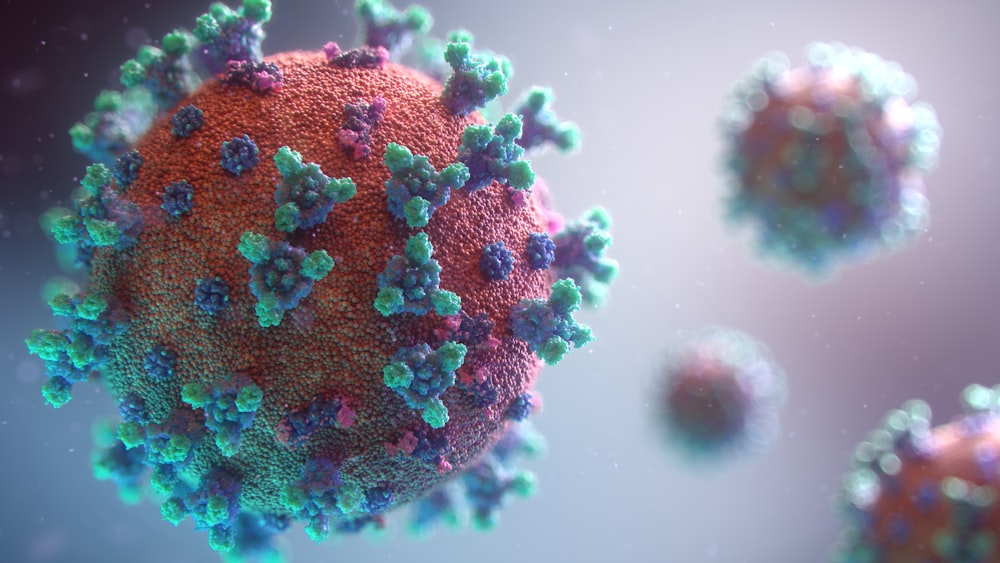
Visual representation of a virus structure
The Immune System's Watchtower: TLR2
Standing guard against infection is our innate immune system, the body's first line of defense. A key sentinel in this system is Toll-like Receptor 2 (TLR2). TLR2 is a transmembrane protein found on the surface of various immune cells, including macrophages and airway epithelial cells 4 .
Its job is to recognize conserved molecular patterns associated with pathogens, particularly bacterial lipopeptides and lipoteichoic acid 1 . Think of it as a master lock that only certain microbial keys can turn to raise the alarm. Upon activation, TLR2 triggers a signaling cascade that leads to the production of proinflammatory cytokines and chemokines—molecules that recruit more immune cells to the site of infection and cause the classic symptoms of inflammation 4 .
For years, it was unclear how a rhinovirus, which lacks the bacterial components TLR2 evolved to detect, could so effectively activate this pathway. The discovery that myristoylated VP4 could be the key that fits the TLR2 lock has provided a compelling explanation.
Rhinovirus Structure and Immune Recognition
| Component | Description | Role in Immune Activation |
|---|---|---|
| VP1, VP2, VP3 | External capsid proteins forming the outer shell | Primary targets for neutralizing antibodies |
| VP4 (Myristoylated) | Internal protein that becomes externalized during infection | Activates TLR2, triggering inflammatory response 1 |
| RNA Genome | Single-stranded RNA encoding viral proteins | Detected by intracellular sensors like RIG-I and MDA5 |
| TLR2 Receptor | Transmembrane pattern recognition receptor | Recognizes myristoylated VP4 as a danger signal 1 4 |
A Scientific Breakthrough: Connecting VP4 to TLR2
The hypothesis was elegant: perhaps the rhinovirus, through its only lipid-modified protein, was masquerading as a bacterial threat to trigger an immune response. The myristic acid attached to VP4 could be acting as a "bacterial mimic," tricking TLR2 into thinking it had encountered a bacterial lipopeptide 1 .
Inside the Lab: A Detailed Look at a Key Experiment
To truly appreciate how this discovery was made, let's examine one of the pivotal experiments that confirmed the MyrVP4-TLR2 interaction. Researchers employed a multi-pronged approach to leave no doubt about their findings.
Methodology: A Step-by-Step Approach
The team generated myristoylated VP4 in three different ways to ensure their results were not an artifact of a single production method:
- Recombinant Expression: The VP4 gene was cloned and expressed in bacteria engineered to produce the human enzyme N-myristoyltransferase, which attached the myristic acid 1 .
- Viral Purification: MyrVP4 was purified directly from human cells infected with live rhinovirus 1 .
- Chemical Synthesis: MyrVP4 was synthetically produced using chemical peptide synthesis 1 7 .
- Cell-Based Assays: The researchers treated various human cell types—including engineered HEK-293 cells, primary human airway epithelial cells, and macrophages—with the different forms of MyrVP4 and monitored the immune response 1 .
- Interaction Visualization:
- Microscopy: They used confocal microscopy with fluorescent tags to see if MyrVP4 and TLR2 were in the same cellular location 1 .
- FRET Analysis: They labeled MyrVP4 with a fluorescent donor molecule (Cy3) and an anti-TLR2 antibody with a fluorescent acceptor molecule (Cy5). If the two molecules interacted, exciting the donor would cause the acceptor to fluoresce 1 .
- Functional Blockade: To confirm the specificity of the interaction, they repeated the experiments in the presence of antibodies that physically block either VP4 or TLR2, preventing them from interacting 1 .
Results and Analysis: Building a Compelling Case
The results from these meticulous experiments formed a coherent and convincing story, summarized in the table below.
| Experimental Method | Key Finding | Scientific Significance |
|---|---|---|
| Cytokine mRNA Measurement | MyrVP4 induced strong chemokine expression; response was attenuated by anti-TLR2 and anti-VP4. | The inflammatory response is specific to myristoylated VP4 and dependent on TLR2. |
| Confocal Microscopy | MyrVP4 and TLR2 were shown to colocalize in multiple human cell types; colocalization was absent in TLR2-null cells. | Visual proof that the two proteins come into direct contact on the cell surface. |
| FRET Analysis | A high FRET efficiency (0.24 ± 0.05) was measured between Cy3-MyrVP4 and Cy5-anti-TLR2. | Provides biophysical evidence that MyrVP4 and TLR2 interact directly at a molecular level 1 . |
| Antibody Blocking | Antibodies against either VP4 or TLR2 significantly reduced the proinflammatory response. | Confirms that the specific interaction between these two molecules is necessary to trigger inflammation 1 . |
The data clearly demonstrated that the myristoyl group on VP4 is essential for its proinflammatory function. The FRET efficiency measurements were particularly telling, as they provided a quantitative measure of the intimate molecular interaction, ruling out the possibility that the two proteins were merely in the same general area of the cell 1 .
MyrVP4 Effects Across Different Cell Types
| Cell Type | Response to MyrVP4 | Role in Rhinovirus Infection |
|---|---|---|
| Human Airway Epithelial Cells | Strong proinflammatory gene expression | First point of contact for the virus; initiates the local immune response. |
| Human Bronchoalveolar Macrophages | Strong proinflammatory gene expression | Key immune sentinels in the lungs; amplify the inflammatory signal. |
| Mouse Bone Marrow-Derived Macrophages | Strong proinflammatory gene expression | Confirms the pathway is conserved, allowing use of animal models for further study. |
| TLR2-null HEK-293 Cells | No response | Critical control proving the effect is exclusively mediated by TLR2. |
Experimental Validation
The combination of genetic, biochemical, and imaging data formed a solid chain of evidence establishing MyrVP4 as a novel viral ligand for TLR2 1 .
The Scientist's Toolkit: Essential Research Reagents
Bringing a discovery like the MyrVP4-TLR2 interaction to light requires a suite of specialized research tools and reagents. The following table catalogs the key materials that enabled this scientific breakthrough.
| Research Tool | Function in the Experiment | Specific Example / Source |
|---|---|---|
| Recombinant MyrVP4 | To provide a pure, controlled source of the viral protein for testing. | Produced in E. coli with co-expression of N-myristoyltransferase 1 . |
| Synthetic MyrVP4 Peptide | To confirm that results from recombinant protein are genuine and not due to bacterial contaminants. | Chemically synthesized by companies like GenScript 1 7 . |
| Anti-VP4 Antibody | To detect VP4 in cells and, crucially, to block its function in inhibition experiments. | Generated against a specific 16-amino-acid sequence of VP4 1 . |
| Anti-TLR2 Antibody | To block the TLR2 receptor and confirm its role in the signaling pathway. | Used to inhibit the MyrVP4-induced inflammatory response 1 . |
| FRET Pair (Cy3 & Cy5) | To label proteins and measure molecular distances, proving direct interaction. | Cy3 labeled MyrVP4; Cy5 labeled anti-TLR2 antibody 1 . |
| TLR2-Expressing Cell Lines | To provide a standardized system for studying the TLR2 pathway in isolation. | HEK-293 cells engineered to express human TLR2 1 . |
Fluorescence Resonance Energy Transfer (FRET) is a powerful technique used to prove direct molecular interactions.
- Two molecules are labeled with different fluorescent dyes
- When molecules are close (1-10 nm), energy transfers between dyes
- This transfer is measured as FRET efficiency
- High FRET efficiency = direct molecular interaction 1
Rigorous controls were essential to validate the findings:
- Non-myristoylated VP4 as negative control
- TLR2-null cells to confirm receptor specificity
- Multiple protein production methods to rule out artifacts
- Antibody blocking to demonstrate interaction necessity 1
Beyond the Common Cold: Implications and Future Directions
The discovery that myristoylated VP4 activates TLR2 is more than just an interesting piece of basic science; it has profound implications for understanding and treating human disease. This mechanism explains why rhinovirus infections, even when mild, can cause such significant inflammation.
For individuals with asthma, this inflammatory response is amplified and can lead to severe exacerbations that require hospitalization 1 . By understanding this initial trigger, researchers can now work on developing drugs that specifically block the VP4-TLR2 interaction. Such therapeutics could dampen the harmful inflammation without completely shutting down the immune system, offering a new strategy to protect vulnerable populations.
The role of TLR2 in immunity is also being explored in the development of next-generation vaccines. TLR2 agonists, such as the synthetic compound Diprovocim, are being investigated as potent adjuvants—ingredients that boost the immune response to a vaccine . By mimicking the natural "danger signal" of pathogens like the rhinovirus, these adjuvants can help create stronger and longer-lasting immunity.
From a broader evolutionary perspective, this discovery highlights a fascinating aspect of host-pathogen warfare. The rhinovirus likely did not evolve VP4 myristoylation for the purpose of activating TLR2; this modification is essential for the virus to assemble and to form pores in host cell membranes for genome delivery 3 . The inflammatory response is probably a case of the immune system "over-interpreting" a vital viral feature. This is a common theme in immunology—our defenses are constantly adapting to recognize the most fundamental, and therefore least changeable, aspects of microbial invaders.
Targeting the VP4-TLR2 Interaction
- Small molecule inhibitors
- Monoclonal antibodies
- Peptide-based therapeutics
- Asthma and COPD treatments
Future Studies
- Atomic structure of VP4-TLR2 complex
- Animal model validation
- Therapeutic development
- Role in other viral infections
Therapeutic Development
Future research will focus on designing and testing specific inhibitors of the MyrVP4-TLR2 interaction.
Asthma Treatment
Exploring the potential of VP4-TLR2 inhibitors as asthma therapeutics to prevent exacerbations.
Structural Biology
Elucidating the detailed atomic structure of the VP4-TLR2 complex to guide drug design.
A New Frontier in Virology
The humble common cold, once merely a nuisance, has revealed a deep secret about how our bodies respond to viral threats, opening a new front in the battle against respiratory disease.