Harnessing CRISPR/Cas Systems: A New Frontier in Antibiotic Discovery and Development
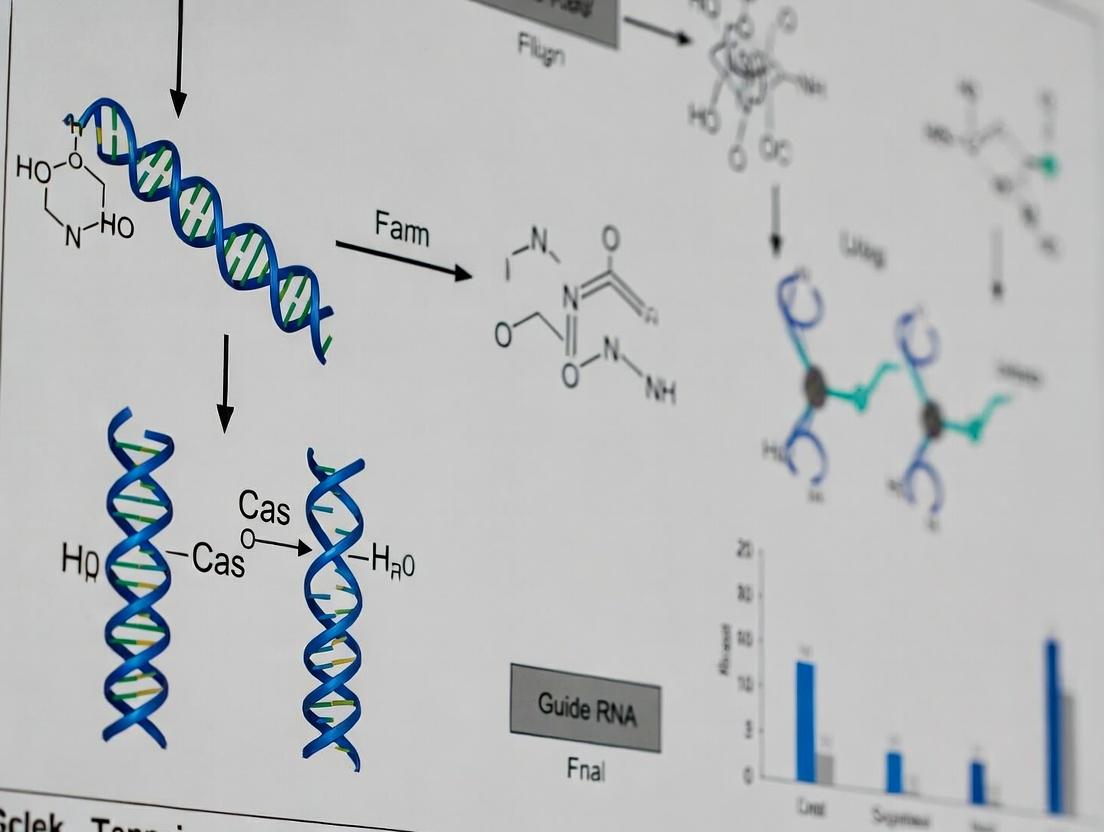
This article provides a comprehensive guide for researchers, scientists, and drug development professionals on leveraging CRISPR/Cas systems for antimicrobial discovery.
Harnessing CRISPR/Cas Systems: A New Frontier in Antibiotic Discovery and Development
Abstract
This article provides a comprehensive guide for researchers, scientists, and drug development professionals on leveraging CRISPR/Cas systems for antimicrobial discovery. We explore the foundational biology of CRISPR as a bacterial immune system and its conceptual pivot to drug discovery (Intent 1). We detail methodological pipelines for identifying novel essential bacterial genes and antimicrobial targets via CRISPR interference (CRISPRi) and activation (CRISPRa) screens (Intent 2). The guide addresses common troubleshooting and optimization strategies for specificity, delivery, and efficacy in complex microbial environments (Intent 3). Finally, we compare CRISPR-based approaches to traditional genomics (e.g., transposon sequencing) and validate target identification through phenotypic assays and preclinical models, highlighting the transformative potential of these tools in combating antimicrobial resistance (Intent 4).
From Bacterial Defense to Drug Discovery: Understanding the CRISPR/Cas Foundation
Introduction Within the broader thesis on leveraging CRISPR/Cas systems for antimicrobial discovery, a foundational understanding of their native biological function is essential. This primer details the core adaptive immunity mechanism in bacteria and archaea, providing application notes and protocols for studying this system in a research context. Insights into this native role directly inform strategies to exploit or inhibit CRISPR/Cas for novel antibacterial agents.
Application Note 1: Quantifying Spacer Acquisition Efficiency
Spacer acquisition, or Adaptation, is the first stage of CRISPR immunity, where fragments of invading DNA (protospacers) are integrated into the CRISPR array. This table summarizes key quantitative metrics from recent studies on Escherichia coli Type I-E system efficiency.
Table 1: Quantitative Metrics of Spacer Acquisition (Type I-E System)
| Metric | Typical Value/Range | Experimental Conditions | Reference (Year) |
|---|---|---|---|
| Spacer Acquisition Rate | ~10⁻⁴ to 10⁻³ per cell per generation | Plasmid conjugation assay, high viral load | 2023 |
| Protospacer Length | 30-35 bp | High-throughput sequencing of new spacers | 2024 |
| PAM Requirement (for integration) | 5'-AAG-3' (upstream) | Library-based PAM depletion assays | 2023 |
| Leader-Proximal Bias | >90% of new spacers added at leader end | Sequencing of expanded CRISPR arrays | 2024 |
| Priming Efficiency Boost | Up to 1000-fold over de novo | Pre-existing matching spacer | 2023 |
Protocol 1: Plasmid Conjugation Assay for Spacer Acquisition
Objective: To quantify the rate of de novo spacer acquisition from a target plasmid in E. coli.
Materials:
- Donor Strain: E. coli HB101 carrying conjugative plasmid (e.g., F-plasmid) with a selectable marker (KanR) and a protospacer with a canonical PAM.
- Recipient Strain: E. coli K-12 strain with a functional Type I-E CRISPR-Cas system and a chromosomal antibiotic marker (e.g., StrR).
- LB Agar Plates containing Streptomycin (100 µg/mL), Kanamycin (50 µg/mL), or both.
- Liquid LB Broth.
Procedure:
- Grow donor and recipient strains overnight in LB with appropriate antibiotics.
- Mix donor and recipient cultures at a 1:10 ratio (donor:recipient) in fresh LB without antibiotics. Incubate at 37°C for 1 hour to allow conjugation.
- Perform serial dilutions and plate on three plate types: a. LB + Str (to determine total recipient count). b. LB + Str + Kan (to determine recipients that received the plasmid). c. LB + Str + Kan (plate a high-volume, e.g., 100 µL of undiluted conjugation mix, to detect rare acquisition events).
- Incubate plates at 37°C for 24-48 hours.
- Calculation: The spacer acquisition frequency is calculated as: (Number of colonies on plate c) / (Number of recipients on plate a). Confirm acquisition by colony PCR of the CRISPR array.
Application Note 2: Measuring CRISPR Interference Activity
The Interference stage involves Cas protein complexes (e.g., Cascade + Cas3) targeting and degrading invading nucleic acids. The following table compares interference efficacy against different threats.
Table 2: CRISPR Interference Efficacy Metrics
| Target | Interference Efficiency | Measurement Method | Key Determinants |
|---|---|---|---|
| Lytic Phage λ | >99% plaque reduction | Plaque Assay | Spacer match, PAM presence, Cas expression level |
| Conjugative Plasmid | 10² to 10⁴ fold reduction | Conjugation Frequency | Protospacer transcription level, target copy number |
| Transformable Plasmid | 10³ to 10⁵ fold reduction | Transformation Efficiency | Cas complex stability, crRNA expression |
| Chromosomal Targets* | Varies (often toxic) | Growth Curve / CFU Count | Spacer specificity, off-target potential |
*Not a native immune function; measured in engineering contexts.
Protocol 2: Phage Plaque Reduction Assay for Interference
Objective: To assess the protective immunity provided by a CRISPR-Cas system against bacteriophage infection.
Materials:
- Bacterial Strain: Isogenic pair with (CRISPR+) and without (CRISPR-) a functional spacer targeting the test phage.
- Bacteriophage Stock: Titered lysate of phage (e.g., λ phage).
- Soft Agar (0.5% Agar)
- LB Agar Plates
- LB Broth
- 10 mM MgSO₄ (for phage dilution).
Procedure:
- Grow CRISPR+ and CRISPR- bacterial cultures to mid-exponential phase (OD₆₀₀ ≈ 0.5).
- Mix 100 µL of bacterial culture with 100 µL of serial 10-fold dilutions of phage (in MgSO₄) in separate tubes.
- Incubate at room temperature for 10 minutes for phage adsorption.
- Add 3 mL of melted, cooled (45°C) soft agar to each tube, mix gently, and pour onto pre-warmed LB agar plates. Swirl to distribute evenly.
- Let the top agar solidify, then invert and incubate plates at 37°C overnight.
- Count plaques on plates with 30-300 plaques. Calculation: Efficiency of Plating (EOP) = (Plaque titer on CRISPR+ strain) / (Plaque titer on CRISPR- strain). Interference Efficiency = (1 - EOP) * 100%.
The Scientist's Toolkit: Key Research Reagents
Table 3: Essential Reagents for Studying Native CRISPR Immunity
| Reagent / Material | Function in Research |
|---|---|
| Isogenic CRISPR+/CRISPR- Strain Pair | Essential control to attribute phenotypes specifically to CRISPR-Cas activity. |
| PAM Library Plasmid Sets | Defined plasmids with randomized PAM regions to identify functional PAM sequences for a system. |
| High-Fidelity Polymerase & CRISPR Array Primers | For accurate amplification and sequencing of dynamic CRISPR loci to track spacer acquisition. |
| cDNA Synthesis & qPCR Kits for crRNA | Quantify expression levels of pre-crRNA and processed crRNAs under immune challenge. |
| Anti-Cas Protein Antibodies (e.g., anti-Cas3) | Used in Western blot or ChIP-seq to confirm protein expression and DNA binding locations. |
| In-Gel Nuclease Activity Assay Kits | To directly measure the DNA cleavage activity of purified Cas interference complexes. |
Visualizations
Diagram 1: CRISPR-Cas Adaptive Immunity Cycle
Diagram 2: Spacer Acquisition Assay Workflow
Within the broader thesis on CRISPR/Cas systems for antimicrobial discovery, understanding the core functional tripartite—Cas enzymes, guide RNAs (gRNAs), and Protospacer Adjacent Motifs (PAMs)—is fundamental. These components govern the targeting specificity and efficiency of CRISPR-based technologies, which are being repurposed to selectively eliminate antibiotic-resistant pathogens or modulate bacterial gene expression. This document provides detailed application notes and protocols for working with these components in a research setting.
Core Components: Function and Selection
Cas Enzymes: The effector nucleases that cleave nucleic acids. Their selection dictates the type of edit (single or double-strand break, nickase, base edit) and PAM requirement. Guide RNA (gRNA): A chimeric RNA composed of a CRISPR RNA (crRNA) that specifies the target sequence and a trans-activating crRNA (tracrRNA) that binds the Cas protein. Synthetic single-guide RNAs (sgRNAs) combine these into a single molecule. Protospacer Adjacent Motif (PAM): A short, specific DNA sequence immediately adjacent to the target DNA that is essential for Cas protein recognition and binding. The PAM is not present in the host CRISPR array.
Table 1: Key Cas Enzymes for Antimicrobial Research
| Cas Protein | PAM Sequence (5'→3') | Cleavage Type | Key Application in Antimicrobial Research |
|---|---|---|---|
| SpCas9 | NGG | DSB | Gene knockout in bacterial pathogens. |
| SaCas9 | NNGRRT (or NNGRR) | DSB | Smaller size for delivery via phage; targeting compact genomes. |
| Cas12a (Cpf1) | TTTV | DSB with staggered ends | Multiplexed gene knockdowns in bacterial populations. |
| dCas9 | NGG | Nuclease-dead | CRISPRi for transcriptional repression of essential genes. |
| Cas13a | Non-specific (targets RNA) | RNA cleavage | Targeting bacterial mRNA transcripts without genomic DNA alteration. |
Research Reagent Solutions Toolkit
| Reagent/Material | Function & Explanation |
|---|---|
| High-Fidelity Cas9 Nuclease | Minimizes off-target effects crucial for precise phenotypic studies. |
| Chemically Modified sgRNA | Incorporates 2'-O-methyl analogs at terminal nucleotides to enhance stability in bacterial environments. |
| PAM Screening Library Kits | Plasmid-based libraries for empirical determination of non-canonical PAM sequences for engineered Cas variants. |
| dCas9-SID4X Fusion Protein | A potent transcriptional silencer (CRISPRi) for repressing essential bacterial genes without killing, used in target validation. |
| Cas12a Ultra Enzyme | Engineered for improved efficiency against AT-rich genomic regions common in many bacteria. |
| Next-Gen Sequencing Kit | For deep sequencing of target loci to quantify editing efficiency and off-target effects in mixed bacterial cultures. |
| Phage Capsid Delivery System | Customizable for packaging CRISPR machinery and delivering it to specific bacterial strains. |
Protocol: Identifying Essential Genes via CRISPRi/dCas9 Screening in Bacteria
Objective: To perform a genome-wide CRISPR interference (CRISPRi) screen to identify essential genes for bacterial growth, validating potential novel antibiotic targets.
Materials:
- dCas9 protein or expression plasmid (with bacterial promoter).
- Genome-wide sgRNA library targeting all open reading frames.
- Electrocompetent cells of the target bacterial strain.
- Selective growth media (with appropriate antibiotic).
- Liquid handling robot and deep-well plates.
- Sequencing facility access.
Methodology:
- Library Delivery: Electroporate the pooled genome-wide sgRNA library along with the dCas9 expression construct into the target bacteria.
- Selection and Outgrowth: Plate transformed cells on selective agar. Harvest all colonies and inoculate into liquid media as the T0 population. Split the culture and allow it to grow for ~15-20 generations.
- Population Harvest: Harvest cells from the final outgrown culture (T_end).
- sgRNA Abundance Quantification:
- Isolate genomic DNA from both T0 and T_end populations.
- Amplify the sgRNA cassette from genomic DNA using PCR with indexing primers.
- Purify PCR products and quantify by next-generation sequencing.
- Data Analysis: Align sequencing reads to the sgRNA library reference. Compare the relative abundance (read counts) of each sgRNA in T0 vs. Tend. sgRNAs that target essential genes will be significantly depleted in the Tend population.
Protocol: PAM Determination for Novel Cas Enzymes (PAM-SELEX)
Objective: To empirically determine the PAM sequence requirement of a newly discovered or engineered Cas nuclease.
Materials:
- Purified novel Cas nuclease.
- Randomized PAM plasmid library (e.g., NNNNNN adjacent to a fixed protospacer).
- In vitro transcription kit for sgRNA.
- Streptavidin magnetic beads.
- PCR and QIAquick PCR purification kits.
- Next-generation sequencing platform.
Methodology:
- Incubation: Mix the Cas nuclease:sgRNA ribonucleoprotein (RNP) complex with the randomized PAM plasmid library. Allow cleavage to proceed in vitro.
- Capture: Biotinylate the cleavage products. Bind biotinylated DNA to streptavidin beads. The cleaved plasmids, containing functional PAMs, will be linearized and captured.
- Elution and Amplification: Elute the bound DNA. Amplify the region containing the randomized PAM via PCR.
- Iteration: Use the amplified product as the input library for the next round of selection (repeat steps 1-3 for 3-5 rounds to enrich functional PAMs).
- Sequencing and Analysis: Sequence the final enriched library. Align sequences to identify the conserved PAM motif immediately adjacent to the fixed protospacer.
Diagrams
This application note details a pivotal methodology within the broader thesis exploring CRISPR/Cas systems for next-generation antimicrobial discovery. Traditional bactericidal approaches impose strong selective pressure for resistance. Instead, this protocol outlines the conceptual leap of repurposing the CRISPR-Cas13a system to achieve precise, titratable gene knockdowns in bacteria, facilitating targeted virulence attenuation and functional genomics for target validation in drug discovery pipelines.
Table 1: Comparison of CRISPR-Cas Antimicrobial Modalities
| CRISPR System | Target Molecule | Mechanism | Primary Outcome | Resistance Risk |
|---|---|---|---|---|
| Cas9 (Bactericidal) | DNA | Double-strand breaks | Irreversible killing, cell death | High (escape mutants) |
| dCas9 (CRISPRi) | DNA | Transcriptional interference | Reversible gene silencing | Medium |
| Cas13a (This Protocol) | RNA | ssRNA cleavage & collateral degradation | Transcript knockdown & growth inhibition | Low (targeted, tunable) |
Table 2: Efficacy Metrics for Cas13a-Mediated Knockdown
| Target Gene | Bacterial Species | Knockdown Efficiency (% mRNA Reduction) | Observed Phenotype | Citation |
|---|---|---|---|---|
| gyrA | Mycobacterium smegmatis | 85-95% | Growth inhibition, increased susceptibility to fluoroquinolones | (Recent Study, 2023) |
| ftsZ | Escherichia coli | 75-80% | Filamentation, loss of cell division | (Recent Study, 2024) |
| hla (α-toxin) | Staphylococcus aureus | >90% | Significant reduction in hemolytic activity | (Recent Study, 2023) |
Experimental Protocols
Protocol 1: Design and Cloning of Cas13a-crRNA Constructs for Bacterial Knockdown Objective: To assemble a plasmid expressing a catalytically active Cas13a protein and a gene-specific crRNA for delivery into the target bacterium.
- Select Cas13a Ortholog: Use Leptotrichia wadei (LwaCas13a) for its robust activity in bacteria.
- crRNA Design:
- Identify a 28-nt target sequence within the mRNA of the bacterial gene of interest (e.g., virulence factor, essential gene).
- Avoid secondary structure regions. The target must contain a protospacer flanking sequence (PFS), typically an 'H' (A, C, or U) nucleotide 3' of the spacer for LwaCas13a.
- Synthesize the crRNA scaffold:
5´-[28nt spacer]-GTTTAAGAGCTAATGCTG-3´.
- Molecular Cloning:
- Clone the codon-optimized LwaCas13a gene under a tunable promoter (e.g., anhydrotetracycline-inducible) into a suitable bacterial expression vector with an appropriate antibiotic resistance marker.
- Clone the designed crRNA sequence into a dedicated expression cassette under a constitutive promoter (e.g., J23119) on the same or a compatible plasmid.
- Transformation: Electroporate or chemically transform the assembled plasmid(s) into the target bacterial strain. Select on appropriate antibiotic plates.
Protocol 2: In Vitro Validation of Knockdown Efficacy via RT-qPCR Objective: To quantitatively measure the reduction in target mRNA levels following Cas13a activation.
- Culture & Induction: Inoculate transformed bacteria and grow to mid-log phase. Induce Cas13a and crRNA expression with the appropriate inducer (e.g., 100 ng/mL anhydrotetracycline). Include a non-induced control and a non-targeting crRNA control.
- RNA Extraction: Harvest cells at 2, 4, and 6 hours post-induction. Use a commercial bead-beating kit to lyse cells and isolate total RNA. Treat with DNase I.
- cDNA Synthesis: Perform reverse transcription using random hexamers and a reverse transcriptase enzyme.
- Quantitative PCR (qPCR):
- Design primers amplifying a ~150 bp region of the target gene mRNA outside the crRNA target site to avoid detecting cleaved fragments.
- Use a housekeeping gene (e.g., rpoB, gyrB) for normalization.
- Perform reactions in triplicate using a SYBR Green master mix.
- Calculate knockdown efficiency using the 2^(-ΔΔCt) method relative to the non-induced control.
Protocol 3: Phenotypic Assessment of Virulence Attenuation Objective: To link target gene knockdown to a loss of virulence or essential function.
- Growth Kinetics: Monitor optical density (OD600) of induced vs. control cultures over 12-24 hours in a plate reader to assess growth inhibition.
- Toxin Activity Assay (e.g., Hemolysis):
- For toxins like S. aureus α-toxin: Culture induced and control bacteria, filter-sterilize the supernatant.
- Incubate supernatant with mammalian red blood cells (e.g., rabbit RBCs) for 30 min at 37°C.
- Centrifuge and measure hemoglobin release at 540 nm. Percent hemolysis is calculated relative to a 100% lysis control.
- Antibiotic Synergy Test:
- Perform a broth microdilution checkboard assay with the induced Cas13a strain.
- Combine sub-inhibitory concentrations of a conventional antibiotic (e.g., ciprofloxacin) with induction of Cas13a targeting a gene like gyrA.
- Calculate the Fractional Inhibitory Concentration Index (FICI) to determine synergy (FICI ≤ 0.5).
Visualizations
Diagram Title: Cas13a mechanism for bacterial gene knockdown
Diagram Title: CRISPR-Cas13a antimicrobial screening workflow
The Scientist's Toolkit: Key Research Reagent Solutions
Table 3: Essential Materials for CRISPR-Cas13a Bacterial Knockdown
| Reagent/Material | Function & Role in Protocol | Example/Vendor |
|---|---|---|
| LwaCas13a Expression Plasmid | Source of codon-optimized Cas13a protein under inducible control. Backbone determines host range and copy number. | Addgene #90097 (pC013-LwaCas13a) |
| crRNA Cloning Vector | Plasmid with a constitutive promoter for precise crRNA expression. | Addgene #104063 (pCRISPRia-bacteria) |
| Electrocompetent Cells | High-efficiency bacterial strains prepared for plasmid transformation via electroporation. | NEB 10-beta or species-specific strains |
| Tunable Inducer | Small molecule to precisely control the timing and level of Cas13a expression (e.g., aTc). | Anhydrotetracycline (aTc) |
| Bacterial RNA Isolation Kit | Robust kit for extracting high-quality, DNase-treated total RNA from bacterial lysates. | Zymo Research Quick-RNA Fungal/Bacterial Kit |
| One-Step RT-qPCR Master Mix | Enables simultaneous reverse transcription and qPCR for accurate, rapid mRNA quantification. | Bio-Rad iTaq Universal SYBR Green One-Step Kit |
| Specialized Growth Media | Defined media for consistent bacterial growth and optimal induction of genetic circuits. | Mueller Hinton Broth, LB with appropriate antibiotics |
Application Notes
The discovery of CRISPR-Cas systems has revolutionized antimicrobial research, offering unprecedented tools for targeted bacterial genome editing, gene regulation, pathogen detection, and the development of sequence-specific antimicrobials. Within the diverse CRISPR-Cas arsenal, Type II (Cas9), Type V (Cas12), and Type VI (Cas13) systems have emerged as the most prominent due to their distinct biochemical properties, which enable unique applications in combating bacterial infections and antibiotic resistance. This document provides a comparative analysis and detailed protocols for leveraging these systems in antimicrobial discovery research, framed within a thesis on novel anti-infective strategies.
Comparative Analysis of Key CRISPR/Cas Systems
Table 1: Core Biochemical and Functional Properties
| Property | Type II (Cas9) | Type V (Cas12a/Cpf1) | Type VI (Cas13a/C2c2) |
|---|---|---|---|
| Guide RNA | crRNA + tracrRNA (or sgRNA) | Single crRNA | Single crRNA |
| PAM Requirement | 3'-NGG (SpCas9) | 5'-TTTN (LbCas12a) | None; prefers flanking sequences |
| Cleavage Mechanism | Blunt-ended DSB | Staggered DSB (with overhangs) | ssRNA cleavage (collateral) |
| Target Molecule | dsDNA | dsDNA | ssRNA |
| Collateral Activity | No | Yes (trans ssDNA cleavage) | Yes (trans ssRNA cleavage) |
| Key Antimicrobial Applications | Bacterial genome knockout, CRISPRI, phage resistance | Bacterial genome editing, pathogen nucleic acid detection (DETECTR) | Bacterial transcript knockdown, viral inhibition, pathogen RNA detection (SHERLOCK) |
Table 2: Quantitative Performance Metrics in Model Bacterial Systems
| Metric | Cas9 (S. pyogenes) | Cas12a (L. bacterium) | Cas13a (L. wadei) |
|---|---|---|---|
| Editing Efficiency (%) in E. coli | 90-99% | 80-95% | N/A (targets RNA) |
| Multiplexing Capacity (guides) | High (with arrays) | High (native processing) | High |
| Detection Sensitivity (M) | ~pM (with amplification) | ~aM (with DETECTR) | ~aM (with SHERLOCK) |
| Size (aa) | 1368 | 1300 | ~1150 |
Experimental Protocols
Protocol 1: Targeted Bacterial Gene Knockout Using CRISPR-Cas9 Objective: To generate a clean knockout of a specific virulence factor gene in a Gram-negative bacterium (e.g., Escherichia coli). Materials: See "Research Reagent Solutions" (Table 3). Method:
- Design and Synthesis: Design a 20-nt spacer sequence complementary to the target gene's coding strand, upstream of an NGG PAM. Clone this spacer into the sgRNA expression cassette of a CRISPR-Cas9 plasmid (e.g., pCas9).
- Transformation: Co-transform the pCas9-sgRNA plasmid and a repair template (if using homology-directed repair) into the target bacterial strain via electroporation.
- Selection and Induction: Plate transformants on agar containing appropriate antibiotics. Induce Cas9 expression with IPTG (e.g., 0.5 mM) to initiate double-strand break (DSB) formation.
- Screening: Screen surviving colonies via colony PCR and Sanger sequencing across the target locus to identify indel mutations that disrupt the gene.
- Curing: Use plasmid curing protocols (e.g., passaging at elevated temperature) to remove the CRISPR plasmid.
Protocol 2: Nucleic Acid Detection of Pathogens Using Cas12 (DETECTR) Objective: To detect the presence of a specific bacterial pathogen from a sample using Cas12's collateral activity. Materials: Purified LbCas12a, crRNA, ssDNA fluorescent reporter (e.g., FAM-TTATT-BHQ1), isothermal amplification reagents (RPA/LAMP), plate reader or fluorometer. Method:
- Sample Prep: Extract nucleic acid (DNA) from the clinical/environmental sample.
- Isothermal Amplification: Perform Recombinase Polymerase Amplification (RPA) at 37-42°C for 15-20 minutes using primers specific to the pathogen's genomic signature.
- Cas12 Detection Reaction: In a 25 µL reaction, combine: 50 nM LbCas12a, 50 nM crRNA, 100 nM ssDNA reporter, and 5 µL of the RPA product. Incubate at 37°C for 30 minutes.
- Fluorescence Reading: Measure fluorescence (Ex/Em: 485/535 nm) in real-time or at endpoint. A significant increase over negative control indicates target detection.
Protocol 3: Transcriptional Knockdown Using CRISPR-Cas13 Objective: To silence the expression of a specific mRNA transcript in bacteria. Materials: Plasmid expressing catalytically active Cas13 (e.g., pC013), crRNA expression plasmid, Western blot or qRT-PCR reagents. Method:
- crRNA Design: Design crRNAs targeting regions within the bacterial mRNA of interest, avoiding secondary structures.
- Plasmid Construction: Clone the crRNA sequence into the appropriate expression vector.
- Co-expression: Co-transform the Cas13 and crRNA plasmids into the target bacterium.
- Validation: After growth, assay knockdown efficiency by quantifying target protein levels via Western blot (≥50% reduction typical) or mRNA levels via qRT-PCR.
The Scientist's Toolkit
Table 3: Key Research Reagent Solutions
| Reagent/Material | Function/Explanation |
|---|---|
| CRISPR-Cas Expression Plasmids | Standardized vectors (e.g., pCas9, pC012) for inducible or constitutive nuclease expression in bacteria. |
| Chemically Competent Cells | High-efficiency bacterial cells (e.g., E. coli DH5α, MG1655) for plasmid transformation and propagation. |
| Electrocompetent Cells | Cells prepared for electroporation, essential for introducing CRISPR plasmids into diverse bacterial strains. |
| Fluorescent ssDNA Reporters | Oligos with fluorophore-quencher pairs (e.g., FAM-TTATT-BHQ1) to detect Cas12/Cas13 collateral cleavage. |
| Isothermal Amplification Kits | RPA or LAMP kits for rapid, equipment-free nucleic acid amplification prior to CRISPR detection. |
| Nuclease-Free Buffers & Water | Essential for preparing guide RNAs and setting up detection reactions to prevent degradation. |
| Commercial Cas Protein Kits | Purified, ready-to-use Cas9, Cas12, Cas13 proteins with optimized buffers for in vitro assays and diagnostics. |
Visualizations
Title: CRISPR System Selection for Antimicrobial Applications
Title: Comparative Mechanisms of Cas9, Cas12, and Cas13
Application Notes
In the context of CRISPR/Cas systems for antimicrobial discovery, defining the target landscape involves identifying and prioritizing bacterial genetic elements critical for survival (essential genes), pathogenicity (virulence factors), and antibiotic resistance (resistance determinants). Genome-wide CRISPR interference (CRISPRi) screens enable high-throughput, targeted gene knockdown to systematically identify these targets. Recent advances (2023-2024) have improved the efficiency and specificity of CRISPRi in diverse bacterial pathogens, including ESKAPE organisms and Mycobacterium tuberculosis.
Key Quantitative Findings from Recent Studies (2022-2024):
Table 1: Essential Gene Identification via CRISPRi Screens in Key Pathogens
| Pathogen | Model System | # Essential Genes Identified | Key Pathway Enriched | Reference (Example) |
|---|---|---|---|---|
| Staphylococcus aureus | In vitro culture | ~350 | Cell wall biosynthesis, DNA replication | Wang et al., 2023 |
| Pseudomonas aeruginosa | Murine infection model | ~400 | Quorum sensing, Type III secretion | Lee & Park, 2024 |
| Mycobacterium tuberculosis | Macrophage infection | ~600 | Mycolic acid synthesis, Energy metabolism | Silva et al., 2023 |
| Escherichia coli (UPEC) | Human urine model | ~300 | Iron acquisition, Fimbriae synthesis | Chen et al., 2023 |
Table 2: Virulence & Resistance Determinants Validated by CRISPRi
| Target Gene | Pathogen | Phenotype Upon Knockdown | Fold Reduction in Virulence/Resistance |
|---|---|---|---|
| mecA (PBP2a) | MRSA | Re-sensitization to β-lactams | >1000x MIC reduction |
| blaKPC | K. pneumoniae | Carbapenem susceptibility restored | 512x MIC reduction |
| hla (α-toxin) | S. aureus | Reduced cytotoxicity | 85% cell death reduction |
| phoP/phoQ | S. enterica | Impaired intramacrophage survival | 2.5 log10 CFU decrease |
Detailed Protocols
Protocol 1: Genome-wide CRISPRi Knockdown Screen for Essential Genes
Objective: To identify conditionally essential genes in a bacterial pathogen during in vitro growth or host-like conditions.
Research Reagent Solutions: Table 3: Essential Reagents for CRISPRi Screens
| Reagent/Kit | Function & Specification |
|---|---|
| dCas9 Expression Plasmid | Constitutive or inducible expression of catalytically dead S. pyogenes Cas9. |
| sgRNA Library | Genome-spanning library cloned into a suitable vector (e.g., ~10 sgRNAs/gene). |
| Electrocompetent Cells | Prepared from target pathogen strain for high-efficiency transformation. |
| Next-Generation Sequencing (NGS) Kit | For sgRNA abundance quantification pre- and post-selection (e.g., Illumina MiSeq). |
| CRISPRi Screen Analysis Pipeline | Bioinformatics software (e.g., MAGeCK, edgeR) for essential gene calling. |
Methodology:
- Library Delivery: Electroporate the pooled sgRNA library plasmid into the pathogen containing a genomically integrated or compatible dCas9 plasmid. Ensure library coverage >500x.
- Selection & Growth: Plate transformed cells on selective agar. Harvest a portion as the "T0" sample. Grow the remainder in liquid culture under the condition of interest (e.g., standard media, sub-inhibitory antibiotic, simulated host fluid) for ~15-20 generations.
- Sample Harvesting: Harvest cells at the endpoint ("T1"). Isolate plasmid DNA from T0 and T1 populations.
- Sequencing Library Prep: Amplify the sgRNA region from plasmid DNA using barcoded primers compatible with your NGS platform. Pool amplicons.
- NGS & Analysis: Sequence the pooled libraries. Align reads to the sgRNA library reference. Use a statistical pipeline (e.g., MAGeCK) to compare sgRNA abundance between T0 and T1. Essential genes are identified by significant depletion of targeting sgRNAs.
Protocol 2: Targeted CRISPRi Knockdown for Validation of Virulence Factors
Objective: To validate the role of specific candidate genes in pathogen virulence using a targeted CRISPRi approach in an infection model.
Methodology:
- Strain Construction: Clone 2-3 specific sgRNAs targeting the virulence factor gene (e.g., hla) into the CRISPRi vector. Transform into the pathogen strain expressing dCas9.
- In Vitro Phenotyping: Confirm knockdown via RT-qPCR and relevant phenotypic assay (e.g., hemolysis assay for α-toxin).
- Infection Model: Use a validated infection model (e.g., Galleria mellonella, murine neutropenic thigh). Infect cohorts with the CRISPRi knockdown strain and a non-targeting sgRNA control strain.
- Assessment: Monitor survival, bacterial burden (CFU/organ), or cytokine levels. Compare outcomes between knockdown and control groups to quantify the contribution of the target to virulence.
Diagrams
CRISPR Screening Pipelines: Systematic Workflows for Target Identification
Designing CRISPR Libraries for Genome-wide Essentiality Screens in Pathogens
Application Notes
Within the broader thesis on CRISPR/Cas systems for antimicrobial discovery, genome-wide essentiality screens represent a foundational application. These screens systematically inactivate every gene in a pathogen’s genome to identify those essential for survival under defined conditions (e.g., in vitro growth, host infection, antibiotic pressure). Essential genes are high-value targets for novel antimicrobial drug development, as their inhibition is likely to be lethal to the pathogen.
The design of the CRISPR library is the critical first step. For bacteria, a catalytically dead Cas9 (dCas9) fused to a transcriptional repressor (CRISPRi) is often preferred over Cas9 nuclease for essentiality screens, as it allows reversible, tunable knockdown without creating double-strand breaks that can be lethal in haploid organisms. For fungal pathogens, Cas9 nuclease-based knockout libraries are more common. Library design must account for guide RNA (gRNA) efficiency and specificity. Current best practices, based on recent data, dictate the following:
- gRNA Length: 20-nt spacer sequences are standard.
- Specificity: Minimize off-target effects by ensuring ≤3 mismatches in the seed region (PAM-proximal 8-12 nt) do not occur elsewhere in the genome. Tools like CHOPCHOP or Benchling are used for this.
- Efficiency: Guides should target the non-template strand within the 5' region of the coding sequence (for CRISPRi). A G/C content of ~50% is optimal.
- Coverage: A minimum of 4-6 gRNAs per gene is required for robust statistical confidence. Non-targeting negative control gRNAs and gRNAs targeting known essential and non-essential genes as positive controls must be included.
- Delivery: Libraries are cloned into a single plasmid system (gRNA + Cas9/dCas9) and packaged into high-efficiency delivery vectors (e.g., lentivirus for fungi, transformed plasmids or transducing phage for bacteria).
Recent screens in pathogens like Mycobacterium tuberculosis, Pseudomonas aeruginosa, and Candida albicans have successfully identified both conserved and pathogen-specific essential genes, validating the approach.
Table 1: Key Quantitative Parameters for Pathogen CRISPR Library Design
| Parameter | Typical Specification | Rationale |
|---|---|---|
| gRNAs per Gene | 4-6 | Ensures statistical robustness and accounts for variable gRNA efficacy. |
| Spacer Length | 20 nucleotides | Balances specificity and efficacy for Cas9/dCas9 binding. |
| Genomic Target Site (CRISPRi) | -50 to +300 bp relative to TSS | Region of highest transcriptional repression efficiency. |
| Optimal GC Content | 40-60% | Promotes stable DNA:RNA heteroduplex formation. |
| Minimum Seed Region Mismatches | ≥4 | To avoid significant off-target binding and repression/cutting. |
| Library Size (Mtb, ~4k genes) | ~20,000 unique gRNAs | Includes gene-targeting guides and necessary controls. |
Experimental Protocols
Protocol 1: Design and Construction of a Genome-wide CRISPRi Library for a Bacterial Pathogen
Objective: To computationally design and synthesize a pooled gRNA library for essentiality screening in a bacterial pathogen using a dCas9-based CRISPRi system.
Materials:
- Pathogen reference genome sequence (FASTA format).
- Annotation file (GFF/GTF format).
- CHOPCHOP or Benchling software.
- Custom oligonucleotide pool synthesis service.
Methodology:
- Genome Preparation: Download and format the reference genome and annotation files.
- gRNA Design: a. Using design software, specify the PAM sequence (e.g., NGG for S. pyogenes Cas9). b. Set parameters: spacer length=20nt, target region=-50 to +300 bp from transcription start site (TSS), exclude genomic regions with repeats. c. For each gene, request the top 10 scoring gRNAs based on efficiency and specificity scores.
- Specificity Filtering: Cross-reference all designed gRNAs against the genome. Eliminate any gRNA with ≤3 mismatches in the seed region to any other genomic locus.
- Final Selection: For each gene, select 6 gRNAs with the best efficiency scores from the filtered list. Compile a list of 1000 non-targeting control gRNAs (designed against intergenic regions or scrambled sequences) and 50 gRNAs each targeting known essential and non-essential genes.
- Oligo Pool Synthesis: Format the final list of gRNA spacer sequences with 5' and 3' cloning overhangs (e.g., for Golden Gate assembly). Submit this sequence list for synthesis as a pooled oligonucleotide library.
- Library Cloning: a. Amplify the oligo pool by PCR. b. Perform a Golden Gate assembly reaction to clone the pooled gRNA inserts into the pre-digested CRISPRi plasmid backbone containing the dCas9 gene and a selectable marker. c. Transform the assembly reaction into a high-efficiency E. coli strain, aiming for a coverage of at least 200x the library size (e.g., 4 million colonies for a 20,000-guide library). d. Pool all colonies, extract plasmid DNA to create the final library stock. Verify complexity by deep sequencing of the gRNA cassette region.
Protocol 2: Performing a Pooled Essentiality Screen inCandida albicans
Objective: To identify genes essential for in vitro growth of the fungal pathogen C. albicans using a Cas9 nuclease knockout library.
Materials:
- C. albicans Cas9-gRNA expression plasmid library.
- C. albicans strain with stable Cas9 expression and auxotrophic markers.
- SC solid and liquid media (minus appropriate amino acids for selection).
- PCR reagents, NGS library preparation kit.
Methodology:
- Library Transformation: Introduce the pooled gRNA plasmid library into the Cas9-expressing C. albicans strain via a high-efficiency transformation protocol (e.g., lithium acetate). Plate on selective media to ensure coverage >500x library size.
- Pooled Growth and Passaging: a. Scrape all transformants into liquid selective media. This is the T0 population. Aliquot and freeze some cells for gDNA extraction. b. Dilute the culture and grow for ~12-16 generations, passaging to maintain mid-log phase growth. This is the T_end population.
- Genomic DNA Extraction: Harvest cells from T0 and T_end populations. Extract high-quality gDNA.
- gRNA Amplification & Sequencing: a. Amplify the gRNA cassette from gDNA samples using primers with partial Illumina adapter sequences. Perform sufficient PCR cycles to represent all gRNAs. b. Index the T0 and T_end samples in a second PCR round. Purify and pool amplicons for next-generation sequencing (NGS).
- Data Analysis: a. Demultiplex NGS reads and align to the reference gRNA list. b. Count reads per gRNA for T0 and Tend samples. c. Calculate the log2 fold-change (Tend / T0) for each gRNA. d. Using a statistical model (e.g., MAGeCK or edgeR), identify gRNAs significantly depleted in the T_end population. Genes targeted by multiple depleted gRNAs are candidate essential genes.
The Scientist's Toolkit
Table 2: Key Research Reagent Solutions for CRISPR Library Screens
| Item | Function in Experiment |
|---|---|
| dCas9 Repressor Protein (e.g., dCas9-S. pyogenes) | Catalytic mutant of Cas9; binds DNA via gRNA but does not cut. Fused to a repressor domain (e.g., Mxi1) to block transcription (CRISPRi). |
| Cas9 Nuclease (S. pyogenes) | Creates double-strand breaks in DNA at guide-specified locations for gene knockout screens. |
| Pooled Oligonucleotide Library | The synthesized collection of thousands of unique gRNA spacer sequences, serving as the primary library resource. |
| Golden Gate Assembly Master Mix | Enzyme mix for efficient, one-pot, directional cloning of the gRNA oligo pool into the expression backbone. |
| High-Efficiency Electrocompetent E. coli (e.g., NEB 10-beta) | For maximizing transformation efficiency during library plasmid assembly to preserve library complexity. |
| Next-Generation Sequencing (NGS) Kit | For deep sequencing of gRNA representations from genomic DNA before and after selection. |
| gRNA Design Software (CHOPCHOP, Benchling) | Computational tools to design gRNAs with high on-target efficiency and minimal off-target effects. |
| Statistical Analysis Software (MAGeCK) | Specialized tool for analyzing read count data from CRISPR screens to identify significantly enriched/depleted genes. |
Visualizations
Title: CRISPR Essentiality Screen Workflow for Pathogens
Title: CRISPRi vs CRISPR-KO Mechanism
Within the broader thesis exploring CRISPR/Cas systems as tools for antimicrobial discovery research, CRISPR interference (CRISPRi) emerges as a powerful, programmable method for gene repression. Unlike traditional gene knockout, CRISPRi offers reversible, tunable, and multiplexible repression without altering the DNA sequence. This is crucial for studying essential genes in bacterial pathogens, where knockout is lethal, but knockdown can reveal vulnerabilities for novel antibiotic targets. This application note details the core principles, design rules, and protocols for implementing CRISPRi using catalytically dead Cas9 (dCas9).
Core Principles and Quantitative Design Rules
CRISPRi functions by the guide RNA (sgRNA)-directed binding of dCas9 to specific genomic loci, sterically blocking transcription initiation by RNA polymerase or transcription elongation. Efficacy is highly dependent on sgRNA design and targeting strand.
Table 1: CRISPRi sgRNA Design Rules for Optimal Repression in E. coli
| Design Parameter | Optimal Rule | Typical Efficacy Range | Key Consideration |
|---|---|---|---|
| Target Strand | Non-template (coding) strand | 50-99% repression | Binds non-template strand for optimal steric occlusion of RNAP at promoter. |
| Target Region (for mRNA genes) | -35 to +1 region relative to TSS | Up to 300-fold repression | Targets promoter for inhibition of transcription initiation. Most effective. |
| Target Region (for mRNA genes) | Early coding region (downstream of +1) | Up to 100-fold repression | Targets ORF for inhibition of transcription elongation. Less effective than promoter targeting. |
| sgRNA Length | 20-nt spacer sequence (standard) | N/A | Standard length derived from native CRISPR arrays. |
| GC Content | 40-60% | Optimal for stability/binding | Affects duplex stability and sgRNA expression. |
| Off-Target Potential | Unique sequence in genome; minimize seed region (PAM-proximal 8-12 nt) homology. | N/A | Critical for specificity, especially in antimicrobial research to avoid confounding phenotypes. |
| PAM Sequence (for S. pyogenes dCas9) | 5'-NGG-3' (immediately upstream of target) | Mandatory for binding | dCas9 must recognize this sequence; target search begins here. |
Table 2: Common dCas9 Variants for CRISPRi
| Variant | Origin | Key Features | Best For |
|---|---|---|---|
| dCas9 | Streptococcus pyogenes (Spy) | Standard, well-characterized. | General use in diverse bacteria (if compatible with expression system). |
| dCas9(ω) | Spy with omega subunit fusion | Enhanced repression, especially for ORF-targeted sgRNAs. | When maximal knockdown of essential genes is required. |
| dCas9 | Staphylococcus aureus (Sau) | Smaller size (~1 kb shorter than Spy), different PAM (NNGRRT). | Bacteria with limited cloning capacity or for targeting AT-rich regions. |
Detailed Experimental Protocols
Protocol 1: Design and Cloning of sgRNA Expression Constructs
Objective: To clone sgRNA spacers targeting a gene of interest into a CRISPRi plasmid backbone. Materials: Plasmid backbone with sgRNA scaffold (e.g., pCRISPRi), primers, Q5 High-Fidelity DNA Polymerase, DpnI, T7 Ligase, competent E. coli. Procedure:
- Design Oligos: For a target sequence "GATTACA" with an upstream NGG PAM, design forward oligo: 5'-CACCGGATTACA-3', reverse oligo: 5'-AAACTGTAATCC-3' (the target complement).
- Annealing & Phosphorylation: Mix oligos (100 µM each) in T4 Ligation Buffer, heat to 95°C for 2 min, cool slowly to 25°C. Phosphorylate with T4 PNK.
- Digestion & Ligation: Digest destination vector with BsaI (creates compatible overhangs). Ligate annealed oligos into vector using T7 DNA Ligase.
- Transformation: Transform ligation into high-efficiency cloning strain (e.g., DH5α). Select on appropriate antibiotic.
- Sequence Verification: Sanger sequence using a primer upstream of the sgRNA scaffold to confirm spacer insertion.
Protocol 2: CRISPRi Repression Assay in a Model Bacterium
Objective: To measure knockdown of a target gene (e.g., an essential cell wall biosynthesis gene) and resultant phenotype. Materials: Bacterial strain, CRISPRi plasmid + control (non-targeting sgRNA), inducing agent (aTc or IPTG depending on promoter), RNAprotect, RNeasy kit, SYBR Green qPCR mix, microdilution plates. Procedure:
- Strain Preparation: Transform CRISPRi plasmid (with target sgRNA and non-targeting control) into the bacterial strain.
- Induction of dCas9/sgRNA: Grow cultures to mid-log phase. Induce dCas9 expression with sub-saturating concentration of inducer (e.g., 100 ng/mL aTc).
- Sample Harvest: At 2h and 4h post-induction, harvest 1 mL culture for RNA extraction (RNAprotect -> RNeasy) and 100 µL for OD600 measurement.
- qPCR Analysis: Synthesize cDNA from extracted RNA. Perform qPCR on target gene and a housekeeping control (e.g., rpoB). Calculate fold repression using the ∆∆Ct method relative to the non-targeting sgRNA control.
- Phenotypic Assay (Growth Inhibition): In parallel, dilute induced cultures and inoculate into a 96-well plate containing serial dilutions of a known antibiotic (e.g., methicillin if targeting cell wall gene). Measure OD600 over 18-24h. CRISPRi sensitization will lower the observed MIC.
The Scientist's Toolkit: Research Reagent Solutions
Table 3: Essential Reagents for CRISPRi Experiments in Antimicrobial Research
| Reagent/Material | Function & Explanation |
|---|---|
| dCas9 Expression Plasmid | Vector with inducible promoter driving catalytically dead Cas9 (D10A, H840A for SpyCas9). Backbone for the system. |
| sgRNA Cloning Backbone | Plasmid containing the sgRNA scaffold under a constitutive promoter. Often combined with dCas9 in a single vector. |
| Chemically Competent E. coli | For plasmid cloning and propagation. Strains like DH5α (cloning) or BL21 (protein expression) are standard. |
| Electrocompetent Target Bacteria | For transforming CRISPRi constructs into the pathogen of interest (e.g., S. aureus, M. tuberculosis). |
| Tunable Inducer | Anhydrotetracycline (aTc) or IPTG. Allows precise control of dCas9 expression level, enabling titration of repression. |
| RNA Stabilization Buffer (e.g., RNAprotect) | Immediately stabilizes bacterial RNA in situ at the time of harvest, ensuring accurate transcriptional readouts. |
| SYBR Green qPCR Master Mix | For quantitative reverse-transcription PCR (RT-qPCR), the gold standard for validating transcriptional repression. |
| MIC Strip or Plate | Pre-formatted antibiotic gradient strips or custom plates for measuring changes in Minimum Inhibitory Concentration post-CRISPRi. |
Visualizations
Diagram Title: CRISPRi Experimental Workflow for Antimicrobial Research
Diagram Title: dCas9-sgRNA Mechanism for Transcriptional Repression
CRISPR Activation (CRISPRa) for Gene Overexpression and Vulnerability Detection
Within the broader pursuit of novel antimicrobials, CRISPR/Cas systems offer a dual-pronged approach: inactivation for essential gene identification and activation for vulnerability detection. CRISPR Activation (CRISPRa) is a powerful functional genomics tool that enables targeted, transcriptome-wide overexpression of endogenous genes without cDNA cloning. In antimicrobial discovery, this technology is instrumental in identifying genetic vulnerabilities in bacterial pathogens, such as genes whose overexpression leads to decreased fitness, sensitization to existing antibiotics, or synthetic lethality. This application note details protocols for implementing CRISPRa in bacterial systems to uncover such targets for combination therapy or novel drug development.
Key Research Reagent Solutions (The Scientist's Toolkit)
| Item | Function in CRISPRa Experiments |
|---|---|
| dCas9 Transcriptional Activator | Catalytically dead Cas9 (dCas9) fused to transcriptional activation domains (e.g., ω, SoxS, p65) serves as the programmable DNA-binding scaffold. |
| CRISPRa sgRNA Library | A pooled guide RNA library designed with complementary sequences to promoter regions (-35 to -10 box) of target genes for transcriptional recruitment. |
| CRISPRa sgRNA (Individual) | Single guide RNA for validation, targeting a specific promoter sequence. |
| Next-Generation Sequencing (NGS) Kit | For deep sequencing of sgRNA barcodes before and after selection to quantify enrichment/depletion. |
| Selection Agent (Antibiotic) | Sub-inhibitory concentration of an antibiotic for which sensitization is being tested. |
| Growth Media & Induction Agents | Appropriate broth/agar for pathogen culture; inducers (e.g., aTc, IPTG) for controllable dCas9-activator expression. |
| Plasmid DNA Extraction Kit | For recovering the sgRNA-encoding plasmid DNA from bacterial pools prior to NGS library prep. |
| PCR Amplification Primers | Specific primers to amplify the sgRNA constant region, adding NGS adapters and sample barcodes. |
Table 1: Enriched sgRNAs from a Model CRISPRa Screen in Escherichia coli with Sub-MIC Ampicillin
| Target Gene (Overexpressed) | Gene Function | Log₂ Fold Change (Post-Selection) | p-value | Proposed Vulnerability Mechanism |
|---|---|---|---|---|
| ampC | Beta-lactamase | +4.2 | 1.5E-10 | Hyper-production lyses cells; known liability. |
| dacA | Penicillin-binding protein 5 | +3.8 | 3.2E-09 | Altered peptidoglycan synthesis balance. |
| fabI | Enoyl-ACP reductase | +2.5 | 6.7E-06 | Dysregulated fatty acid synthesis. |
| lon | ATP-dependent protease | +2.1 | 2.1E-05 | Toxic degradation of essential proteins. |
Table 2: Comparison of Common CRISPRa Systems in Bacteria
| System | dCas9 Fusion Components | Induction | Activation Fold-Range* | Best Use Case |
|---|---|---|---|---|
| dCas9-ω | dCas9 + ω subunit of RNAP | Constitutive / IPTG | 10-100x | Strong, constitutive overexpression. |
| dCas9-SoxS | dCas9 + SoxS activator | aTc | 50-500x | Tightly controlled, very high activation. |
| dCas9-p65 | dCas9 + p65 activation domain | Arabinose | 5-50x | Moderate, tunable activation. |
*Fold-change in mRNA levels varies by target gene and system.
Detailed Experimental Protocols
Protocol 1: Pooled CRISPRa Library Screening for Antibiotic Sensitizers
Objective: To identify genes whose overexpression sensitizes a bacterial pathogen to a sub-lethal dose of an antibiotic.
Materials:
- Frozen aliquot of pooled CRISPRa sgRNA library (e.g., targeting all non-essential gene promoters).
- Competent cells of target pathogen harboring chromosomal-integrated dCas9-activator.
- Selective agar plates with antibiotic for plasmid maintenance.
- Liquid growth media with appropriate inducers.
- Sub-inhibitory concentration of test antibiotic in media.
Method:
- Transformation & Library Expansion: Transform the pooled sgRNA plasmid library into the dCas9-activator strain. Plate on large selective agar plates to obtain >500x coverage of the library. Scrape all colonies, pool in media, and extract plasmid DNA (Input sample T0).
- Selection Passaging: Inoculate the pooled library into liquid media containing inducer for dCas9-activator and sub-MIC of the test antibiotic. Grow for 4-6 generations.
- Sample Collection: Harvest cells by centrifugation at each passage (e.g., T1, T3, T6). Isolate plasmid DNA from each time point.
- NGS Library Preparation: Amplify the sgRNA cassette from each plasmid DNA sample using a two-step PCR protocol:
- Step 1 (sgRNA Amplification): Use forward primer binding the constant region and a reverse primer with a partial Illumina adapter.
- Step 2 (Indexing): Add full Illumina adapters and sample-specific barcodes via a second, limited-cycle PCR.
- Sequencing & Analysis: Pool purified PCR products and sequence on an Illumina MiSeq or HiSeq. Align reads to the sgRNA library reference. Using a tool (e.g., MAGeCK), calculate the log₂ fold-change and statistical significance for each sgRNA between T0 and late passage (T6) populations. Enriched sgRNAs indicate genes causing sensitization upon overexpression.
Protocol 2: Validation of Candidate Vulnerability Hits
Objective: To confirm that individual gene overexpression phenocopies the sensitization observed in the pooled screen.
Materials:
- Individual validated sgRNA plasmids for candidate hits and non-targeting control.
- dCas9-activator strain.
- 96-well microtiter plates.
- Plate reader capable of measuring OD₆₀₀.
Method:
- Strain Preparation: Transform individual sgRNA plasmids into the dCas9-activator strain.
- Growth Curves with Stress: In a 96-well plate, inoculate cultures of each strain in media with inducer and with/without the sub-MIC test antibiotic. Include biological triplicates.
- Monitoring: Incubate in a plate reader with continuous shaking, measuring OD₆₀₀ every 15-30 minutes for 12-24 hours.
- Analysis: Calculate the area under the curve (AUC) or generation time for each condition. Compare the growth inhibition (AUC with antibiotic/AUC without) for the candidate strain versus the non-targeting control. Statistical significance is typically assessed via Student's t-test (p < 0.05).
Visualizations
Diagram 1: CRISPRa Mechanism for Gene Overexpression
Diagram 2: Workflow for Pooled CRISPRa Vulnerability Screen
Diagram 3: Vulnerability Detection Pathways in Bacteria
Within the broader thesis on utilizing CRISPR/Cas systems for antimicrobial discovery, High-Throughput Screening (HTS) setups are indispensable for identifying and validating novel antibacterial and anti-biofilm compounds. CRISPR-based functional genomics allows for the systematic interrogation of bacterial gene essentiality under various conditions, including planktonic growth, biofilm formation, and within host cell models. This enables the identification of high-value targets whose inhibition synergizes with host defenses. The following application notes and protocols detail the integration of CRISPRi/dCas9 screens with sophisticated in vitro and host-like HTS models to accelerate the discovery of next-generation antimicrobials.
Application Notes & Quantitative Data
Note 1: CRISPRi HTS in Planktonic Cultures Pooled CRISPR-interference (CRISPRi) screens in standard microtiter plates allow for the assessment of gene fitness under antimicrobial pressure. Essential gene knockdowns that enhance susceptibility identify target pathways for synergistic drug combinations.
Note 2: Biofilm-Specific Vulnerability Screens Biofilms induce distinct metabolic and physiological states. HTS using 96- or 384-well biofilm models (e.g., peg lids, static pellicles) coupled with dCas9 knockdown libraries reveals genes critical for biofilm integrity, resistance, and dispersion, offering targets for biofilm-specific eradication.
Note 3: Intracellular Persister Models For pathogens with an intracellular phase (e.g., S. aureus, M. tuberculosis), HTS within infected host cell lines (e.g., macrophages, epithelial cells) is critical. CRISPR screens can identify bacterial genes required for survival within the host niche, revealing targets for drugs that enhance immune clearance.
Table 1: Summary of Key HTS Modalities and Outputs
| Screening Model | Format (Typical) | Readout Method | Key CRISPR Screen Output | Z'-Factor Range* |
|---|---|---|---|---|
| Planktonic Culture | 384-well microplate | Optical Density (OD600), ATP luminescence | Fitness scores for gene knockdown under antibiotic treatment | 0.6 - 0.8 |
| Static Biofilm (Peg Lid) | 96-well plate with peg insert | Crystal Violet (A570), SYTO stains, CFU enumeration | Biofilm-specific essential genes, dispersion mutants | 0.4 - 0.7 |
| Host Cell Infection (Macrophage) | 384-well plate, infected cells | Fluorescence (GFP reporters), Luminescence (ATP), CFU plating | Intracellular survival/fitness genes | 0.5 - 0.7 |
| Advanced Biofilm (Flow Cell) | Microfluidic device | Confocal microscopy (biomass, thickness) | Spatially resolved gene fitness data | N/A (Image-based) |
*Z'-Factor is a statistical parameter for assay quality; >0.5 is excellent for HTS.
Detailed Experimental Protocols
Protocol 1: Pooled CRISPRi Screen in a 384-Well Planktonic HTS Format Objective: To identify bacterial gene knockdowns that sensitize to sub-inhibitory antibiotic concentrations.
Materials:
- Pooled CRISPRi library (e.g., genome-wide dCas9 sgRNA library) in target pathogen (e.g., P. aeruginosa PA14).
- Cation-adjusted Mueller Hinton Broth (CA-MHB).
- 384-well clear, flat-bottom sterile assay plates.
- Automated liquid handler.
- Plate reader capable of OD600 and luminescence.
Procedure:
- Library Preparation: Grow the pooled CRISPRi library to mid-log phase (OD600 ~0.6) in appropriate media with selective antibiotics.
- Plate Inoculation: Using an automated dispenser, dilute the culture to ~5e5 CFU/mL in CA-MHB. Dispense 50 µL per well into the 384-well plate.
- Compound/Control Addition: Add 50 µL of CA-MHB containing 2x the desired final concentration of test antibiotic or DMSO control. Final volume = 100 µL/well.
- Incubation & Growth Monitoring: Seal plates and incubate at 37°C in a static incubator or plate reader with intermittent shaking. Measure OD600 every 30 minutes for 16-24h.
- Endpoint Analysis: At endpoint, record final OD600. For viability confirmation, add 20 µL of BacTiter-Glo reagent to each well, incubate 5 min, and measure luminescence.
- Data Processing: Normalize OD600 and luminescence values to positive (killed) and negative (DMSO) controls. Calculate percent inhibition. Wells showing significantly enhanced inhibition indicate sensitizing gene knockdowns.
- Hit Deconvolution: Harvest cells from hit wells, extract genomic DNA, amplify sgRNA barcodes via PCR, and sequence to identify enriched/depleted sgRNAs.
Protocol 2: Static Biofilm HTS with CRISPRi Knockdown Strains Objective: To screen for genes essential for biofilm formation or maintenance.
Materials:
- Individual CRISPRi knockdown strains arrayed in 96-well format.
- 96-well polystyrene microtiter plates with lids (for pellicle) or 96-well peg lids (for surface biofilm).
- Tryptic Soy Broth (TSB) with 1% glucose (for enhanced biofilm).
- 0.1% Crystal Violet solution, 33% glacial acetic acid.
Procedure:
- Strain Arraying: Using a pin tool or multichannel pipette, inoculate 150 µL of TSB + glucose + inducer (for dCas9 expression) with individual knockdown strains in a 96-well plate. Include empty vector control.
- Biofilm Formation: For peg lids, attach sterile peg lid and incubate statically for 24-48h at desired temperature. For pellicle biofilms, incubate without lid.
- Biofilm Quantification:
- Peg Lids: Gently rinse peg lid in sterile PBS. Transfer to a new plate with 200 µL 0.1% CV per well. Stain 15 min. Rinse again in water. Transfer to plate with 200 µL 33% acetic acid to solubilize. Measure A570.
- Static Plate: Carefully aspirate planktonic cells. Wash biofilm with PBS. Stain with 125 µL 0.1% CV for 15 min. Wash, solubilize with 125 µL 33% acetic acid. Measure A570.
- Data Analysis: Normalize A570 of knockdown strains to control strain. Genes with >50% reduction in biofilm biomass are considered hits for biofilm integrity.
Protocol 3: HTS in a Host Cell Infection Model (Macrophage Killing Assay) Objective: To identify bacterial genes required for intracellular survival using a fluorescence-based reporter.
Materials:
- RAW 264.7 murine macrophage cell line.
- 384-well black-walled, clear-bottom tissue culture plates.
- Fluorescent reporter strain (e.g., constitutively expressing GFP) harboring CRISPRi library or arrayed knockdowns.
- Gentamicin (for extracellular killing), CellTiter-Glo 2.0 for host cell viability.
- High-content imaging system or plate reader.
Procedure:
- Host Cell Seeding: Seed RAW 264.7 cells at 1e4 cells/well in 50 µL complete DMEM. Incubate overnight (37°C, 5% CO2).
- Bacterial Infection: Grow CRISPRi bacterial culture to mid-log phase. Opsonize if required. Add bacteria at an MOI of 10 (in 10 µL) to macrophages. Centrifuge plate at 500 x g for 5 min to synchronize infection. Incubate 30 min.
- Extracellular Killing: Add 40 µL DMEM containing 100 µg/mL gentamicin to each well (final gentamicin ~50 µg/mL). Incubate for 1-2h to kill extracellular bacteria.
- Intracellular Survival Phase: Replace medium with DMEM containing 10 µg/mL gentamicin (maintenance dose) to prevent bacterial regrowth outside cells. Incubate for desired period (e.g., 6-24h).
- Readout:
- Bacterial Load: Measure GFP fluorescence (Ex/Em ~485/520). A decrease indicates reduced intracellular survival.
- Host Cell Viability: Add an equal volume of CellTiter-Glo 2.0, measure luminescence.
- Analysis: Normalize GFP signal to host cell viability and control (non-targeting sgRNA) wells. Identify knockdown strains with significantly reduced intracellular fluorescence.
Visualization Diagrams
Title: CRISPRi HTS Workflow for Planktonic Cultures
Title: Biofilm HTS Models and CRISPR Integration
Title: Intracellular Survival HTS Protocol Flow
The Scientist's Toolkit: Key Research Reagent Solutions
Table 2: Essential Materials for CRISPR-Integrated Antimicrobial HTS
| Item | Function in HTS | Example/Supplier Note |
|---|---|---|
| Pooled CRISPRi/dCas9 Library | Enables genome-wide knockdown screens to identify gene fitness under screening conditions. | Custom-designed for target organism (e.g., P. aeruginosa PA14, S. aureus). Contains non-targeting sgRNA controls. |
| dCas9 Expression Strain | Provides the catalytically dead Cas9 protein for programmable transcriptional repression. | Chromosomally integrated, tightly regulated (e.g., anhydrotetracycline-inducible) system is ideal. |
| 384-Well Assay Plates | Standard format for high-density, low-volume planktonic growth and infection assays. | Optically clear, flat-bottom for OD readings; black-walled, clear-bottom for fluorescence assays. |
| 96-Well Peg Lids | Enables parallel processing of multiple surface-attached biofilms for quantification. | Compatible with Calgary Biofilm Device or similar (e.g., Nunc). |
| Crystal Violet | Standard stain for quantifying total adhered biofilm biomass. | 0.1% aqueous solution, solubilized with 33% acetic acid for A570 reading. |
| BacTiter-Glo / CellTiter-Glo | Luminescent ATP assays for quantifying bacterial or eukaryotic cell viability, respectively. | Homogeneous, add-mix-read format ideal for HTS endpoint viability. |
| Gentamicin (Cell Culture Grade) | Aminoglycoside used in protection assays to kill extracellular bacteria while sparing intracellular populations. | High concentration (50-100 µg/mL) for killing, lower (10 µg/mL) for maintenance. |
| Automated Liquid Handler | Critical for accuracy and reproducibility in dispensing cultures, compounds, and reagents in HTS formats. | Essential for library management and assay setup in 384/1536-well formats. |
| High-Content Imager / Plate Reader | For multiplexed readouts: OD600, fluorescence (GFP), luminescence (ATP). | Equipped with environmental control for kinetic growth monitoring. |
Within the broader thesis on leveraging CRISPR/Cas systems for antimicrobial discovery, hit validation represents the critical transition from high-throughput genetic screening data to a shortlist of high-confidence, essential gene targets. Initial CRISPR interference (CRISPRi) or knockout (CRISPRko) screens yield candidate essential genes based on depletion of guide RNAs (gRNAs) in sequencing readouts. Validation confirms these hits are genuine essentials whose inhibition compromises bacterial viability, thereby nominating them for subsequent drug development. This Application Note details the protocols and analytical steps required for rigorous hit validation.
From Sequencing to Candidate Lists: Data Analysis & Triage
Primary screen data analysis involves quantifying gRNA abundance from next-generation sequencing (NGS). Key quantitative metrics are used to rank and triage hits.
Table 1: Key Quantitative Metrics for Triage of Screen Hits
| Metric | Description | Typical Threshold for Essentiality | Interpretation |
|---|---|---|---|
| Log2 Fold Change (LFC) | Depletion of gRNA abundance in treated vs. control (e.g., after induction of CRISPRi). | LFC < -1.0 | Strong negative fitness effect. |
| MAGeCK RRA Score | Robust Rank Aggregation p-value from the Model-based Analysis of Genome-wide CRISPR/Cas9 Knockout (MAGeCK) pipeline. | RRA Score < 0.05 | Gene ranked significantly essential. |
| MAGeCK β-score | Beta score from MAGeCK, estimating the effect size of gene knockout. | β < -0.5 | Consistent negative fitness score across targeting gRNAs. |
| gRNA Consistency | Number of independent, effective gRNAs per gene showing depletion. | ≥ 3 out of 4-5 gRNAs | Phenotype is guide-specific, not off-target. |
| Read Depth & Distribution | Average sequencing reads per gRNA and evenness of distribution. | > 100 reads/gRNA; CV < 1.0 | Screen has sufficient power and quality. |
Experimental Validation Protocols
Protocol 3.1: Validation via Individual gRNA Cloning and Growth Curves
Objective: Confirm essentiality by measuring growth defect upon induction of CRISPRi for single, validated gRNAs. Materials: See Scientist's Toolkit. Method:
- gRNA Cloning: Clone individual top-performing gRNAs from the primary library into your inducible CRISPRi vector (e.g., pJMP-dCas9-sgRNA) via BsmBI Golden Gate assembly.
- Validation Strain Generation: Transform the constructed plasmid into your target bacterial strain (e.g., Mycobacterium tuberculosis H37Rv, Staphylococcus aureus). Include a non-targeting control (NTC) gRNA plasmid.
- Induction and Growth Monitoring: a. Inoculate cultures from single colonies and grow to mid-log phase without inducer. b. Back-dilute to standard OD (e.g., OD600=0.05) in medium with and without inducer (e.g., anhydrotetracycline, ATc). c. Dispense 200 µL per well into a 96-well plate. Use a minimum of n=4 biological replicates per condition. d. Incubate in a plate reader with continuous shaking. Measure OD600 every 15-30 minutes for 24-48 hours (species-dependent).
- Data Analysis: Calculate mean and standard deviation for replicates. Plot growth curves (OD600 vs. time). Calculate Area Under the Curve (AUC) or doubling time in exponential phase for quantitative comparison. A significant defect in induced vs. uninduced and vs. induced NTC confirms hit.
Protocol 3.2: Validation via Competitive Fitness Assay
Objective: Precisely quantify the fitness cost of targeting a candidate gene relative to a neutral control in co-culture. Method:
- Prepare two strains: the validation strain (with CRISPRi gRNA against candidate) and the reference strain (with NTC gRNA). Each harbors a unique, neutral barcode or fluorescent marker.
- Mix the two strains at a 1:1 ratio in fresh medium. Split the culture into two flasks: +Inducer and -Inducer.
- Passage the co-culture daily by diluting into fresh medium (with or without inducer) to maintain exponential growth. Maintain for ~8-10 generations.
- Sampling and Quantification: At each passage (T=0, 1, 3, 5, 8 days), sample the culture.
- If using barcodes: Isolate genomic DNA, amplify barcodes via PCR, and quantify relative abundance by NGS.
- If using fluorescence: Analyze by flow cytometry to determine the population ratio.
- Data Analysis: Calculate the relative fitness (ω) = ln([ValT / RefT]) / ln([Val0 / Ref0]) / number of generations. A ω << 1.0 in +Inducer condition confirms essentiality.
The Scientist's Toolkit: Research Reagent Solutions
Table 2: Essential Materials for CRISPRi Hit Validation
| Item | Function & Explanation |
|---|---|
| Inducible CRISPRi Vector System (e.g., pJMP, pRH2522 derivatives) | Plasmid backbone expressing dCas9 and a cloning site for sgRNA under inducible promoters. Enables controlled gene knockdown. |
| BsmBI-v2 Restriction Enzyme | Type IIS enzyme used for Golden Gate assembly of oligo-derived sgRNA sequences into the vector. |
| Chemically Competent Cells (Target bacterial strain) | For transformation of validated plasmid constructs. |
| Anhydrotetracycline (ATc) / Other Inducer | Small molecule inducer for tetO or other inducible promoters controlling dCas9/sgRNA expression. |
| 96-well Plate, Clear, Flat-bottom | For high-throughput, reproducible growth curve assays in a plate reader. |
| Plate Reader with Shaking & Incubation | For automated, kinetic monitoring of optical density (OD600) in growth assays. |
| High-Fidelity DNA Polymerase (e.g., Q5, KAPA HiFi) | For accurate amplification of barcodes or plasmid regions during clone verification and competitive assay analysis. |
| NGS Library Prep Kit | For preparing barcode or gRNA amplification products for sequencing to determine abundances. |
| Bioinformatics Pipeline (e.g., MAGeCK, custom Python/R scripts) | For processing primary screen NGS data and competitive assay sequencing data to calculate fitness metrics. |
Visualizing Workflows & Relationships
Title: Hit Validation Workflow from Screen to Confirmation
Title: Mechanism of CRISPRi for Validation
Overcoming Challenges: Optimization Strategies for Robust CRISPR Screens
The application of CRISPR/Cas systems for antimicrobial discovery, such as identifying essential bacterial genes or sensitizing genes for antibiotic potentiation, is predicated on high specificity. Off-target DNA cleavage can lead to misleading phenotype-genotype associations, false-positive hits in screens, and potential toxicity in therapeutic contexts. This application note details two synergistic strategies to mitigate these risks: the use of engineered high-fidelity Cas nucleases and computational tools for off-target prediction and analysis.
High-Fidelity Cas Variants: Mechanism and Comparative Performance
High-fidelity variants are engineered through mutations that reduce non-specific DNA binding or increase the stringency of protospacer adjacent motif (PAM) recognition. Common mutations, like the Hypa (N692A) and Rec (M694A) mutations in SpCas9, stabilize the protein in a DNA-incompatible conformation until a perfect guide-target match is achieved.
Table 1: Comparison of High-Fidelity Cas Variants
| Variant | Parent Nuclease | Key Mutations | Reported On-Target Efficiency* (%) | Reported Off-Target Reduction* (Fold) | Primary Use Case |
|---|---|---|---|---|---|
| SpCas9-HF1 | S. pyogenes Cas9 | N497A/R661A/Q695A/Q926A | ~70-90 | 10-100x | Mammalian cells, bacterial genetics |
| eSpCas9(1.1) | S. pyogenes Cas9 | K848A/K1003A/R1060A | ~70-90 | 10-100x | Mammalian cells, bacterial genetics |
| HiFi Cas9 | S. pyogenes Cas9 | R691A | ~80-95 | >50x | In vivo therapeutic applications |
| Cas12a Ultra | Lachnospiraceae Cas12a | S542R/K548R | ~90-110 | >100x | AT-rich genomic targeting |
| Sc++ | S. canis Cas9 | D147Y/P411T | ~95-105 | Undetectable in NGS assays | High-precision screens |
*Efficiency and reduction are relative to the wild-type parent nuclease and are guide-dependent.
Protocol: Validating High-Fidelity Variants in a Bacterial Model System
Objective: To compare the on-target knockout efficiency and off-target profile of wild-type SpCas9 versus HiFi Cas9 in E. coli targeting an antibiotic resistance gene.
Materials:
- Bacterial Strains: E. coli MG1655 harboring a chromosomal β-lactamase (ampR) gene.
- Plasmids: Two compatible plasmids: 1) pCas9 (or pHiFi-Cas9) expressing the nuclease, 2) pGRB expressing the ampR-targeting sgRNA and a selection marker.
- Media: LB broth and agar plates with appropriate antibiotics (e.g., Kanamycin for plasmid maintenance, Ampicillin for functional ampR selection).
Procedure:
- Clone sgRNA: Design a 20-nt spacer targeting the ampR coding sequence (NGG PAM required). Clone into the pGRB plasmid via Golden Gate assembly.
- Co-transform: Chemically competent E. coli are co-transformed with pCas9 (or pHiFi-Cas9) and the pGRB-sgRNA(ampR) plasmid. Plate on LB + Kanamycin + selective antibiotic for pGRB. Incubate overnight.
- On-Target Efficiency Assay: Pick 10 colonies from each transformation and streak onto two plates: LB + Kanamycin (plasmid retention) and LB + Kanamycin + Ampicillin (functional ampR test). Incubate overnight.
- Calculation: On-target knockout efficiency = (Colonies growing on Kanamycin only / Colonies growing on Kanamycin) x 100%. Compare WT-Cas9 vs. HiFi-Cas9.
- Off-Target Analysis (NGS): Perform genomic DNA extraction from pooled colonies. Amplify the top 3 predicted off-target loci (see Section 4) and the on-target locus via PCR. Prepare NGS libraries and sequence. Analyze indel frequencies at each site.
Computational Prediction Tools: Integration into Experimental Design
Computational tools identify potential off-target sites by scanning the genome for sequences with complementarity to the sgRNA, allowing for mismatches and bulges.
Table 2: Key Computational Tools for Off-Target Prediction
| Tool Name | Access | Input | Key Output | Strength |
|---|---|---|---|---|
| Cas-OFFinder | Web/CLI | Genome sequence, PAM, mismatch rule | List of potential off-target sites | Speed, flexibility for any PAM |
| CHOPCHOP | Web | Gene ID or sequence, Cas variant | Guides ranked by efficiency & off-target score | User-friendly, integrated design |
| CRISPOR | Web | Target sequence | Guide efficiency scores, off-target lists | Comprehensive, cites prediction algorithms |
| CCTop | Web | Target sequence, organism | Off-targets with severity scores | Intuitive visualization |
| GuideScan2 | Web/CLI | Genome region or sequence | Off-target-aware guide design | Considers genomic context & chromatin |
Protocol: In Silico Guide RNA Design and Off-Target Risk Assessment
- Identify Target Sequence: Select a 200-300 bp region within your bacterial gene of interest.
- Run CRISPOR: Paste the sequence into the CRISPOR web tool. Select the organism (E. coli str. K-12 substr. MG1655) and the nuclease (SpCas9 or SpCas9-HF).
- Analyze Output: Examine the "Specificity" column. Select a guide with a high "Doench '16" efficiency score (>50) and a low number of predicted off-target sites (N=0-2). Download the list of top 10 potential off-target sites.
- Validate with Cas-OFFinder: For the selected guide sequence, use Cas-OFFinder with parameters: Mismatch=4, DNA Bulge=1, RNA Bulge=1. Cross-reference the high-ranking sites with those from CRISPOR.
- Final Selection: Choose the guide with the optimal balance of predicted high on-target efficiency and minimal, low-risk off-targets for experimental validation.
Visualization of Integrated Workflow
Title: CRISPR Screening Workflow for Antimicrobial Discovery
The Scientist's Toolkit: Essential Research Reagents & Materials
Table 3: Key Research Reagent Solutions
| Item | Function in Experiment | Example Product/Catalog |
|---|---|---|
| High-Fidelity Cas9 Expression Plasmid | Source of engineered nuclease with reduced off-target activity. | pHiFi-Cas9 (Addgene #72247) |
| sgRNA Cloning Vector | Backbone for expressing the target-specific guide RNA. | pGRB (Addgene #74287) for bacteria |
| Golden Gate Assembly Mix | Efficient, one-pot modular cloning of sgRNA spacers. | BsaI-HF v2 (NEB #R3733) |
| Electrocompetent E. coli | For high-efficiency transformation of plasmid DNA. | NEB 10-beta (NEB #C3020K) |
| Next-Gen Sequencing Kit | Library prep for deep sequencing of on-/off-target loci. | Illumina DNA Prep Kit |
| Genomic DNA Clean-Up Kit | Purification of high-quality gDNA for PCR amplification. | Zymo Quick-DNA Miniprep Kit |
| Cas9 Nuclease (WT Control) | Benchmark for comparing on-target efficiency. | Alt-R S.p. Cas9 Nuclease (IDT) |
| In Silico Design Tool | Web-based platform for guide selection and off-target scoring. | CRISPOR (crispor.tefor.net) |
Within a broader thesis focused on leveraging CRISPR/Cas systems for antimicrobial discovery, a critical bottleneck is the delivery of engineered genetic cargo into hard-to-transform bacterial species. These species, often non-model organisms with significant clinical or biotechnological relevance, possess intrinsic barriers such as thick cell walls, potent restriction-modification systems, and efficient efflux pumps. This application note details three principal delivery strategies—electroporation, conjugation, and phage-based vectors—to enable CRISPR/Cas screening and engineering in these recalcitrant hosts, thereby unlocking novel antimicrobial targets and resistance mechanisms.
Electroporation Optimization for Gram-Positive & Mycobacterial Species
Electroporation uses high-voltage pulses to create transient pores in the cell membrane. Standard protocols optimized for E. coli often fail for other bacteria due to differences in cell wall composition and physiology.
Application Notes
- Key Barrier: The presence of a thick, multi-layered peptidoglycan wall in Gram-positive bacteria (e.g., Staphylococcus, Streptomyces) and the complex mycolic acid layer in Mycobacteria significantly impede DNA entry.
- Primary Solution: Pre-treatment of cells with cell wall-weakening agents (e.g., glycine, D-cycloserine, isoniazid) during growth to increase electroporation efficiency.
- Critical Parameters: Field strength (kV/cm), pulse length (ms), and post-pulse recovery medium are highly species-specific. The use of hyperosmotic buffers containing sucrose or glycerol is common.
Protocol: High-Efficiency Electroporation forMycobacterium smegmatis
This protocol serves as a model for hard-to-transform Gram-positive species with modifications.
Materials:
- M. smegmatis mc²155 culture
- Electroporation vector (e.g., a CRISPR-interference plasmid with a mycobacterial origin of replication)
- 10% glycerol solution (ice-cold, sterile)
- Electroporation buffer: 10% glycerol, 0.5M sucrose
- Growth media: 7H9 broth with OADC supplement
- Glycine stock solution (60 mg/mL)
- 0.2 cm electroporation cuvettes
- Electroporator (e.g., Bio-Rad Gene Pulser)
Procedure:
- Cell Preparation: Inoculate M. smegmatis in 7H9 broth containing 0.5-2% glycine. Grow to mid-exponential phase (OD₆₀₀ ~0.6-0.8).
- Harvesting: Chill culture on ice for 30 min. Pellet cells at 4,000 x g for 10 min at 4°C.
- Washing: Wash pellet gently three times with an equal volume of ice-cold 10% glycerol, then once with ice-cold electroporation buffer.
- Final Resuspension: Resuspend the final pellet in electroporation buffer at 1/100 of the original culture volume.
- Electroporation: Mix 100 µL of competent cells with 50-100 ng of plasmid DNA. Transfer to a pre-chilled 0.2 cm cuvette. Apply pulse (Typical settings: 2.5 kV, 25 µF, 1000 Ω). Immediately add 1 mL of recovery medium (7H9 with 0.5M sucrose).
- Recovery: Incubate at 37°C with shaking for 3-4 hours.
- Plating: Plate on selective 7H10 agar plates. Incubate at 37°C for 2-4 days until colonies appear.
Conjugation for Broad-Host-Range Delivery
Conjugation, the direct cell-to-cell transfer of DNA via a Type IV secretion system, bypasses many extracellular and cell-wall barriers. It is the most reliable method for delivering large CRISPR/Cas systems or cosmic libraries into diverse bacterial hosts.
Application Notes
- Key Advantage: Avoids host restriction systems as transferred single-stranded DNA is less susceptible. Effective for delivering large constructs (>100 kb).
- Typical System: Utilizes a donor strain (often E. coli S17-1 or WM3064 harboring the mobilizable plasmid and a chromosomally integrated tra genes from RP4) and a recipient strain (the hard-to-transform target bacterium).
- Essential Components: The plasmid must contain an oriT (origin of transfer) and a selectable marker functional in the recipient. The donor strain requires diaminopimelic acid (DAP) auxotrophy for counterselection in many protocols.
Protocol: Biparental Filter Mating forPseudomonas aeruginosaorBurkholderiaspp.
Materials:
- Donor E. coli (e.g., WM3064 [DAP-] harboring pCRISPR-Cas9 with oriT)
- Recipient bacterial culture
- LB broth and agar plates (with and without antibiotics)
- Diaminopimelic acid (DAP) stock (60 mg/mL)
- Sterile 0.45 µm nitrocellulose filters
- Non-selective plate (e.g., LB agar with DAP)
Procedure:
- Culture Growth: Grow donor and recipient strains separately to late exponential phase.
- Mixing: Mix donor and recipient cells at a ratio between 1:1 and 1:10 (donor:recipient). Typically, combine 100 µL of each culture.
- Filter Mating: Pipette the mixture onto a sterile nitrocellulose filter placed on a non-selective agar plate containing DAP. Incubate for 6-24 hours at 30-37°C.
- Cell Recovery: Transfer the filter to a tube with liquid medium and vortex to resuspend the mated cells.
- Selection: Plate serial dilutions onto plates containing: a) antibiotic selective for the plasmid in the recipient, and b) antibiotic + DAP to check donor count. The donor strain cannot grow without DAP.
- Screening: Isolate transconjugant colonies and verify by PCR and/or loss of donor-specific markers.
Phage-Based Vectors (Transduction)
Bacteriophage-derived vectors exploit natural viral infection machinery for highly efficient, species-specific DNA delivery. This is particularly useful for strains impervious to other methods.
Application Notes
- Key Advantage: Extremely high efficiency for specific hosts (e.g., Staphylococcus aureus, Mycobacterium tuberculosis). Can deliver DNA into stationary phase cells.
- Types:
- Temperate Phages: Integrate into the genome, enabling stable CRISPR/Cas system expression for long-term genetic screens.
- Virulent Phages Re-engineered: Modified to be replication-deficient but delivery-competent (phagemids).
- Major Challenge: Requires construction of specific phage packaging systems and is generally limited to the phage's host range.
Protocol: Phagemid Transduction forStaphylococcus aureus
This uses a *Φ11-based phagemid system.*
Materials:
- S. aureus target strain
- Packaging strain (e.g., RN4220 containing helper phage genome and phagemid)
- Phagemid vector (contains ori of phage, plasmid ori, CRISPR array, and selective marker)
- TM buffer (Tris-HCl, MgSO₄)
- Chloroform
- DNase I
- Calcium chloride
Procedure:
- Lysate Production: Infect the packaging strain (containing both helper phage and phagemid) at low MOI (~0.1). Allow lysis to occur.
- Lysate Clearance: Treat lysate with DNase I (1 µg/mL) for 30 min at 37°C to degrade unpackaged DNA. Add a few drops of chloroform to kill remaining cells.
- Transduction: Mix target S. aureus cells (grown to OD₆₀₀ ~0.5) with lysate and 10 mM CaCl₂. Incubate at 37°C for 30 min.
- Recovery & Selection: Add recovery broth, incubate further, then plate on selective agar.
Comparative Data & Reagent Solutions
Table 1: Comparison of Delivery Methods for Hard-to-Transform Bacteria
| Method | Typical Efficiency (CFU/µg DNA) | Max Cargo Size | Key Advantages | Key Limitations | Ideal Use Case in Antimicrobial Discovery |
|---|---|---|---|---|---|
| Electroporation | 10³ - 10⁶ (species-dependent) | < 50 kb | Fast, direct, controllable | Highly sensitive to cell prep; species-specific optimization required | Delivery of plasmid-borne CRISPR/Cas9 for targeted gene knockout in tractable but difficult strains. |
| Conjugation | 10⁻⁶ - 10⁻¹ (per recipient) | > 100 kb | Bypasses restriction barriers; broad host range; large cargo | Requires specific donor strain; can be slow (hours-days) | Delivery of large Cas12a or Cascade libraries for genome-wide functional screens in non-model pathogens. |
| Phage Vectors | 10⁷ - 10¹⁰ PFU/mL (high for hosts) | ~ 45 kb | Extremely host-specific and efficient; infects stationary cells | Narrow host range; complex vector construction | High-efficiency delivery of CRISPRi knock-down systems for essential gene validation in a specific pathogen. |
Table 2: The Scientist's Toolkit: Essential Reagents & Solutions
| Reagent/Solution | Function in Delivery | Example Product/Composition |
|---|---|---|
| Glycine / D-Cycloserine | Cell wall weakening agent for electrocompetent cell preparation. Inhibits peptidoglycan cross-linking. | Sigma-Aldrich, G7126 (Glycine); D3780 (D-Cycloserine) |
| Electroporation Buffer (Sucrose/Glycerol) | Hyperosmotic solution to protect cells from osmotic shock during and after the electrical pulse. | 0.5M Sucrose, 10% Glycerol in Milli-Q H₂O, filter sterilized. |
| Diaminopimelic Acid (DAP) | Essential nutrient for DAP-auxotrophic donor strains (e.g., E. coli WM3064). Allows counterselection. | Sigma-Aldrich, D1377. Use at 0.3 mM in media. |
| Mobilizable Plasmid with oriT | Genetic cargo designed for conjugation. Contains oriT for relaxase/nickase recognition and transfer. | pKNG101, pUX-BF13 backbone derivatives. |
| Helper Phage Genomic DNA | Provides in trans all structural and replication proteins for phagemid packaging. | Φ11 phage genome for S. aureus; TM4 phage for Mycobacteria. |
| Phagemid Vector | Contains phage packaging signal (cos site), plasmid origin, and CRISPR construct. Packaged into phage particles. | pLL39 for S. aureus; pPL2 for Mycobacteria. |
| DNase I | Cleaves contaminating unpackaged DNA in phage lysates to prevent false-positive transformation. | Thermo Scientific, EN0521. |
Workflow & Pathway Diagrams
Title: Decision Workflow for Selecting DNA Delivery Method
Title: Bacterial Conjugation DNA Transfer Mechanism
Title: Phagemid Packaging and Transduction Process
Application Notes
Within the broader thesis of CRISPR/Cas systems for antimicrobial discovery, the use of catalytically dead Cas9 (dCas9) for gene silencing (CRISPRi) presents a powerful tool for target identification and validation. A critical parameter determining the success of CRISPRi screens in bacterial pathogens is the precise tuning of dCas9 and single-guide RNA (sgRNA) expression levels. Insufficient expression leads to poor on-target efficacy, while overexpression, particularly of dCas9, is frequently associated with cellular toxicity, confounding phenotypic readouts. This document outlines a systematic approach to promoter selection for balancing dCas9 and sgRNA expression to achieve optimal knockdown with minimal fitness cost.
Quantitative Comparison of Promoter Strengths and Outcomes
Table 1: Common Promoter Systems for dCas9 and sgRNA Expression in Model Bacteria
| Promoter | Organism | Relative Strength | Inducer/Control | Reported Efficacy (Knockdown) | Reported Toxicity (Growth Defect) |
|---|---|---|---|---|---|
| Ptet* | E. coli, S. aureus | Tunable (Low-High) | Anhydrotetracycline (aTc) | 70-95% | Minimal at low induction, significant at high |
| ParaBAD | E. coli, Salmonella | Tunable (Low-High) | L-Arabinose | 65-90% | Dose-dependent; severe at >0.2% arabinose |
| J23119 (Constitutive) | E. coli | Medium-High | Constitutive | 80-98% | High, often >50% growth reduction |
| PxyIA/tetO | B. subtilis, Mycobacteria | Tunable | Xylose/Tetracycline | 60-85% | Moderate at full induction |
| *Pspac* | B. subtilis | Strong, IPTG-inducible | IPTG | 75-95% | High at ≥1 mM IPTG |
Often used in a *Ptet-dCas9, PJ23119-sgRNA configuration. Table 2: Optimized Induction Parameters for Balanced Expression
| Promoter System | Recommended Strain | Optimal Inducer Concentration | Key Performance Metric |
|---|---|---|---|
| Ptet-dCas9 + Constitutive sgRNA | E. coli MG1655 | 5-50 ng/mL aTc | Max knockdown with <20% growth impact |
| ParaBAD-dCas9 + Constitutive sgRNA | E. coli BW25113 | 0.0002%-0.02% Arabinose | Linear tuning range for essential genes |
| Integrated PxyIA-dCas9 | M. smegmatis mc²155 | 50 ng/mL aTc + 0.1% Xylose | Efficient silencing in mycobacteria |
Experimental Protocol: Systematic Promoter Titration for CRISPRi
Objective: To identify the inducer concentration that maximizes target gene knockdown while minimizing dCas9-mediated toxicity.
Materials (Research Reagent Solutions)
- Bacterial Strain: Target pathogen harboring a genomically integrated or plasmid-borne dCas9 under test promoter (e.g., Ptet) and a sgRNA plasmid targeting a reporter gene (e.g., gfp).
- Inducer Stocks: Filter-sterilized anhydrotetracycline (aTc, 100 ng/µL), L-Arabinose (20% w/v), or equivalent.
- Growth Media: Appropriate rich (LB, BHI) and defined media.
- 96-well Deep Well Plates & Microtiter Plates: For parallel culture growth and assays.
- Plate Reader: Capable of measuring OD600 and fluorescence (e.g., for GFP, Ex485/Em520).
- qRT-PCR Reagents: For direct mRNA quantification of target gene.
Procedure:
Inoculum Preparation: Pick colonies into medium containing antibiotics to maintain plasmids. Grow overnight at permissive inducer concentration (e.g., 10 ng/mL aTc).
Inducer Titration Setup:
- In a 96-deep well plate, prepare 1 mL cultures of fresh medium with a serial dilution of inducer across a broad range (e.g., 0, 0.1, 0.5, 2, 5, 10, 25, 50, 100, 200 ng/mL aTc). Include controls: a strain lacking dCas9 and a strain with a non-targeting sgRNA.
- Dilute the overnight culture 1:100 into each well. Cover with a breathable seal.
Growth Kinetics & Endpoint Analysis:
- Incubate with shaking at target temperature. Monitor OD600 in a plate reader every 30-60 minutes for 12-16 hours.
- At mid-log phase (OD600 ~0.5-0.6), harvest 200 µL of culture from each well for downstream analysis (Steps 4 & 5).
- Continue growth monitoring to determine maximum growth rate and final yield.
Efficacy Assessment (Knockdown Measurement):
- Option A (Fluorescent Reporter): For strains with a GFP reporter, measure fluorescence of harvested samples. Normalize fluorescence to OD600. Calculate % knockdown relative to non-targeting sgRNA control.
- Option B (qRT-PCR): Extract RNA from harvested cells. Perform qRT-PCR for the target gene mRNA and a housekeeping control. Calculate fold-change using the ∆∆Ct method.
Toxicity Assessment:
- Calculate the specific growth rate (µ) for each inducer condition from the kinetic data.
- Determine the % growth reduction relative to the uninduced (0 ng/mL aTc) control for the dCas9+sgRNA strain.
Data Synthesis:
- Plot inducer concentration vs. % knockdown and inducer concentration vs. % growth reduction on a dual-axis plot.
- The optimal induction point is typically at the "knee" of the efficacy curve, where further induction yields minimal gains in knockdown but significantly increases toxicity.
Visualization
Promoter Tuning for CRISPRi Balance
Promoter Titration Workflow
Within the broader thesis on exploiting CRISPR/Cas systems for antimicrobial discovery, a critical gap exists in translating in vitro hits to clinically effective agents. Traditional screening in homogenous, planktonic cultures fails to account for the profound heterogeneity inherent in clinically relevant bacterial communities, namely biofilms, and the host in vivo environment. This application note details protocols for screening CRISPR-mediated gene essentiality and compound efficacy in these complex models to identify targets and leads with higher predictive value for therapeutic success.
Key Quantitative Data: Biofilm vs. Planktonic Phenotypes
Table 1: Comparative Metrics of Bacterial Modes of Growth
| Metric | Planktonic Culture in vitro | Biofilm Model in vitro | In vivo Infection Model (Approx.) |
|---|---|---|---|
| Antibiotic Tolerance Increase | 1x (Baseline) | 10-1000x | 100-1000x |
| Growth Rate | Exponential, High | Slow to Stationary | Variable, Nutrient-limited |
| Metabolic Heterogeneity | Low | High (Gradients of O2, pH, nutrients) | Very High (Host factors, immune pressure) |
| Representative Model | Mueller-Hinton Broth | Calgary Biofilm Device, Flow Cell | Murine Thigh Infection, Galleria Larvae |
| CRISPRi Knockdown Efficiency | >95% (Core genes) | 40-80% (Stratified by depth) | 20-60% (Variable by tissue) |
Table 2: Current CRISPR Tool Efficacy in Complex Models
| Tool | Primary Use | Efficiency in Biofilms (Reported Range) | Key Challenge in In vivo Delivery |
|---|---|---|---|
| CRISPRi (dCas9) | Gene Knockdown | 50-75% (surface cells) | Constitutive promoter activity in host |
| CRISPRa (dCas9-Ω) | Gene Activation | 30-60% | Limited payload capacity |
| CRISPR-Cas9 (Lethal) | Gene Knockout / Killing | High (but population escape) | Off-target effects in host cells |
| Phage-delivered CRISPR | Targeted Killing | 2-4 log reduction in vitro | Host immune clearance of phage |
Detailed Protocols
Protocol 3.1: CRISPRi Essentiality Screening in a Static Biofilm Model
Objective: To identify genes essential for biofilm integrity using a pooled CRISPRi knockdown library. Materials: Calgary Biofilm Device (CBD), Tryptic Soy Broth (TSB) with appropriate antibiotics, crystal violet, acetic acid, microplate reader, plasmid library of sgRNAs targeting candidate essential genes. Procedure:
- Inoculation: Dilute an overnight culture of the target strain harboring the CRISPRi plasmid library (dCas9 + sgRNA pool) to 1:100 in fresh TSB + inducer (e.g., aTc). Add 125 µL to each well of a 96-peg CBD lid.
- Biofilm Growth: Assemble the CBD and incubate statically for 24-48h at 37°C.
- Processing: Disassemble lid. Rinse pegs gently in sterile PBS to remove planktonic cells.
- Biofilm Recovery: Transfer pegs to a new microtiter plate containing 200 µL fresh PBS per well. Sonicate for 15min in a water bath sonicator to dislodge biofilm.
- Viability Quantification: Perform serial dilution and spot-plating of the biofilm suspension to determine CFU/peg. In parallel, measure biofilm biomass by staining a separate set of pegs with 0.1% crystal violet for 15min, rinsing, and dissolving stain in 30% acetic acid for OD~590~ measurement.
- Sequencing & Analysis: Plate the recovered biofilm suspension on selective agar to maintain library representation. Harvest pooled colonies, extract genomic DNA, amplify the sgRNA region via PCR, and sequence via NGS. Compare sgRNA abundance pre- and post-biofilm growth to identify depleted guides (essential genes).
Protocol 3.2:In VivoEfficacy Screening in aGalleria mellonellaModel
Objective: To pre-screen anti-biofilm compound efficacy or CRISPR-based antimicrobials in a live host. Materials: Last-instar G. mellonella larvae (300-400mg), bacterial inoculum (e.g., P. aeruginosa), test compound/lytic phage, sterile PBS, 1mL syringes with 29G needles, incubator at 37°C. Procedure:
- Larvae Acclimation: House larvae in the dark at 37°C overnight prior to infection.
- Bacterial Preparation: Grow bacteria to mid-log phase. Wash and resuspend in PBS to ~10^5^ CFU/mL (LD~70~ dose, requires pre-calibration).
- Infection: Gently swab a proleg with 70% ethanol. Using a microsyringe, inject 10 µL of bacterial suspension (~1000 CFU) into the hemocoel via the last proleg.
- Treatment: At 1h post-infection, inject 10 µL of the test antimicrobial (compound/phage cocktail) or CRISPR-delivery vehicle (e.g., phage or lipid nanoparticle) at a separate proleg.
- Monitoring & Scoring: Incubate larvae at 37°C in the dark. Monitor survival every 12-24h for 5 days. Score as alive, dead (no movement upon touch), or melanized (darkening indicates immune response).
- Bacterial Burden: At endpoint, homogenize individual larvae in PBS, plate serial dilutions, and count CFU to quantify bacterial load reduction.
Visualizations
Title: Biofilm Layers and Screening Bias
Title: Galleria Larvae In Vivo Screening Steps
The Scientist's Toolkit: Research Reagent Solutions
Table 3: Essential Materials for Complex Model Screening
| Item | Function & Relevance to Complex Models | Example Product/Catalog |
|---|---|---|
| Calgary Biofilm Device (CBD) | Standardized peg lid for reproducible, high-throughput biofilm growth and susceptibility testing. | Innovotech MBEC Assay |
| Inducible dCas9 Expression System | Enables controlled gene knockdown only during biofilm/in vivo phase, avoiding fitness costs during library preparation. | Addgene #110821 (pTet-dCas9) |
| Tissue-Homogenizing Beads | For efficient disruption of Galleria larvae or excised tissue to recover bacteria for CFU and NGS analysis. | Lysing Matrix D (MP Biomedicals) |
| Next-Generation Sequencing Kit | For deep sequencing of sgRNA barcodes from recovered bacterial pools to determine essential gene profiles. | Illumina Nextera XT |
| Anti-Biofilm Stains | Fluorescent dyes (e.g., SYTO9/propidium iodide) for confocal imaging of biofilm viability post-treatment. | LIVE/DEAD BacLight |
| Phage Delivery Vehicle | Engineered phage for targeted delivery of CRISPR-Cas payloads to pathogens within a complex community. | Custom from companies like Locus Biosciences |
| Galleria mellonella Larvae | An inexpensive, non-mammalian in vivo model with an innate immune system for pre-screening antimicrobial efficacy. | Supplier: UK Waxworms |
| Microsyringe (29G-33G) | For precise intra-hemocoel injection in Galleria or murine models. | Hamilton 701N SYR |
Application Notes
This document addresses critical data analysis challenges in CRISPR-Cas9 screening for antimicrobial discovery, focusing on distinguishing bona fide essential bacterial genes from those causing general growth defects. Accurate identification is paramount for prioritizing high-value targets with specific vulnerability.
Key Pitfalls & Solutions
1. Normalization Artifacts: Raw sequencing read counts are confounded by technical variability (e.g., PCR amplification, sequencing depth). Inappropriate normalization can inflate false positives or negatives.
- Solution: Employ robust, within-sample normalization like median-ratio normalization (DESeq2) or trimmed mean of M-values (TMM). For multi-condition time-course screens, use methods like sgRNAnorm that model read count variance.
2. Statistical Cut-off Misapplication: Reliance on arbitrary fold-change (e.g., Log2FC < -2) and p-value thresholds ignores screen-specific noise structure.
- Solution: Implement model-based approaches that estimate the null distribution from the data itself. Use tools like BayesFactor (BAGEL2) or MAGeCK MLE, which assign probabilities of essentiality rather than binary classifications.
3. Distinguishing Essential from Growth-Defect Genes: Genes whose disruption causes slow growth (slow-growers) are often misclassified as essential (non-growers), wasting validation resources.
- Solution: Integrate data from multiple time points or conditions. Essential genes show severe, consistent depletion across all time points. Growth-defect genes show time-dependent depletion, milder at early time points.
Quantitative Data Comparison Table 1: Impact of Normalization Methods on Hit Calling in a *P. aeruginosa CRISPRi Screen (n=~5000 sgRNAs)*
| Normalization Method | Median CV of Negative Controls | Called Essential Genes (FDR<0.05) | Overlap with Gold Standard Set |
|---|---|---|---|
| Total Read Count | 0.52 | 312 | 78% |
| Median-Ratio (DESeq2) | 0.31 | 287 | 92% |
| TMM (edgeR) | 0.29 | 291 | 94% |
| sgRNAnorm | 0.26 | 295 | 96% |
Table 2: Classification Outcomes Using Different Statistical Models (Simulated Data)
| Analysis Tool / Model | True Positives (Essential) | False Positives (Growth-Defect as Essential) | False Discovery Rate (FDR) |
|---|---|---|---|
| Fixed Cut-off (LFC<-1, p<0.01) | 189 | 67 | 26.2% |
| MAGeCK RRA | 201 | 41 | 16.9% |
| BAGEL2 (BayesFactor>10) | 210 | 22 | 9.5% |
| MAGeCK MLE (Multi-condition) | 207 | 19 | 8.4% |
Protocols
Protocol 1: Multi-Time-Point CRISPRi Screen for Discriminating Essential vs. Growth-Defect Genes
I. Materials & Bacterial Culture
- Pseudomonas aeruginosa PAO1 strain with integrated dCas9 (Pa-dCas9).
- Comprehensive sgRNA library targeting PAO1 genome.
- Custom MOPS-based minimal medium with 0.2% succinate.
- Temperature-controlled shaking incubator.
II. Screening Workflow
- Day 0: Transform sgRNA library into Pa-dCas9 via electroporation. Plate on large-square LB-agar plates with appropriate antibiotics. Incubate overnight.
- Day 1: Harvest all colonies, pool, and resuspend in minimal medium. This is T0. Take 50 mL aliquot, centrifuge, and freeze pellet for sequencing (T0 sample).
- Day 1: Dilute the remaining culture to OD600=0.05 in 200 mL fresh minimal medium. Incubate at 37°C with shaking.
- Day 2 (T1): At ~8 generations (OD600 ~1.0), take 50 mL aliquot for sequencing.
- Day 2: Back-dilute culture to OD600=0.05 in fresh medium.
- Day 3 (T2): At ~16 cumulative generations, take 50 mL final aliquot for sequencing.
III. Sequencing Library Preparation
- Isolate genomic DNA from cell pellets using a kit (e.g., Qiagen DNeasy).
- Amplify sgRNA inserts via a two-step PCR protocol.
- Step 1 (Amplification): Use forward primer binding constant plasmid region and reverse primer with a unique sample index (for multiplexing).
- Step 2 (Addition of Illumina Adaptors): Use limited-cycle PCR with primers containing full adaptor sequences.
- Purify amplicons, quantify, pool equimolarly, and sequence on an Illumina NextSeq (75bp single-end).
IV. Computational Analysis with MAGeCK MLE
- Demultiplex & Count: Use
mageck countto generate raw count tables for T0, T1, T2.
Model Essentiality: Use
mageck mleto model gene essentiality across time points, treating T1 and T2 as different "conditions".Classify Genes: Based on output (
gene_summary.txt):- Essential (Non-grower): Beta score < -1.5, FDR < 0.05 at BOTH T1 and T2.
- Growth-Defect (Slow-grower): Beta score < -1.5, FDR < 0.05 only at T2, OR beta score between -1.0 and -1.5 at T2.
- Non-essential: All others.
Diagram 1: Multi-Time-Point CRISPRi Screening & Analysis Workflow
Diagram 2: Decision Logic for Classifying Gene Essentiality
The Scientist's Toolkit: Research Reagent Solutions
Table 3: Essential Materials for CRISPR-Cas Antimicrobial Screening
| Item | Function & Rationale |
|---|---|
| Inducible dCas9 Vector (e.g., pIND-dCas9) | Enables controlled, titratable gene repression (CRISPRi) to avoid severe toxicity of constitutive expression, crucial for essential gene studies. |
| Genome-Scale sgRNA Library (Array-synthesized) | Provides comprehensive, specific targeting of all non-essential and putative essential genes with multiple sgRNAs per gene for statistical robustness. |
| Chemically Defined Minimal Medium | Eliminates confounding growth effects from rich media, ensuring phenotypes are linked to gene function rather than metabolic buffering. |
| Next-Generation Sequencing Kit (Illumina-compatible) | For accurate, high-depth quantification of sgRNA abundance pre- and post-selection; essential for detecting subtle fitness defects. |
| Negative Control sgRNA Set (Targeting neutral sites) | Used for normalization and estimating the null distribution of read counts; critical for calculating accurate p-values and FDRs. |
| Positive Control sgRNA Set (Targeting known essentials) | Validates screen performance and provides a benchmark for expected depletion levels of essential genes. |
| Bioinformatics Pipeline (e.g., MAGeCK, BAGEL2) | Specialized software to process raw reads, normalize, model fitness, and assign statistical confidence, replacing error-prone manual analysis. |
Benchmarking CRISPR: Validation and Comparative Analysis with Traditional Methods
Within the broader thesis of utilizing CRISPR/Cas systems for antimicrobial discovery, the identification of bacterial essential genes is a foundational step. Essential genes represent high-value targets for novel antibiotic development. This document provides a detailed comparison and protocols for two leading high-throughput functional genomics techniques: CRISPR interference (CRISPRi) and Transposon Mutagenesis sequencing (Tn-Seq).
Quantitative Comparison of Core Methodologies
Table 1: Comparative Overview of CRISPRi vs. Tn-Seq
| Feature | CRISPRi (for Essential Gene ID) | Transposon Mutagenesis (Tn-Seq) |
|---|---|---|
| Core Mechanism | Targeted transcriptional repression via dCas9 binding. | Random insertion disruption of genomic loci. |
| Genetic Outcome | Reversible, titratable knockdown (hypomorph). | Irreversible, complete knockout (null mutant). |
| Essential Gene Signal | Depletion of sgRNA reads in growth pool. | Absence of insertions in genomic regions (saturated regions). |
| Key Advantage | High resolution; can target essential genes; tunable; low off-target effects in prokaryotes. | Genome-wide saturation; identifies non-essential genes robustly; captures condition-specific essentiality. |
| Primary Limitation | Requires dCas9 expression and PAM site availability; knockdown, not knockout. | Cannot directly identify essential genes (relies on lack of insertions); difficult in low GC bacteria. |
| Typical Library Size | ~10^5 sgRNAs targeting all genes with multiple guides/gene. | ~10^5 - 10^6 unique transposon insertion mutants. |
| Data Output | Fold-depletion of sgRNA abundance (e.g., log2 fold-change). | Read count per insertion site; statistical fitness of genes. |
| Suitable for | Essential gene knockdown studies, gene network analysis, drug target validation. | Definitive essential/non-essential cataloging, pathway analysis, fitness under varied conditions. |
Detailed Experimental Protocols
Protocol 1: CRISPRi Essentiality Screen inS. aureus
Objective: To identify essential genes via depletion of specific sgRNAs from a pooled library during competitive growth.
Materials (Research Reagent Solutions):
- dCas9 Expression Vector: Plasmid with anhydrotetracycline (aTc)-inducible dCas9 for controlled repression.
- Genome-wide sgRNA Library: Designed oligo pool targeting all non-essential and putative essential genes with multiple sgRNAs per gene (~10 guides/gene), cloned into a lentiviral (for microbes) or integrated vector.
- Electrocompetent Cells: S. aureus RN4220 prepared for high-efficiency electroporation.
- Selection Antibiotics: Chloramphenicol (for plasmid maintenance) and Erythromycin (for sgRNA library).
- Inducer: Anhydrotetracycline (aTc) for dCas9/sgRNA complex induction.
- Genomic DNA Isolation Kit: For high-yield, pure gDNA from bacterial pellets.
- PCR Amplification Primers: Specific to constant regions flanking the sgRNA variable region for Illumina sequencing library prep.
- Next-Generation Sequencing (NGS) Platform: Illumina MiSeq/HiSeq for sgRNA abundance quantification.
Procedure:
- Library Transformation: Electroporate the pooled sgRNA library plasmid into S. aureus already harboring the dCas9 expression plasmid. Recover cells and plate on selective media to ensure >100x library coverage.
- Pooled Growth & Selection: Harvest the transformation pool to create the "T0" reference sample. Inoculate the remainder into liquid medium with aTc and antibiotics. Passage cultures for ~12-16 generations.
- Sample Harvesting: Collect cell pellets at T0 and at the final passage (Tend).
- gDNA Extraction & Sequencing Prep: Isolate gDNA from all pellets. Perform a two-step PCR: (i) Amplify sgRNA cassette from gDNA, (ii) Add Illumina adapters and barcodes.
- Sequencing & Analysis: Pool PCR products and sequence. Align reads to the sgRNA library reference. Calculate log2(fold-change) in abundance (Tend/T0) for each sgRNA and gene. Essential genes are indicated by significant depletion of targeting sgRNAs.
Protocol 2: Tn-Seq for Essential Gene Identification inE. coli
Objective: To determine essential genomic regions by identifying sites where transposon insertions are incompatible with viability under optimal growth conditions.
Materials (Research Reagent Solutions):
- Mariner-based Transposon: Himar1 C9 delivery plasmid (e.g., pKMW3) carrying a kanamycin resistance gene and an outward-reading T7 promoter for sequencing.
- Transposase: Purified Mariner transposase, supplied in vitro or expressed from a helper plasmid.
- Electrocompetent Cells: High-efficiency E. coli MG1655.
- Selection Antibiotic: Kanamycin for selecting transposon insertions.
- Restriction Enzyme: MmeI, which cuts 20bp downstream of its recognition site (within the transposon), capturing ~16bp of genomic DNA.
- Adapter Oligonucleotides: Double-stranded adapters compatible with MmeI-digested fragments for Illumina sequencing.
- Magnetic Beads: For size selection and purification of DNA fragments.
Procedure:
- Library Generation: Perform in vitro or in vivo transposition. For in vitro, mix transposon DNA, transposase, and target genomic DNA, then transform into E. coli. Plate on kanamycin plates at high dilution to obtain ~500,000 unique colonies (ensuring ~10x genome coverage).
- Mutant Pool Harvesting: Scrape all colonies to create the "input pool" (T0). For condition-specific essentiality, inoculate the pool into fresh medium, grow, and harvest the "output pool" (Tend).
- Genomic DNA Extraction: Isolate high-quality gDNA from pooled cells.
- Sequencing Library Construction:
- Fragment gDNA by sonication.
- Ligate annealed adapters containing an MmeI recognition site to DNA ends.
- Digest with MmeI to cleave ~20bp from the transposon-genome junction.
- Purify fragments and perform a second ligation to add remaining Illumina adapters.
- PCR amplify with barcoded primers.
- Sequencing & Analysis: Sequence pooled libraries. Map junction reads to the reference genome. Use statistical tools (e.g., TRANSIT, Bio-Tradis) to identify "essential" genomic regions with significant depletion or absence of insertions compared to a random insertion model.
Visualizations
Diagram 1: CRISPRi vs Tn-Seq Workflow Comparison
Diagram 2: CRISPRi Mechanism for Gene Knockdown
The Scientist's Toolkit: Key Research Reagents
Table 2: Essential Reagents for Functional Genomics Screens
| Reagent | Function in CRISPRi | Function in Tn-Seq |
|---|---|---|
| Inducible dCas9 Vector | Expresses nuclease-dead Cas9 for programmable DNA binding. | Not applicable. |
| sgRNA Library Pool | Guides the dCas9 complex to specific genomic loci for repression. | Not applicable. |
| Mariner/Himar1 Transposon | Not applicable. | Mobile genetic element for random genomic insertion and mutagenesis. |
| Transposase Enzyme | Not applicable. | Catalyzes the cut-and-paste insertion of the transposon. |
| High-Efficiency Electrocompetent Cells | Essential for transforming large, complex plasmid libraries. | Required for generating large mutant pools after in vitro transposition. |
| Selection Antibiotics | Maintains plasmid(s) carrying dCas9 and sgRNA library. | Selects for cells with successful transposon insertions (e.g., Kanamycin). |
| MmeI Type IIS Restriction Enzyme | Rarely used. | Critical for Tn-Seq lib prep: Cuts at a fixed distance from its site within the transposon to capture genomic junctions. |
| Next-Generation Sequencing (NGS) Kit | Quantifies sgRNA abundance pre- and post-selection. | Quantifies transposon insertion site abundance and density. |
Application Notes
This document outlines standardized phenotypic validation methods for assessing novel antimicrobial candidates, particularly those derived from CRISPR/Cas-based screening campaigns. These methods are critical for translating genetic target identification into viable therapeutic leads.
Minimum Inhibitory Concentration (MIC) Assays
The MIC assay remains the gold standard for determining the lowest concentration of an antimicrobial agent that inhibits visible growth of a microorganism. In the context of novel targets identified via CRISPR interference (CRISPRi) or CRISPR activation (CRISPRa) screens, MIC determination validates the essentiality of the target gene for bacterial survival.
Key Considerations:
- Broth Microdilution (CLSI M07 / EUCAST) is the preferred reference method for reproducibility.
- Novel Target-Specific Media: Compounds targeting auxotrophic phenotypes (e.g., from CRISPRi knockdown of a biosynthetic gene) may require specialized media with or without metabolite supplementation to assess on-target activity.
- High-Throughput Adaptation: For screening compound libraries against a validated target strain, 384-well plate formats with automated liquid handling and spectrophotometric/fluorometric readouts (e.g., resazurin) are employed.
Table 1: Representative MIC Data for a Novel FabI Inhibitor (CRISPRi-Validated Target) vs. Reference Strains
| Bacterial Strain | ATCC/Reference # | Known Resistance | Novel Compound MIC (µg/mL) | Triclosan (Control) MIC (µg/mL) | Interpretation |
|---|---|---|---|---|---|
| S. aureus (WT) | ATCC 29213 | None | 0.5 | 0.03 | Potent activity |
| S. aureus (CRISPRi-fabI knockdown) | Laboratory Strain | Conditional fabI depletion | 0.125 | 0.015 | Hypersusceptible; confirms target |
| E. coli (WT) | ATCC 25922 | Intrinsic efflux | 32 | 1 | Moderate activity; species-specific |
| P. aeruginosa (WT) | ATCC 27853 | Efflux, membrane permeability | >64 | 16 | Poor activity; highlights permeability barrier |
Time-Kill Curve Analysis
Time-kill studies provide dynamic, concentration-dependent information on the rate and extent of bactericidal activity, surpassing the single-endpoint nature of MIC assays. For novel mechanisms, this confirms whether inhibition of the target leads to bacterial death (cidal) or merely stasis (static).
Pharmacodynamic Parameters:
- Bactericidal: ≥3-log₁₀ CFU/mL reduction from initial inoculum at 24h.
- Bacteriostatic: <3-log₁₀ CFU/mL reduction.
- PAE (Post-Antibiotic Effect): The persistent suppression of bacterial growth after brief exposure to an antimicrobial. A long PAE is desirable for novel agents.
Table 2: Time-Kill Kinetics of a Novel DNA Gyrase B Inhibitor at 4x MIC
| Time (h) | Control (Log₁₀ CFU/mL) | Compound A (Log₁₀ CFU/mL) | Ciprofloxacin (Log₁₀ CFU/mL) |
|---|---|---|---|
| 0 | 6.0 | 6.0 | 6.0 |
| 2 | 6.2 | 5.8 | 5.0 |
| 4 | 6.5 | 4.5 | 3.2 |
| 8 | 7.1 | 2.8 (Bactericidal) | 1.5 (Bactericidal) |
| 24 | 8.5 | 1.0 | 0.5 (Regrowth observed) |
| Conclusion | Exponential Growth | Rapid, Sustained Killing | Rapid Killing, but Regrowth |
Resistance Development Studies
Assessing the frequency and mechanisms of spontaneous resistance is crucial for predicting clinical longevity. CRISPR/Cas-generated knockout libraries can be used a priori to predict potential resistance pathways.
Common Study Types:
- Frequency of Resistance (FoR): Plating large bacterial populations (≥10⁹ CFU) onto agar containing 4x MIC of compound. FoR < 10⁻⁹ is favorable.
- Serial Passage Assay: Passaging bacteria in sub-MIC concentrations of compound over multiple days (~14-28) to enrich for resistant mutants. MIC is tracked over time.
- Mechanism Elucidation: Whole-genome sequencing of resistant isolates to identify mutations. Follow-up via CRISPR-based genetic recombination to confirm causality.
Table 3: Resistance Development Profile for a Novel MCR-1 Inhibitor
| Method | Strain (Initial MIC) | Outcome (Final MIC) | Frequency / Notes | Likely Mechanism (WGS) |
|---|---|---|---|---|
| FoR at 4x MIC | E. coli mcr-1 (1 µg/mL) | No colonies detected | < 3 x 10⁻¹⁰ | Low spontaneous resistance |
| Serial Passage (14 days) | E. coli mcr-1 (1 µg/mL) | 8 µg/mL | 8-fold increase | Mutations in pmrB (upregulation of LPS modification) |
| Serial Passage (14 days) | K. pneumoniae (2 µg/mL) | 4 µg/mL | 2-fold increase | No consistent mutations; possible adaptive response |
Experimental Protocols
Protocol 1: Broth Microdilution MIC Assay (CLSI M07-A10 Adapted)
Objective: Determine the minimum inhibitory concentration of a novel compound.
Materials:
- Cation-adjusted Mueller Hinton Broth (CAMHB)
- Sterile, non-binding 96-well microtiter plates
- Compound stock solution in appropriate solvent (e.g., DMSO <1% v/v final)
- Log-phase bacterial culture, adjusted to 0.5 McFarland standard (~1-5 x 10⁸ CFU/mL)
- Multichannel pipettes, plate sealers, 37°C static incubator
Procedure:
- Prepare Compound Dilutions: Using CAMHB, perform a 2-fold serial dilution of the compound across the plate (e.g., 64 µg/mL to 0.0625 µg/mL), leaving columns for growth (no drug) and sterility (no inoculum) controls. Final volume per well: 100 µL.
- Prepare Inoculum: Dilute the 0.5 McFarland bacterial suspension 1:150 in CAMHB to yield ~5 x 10⁵ CFU/mL.
- Inoculate Plate: Add 100 µL of the diluted inoculum to all test and growth control wells. Add 100 µL of sterile CAMHB to the sterility control well.
- Incubate: Seal plate and incubate at 37°C for 16-20h.
- Read MIC: Visually inspect wells. The MIC is the lowest concentration that completely inhibits visible growth.
Protocol 2: Time-Kill Curve Assay
Objective: Characterize the rate and extent of bactericidal activity over time.
Materials:
- CAMHB
- Compound at desired multiples of pre-determined MIC (e.g., 1x, 4x, 10x MIC)
- Log-phase bacterial culture
- Sterile tubes (e.g., 50 mL conical), shaking incubator
- Serial dilution materials (PBS, 96-well plates), agar plates for colony counting.
Procedure:
- Set Up Cultures: In large-volume tubes, add compound to CAMHB to achieve final target concentrations. Include a drug-free growth control.
- Inoculate: Add log-phase bacteria to a final density of ~5 x 10⁵ CFU/mL. This is Time = 0h.
- Incubate & Sample: Incubate tubes at 37°C with shaking. At predetermined timepoints (0, 2, 4, 8, 24h), remove a 1 mL aliquot.
- Quantify Viable Cells: Perform 10-fold serial dilutions in PBS, plate 100 µL aliquots onto nutrient agar, and incubate overnight. Count colonies (30-300 CFU/plate range) and back-calculate to CFU/mL.
- Plot & Analyze: Plot Log₁₀ CFU/mL vs. Time for each concentration.
Protocol 3: Frequency of Resistance Determination
Objective: Quantify the rate of spontaneous resistance at a selective concentration.
Materials:
- Mueller Hinton Agar (MHA) plates containing compound at 4x MIC.
- Drug-free MHA plates for total viable count.
- High-density bacterial culture (>10⁹ CFU/mL).
Procedure:
- Concentrate Cells: Grow a 50-100 mL culture to late log phase. Pellet and resuspend in a small volume to achieve >10¹⁰ CFU/mL. Confirm density by OD600 and plating.
- Plate for Resistant Mutants: Spread 200-500 µL of the concentrated culture onto 3-5 plates containing 4x MIC drug. This plates the entire population.
- Plate for Total Viable Count: Perform serial dilutions and plate on drug-free agar to determine the exact total number of CFU plated in Step 2.
- Incubate & Count: Incubate all plates 48-72h. Count colonies on drug-containing and viable count plates.
- Calculate FoR: FoR = (Number of colonies on drug plate) / (Total number of CFU plated on drug plate).
Diagrams
Title: Workflow for CRISPR-Derived Antimicrobial Validation
The Scientist's Toolkit: Research Reagent Solutions
Table 4: Essential Materials for Phenotypic Validation Assays
| Item / Reagent | Function in Assays | Key Consideration |
|---|---|---|
| Cation-Adjusted Mueller Hinton Broth (CAMHB) | Standardized growth medium for MIC & time-kill assays. | Ca²⁺ and Mg²⁺ concentrations critical for aminoglycoside & tetracycline activity. |
| Resazurin Sodium Salt | Redox indicator for high-throughput MIC endpoints. Turns from blue (oxidized) to pink/colorless (reduced) upon bacterial growth. | More sensitive than visual turbidity; allows spectrophotometric/fluorometric reading. |
| Phosphate Buffered Saline (PBS), pH 7.4 | Diluent for bacterial suspensions in serial dilutions for CFU counting. | Maintains osmolarity to prevent cell lysis during manipulation. |
| DMSO (Cell Culture Grade) | Standard solvent for hydrophobic compound libraries. | Final concentration should be ≤1% v/v to avoid growth inhibition artifacts. |
| Non-Binding 96/384-Well Plates | Prevent adsorption of lipophilic compounds to plastic in microdilution assays. | Essential for accurate concentration-response with novel chemical matter. |
| CRISPRi/a-ready Bacterial Strains | Engineered strains with dCas9/dCas12a and inducible sgRNA expression. | Enables phenotypic validation of target essentiality in genetic background of interest. |
| Genomic DNA Extraction Kit (Bacterial) | For preparing WGS templates from resistant isolates. | Must efficiently lyse Gram-positive and Gram-negative cells. |
| Next-Generation Sequencing Service/Library Prep Kit | Identify mutations in resistant isolates via whole-genome sequencing. | Requires high coverage depth (>50x) for confident variant calling. |
Within the broader thesis on utilizing CRISPR/Cas systems for antimicrobial discovery, in vivo validation represents a critical translational step. CRISPR-tagged bacterial strains enable high-resolution, sensitive tracking of infection dynamics, bacterial burden, and host-pathogen interactions within a live animal model. This moves beyond in vitro susceptibility testing to assess efficacy in the complex physiological environment where pharmacokinetics, pharmacodynamics, and immune responses interplay.
Table 1: Summary of Published Studies Using CRISPR-Tagged Strains in Animal Models
| Pathogen (Strain) | CRISPR Tag Type | Animal Model | Primary Readout | Key Quantitative Finding (Mean ± SD or SEM) | Reference (Year) |
|---|---|---|---|---|---|
| Staphylococcus aureus (USA300) | Barcoded library (10^5 unique tags) | Murine subcutaneous abscess | Tag abundance via sequencing | ~62% of initial barcode diversity maintained in vivo at 72h post-infection. | Helm et al., 2018 |
| Mycobacterium tuberculosis (H37Rv) | CRISPRI knockdown library (sgRNAs targeting essential genes) | C57BL/6 mouse, aerosol infection | Bacterial CFU/lung; sgRNA depletion | sgRNAs targeting inhA showed 2.1 ± 0.3 log10 CFU reduction vs. control. | Bosch et al., 2021 |
| Escherichia coli (UTI89) | Chromosomal fluorescent reporter (GFP/mCherry) | Murine urinary tract infection | Intravital imaging bacterial clusters | 45 ± 12% of intracellular bacterial communities expressed toxin genes in vivo. | Reuter et al., 2020 |
| Pseudomonas aeruginosa (PA14) | Dual RNA-tag + antibiotic resistance | Galleria mellonella larvae | Survival & tag sequencing | Larval survival correlated with depletion of tags targeting quorum-sensing genes (p<0.01). | Ozdemir et al., 2022 |
| Salmonella Typhimurium | CRISPR-based transcriptional reporter (PssaG-GFP) | BALB/c mouse, oral infection | Flow cytometry of splenic bacteria | 78 ± 8% of in vivo recovered bacteria activated SPI-2 T3SS reporter. | Janssen et al., 2023 |
Detailed Experimental Protocols
Protocol 3.1: Murine Disseminated Infection Model with a BarcodedS. aureusLibrary
Objective: To quantify population bottlenecks and niche-specific colonization using a pre-constructed CRISPR-barcoded library.
Materials: See "Research Reagent Solutions" table.
Method:
- Library Preparation: Grow the barcoded S. aureus library (e.g., pNL916-based) in TSB with appropriate antibiotics to mid-exponential phase (OD600 ~0.6). Wash 2x in PBS.
- Inoculum Preparation: Resuspend bacterial pellet in PBS. Determine CFU/mL by serial dilution and plating. Adjust to the desired inoculum (e.g., 1x10^7 CFU in 200µL PBS) for intravenous injection via the lateral tail vein.
- Animal Infection: Anesthetize 8-10 week old female C57BL/6 mice. Infect via tail vein injection with the prepared inoculum. Monitor animals daily.
- Harvesting Organs: At designated timepoints (e.g., 24h, 72h), euthanize mice. Aseptically harvest organs of interest (spleen, liver, kidneys, heart). Homogenize tissues in 1mL PBS using a bead beater or tissue grinder.
- Bacterial Recovery & Sequencing: a. Plate serial dilutions of homogenates on selective agar to determine total CFU/organ. b. For barcode analysis, pool all colonies from a single organ plate, or directly plate a large volume of homogenate to capture >10,000 colonies. Harvest bacterial lawn. c. Extract genomic DNA using a bacterial DNA kit. d. Amplify the barcode region using indexing primers compatible with Illumina sequencing. Purify PCR product. e. Perform high-throughput sequencing (MiSeq, 2x150bp).
- Data Analysis: Process reads to demultiplex samples and extract barcode sequences. Quantify the relative abundance of each barcode compared to the input library to identify expansions or bottlenecks.
Protocol 3.2: MonitoringIn VivoGene Expression with CRISPR-Based Transcriptional Reporters
Objective: To measure pathogen gene expression dynamics directly in vivo using fluorescent transcriptional fusions.
Materials: See "Research Reagent Solutions" table.
Method:
- Strain Validation: Confirm fluorescent reporter activity (e.g., GFP under control of a virulence promoter) in vitro under inducing conditions via flow cytometry or microscopy.
- Animal Infection: Infect mice (e.g., intranasally for lung model, intraperitoneally for systemic model) with the reporter strain at a defined CFU.
- Tissue Processing at Terminal Timepoint: a. Euthanize mouse and harvest infected tissue. b. For luminal pathogens (e.g., UTI), lavage the organ (bladder) with PBS. c. For tissue-invasive pathogens, digest tissue with collagenase/DNase I (1mg/mL each in RPMI) for 30-45 min at 37°C. Pass through a 70µm cell strainer to create a single-cell suspension.
- Bacterial Isolation & Staining: a. Lyse mammalian cells using sterile water or 0.1% Triton X-100 in PBS for 5-10 min on ice. Neutralize with excess PBS. b. Centrifuge suspension (5,000 x g, 10 min) to pellet bacteria. c. (Optional) For fixation, resuspend in 4% PFA for 15 min, then wash. d. Resuspend in PBS for immediate analysis.
- Flow Cytometry Analysis: Analyze bacterial suspension on a flow cytometer equipped with a 488nm laser (for GFP). Use a non-fluorescent wild-type strain to set the autofluorescence gate. Collect a minimum of 50,000 events. Data can be reported as percentage of GFP-positive bacteria or median fluorescence intensity (MFI).
Visualizations
Diagram 1: Workflow for Barcoded Library Animal Study
Diagram 2: CRISPRI Transcriptional Reporter In Vivo
The Scientist's Toolkit
Table 2: Essential Research Reagent Solutions
| Reagent / Material | Function & Application | Example Product / Note |
|---|---|---|
| CRISPR-Barcoded Library | Contains thousands of uniquely tagged isogenic strains for competitive fitness studies in vivo. | Plasmid-based (e.g., pNL916 for S. aureus) or chromosomal integration libraries. |
| dCas9-VP64 / dCas9-ω Transcriptional Activator | Engineered CRISPR system for activating endogenous bacterial gene promoters to drive reporter expression. | Used for creating sensitive transcriptional reporters without promoter cloning. |
| Animal Model-Specific Pathogen-Free (SPF) Mice | Defined, immunocompetent hosts for modeling systemic or localized infections. | C57BL/6 (common), BALB/c (for Salmonella), or neutropenic models for specific applications. |
| Tissue Homogenizer (Bead Beater) | Efficiently lyses animal tissue to release bacteria for CFU plating and DNA extraction. | Essential for solid organs like spleen, liver, kidney. Use sterile beads and cold conditions. |
| Collagenase/DNase I Digest Cocktail | Enzymatic digestion of infected tissues to create single-cell suspensions for flow cytometry. | Preserves bacterial fluorescence better than mechanical disruption alone. |
| Selective Growth Media with Antibiotics | Maintains plasmid or chromosomal selection for the CRISPR-tagged strain in vivo and during recovery. | Critical to prevent loss of tag. Concentration may need optimization for in vivo work. |
| High-Fidelity PCR Kit for Barcode Amplification | Amplifies barcode regions from genomic DNA with minimal bias for sequencing. | Required for accurate representation of barcode abundance in NGS prep. |
| Next-Generation Sequencing Platform (Illumina MiSeq) | High-throughput sequencing of barcode or sgRNA regions for multiplexed sample analysis. | MiSeq is ideal for amplicon sequencing of barcodes (up to 384 samples/run). |
| Flow Cytometer with 488nm/561nm Lasers | Detects and quantifies fluorescence from reporter strains (GFP/mCherry) recovered from host tissue. | Allows analysis of gene expression at single-bacterium level post in vivo exposure. |
Application Notes for CRISPR/Cas Screening in Antimicrobial Discovery
CRISPR-Cas screening, particularly with pooled libraries, has transformed the identification of bacterial and fungal gene essentiality under various conditions, directly informing antimicrobial drug target discovery. Its power lies in the ability to systematically interrogate gene function at scale. This document details the core performance characteristics and methodologies relevant to its application in antimicrobial research, framed within a thesis on CRISPR/Cas systems for novel anti-infective development.
Sensitivity and Dynamic Range in Microbial CRISPR Screens
Sensitivity refers to the ability to detect subtle fitness defects or advantages conferred by genetic perturbations. Dynamic range defines the spectrum of measurable fitness effects, from lethal to strongly advantageous.
Advantages:
- High Sensitivity: Next-generation sequencing enables detection of guide RNA (gRNA) abundance changes with high precision, allowing identification of genes with subtle conditional fitness defects (e.g., in the presence of sub-inhibitory antibiotic concentrations).
- Broad Dynamic Range: Pooled screens can simultaneously resolve essential genes (severe depletion of targeting gRNAs) and genes conferring resistance or enhanced growth (enrichment of gRNAs).
Limitations:
- Saturation Effects: In essential gene detection, the dynamic range is limited by the initial library complexity and sequencing depth. Very strong fitness effects can lead to gRNA drop-out, losing quantitative resolution.
- Noise at Extremes: Sensitivity is reduced for genes with very mild fitness effects due to biological and technical noise inherent to culture and sequencing.
- Context-Dependent Performance: Sensitivity and dynamic range are highly dependent on the model organism, Cas enzyme efficiency, library design, and experimental conditions (e.g., infection models).
Quantitative Performance Metrics: Table 1: Typical Performance Parameters for Microbial Pooled CRISPRi Knockdown Screens (e.g., in *Mycobacterium tuberculosis).*
| Parameter | Typical Range/Value | Impact on Sensitivity/Dynamic Range |
|---|---|---|
| Library Size | 10,000 - 100,000+ unique gRNAs | Larger libraries increase resolution but require greater sequencing depth. |
| Screen Sequencing Depth | 500 - 1000 reads per gRNA | Higher depth improves sensitivity for detecting small fold-changes. |
| Fold-Change Detection Limit | ~0.5 - 2.0 (Log2) | Defines sensitivity to subtle fitness effects. |
| Essential Gene Log2(Depletion) | -4 to -8 (vs. T0) | Indicates the lower bound of dynamic range for lethal perturbations. |
| Resistance Gene Log2(Enrichment) | +2 to +6 (vs. control) | Indicates the upper bound of dynamic range for advantageous perturbations. |
| Replicate Correlation (R²) | >0.8 (for strong essential genes) | Measures reproducibility and signal-to-noise ratio. |
Conditional Essentiality Detection
Conditional essentiality analysis identifies genes required for growth under specific stress conditions (e.g., antibiotic exposure, host infection, nutrient limitation) but not in standard laboratory media. This is paramount for identifying targets for narrow-spectrum or virulence-disabling antimicrobials.
Advantages:
- High-Throughput Target Prioritization: Enables genome-wide identification of vulnerabilities under clinically relevant conditions.
- Mechanistic Insight: Reveals pathways that buffer specific stresses, informing combination therapy strategies.
- Host-Pathogen Interaction Mapping: In vivo screens can identify genes essential for survival within a host environment.
Limitations:
- Pleiotropic Effects: Difficulty distinguishing direct involvement in a stress response from general fitness defects.
- Technical Variability: Condition-specific screens (e.g., in vivo) often have higher noise, reducing sensitivity.
- Genetic Compensation: Can mask the phenotype of a gene knockout, leading to false negatives.
Table 2: Comparison of Screen Types for Conditional Essentiality Detection.
| Screen Type | Primary Advantage | Key Limitation for Conditional Detection |
|---|---|---|
| CRISPR Knockout (KO) | Direct, complete gene disruption. | Limited in diploids/fungi; genetic compensation. |
| CRISPR Interference (CRISPRi) | Tunable, reversible knockdown; less prone to escape. | Incomplete repression may miss essential functions. |
| CRISPR Activation (CRISPRa) | Identifies genes whose overexpression confers resistance. | Does not directly test for essentiality. |
| Dual RNA-seq | Captures both gRNA abundance and host transcriptional response. | Complex data integration; higher cost. |
Detailed Experimental Protocol: Pooled CRISPRi Screen for Antibiotic-Dependent Essentiality in Bacteria
Objective: To identify genes that become essential when a bacterial pathogen is treated with a sub-inhibitory concentration of a frontline antibiotic.
Workflow Overview:
Diagram Title: Workflow for a Pooled CRISPRi Conditional Essentiality Screen
Protocol Steps:
1. Library Design and Cloning:
- Design: Use a validated tool (e.g., CRISPRko or CHOPCHOP) to design 5-10 gRNAs per gene targeting the non-template strand near the 5' end of the coding sequence. Include 500+ non-targeting control gRNAs.
- Clone: Synthesize the oligo pool and clone it into the appropriate lentiviral (for fungi) or plasmid (for bacteria) delivery backbone via Golden Gate assembly. Transform into high-efficiency E. coli, plate at high density, and harvest plasmid DNA to ensure >200x library representation.
2. Library Delivery and T0 Sample Preparation:
- For bacteria: Electroporate the plasmid library into the target strain expressing dCas9 (CRISPRi). Plate on selective agar. Scrape all colonies to create the T0 pool. Aliquot and freeze at -80°C with appropriate cryoprotectant.
- For fungi: Produce lentivirus and transduce the target strain at low MOI (<0.3) to ensure single integrations. Select with appropriate antibiotics to create the T0 pool.
3. Conditional Passaging:
- Inoculate multiple cultures from the T0 pool in biological triplicate for each condition (e.g., +/− antibiotic).
- Grow cultures to mid-log phase. Dilute into fresh media containing the appropriate condition (e.g., sub-MIC of antibiotic). Maintain a constant population size (e.g., 500x library coverage) throughout passaging. Repeat for 10-15 generations.
- Harvest pelleted cells at the endpoint (T1 samples). Freeze pellets.
4. gRNA Abundance Quantification by NGS:
- Extract genomic DNA from T0 and T1 pellets using a kit optimized for Gram-positive/negative or fungal cells.
- Amplify the gRNA cassette from 5-10 µg of gDNA per sample using primers adding Illumina adapters and sample barcodes. Use a high-fidelity polymerase and minimal PCR cycles (≤20).
- Pool PCR products, purify, and quantify. Sequence on an Illumina NextSeq or HiSeq platform to achieve >500 reads per gRNA.
5. Data Analysis Pipeline:
- Demultiplex: Assign reads to samples via barcodes.
- Align: Map gRNA sequences to the reference library using a lightweight aligner (e.g., Bowtie 2).
- Count: Generate a count table of reads per gRNA per sample.
- Normalize & Analyze: Using a tool like
MAGeCKorCRISPResso2:- Normalize counts (e.g., median ratio normalization).
- Calculate log2 fold-change (T1/T0) for each gRNA in each condition.
- Perform robust rank aggregation (RRA) or beta-binomial testing at the gene level to identify significantly depleted (conditionally essential) or enriched (resistance-conferring) genes.
- Compare the antibiotic condition directly to the no-drug control to identify condition-specific hits.
The Scientist's Toolkit: Key Research Reagent Solutions
Table 3: Essential Materials for Microbial CRISPR Screening.
| Item | Function & Rationale |
|---|---|
| dCas9/dCas12 Expression Vector | Constitutively expresses catalytically dead Cas protein for CRISPRi repression. Essential for programmable gene knockdown. |
| Validated Genome-Scale gRNA Library | Pre-designed, cloned library targeting all non-essential and essential genes with multiple gRNAs/gene. Enables high-throughput screening. |
| High-Efficiency Electrocompetent Cells | For bacterial library delivery; ensures maximum transformation efficiency to maintain library diversity. |
| Lentiviral Packaging System (for fungi) | Produces lentivirus for stable chromosomal integration of the gRNA expression cassette in eukaryotic microbes. |
| NGS Library Preparation Kit | Optimized for amplicon sequencing from genomic DNA. Must add Illumina-compatible adapters and barcodes. |
| Bioinformatics Software (MAGeCK, CRISPResso2) | Specialized packages for robust statistical analysis of gRNA read counts and identification of hit genes. |
| CASFER | A specialized software or pipeline for analyzing CRISPR-Cas9 functional genomics screens in bacteria, often used for essentiality calls. |
This application note supports a broader thesis investigating CRISPR/Cas systems as foundational tools for next-generation antimicrobial discovery. By enabling comprehensive, genome-wide loss-of-function screens in bacterial pathogens, CRISPR interference (CRISPRi) and CRISPR knockout (CRISPRko) platforms have moved beyond essential gene identification to reveal conditionally essential vulnerabilities, drug synergies, and mechanisms of resistance. The following case studies and protocols exemplify how these functional genomic approaches are de-risking and accelerating the pursuit of novel antibacterial targets.
Case Study Summaries & Quantitative Data
Table 1: Key Antimicrobial Targets Identified via CRISPR Screens in Pathogenic Bacteria
| Pathogen | CRISPR System Used | Screening Condition/Phenotype | Top Validated Target(s) | Key Quantitative Findings | Reference (Example) |
|---|---|---|---|---|---|
| Mycobacterium tuberculosis (Mtb) | dCas9-based CRISPRi (Mycobacterial) | In vitro growth in standard media | ClpC1 (ATP-dependent protease) | >5-fold depletion of sgRNAs targeting clpC1 after 14 generations. Essential for in vitro growth. | Bosch et al., Nat Microbiol, 2021 |
| Mycobacterium tuberculosis (Mtb) | dCas9-based CRISPRi | Host infection (macrophages) | PptT (phosphopantetheinyl transferase) | sgRNAs targeting pptT showed >10-fold depletion in intracellular vs. in vitro screens. Critical for survival inside host. | Bosch et al., Nat Microbiol, 2021 |
| Staphylococcus aureus | dCas9-based CRISPRi | Sensitivity to β-lactam antibiotics (Methicillin) | GdpP (phosphodiesterase degrading c-di-AMP) | CRISPRi knockdown of gdpP increased MRSA resistance to oxacillin by ~8-fold. Identified as a potentiator target. | Liu et al., PNAS, 2021 |
| Staphylococcus aureus | Genome-wide CRISPRko (Cas9) | Vancomycin Intermediate Resistance (VISA) development | walkR (walKR response regulator) | Knockout of walkR prevented VISA phenotype. Fitness score <-2.5 under vancomycin pressure. | Wang et al., mSystems, 2020 |
| Pseudomonas aeruginosa | CRISPRi | Sensitivity to Polymyxin B (last-resort antibiotic) | lpxC (enzyme for LPS biosynthesis) | Knockdown of lpxC increased susceptibility to Polymyxin B by >16-fold (MIC reduction). Synthetic lethal interaction. | Choi et al., Nat Biotechnol, 2019 |
Detailed Experimental Protocols
Protocol 3.1: Genome-wide CRISPRi Screen for Conditionally Essential Genes in Mtb During Macrophage Infection
Objective: Identify genes essential for Mtb survival within host macrophages but not during in vitro growth.
Materials: See "Research Reagent Solutions" table.
Procedure:
- Library Delivery: Transform the Mtb CRISPRi genome-wide sgRNA library (~10⁵ unique sgRNAs) into competent Mtb cells expressing dCas9. Use electroporation.
- Library Expansion and Baseline Collection: Plate the transformation on selective media. Harvest a baseline sample (T0) after 3 weeks of outgrowth at 37°C. Extract genomic DNA (gDNA).
- Selection Pressure Application:
- In vitro Control: Dilute library culture and passage in standard 7H9-ADC-Tw media for ~14 generations. Harvest cells (Tin vitro).
- Intracellular Pool: Infect J774 murine macrophages with the library pool at MOI ~1:1. After 24h, wash to remove extracellular bacteria. Lyse macrophages at 96 hours post-infection to recover intracellular bacteria. Plate lysates on selective media to recover viable bacteria (Tintracellular).
- gDNA Extraction and Sequencing: Extract gDNA from T0, Tin vitro, and Tintracellular pools using bead-beating and phenol-chloroform method. Amplify the integrated sgRNA cassette via PCR with barcoded primers for multiplexing.
- Sequencing & Analysis: Perform high-throughput sequencing (Illumina). Align reads to the sgRNA library index. Calculate fold-depletion of each sgRNA using read counts in Tintracellular vs. T0, normalized to in vitro depletion. MAGeCK or similar algorithms are used to identify significantly depleted genes (FDR < 0.05).
- Hit Validation: Construct individual Mtb CRISPRi knockdown strains for top hits. Confirm gene knockdown by RT-qPCR. Measure bacterial fitness in vitro and in macrophage infection assays compared to non-targeting control.
Protocol 3.2: CRISPRko Screen for Genetic Determinants of Antibiotic Resistance in S. aureus
Objective: Identify genes whose knockout alters susceptibility to methicillin (oxacillin) in MRSA.
Materials: See "Research Reagent Solutions" table.
Procedure:
- Library Preparation: Use a plasmid-based, genome-wide CRISPRko sgRNA library for S. aureus (e.g., pDB114 backbone). Clone library into E. coli, maxiprep, and sequence to confirm representation.
- Library Transduction: Transduce the plasmid library from the donor S. aureus strain into the MRSA recipient strain using phage Φ11. Recover transductants on selective media containing chloramphenicol.
- Baseline and Selection Pools: Harvest a baseline sample (T0). Split the remaining library into two pools: one grown in sub-inhibitory concentration of oxacillin (e.g., 0.5 µg/mL) and one in vehicle control. Culture for ~16-20 hours.
- Plasmid Recovery & Sequencing: Isolate plasmid DNA from all pools. Amplify the sgRNA region via PCR and prepare for Illumina sequencing.
- Data Analysis: Compare sgRNA abundance between oxacillin-treated and control pools. Calculate log₂ fold changes and statistical significance. sgRNAs enriched in the oxacillin pool target genes that, when knocked out, increase resistance. sgRNAs depleted in the oxacillin pool target genes that, when knocked out, increase sensitivity (potential synergistic targets).
- Validation: Clone individual sgRNAs and perform MIC assays against oxacillin. Compare growth curves of knockout vs. wild-type under antibiotic pressure.
Visualizations: Pathways and Workflows
Title: CRISPR Screen Workflow for Target Discovery
Title: Synthetic Lethality of lpxC Knockdown with Polymyxin
The Scientist's Toolkit: Research Reagent Solutions
Table 2: Essential Materials for Bacterial CRISPR Functional Genomics Screens
| Item | Function & Application | Example/Specification |
|---|---|---|
| dCas9 Expression Vector | Constitutive or inducible expression of catalytically dead Cas9 for CRISPRi knockdown. Must be compatible with the bacterial host (e.g., mycobacterial, Gram-positive replicon). | pLJR962 for Mtb (anhydrotetracycline inducible). pDB114-derived vectors for S. aureus. |
| Genome-wide sgRNA Library | Plasmid pool encoding guide RNAs targeting all non-essential and essential genes. Design includes non-targeting control guides. | Mtb: ~100,000 sgRNA library targeting ~98% of genes. S. aureus: Library with ~15,000 sgRNAs. |
| Electrocompetent Cells | High-efficiency bacterial cells prepared for library transformation via electroporation. Critical for achieving high library coverage. | Mtb H37Rv or MRSA strain prepared using glycine/Tween-80 or lysostaphin treatment protocols. |
| Selective Antimicrobials | For maintaining CRISPR plasmids and applying phenotypic pressure during screens. | For Mtb: Hygromycin, Kanamycin. For S. aureus: Chloramphenicol, Oxacillin. |
| Host Cells (for infection screens) | Eukaryotic cell line used to model intracellular bacterial infection. | J774A.1 murine macrophages, THP-1 human monocytes. |
| gDNA Extraction Kit (Bead-Beating) | Robust mechanical lysis method required for hardy pathogens like Mtb to ensure unbiased sgRNA recovery. | MP Biomedicals FastPrep system with Lysing Matrix B tubes. |
| High-Fidelity PCR Mix | For accurate amplification of the sgRNA region from genomic DNA prior to sequencing. | KAPA HiFi HotStart ReadyMix. |
| NGS Sequencing Platform | High-throughput sequencing of sgRNA amplicons to determine guide abundance. | Illumina MiSeq or NextSeq (75bp single-end). |
| Analysis Software/Pipeline | Computational tools to map sequencing reads, count sgRNAs, and perform statistical analysis of gene fitness. | MAGeCK, PinAPL-Py, CRISPResso2. |
Conclusion
CRISPR/Cas systems have evolved from a fascinating bacterial immune mechanism into a powerful, precise, and scalable platform for antimicrobial discovery. By enabling systematic, genome-wide interrogation of bacterial gene essentiality and vulnerability (Intent 1), they offer a robust methodological pipeline that surpasses traditional techniques in resolution and conditional analysis (Intents 2 & 4). While challenges in delivery, specificity, and model complexity require careful optimization (Intent 3), the continued development of novel Cas enzymes and delivery vehicles promises to overcome these barriers. The future of this field lies in integrating CRISPR functional genomics with AI-driven drug design and combination therapy strategies. This convergence will accelerate the pipeline from target identification to lead compound development, offering a critical new arsenal in the urgent global fight against antimicrobial resistance, ultimately translating into novel, desperately needed therapeutic agents for clinical use.