The Golden Elixir
How Honey's Hidden Phenolic Compounds Unlock Extraordinary Health Benefits
Introduction: Nature's Oldest Pharmacy
For millennia, honey has been revered not just as a sweetener but as medicine. Ancient Egyptians used it in wound dressings, while Hippocrates prescribed it for fever. Today, science reveals that honey's power lies in its phenolic compounds—potent plant-derived antioxidants that combat cellular damage and chronic diseases. These molecules transform honey from a simple syrup into a complex functional food with proven antimicrobial, anti-inflammatory, and anticancer properties. With rising global interest in natural therapies, understanding how these compounds work—and how factors like geography and bee genetics shape them—offers exciting insights for modern health 2 7 .
Historical Use
Honey has been used medicinally for over 8,000 years, with evidence found in ancient Sumerian tablets and Egyptian papyri.
Modern Research
Over 5,000 scientific studies have been published on honey's bioactive compounds in the last decade alone.
The Science of Sweetness: Phenolic Compounds Explained
What Are Phenolic Compounds?
Phenolic compounds are plant defense chemicals secreted in nectar, derived from amino acids like phenylalanine. Bees concentrate them during honey production, creating a cocktail of bioactive agents. Honey contains over 200 identified phenolics, primarily in two classes:

Why They Matter
These compounds neutralize reactive oxygen species (ROS)—unstable molecules that damage cells, accelerate aging, and trigger diseases like cancer. Honey's phenolics work synergistically: flavonoids regenerate vitamin C, while phenolic acids boost enzyme activity like superoxide dismutase. This teamwork amplifies honey's antioxidant effect beyond isolated compounds 7 9 .
Health Benefits: Beyond Folk Medicine
Antimicrobial Warriors
Honey's phenolics disrupt bacterial membranes and inhibit biofilm formation. Manuka honey (rich in methylglyoxal) is famed for wound healing, but studies show Turkish chestnut honey—high in gallic acid—also combats Staphylococcus aureus and E. coli. The osmotic pressure and low pH enhance this effect, creating a hostile environment for pathogens 4 5 .
Neuroprotective Shields
Phenolics cross the blood-brain barrier, reducing neuroinflammation. In obese rats, Brazilian Malícia honey (rich in procyanidins) lowered brain lipid peroxidation by 40% and improved memory. Quercetin also inhibits amyloid-beta plaques linked to Alzheimer's .
Spotlight Experiment: How Region and Bee Genetics Shape Honey's Power
The Malatya Study: Unlocking Environmental Secrets
A pivotal 2025 study from Malatya Turgut Ozal University (Türkiye) investigated how geography and bee genetics alter honey's phenolic profile. Researchers compared honey, pollen, and propolis from two elevations: Battalgazi (885 m) and Yamadağ (2,306 m), produced by two bee subspecies: Apis mellifera caucasica (cold-adapted) and A. m. carnica (warm-adapted) 1 3 .
Methodology: From Hive to Lab
- Sample Collection: 80 colonies were standardized, then moved to high/low elevations. Products harvested from June–September.
- Extraction: Phenolics isolated using 70% ethanol, ultrasonication, and 24-hour shaking.
- Analysis:
- Total phenolic content (TPC) measured via Folin-Ciocalteu assay.
- Flavonoid levels (TFC) quantified with aluminum chloride.
- Antioxidant capacity tested via FRAP (ferric-reducing power) and DPPH (radical-scavenging).
- Phenolic profiles identified using HPLC-PDA with 26 standard references 1 .

Key Results
| Product | Total Phenolics (mg GAE/g) | vs. Honey |
|---|---|---|
| Honey | 1.2–3.5 | 1× |
| Pollen | 15–28 | 20× higher |
| Propolis | 350–420 | 300× higher |
| Factor | TPC Increase | FRAP Boost | Key Phenolics Affected |
|---|---|---|---|
| Yamadağ (High altitude) | +32% vs. Battalgazi | +28% | Quercetin, p-coumaric acid |
| A. m. caucasica bees | Propolis +24% vs. carnica | +19% | Caffeic acid, galangin |
| A. m. carnica bees | Pollen +18% vs. caucasica | +15% | Kaempferol, myricetin |
Conclusions:
The Scientist's Toolkit: Key Research Reagents
| Reagent/Equipment | Function | Key Insight |
|---|---|---|
| Folin-Ciocalteu reagent | Quantifies total phenolics via color change | Measures "antioxidant capacity potential" |
| HPLC-PDA | Separates & identifies 20+ phenolics | Reveals botanical origin (e.g., heather vs. acacia) |
| DPPH radical | Tests free-radical scavenging ability | Correlates with disease prevention potential |
| FRAP assay | Measures reduction of Fe³⁺ to Fe²⁺ | Indicates metal-chelating activity |
| In vitro digestion models | Simulates stomach/intestinal digestion | Shows bioaccessibility (e.g., 40–60% loss in gut) |
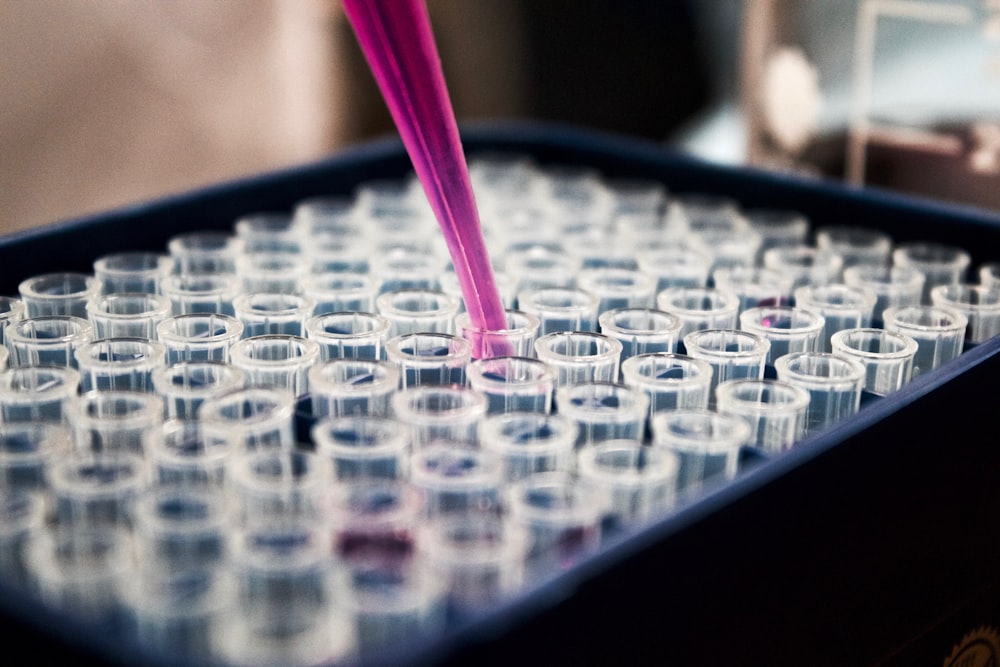
Research Insights
Modern analytical techniques allow scientists to identify specific phenolic compounds and their concentrations in different honey varieties. This precision helps correlate specific compounds with health benefits and understand how processing affects bioactive content.
The Future of Honey Research
While honey's benefits are clear, challenges remain:
- Standardization: Phenolic levels vary 10-fold between honeys (e.g., acacia vs. buckwheat).
- Bioavailability: Only 15–30% of phenolics are absorbed; encapsulation may boost this 9 .
- Clinical Gaps: Most evidence is from cells or animals; human trials are limited.
Ongoing studies explore honey as an adjuvant therapy—e.g., boosting chemotherapy efficacy while protecting healthy cells 7 . As one researcher notes: "We're not claiming honey cures cancer, but it's a formidable ally in prevention."
Conclusion: More Than Just Sugar
Honey's phenolics represent a remarkable intersection of botany, bee biology, and human health. From highland propolis to stingless-bee Malícia honey, these compounds turn a simple nectar into a dynamic shield against modern diseases. As science decodes how terroir and genetics shape each batch, one truth emerges: every drop of honey is a unique, living pharmacy.
Fun Fact
Darker honeys (buckwheat, heather) contain up to 8× more phenolics than light ones (acacia, clover)—choose color for maximum benefit!